Spatial Orientation Worksheets for Ages 5-8
7 filtered results
-
From - To
Enhance your child's spatial awareness with our engaging Spatial Orientation Worksheets designed specifically for ages 5-8. These worksheets are perfect for early learners, promoting essential skills such as directionality, position, and movement concepts. Featuring colorful illustrations and fun activities, children will enjoy navigating mazes, completing puzzles, and identifying objects based on spatial relationships. Our worksheets not only sharpen cognitive abilities but also prepare kids for future learning experiences. Each printable is easily accessible and adaptable for both classroom and home settings. Foster your child's growth with interactive and educational resources that instill confidence in their understanding of the world around them!
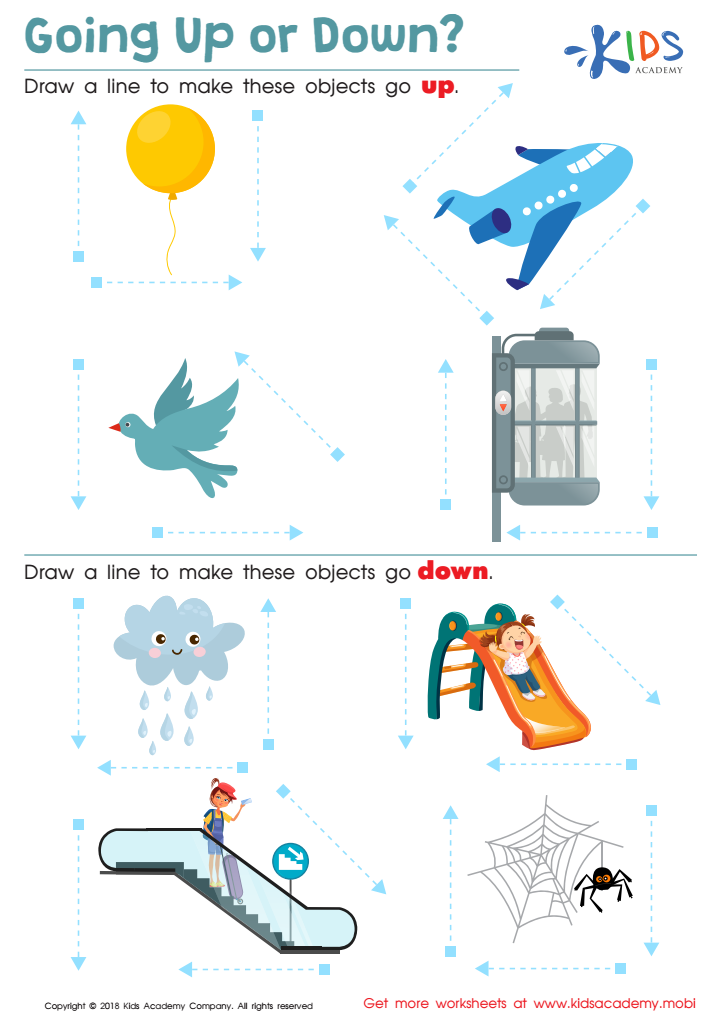
Going up or Down? Worksheet
 Assign to My Students
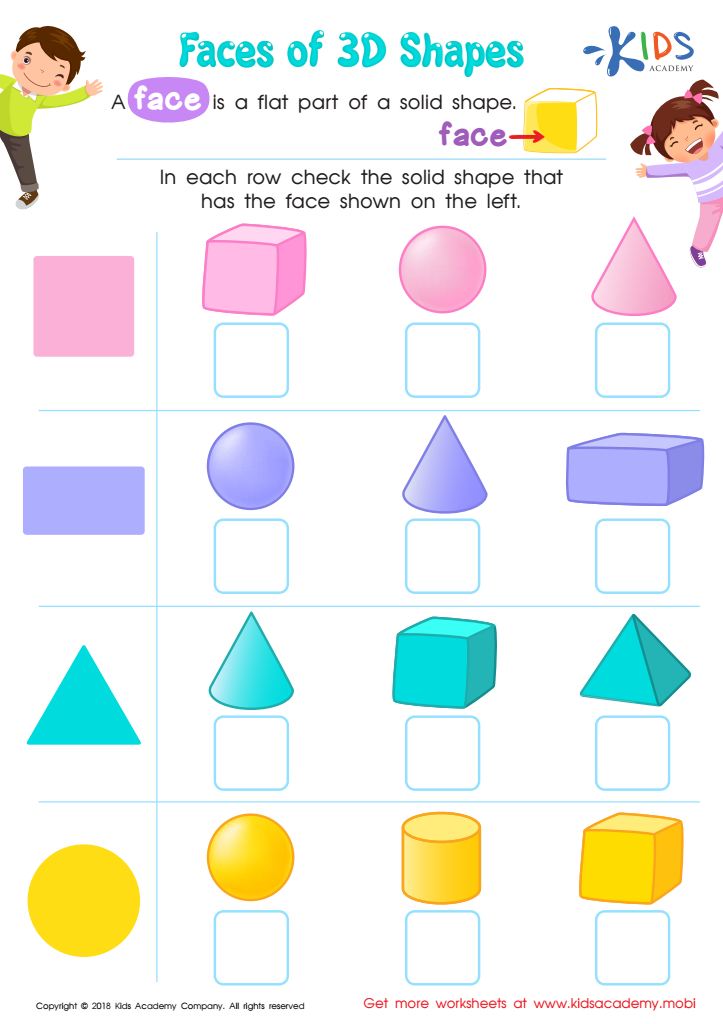
Faces of 3D Shapes Worksheet
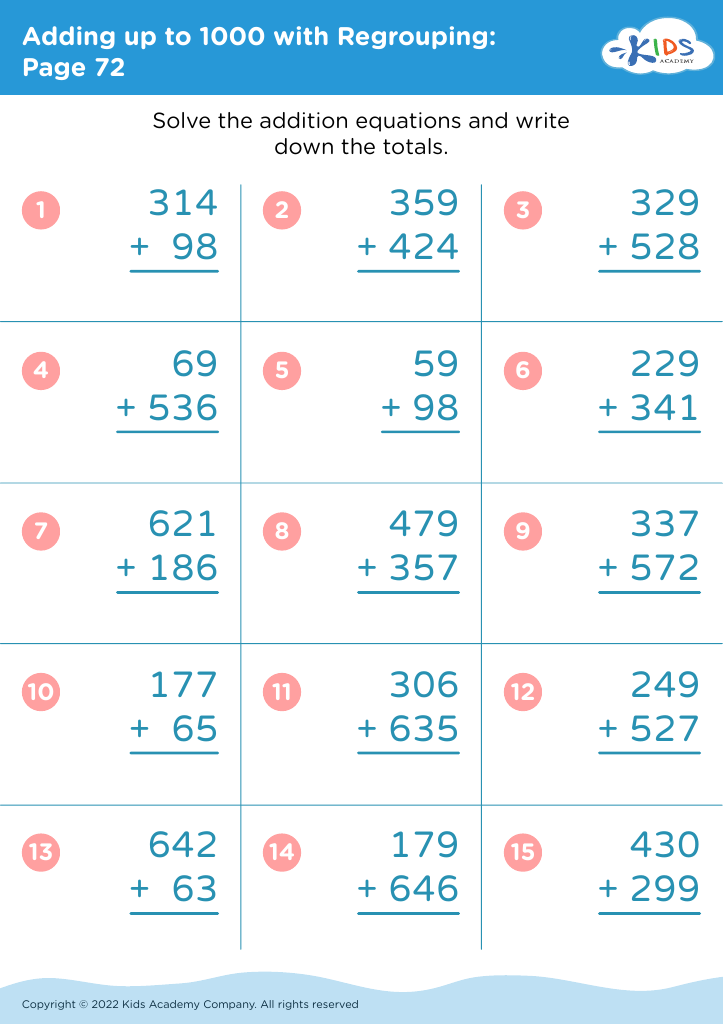
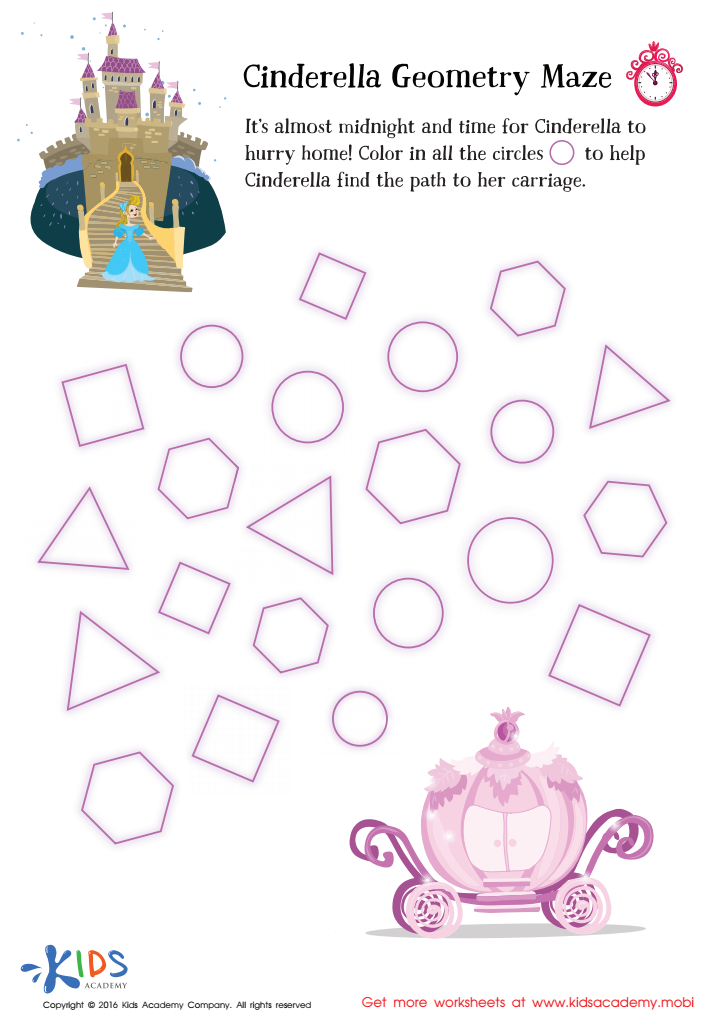
Cinderella Geometry Maze Worksheet
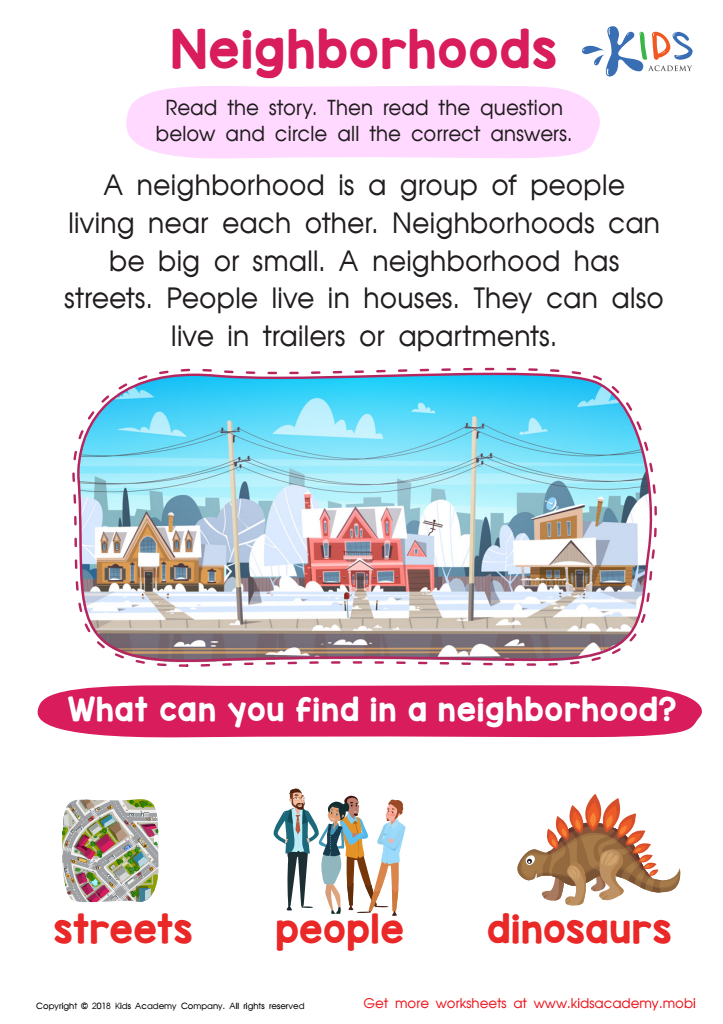
Neighborhoods Worksheet
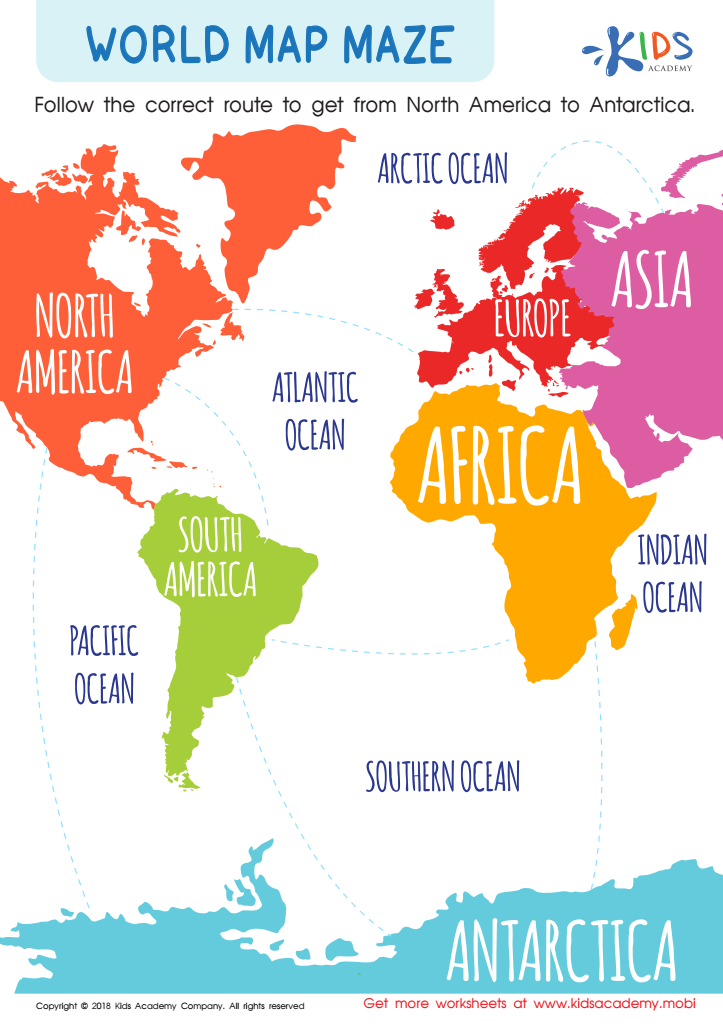
World Map Maze Worksheet
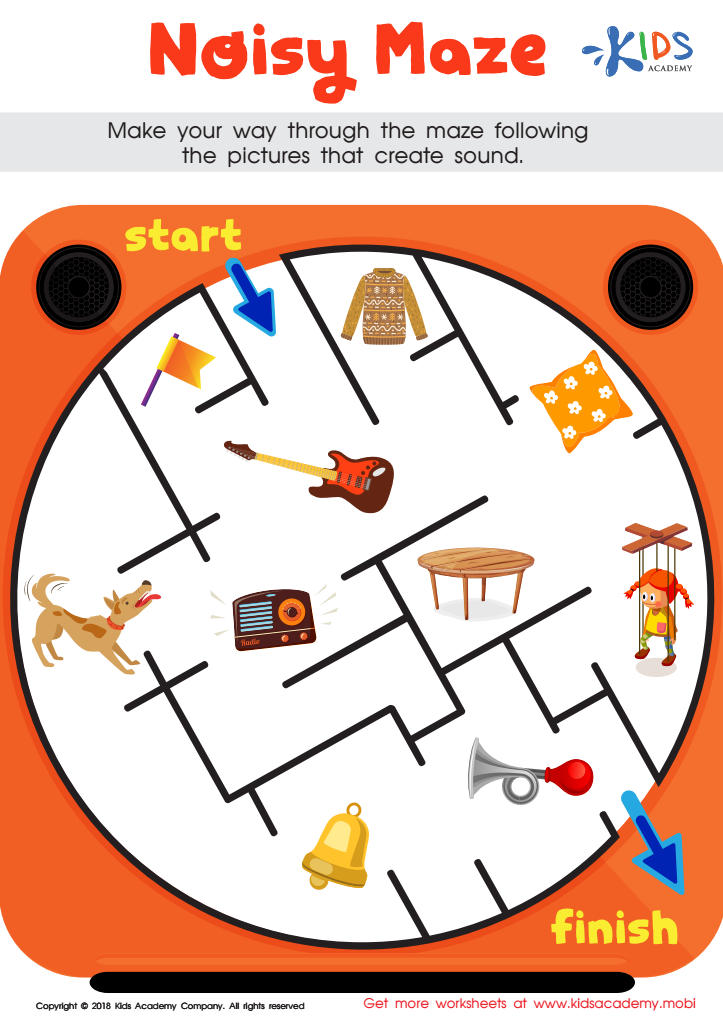
Noisy Maze Worksheet







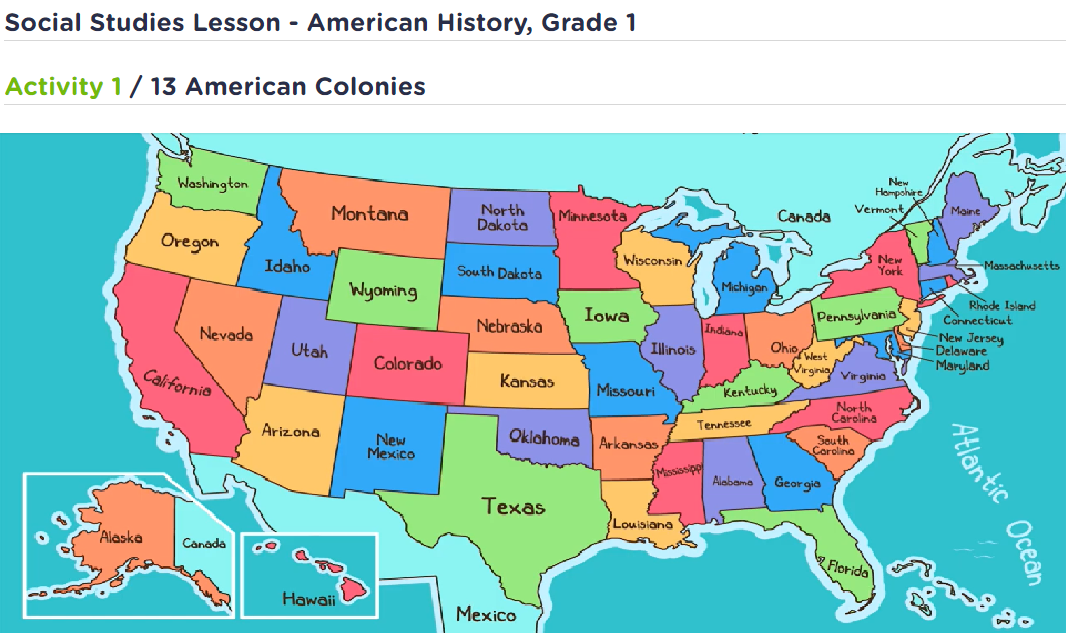
Spatial orientation is crucial for children aged 5-8 as it underpins their understanding of the world around them, influencing their academic, social, and physical development. From a young age, children interact with space through play, exploration, and everyday activities. Developing strong spatial orientation skills helps children understand concepts such as direction, distance, and spatial relationships, which are essential in subjects like mathematics, geometry, and science.
Moreover, these skills enhance their ability to navigate their environment safely and confidently, promoting independence. For instance, knowing how to orient themselves in an unfamiliar setting fosters problem-solving skills and resilience. Additionally, spatial awareness is integral to motor skills development; activities such as sports and dancing rely on the ability to judge space and movement.
In social contexts, strong spatial orientation can aid in cooperation and exchanges with peers, such as sharing games or participating in group activities. As parents and teachers, encouraging exercises that promote spatial skills—like puzzles, building blocks, and outdoor games—is vital for holistic child development. Not only do these activities stimulate cognitive growth, but they also nurture creativity and critical thinking—tools that children will need throughout their educational journey and life.








