Tracing practice Worksheets for Ages 5-8
3 filtered results
-
From - To
Discover our engaging "Tracing Practice Worksheets for Ages 5-8", designed to enhance fine motor skills and boost early writing development. These worksheets feature a variety of fun and educational tracing activities, including letters, numbers, shapes, and simple words. Perfect for toddlers and young learners, our resources encourage kids to build confidence and improve hand-eye coordination as they explore the world of writing. With colorful illustrations and creative themes, tracing becomes an exciting adventure! Download and print the worksheets easily, and watch as your child gains the skills they need for successful writing. Start building their foundation today!
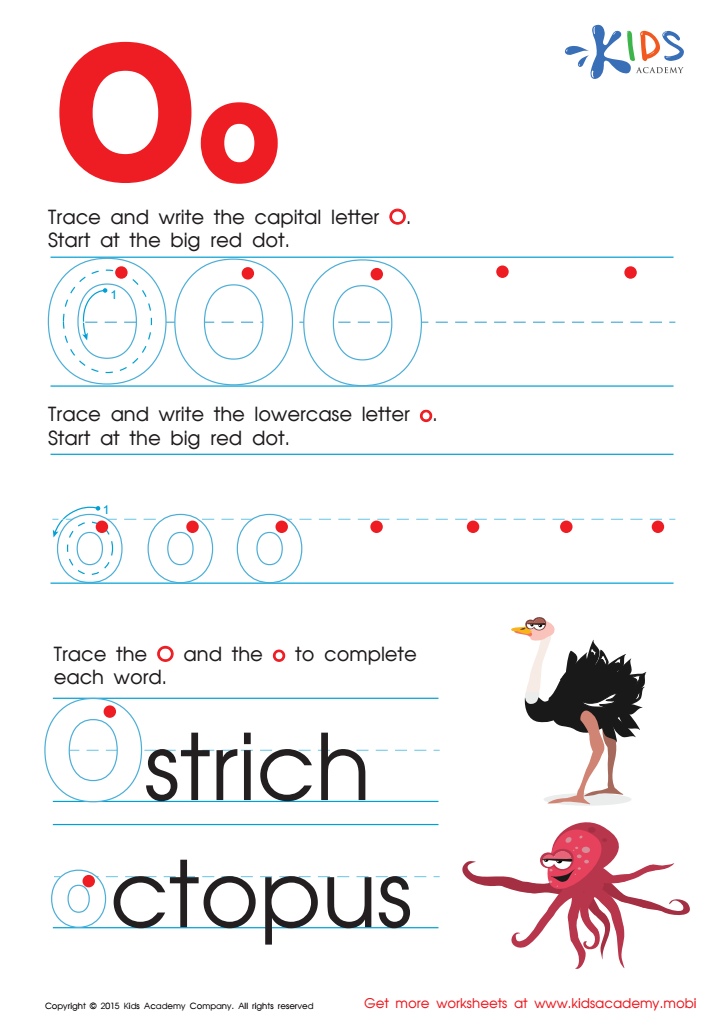
Letter O Tracing Page
 Assign to My Students
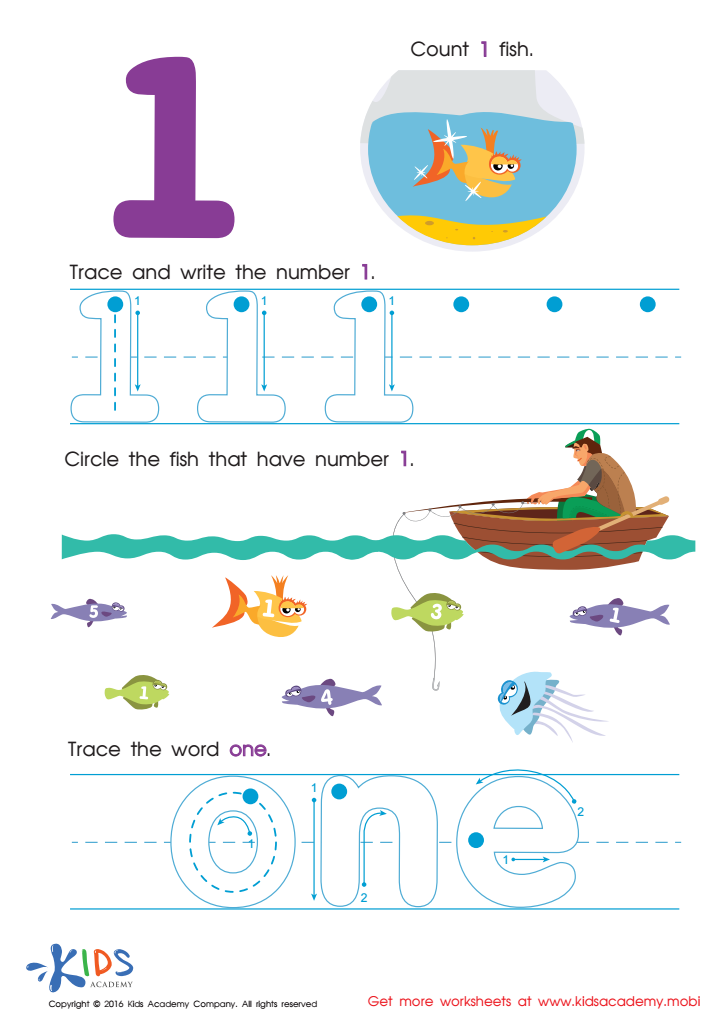
Learning to Write 1 Worksheet
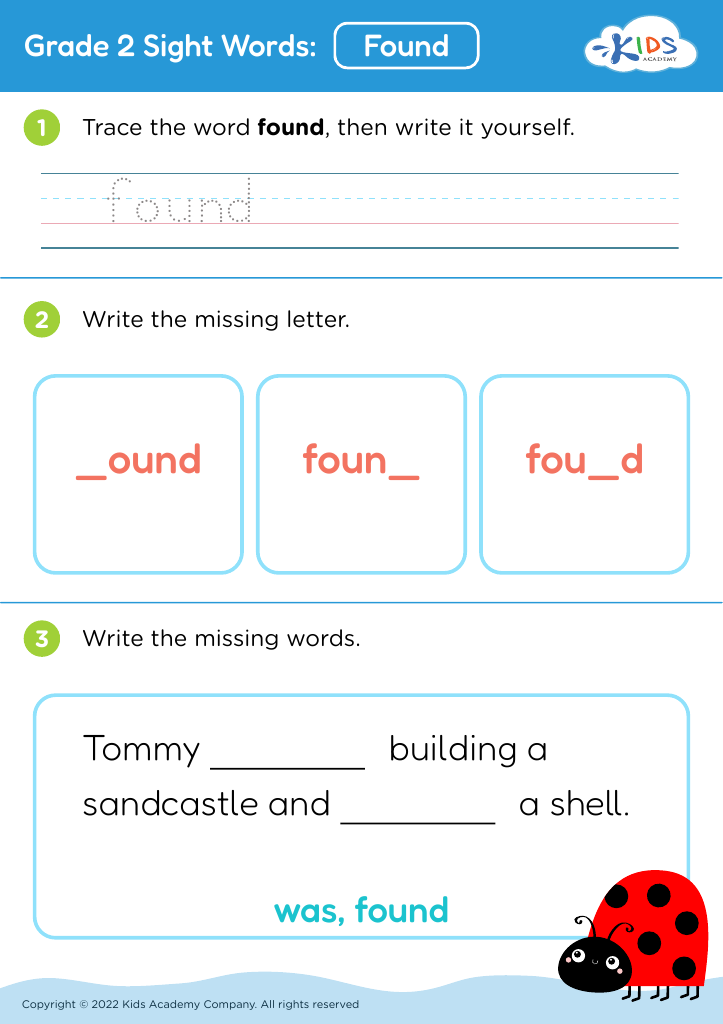







Tracing practice for children aged 5-8 is essential for several reasons. Primarily, it enhances fine motor skills, which are crucial for writing, drawing, and performing daily tasks independently. Engaging in tracing activities strengthens hand-eye coordination, ensuring children can make deliberate and controlled movements with their hands, laying the groundwork for proficient penmanship.
Additionally, tracing supports cognitive development by familiarizing children with the shapes and structures of letters and numbers. This repetition aids in letter recognition and reinforces early literacy skills, contributing to successful reading and writing experiences in later years.
Moreover, tracing can foster creativity; children often take the opportunity to decorate their traced letters or shapes, thus linking fine motor practice to imaginative expression. It also builds confidence, as children can easily see their progress with guided tracing before transitioning to freehand writing.
Ultimately, educators and parents should perceive tracing not merely as a mechanical exercise but as a multifaceted process that intertwines physical, cognitive, and emotional growth. By incorporating tracing into their learning routine, children are better prepared for academic success while enjoying the journey of mastering essential skills.








