
Visual perception enhancement Worksheets for Ages 5-8
3 filtered results
Difficulty Level
Grade
Age
-
From - To
Subject
Activity
Standards
Boost your child's visual perception skills with our expertly designed worksheets tailored for ages 5-8. Our Visual Perception Enhancement Worksheets offer engaging and interactive activities to improve pattern recognition, spatial awareness, and attention to detail. Perfect for early learners, these worksheets make learning fun with colorful illustrations and age-appropriate challenges. Whether enhancing classroom learning or supplementing at home, our resources aim to develop critical visual skills instrumental in reading, writing, and problem-solving. Help your child see the world more clearly with Kids Academy's trusted and comprehensive visual perception enhancement tools. Download now to start the learning journey!
Favorites
With answer key
Interactive
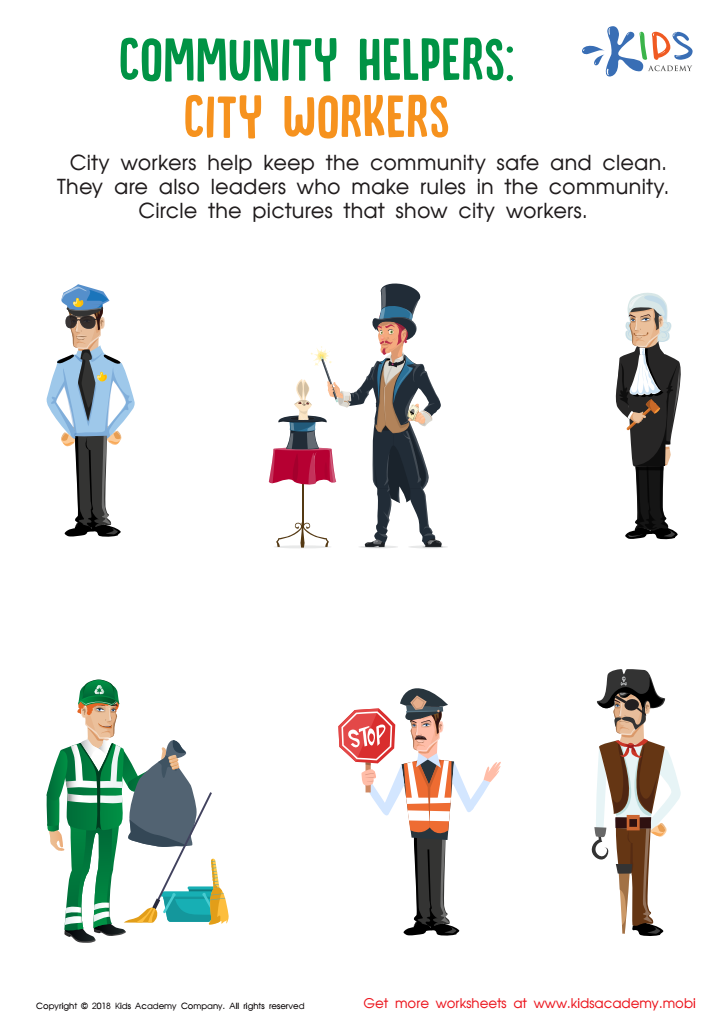
City Workers Community Helpers Worksheet
City workers help keep our communities clean, safe and well-run. They create and enforce rules and act as leaders. Use this worksheet with your child to learn more about the important roles they play. Check the pictures in the free PDF that accurately depict what they do.
 Assign to My Students
City Workers Community Helpers Worksheet
Worksheet
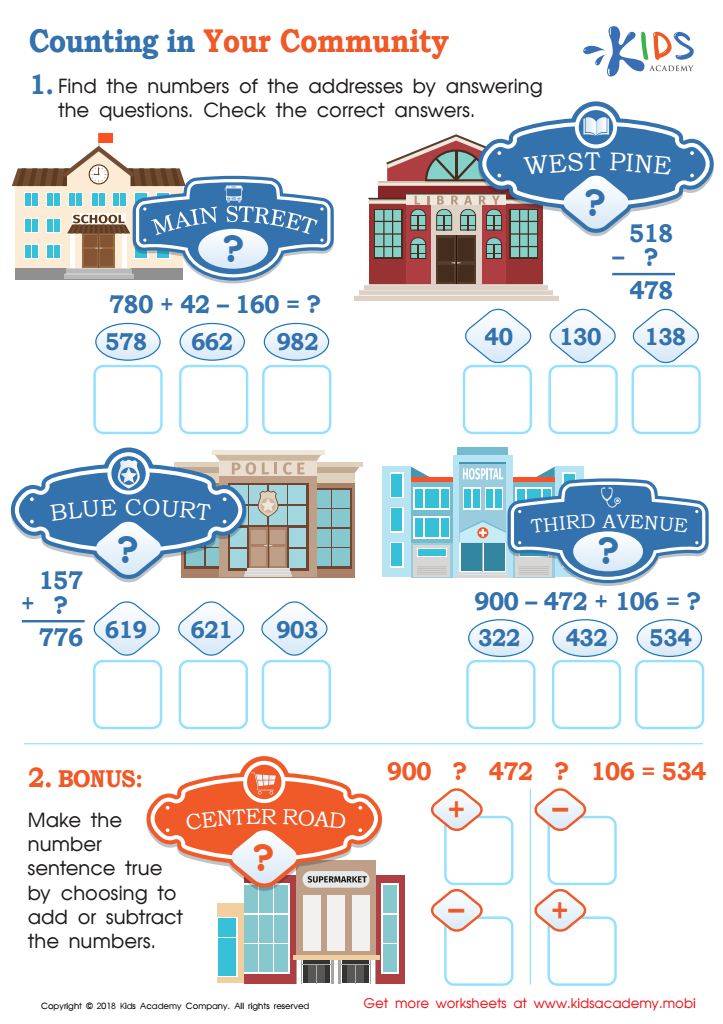
Counting in Your Community Worksheet
Introduce your kids to the idea of a community, where different people and buildings co-exist, each playing their part for the community's progress. Ask them to name the buildings they see in their community. Then work through this worksheet to find the numbers of the addresses by answering the questions. Check the answers once they've solved the equations.
Counting in Your Community Worksheet
Worksheet
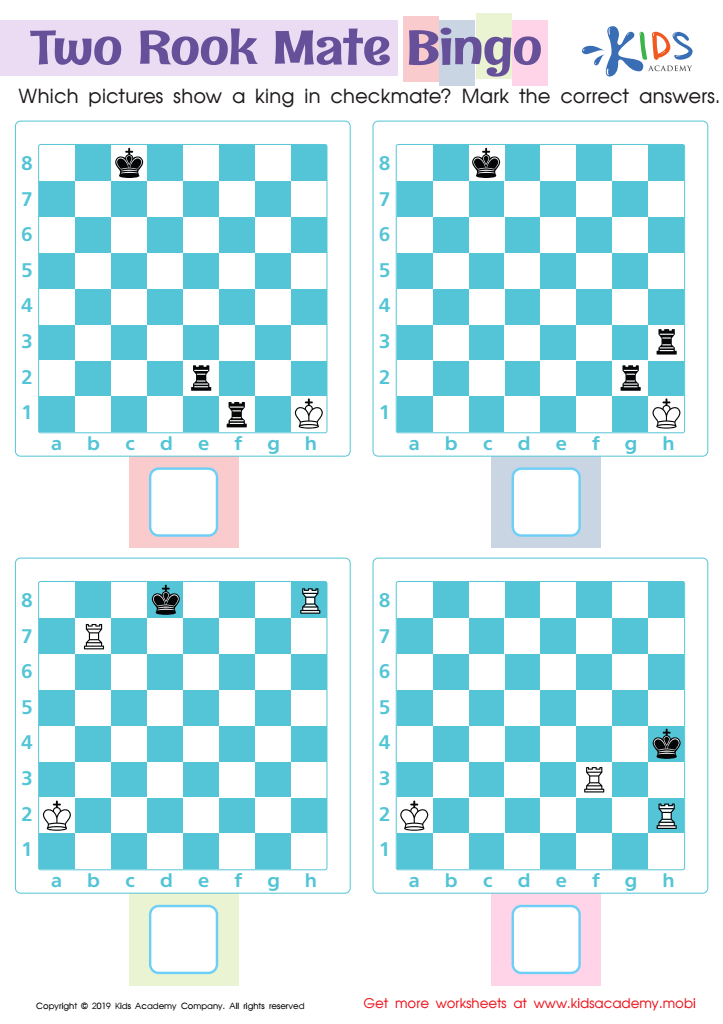
Two Rook Bingo Worksheet
Kids can have fun and strengthen their visual perception skills with Two Rook Mate Bingo. This worksheet challenges them to identify which chess boards show a king in checkmate using the Two Rook Mate strategy. Once they choose the correct one, they get the prize for checkmate! Playing chess helps kids with strategy, logic, and critical thinking.
Two Rook Bingo Worksheet
Worksheet
Join Kids Academy for Free
Who is primarily going to use this learning content?






.jpg)

Parents and teachers should care about visual perception enhancement for children ages 5-8 because it is a critical period for developing foundational skills essential for their academic and everyday life success. Visual perception involves the brain’s ability to make sense of what the eyes see, which includes recognizing shapes, understanding spatial relationships, discerning differences and similarities, and interpreting visual information accurately.
In this age group, children's cognitive abilities are rapidly developing, and strong visual perception skills can significantly influence their learning process. For example, children need to differentiate between letters and numbers, which is necessary for reading and math. Difficulties in these areas can lead to frustration, decreased confidence, and academic struggle.
Additionally, visual perception skills are tied to motor development. Children develop better hand-eye coordination and fine motor skills through activities that enhance their visual perception. This is important not only for educational tasks like writing and cutting but also for daily tasks such as tying shoelaces, dressing, and playing sports.
By prioritizing visual perception enhancement, parents and teachers can help children build a robust skill set that supports their overall development. Techniques such as puzzles, mazes, drawing, and engaging in varied visual-motor activities can improve these skills, setting the stage for positive academic outcomes and practical, day-to-day success.








