Improve reading skills Adding up to 100 Worksheets for Ages 5-8
5 filtered results
-
From - To
Discover our "Improve Reading Skills" worksheets, specially designed for children aged 5 to 8! Our comprehensive collection features 100 engaging worksheets that not only enhance reading abilities but also make learning fun. Each worksheet is crafted to boost vocabulary, comprehension, and critical thinking skills in young learners. By integrating interactive activities and colorful illustrations, we ensure that every child remains excited and motivated to read. Perfect for use in classrooms or at home, these worksheets support independent learning while aligning with early literacy standards. Help your child become a confident and capable reader with our enriching resources today!
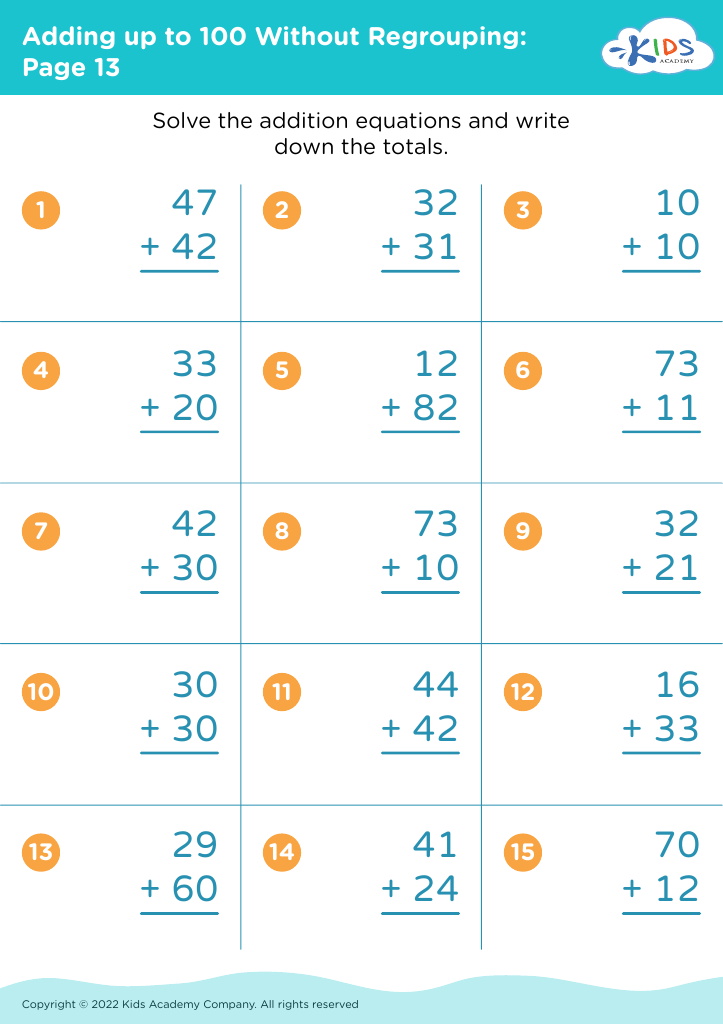
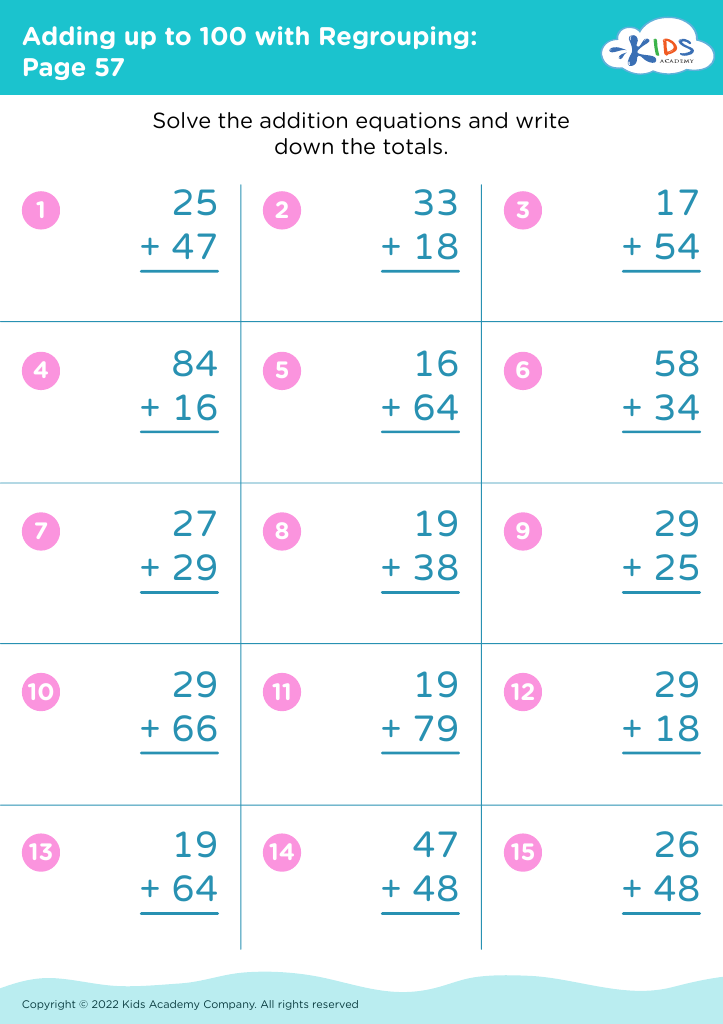
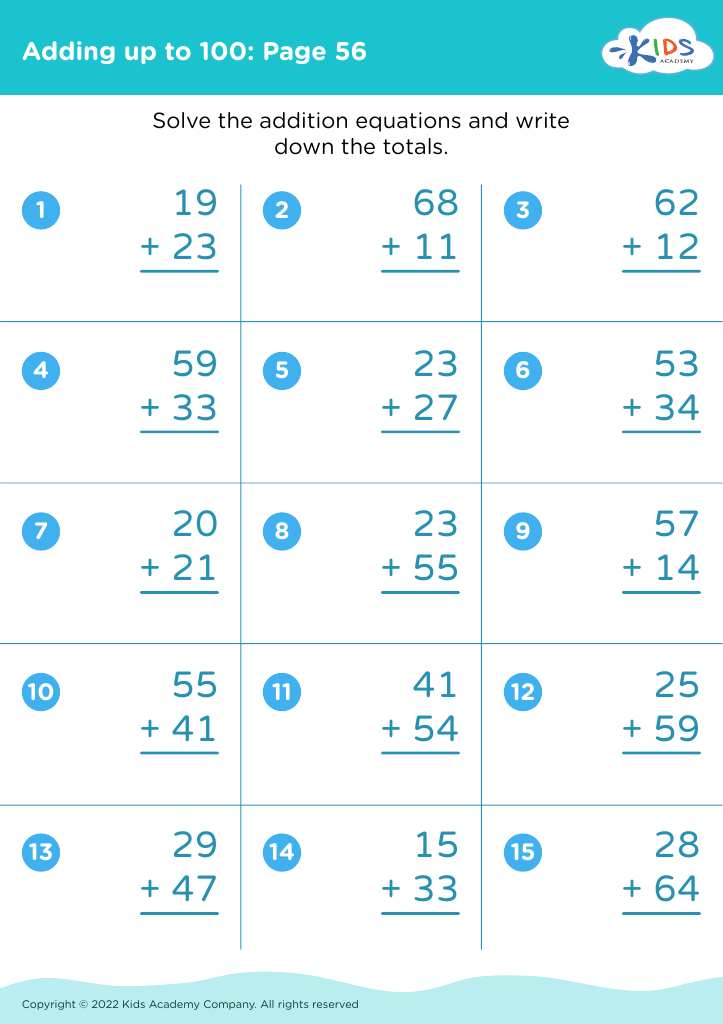
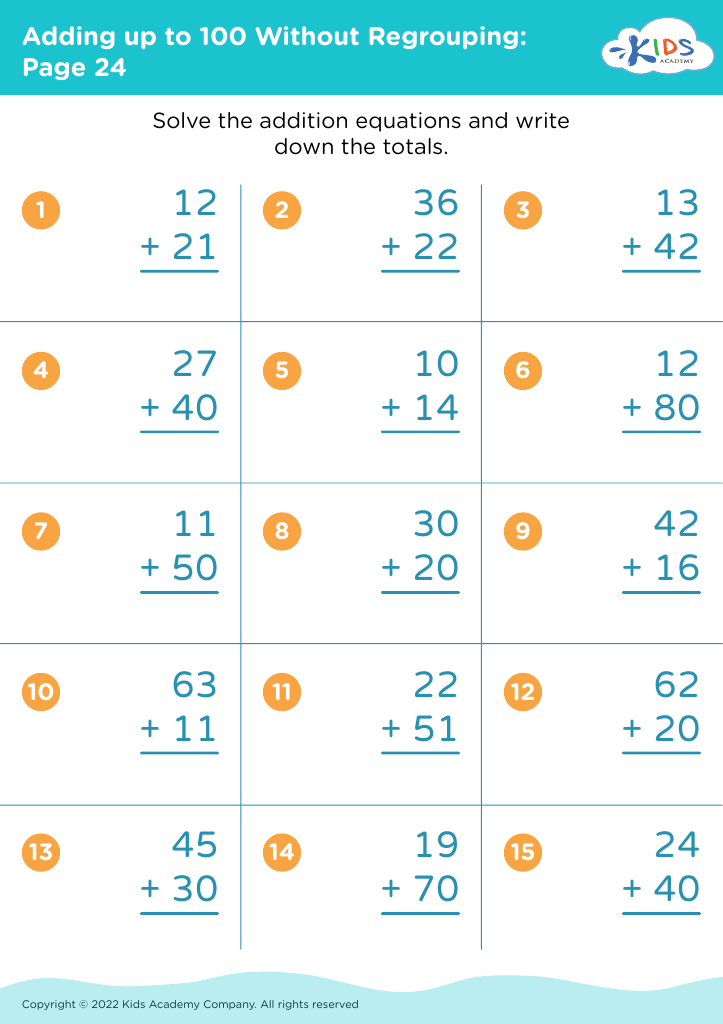





%20(1).jpg)

Improving reading skills in children aged 5-8 is crucial for their overall development and lifelong learning. At this stage, children are building foundational literacy skills, which are essential for academic success. Reading proficiency enhances their ability to understand and engage with various subjects, ultimately impacting their performance in mathematics, science, and the arts. As they develop these skills, they can effortlessly progress toward mastering basic addition and other early numeracy concepts, which often rely on reading instructions and word problems.
Parents and teachers must prioritize reading skills because they directly affect a child’s confidence and self-esteem. Children who can read well are more likely to participate actively in classroom discussions and express themselves clearly. Additionally, fostering a love for reading helps stimulate imagination and improves critical thinking abilities, making them more adaptable learners.
Moreover, early reading proficiency sets a positive trajectory for future academic achievement. The influence of supportive adults, such as parents and teachers, plays a pivotal role in ensuring that children enjoy reading, providing them with the tools they need to add successfully to their knowledge base. Overall, better reading skills correlate to lifelong success, making it essential for educators and caregivers to invest in nurturing these abilities.








