Understanding fractions Adding up to 100 Worksheets for Ages 5-8
51 filtered results
-
From - To
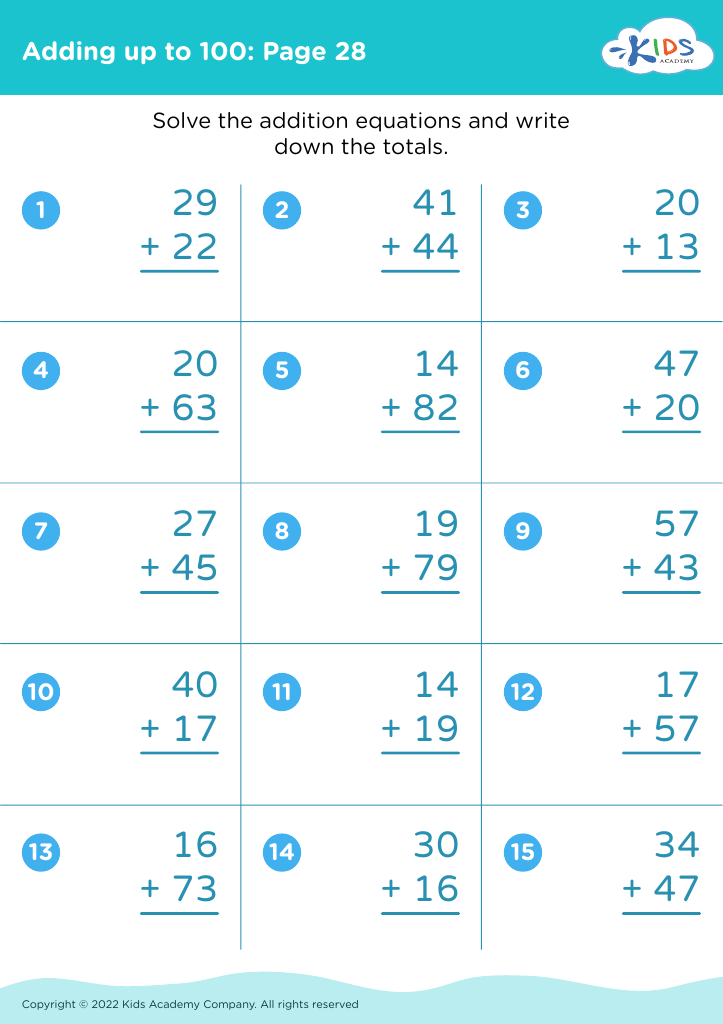
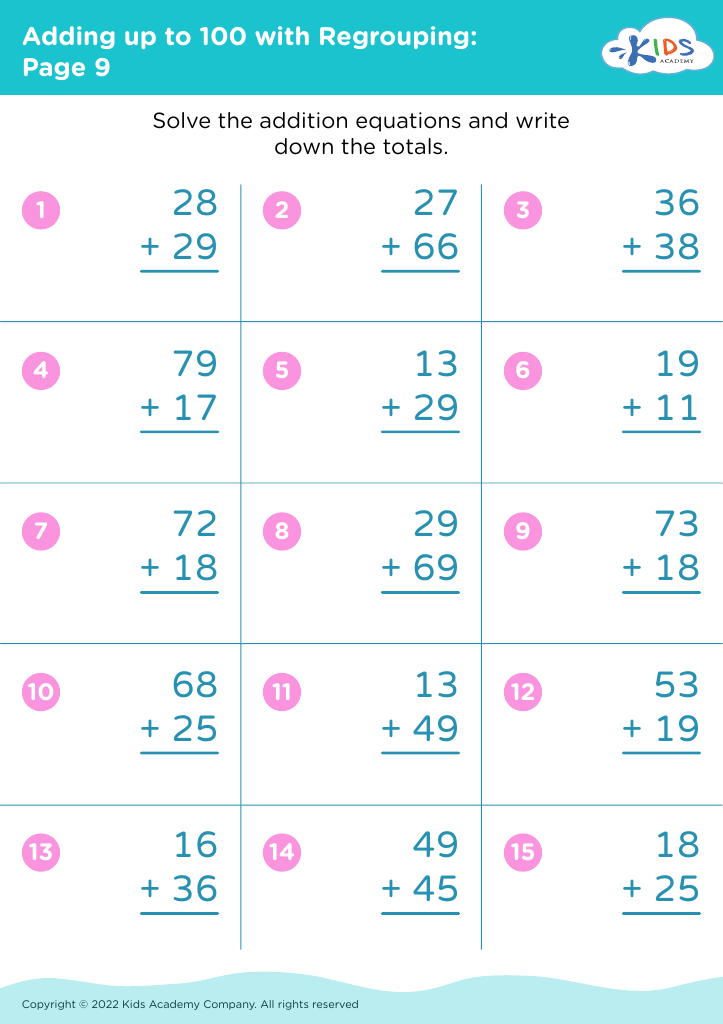
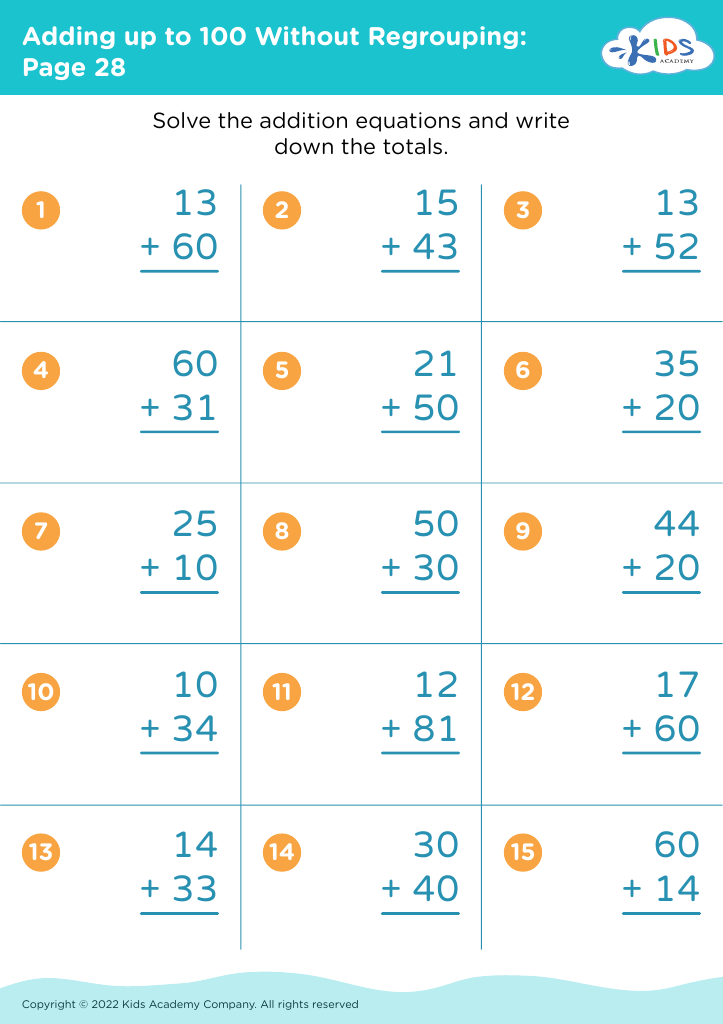
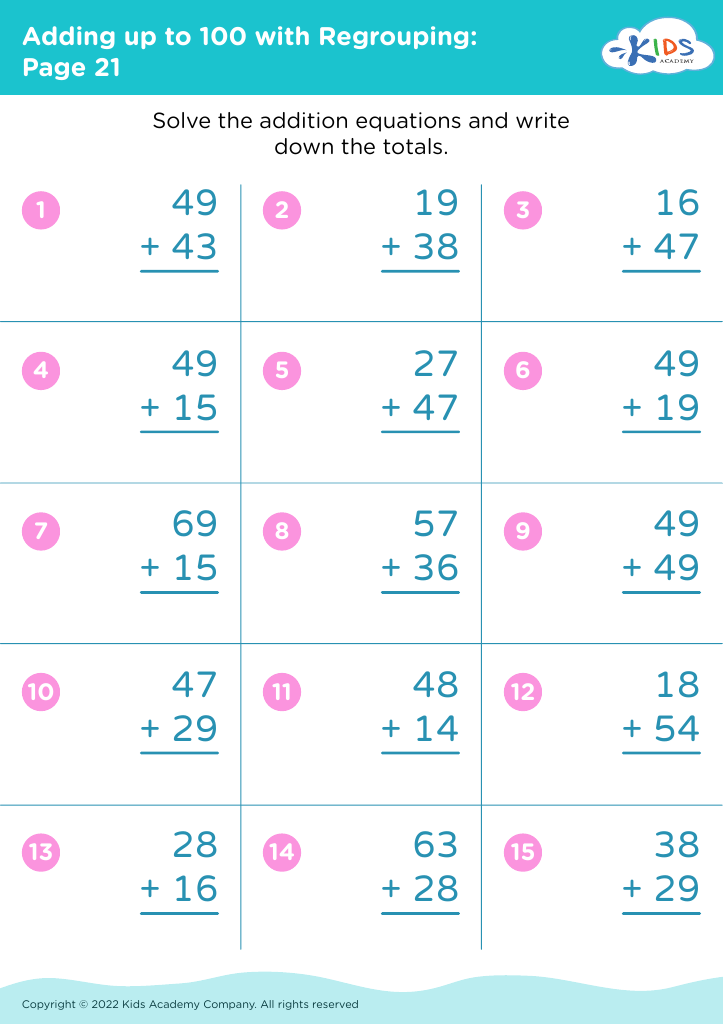
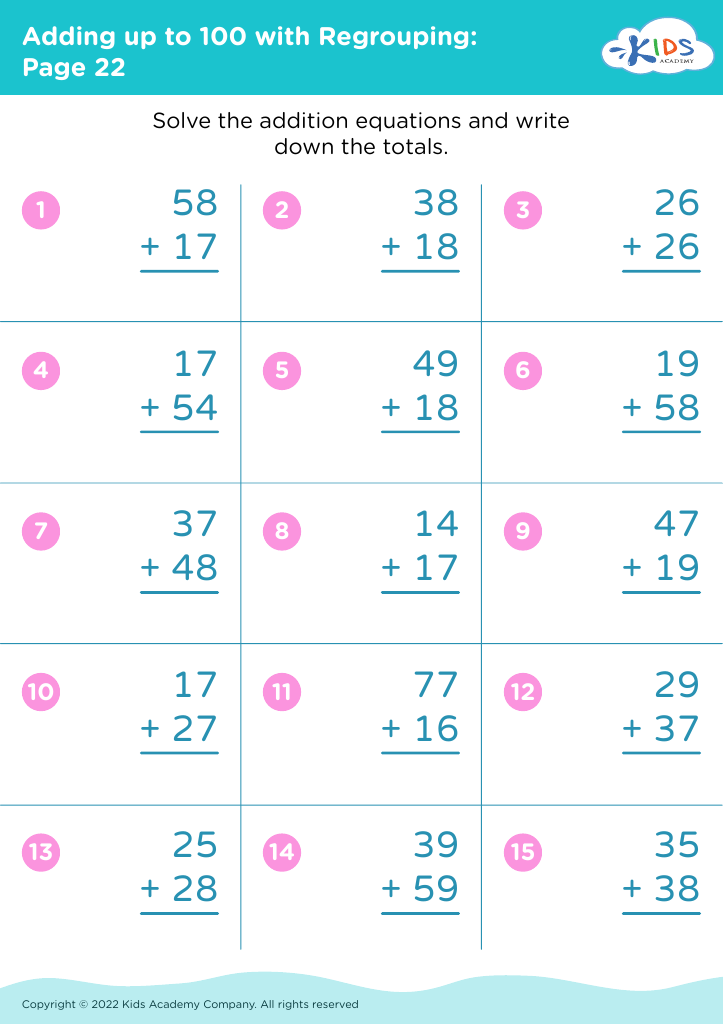
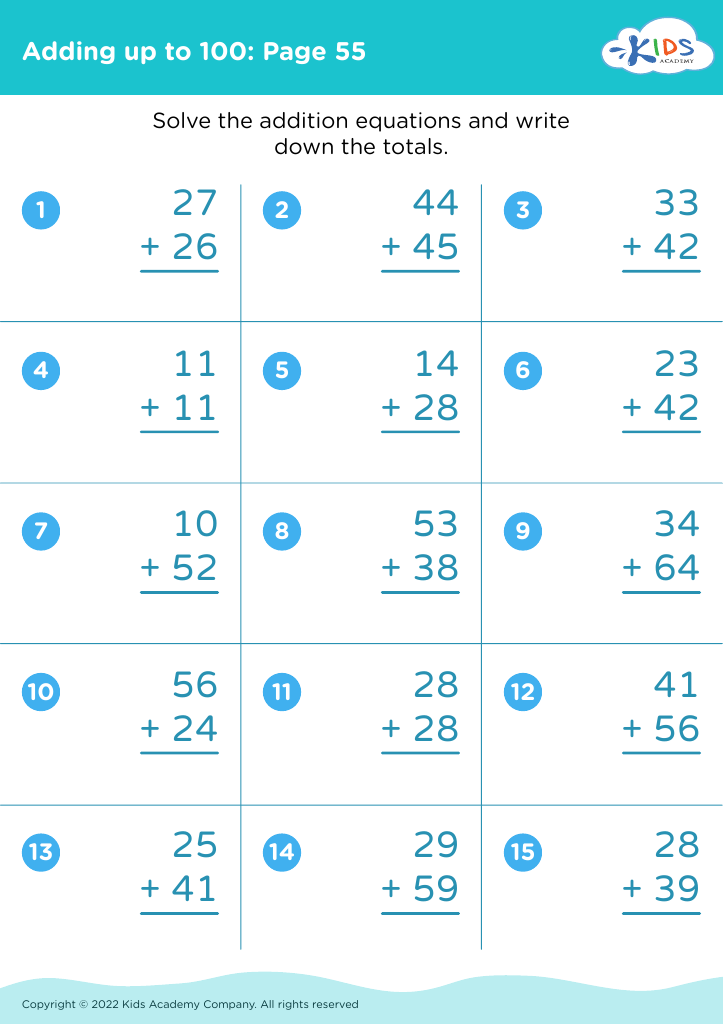
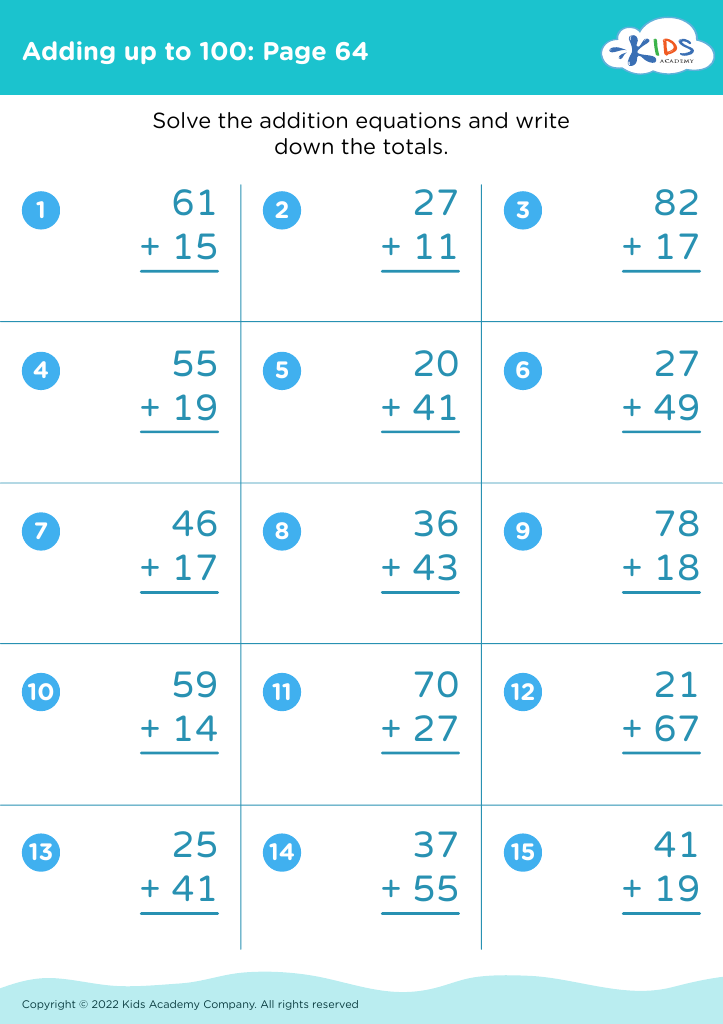
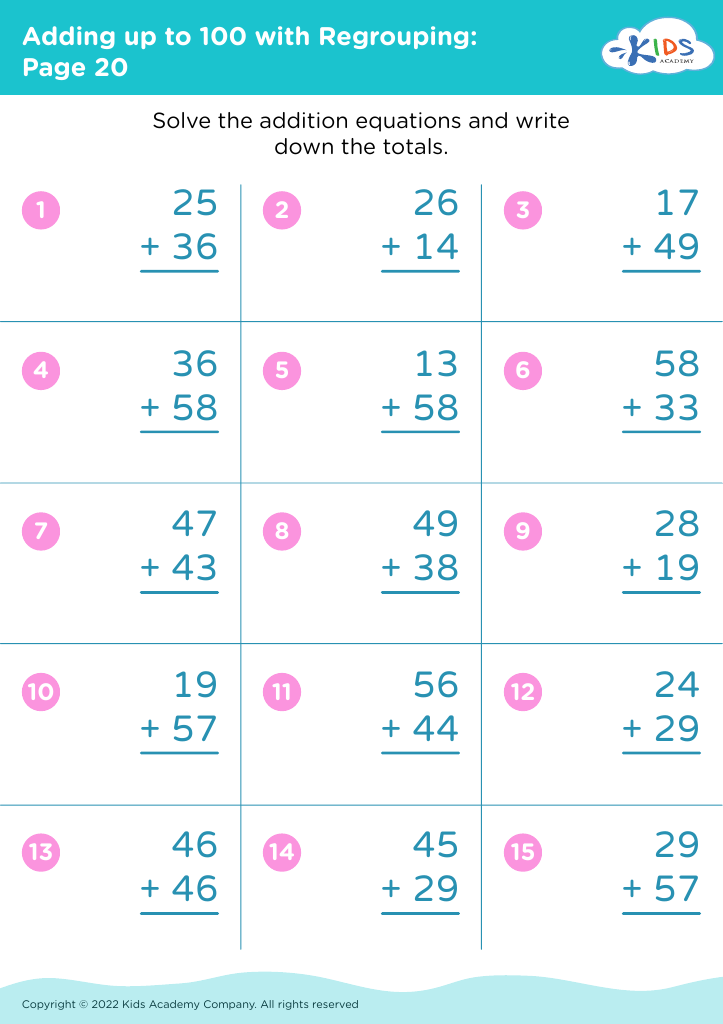
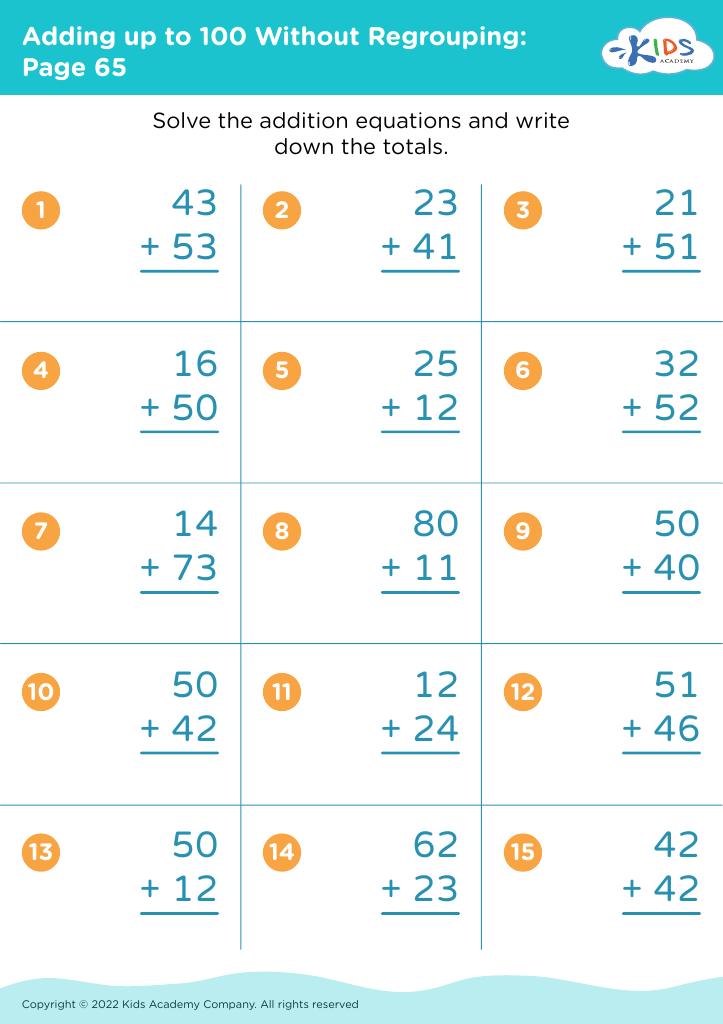
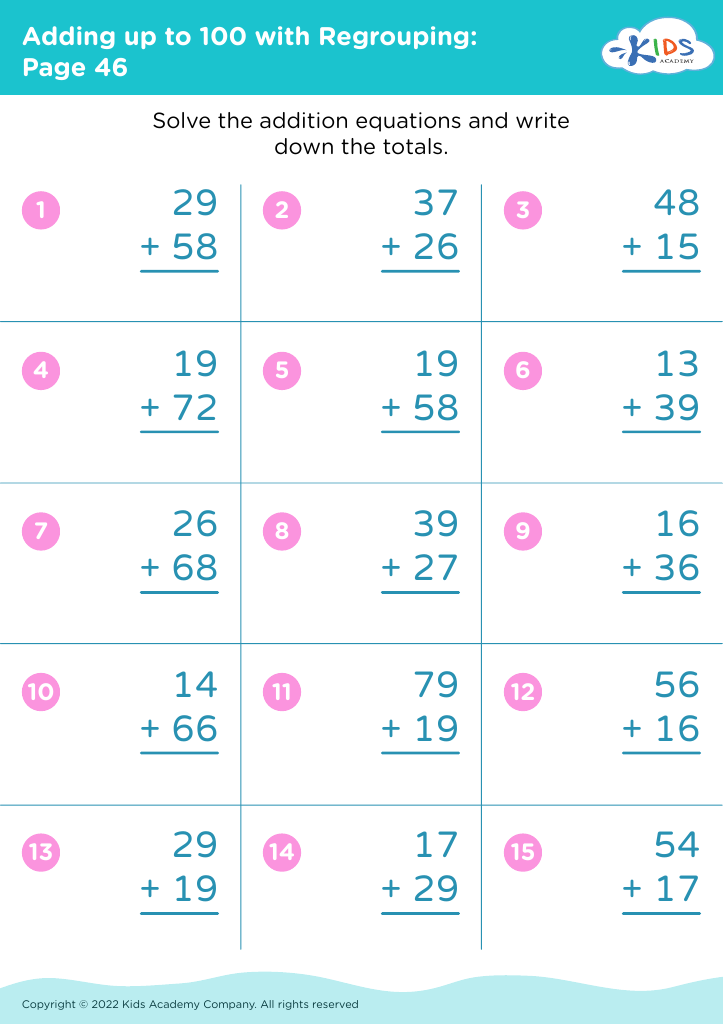
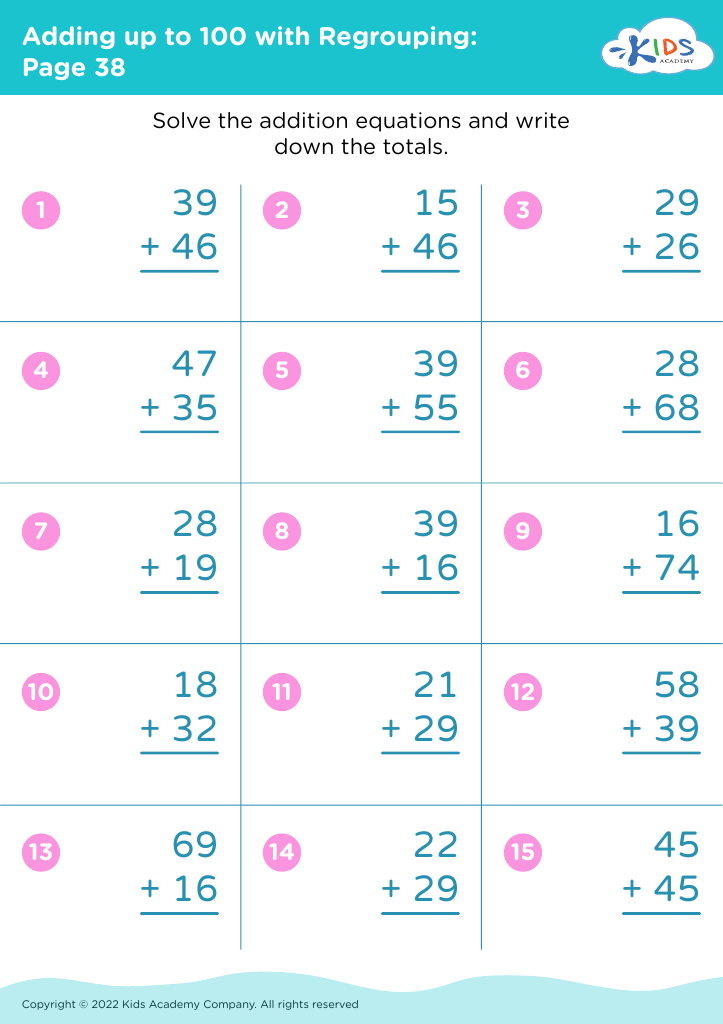
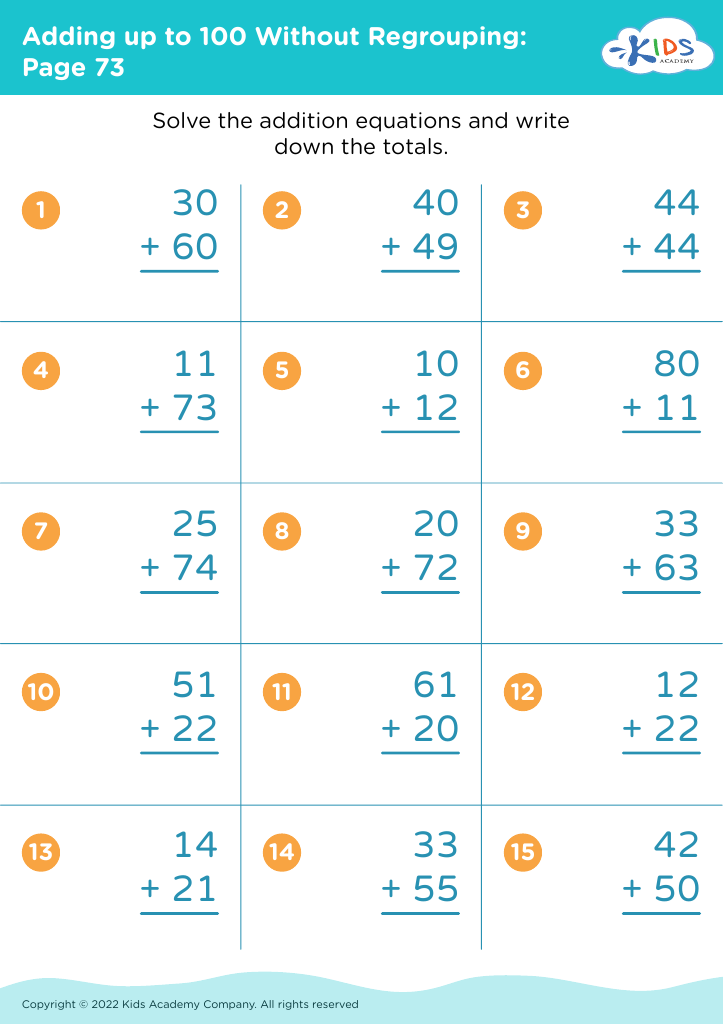
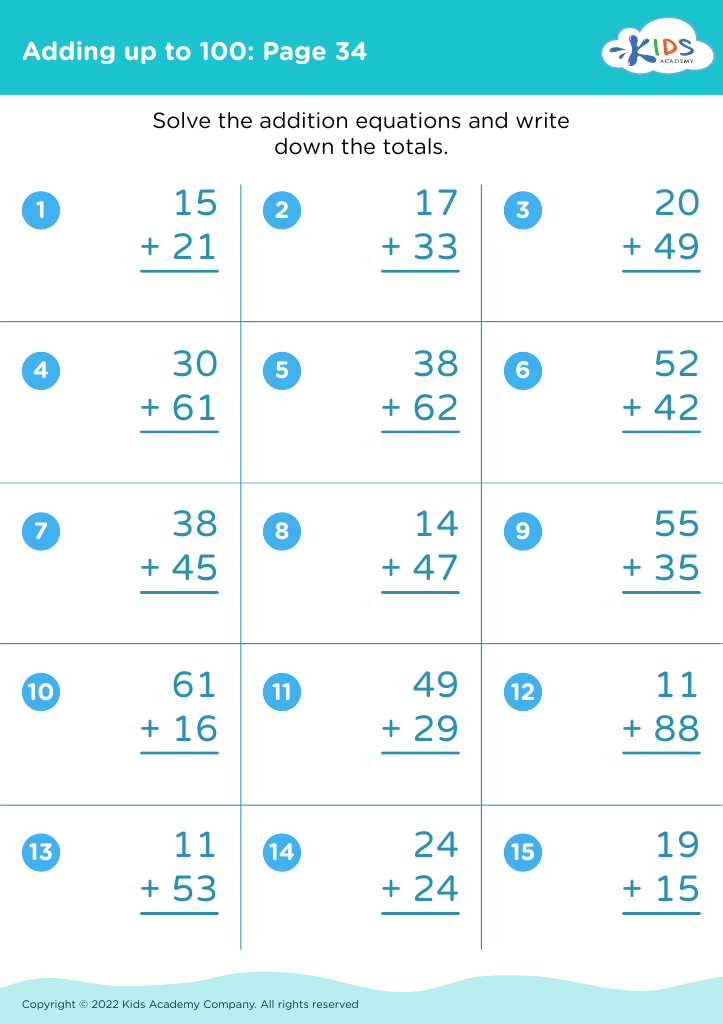
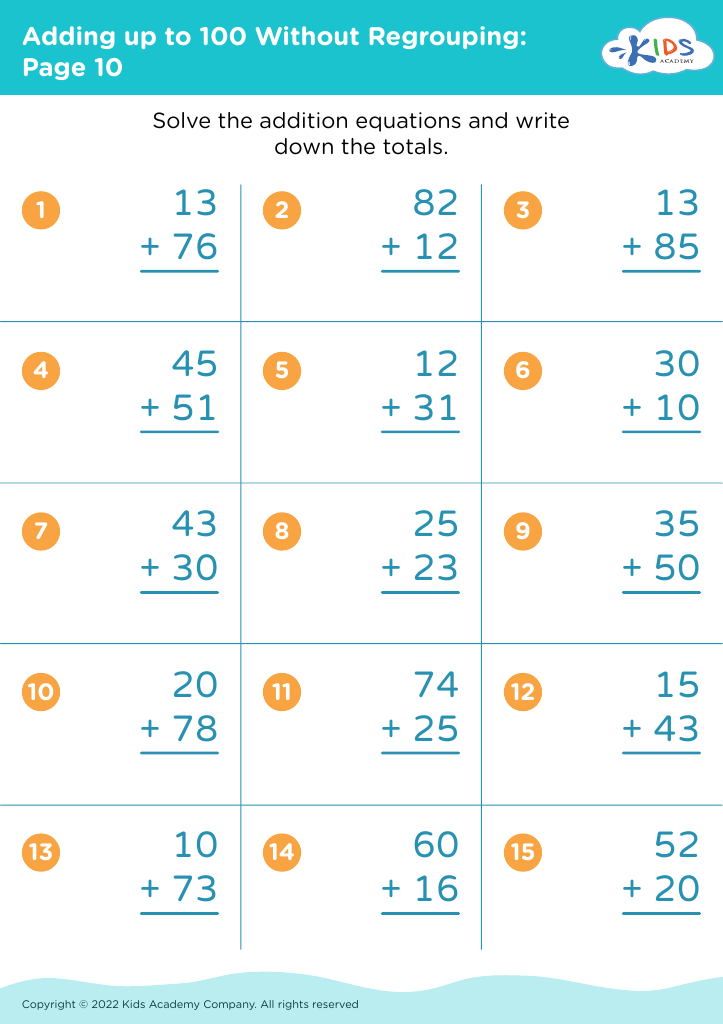
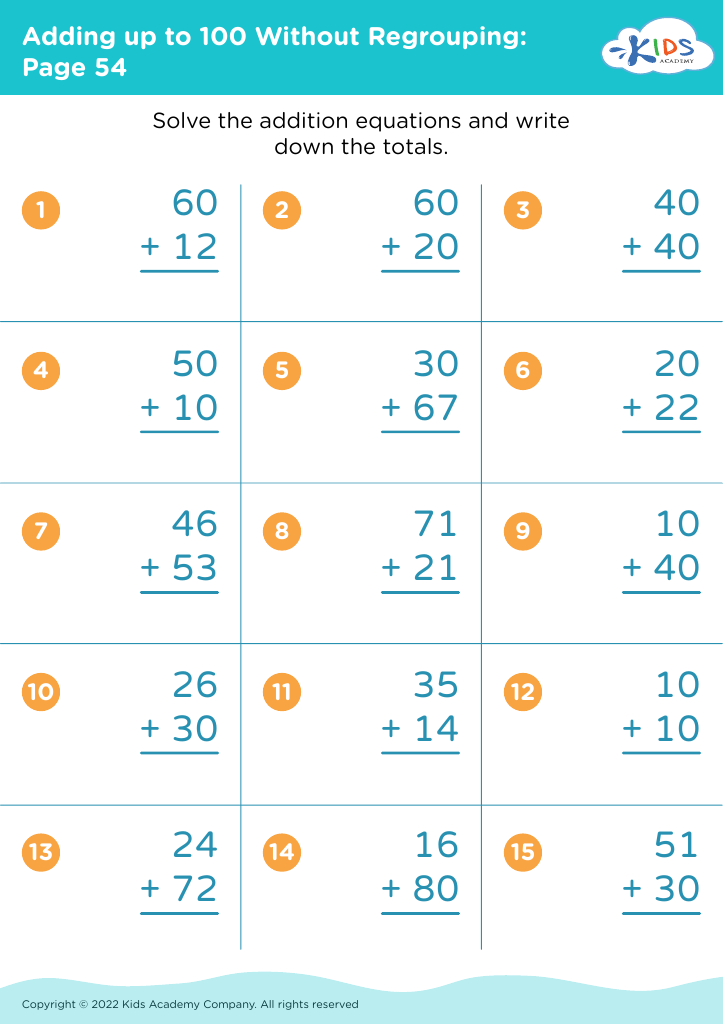
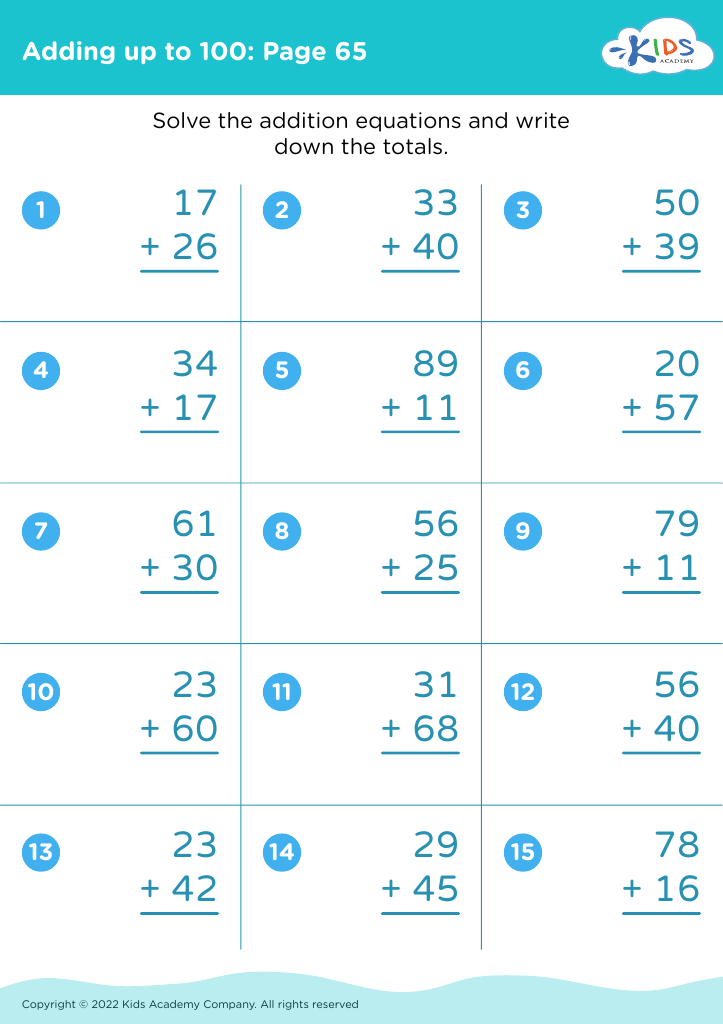
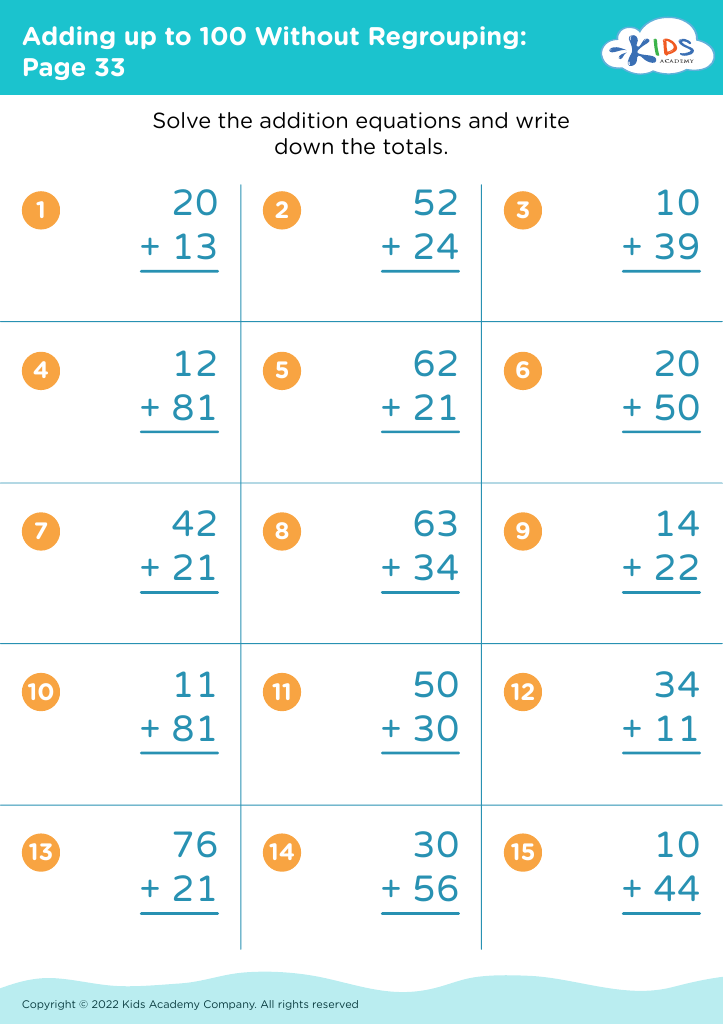
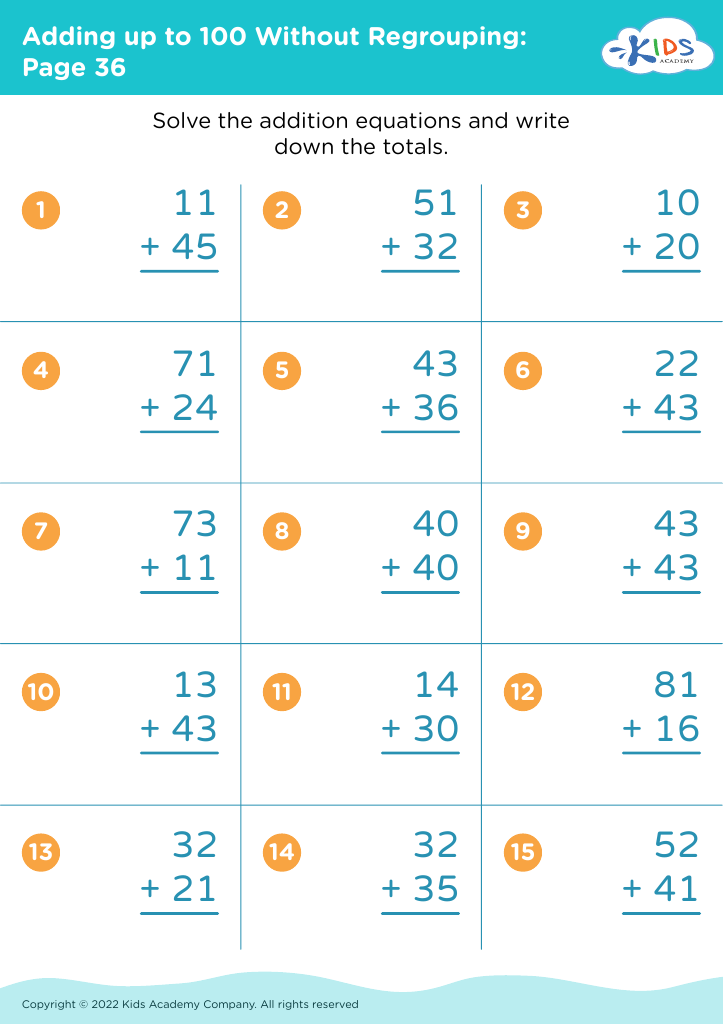
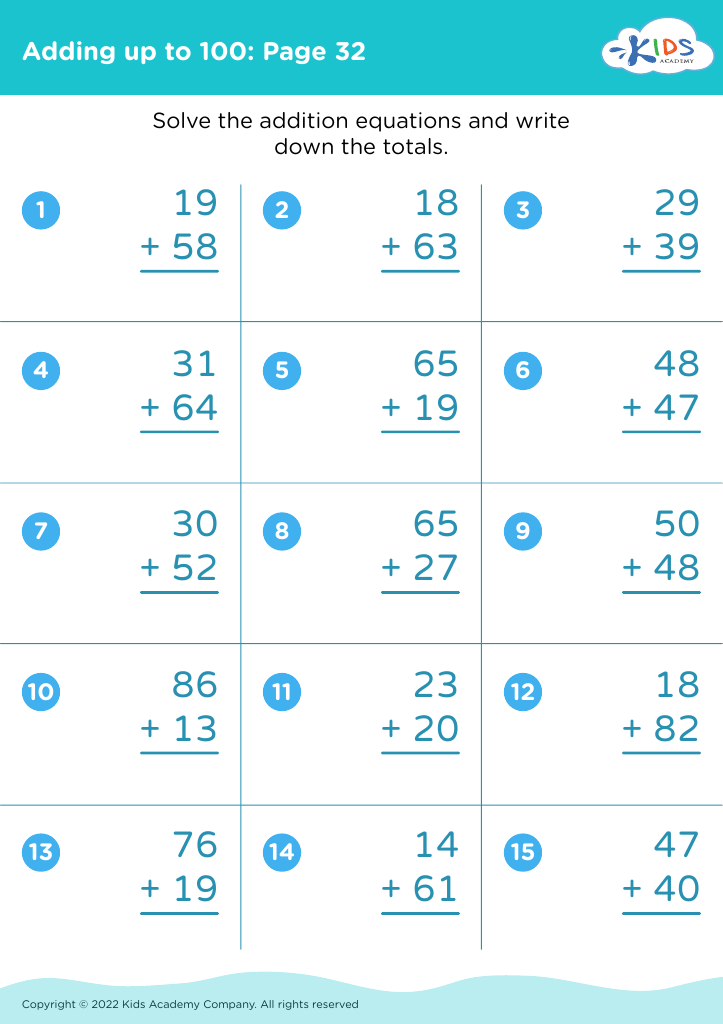
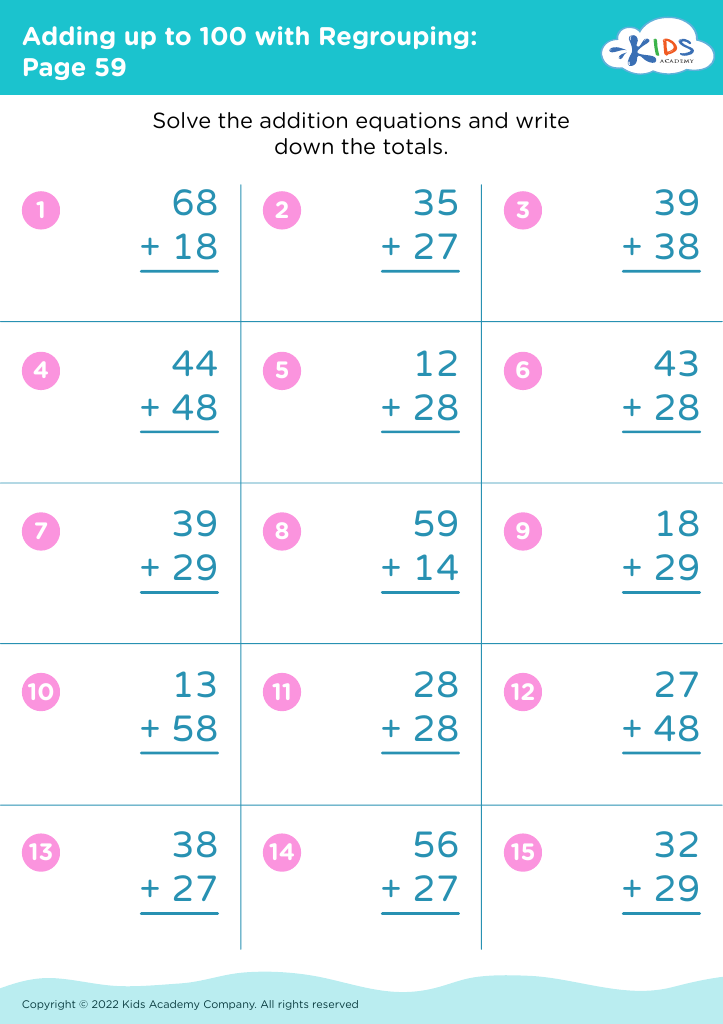
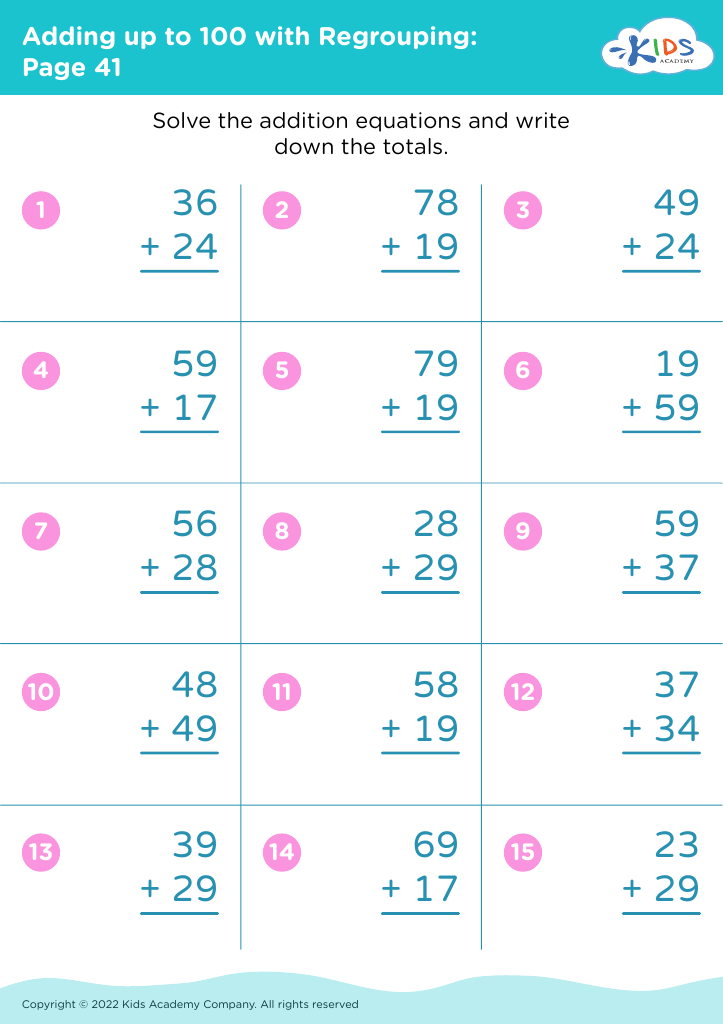
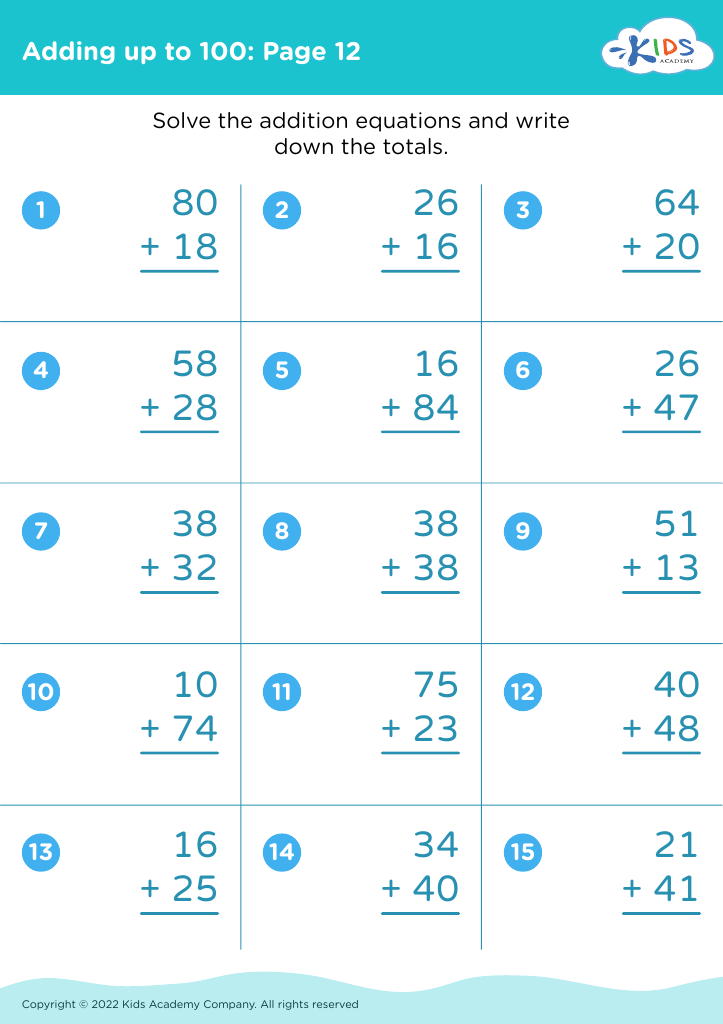
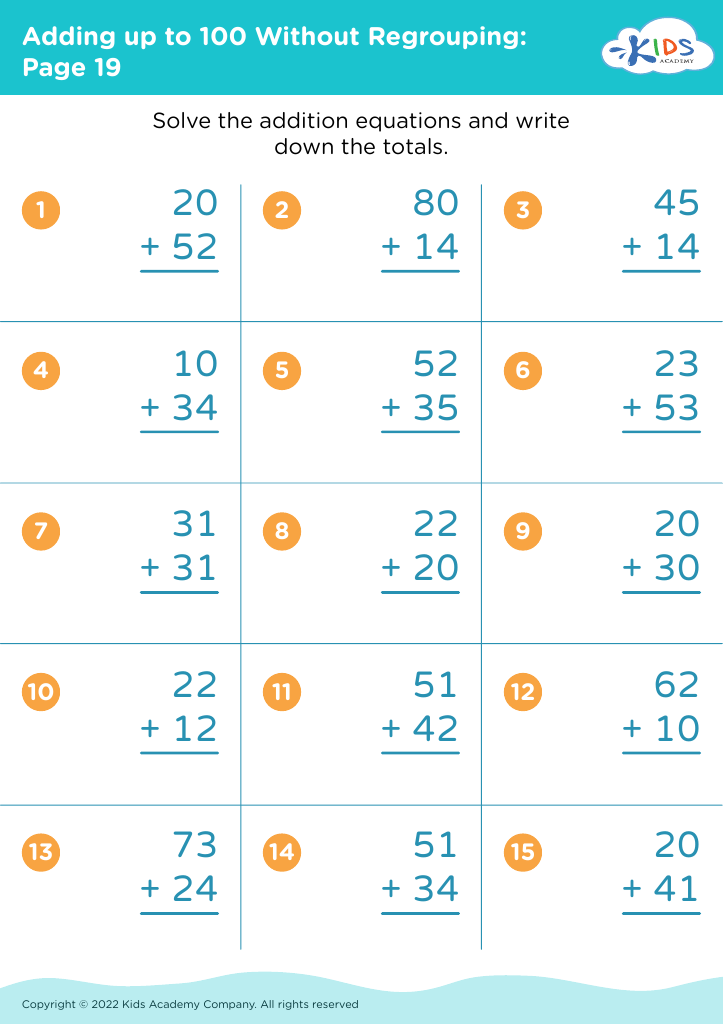
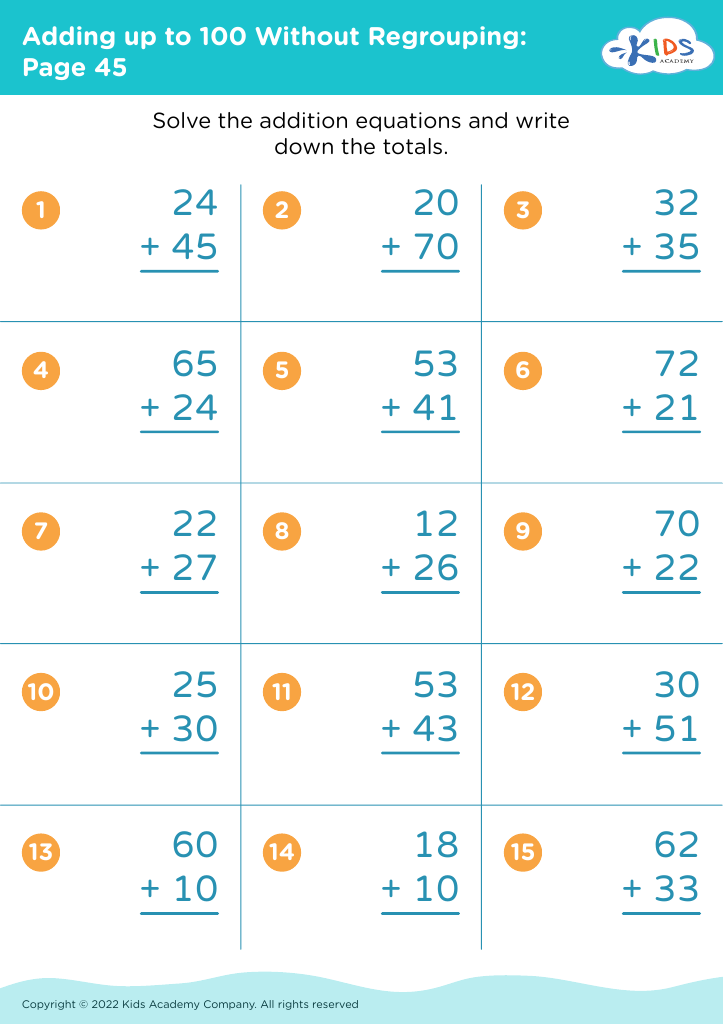
Welcome to our "Understanding Fractions Adding Up to 100" worksheets, designed specifically for children ages 5-8! These engaging materials will help young learners grasp the concept of fractions in a fun and interactive way. With easy-to-follow exercises, students will practice adding fractions that combine to make whole numbers, enhancing their mathematical skills while building confidence. Our worksheets promote critical thinking and problem-solving, ensuring that kids are well-prepared for future math challenges. Use these resources to make learning fractions an enjoyable experience, helping your child excel in math and gain a solid foundation for subsequent lessons!


%20(1).jpg)




Understanding fractions and their relationships, especially concepts like "adding up to 100," is crucial for young learners aged 5-8. At this age, children begin to develop foundational mathematical skills that will support their future learning in more complex topics. Grasping the concept of fractions helps children understand parts of a whole, enhancing their reasoning and problem-solving abilities.
For parents and teachers, fostering an understanding of fractions is essential for creating a strong mathematical framework. Mastering fractions can improve children's numerical literacy, making everyday activities, such as cooking or shopping, more meaningful and relevant. Additionally, this understanding supports their ability to work with percentages and ratios later on, skills vital in higher mathematics and real-life applications.
Furthermore, incorporating playful activities around fractions can enhance children's interest in math, making learning enjoyable and engaging. Collaborative games or visual aids can foster communication and social skills, as they work together to solve problems.
Ultimately, ensuring that young learners comprehend fractions contributes to building confidence in their mathematical abilities, paving the way for success in school and beyond. Encouraging a strong foundation in these concepts is a key responsibility of both parents and educators.








