



%20(1).jpg)



Fine motor skills are essential for children's overall development, particularly for ages 5 to 8, as they serve as the foundation for more complex tasks in their academic and daily lives. These skills, which involve the small muscles in the hands and fingers, are crucial for activities like writing, drawing, cutting with scissors, and manipulating small objects.
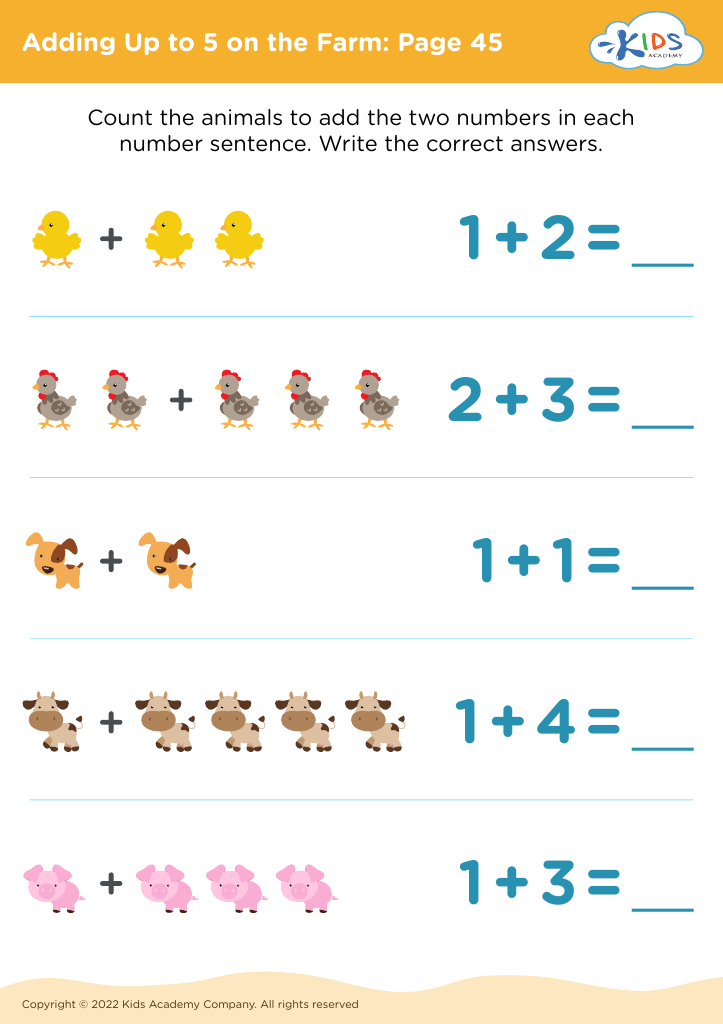
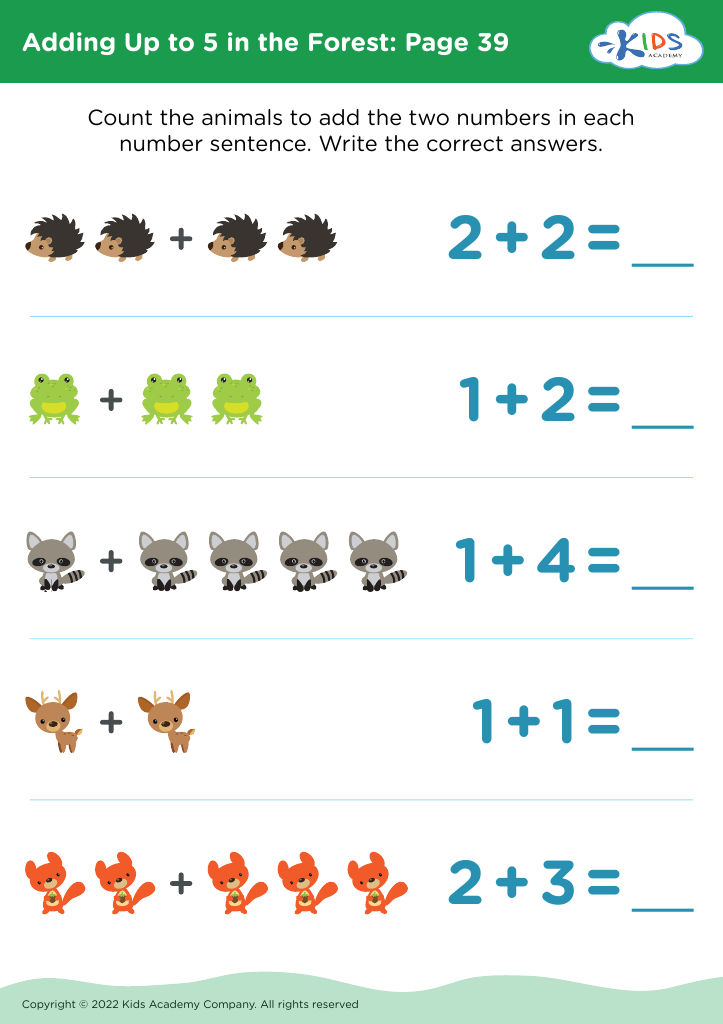
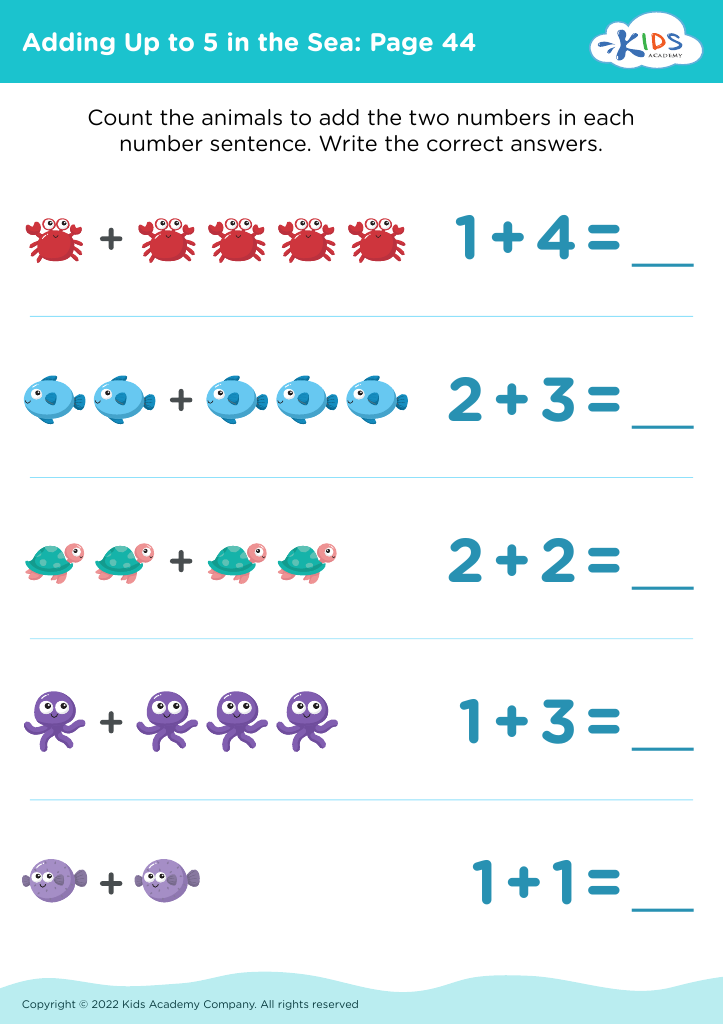
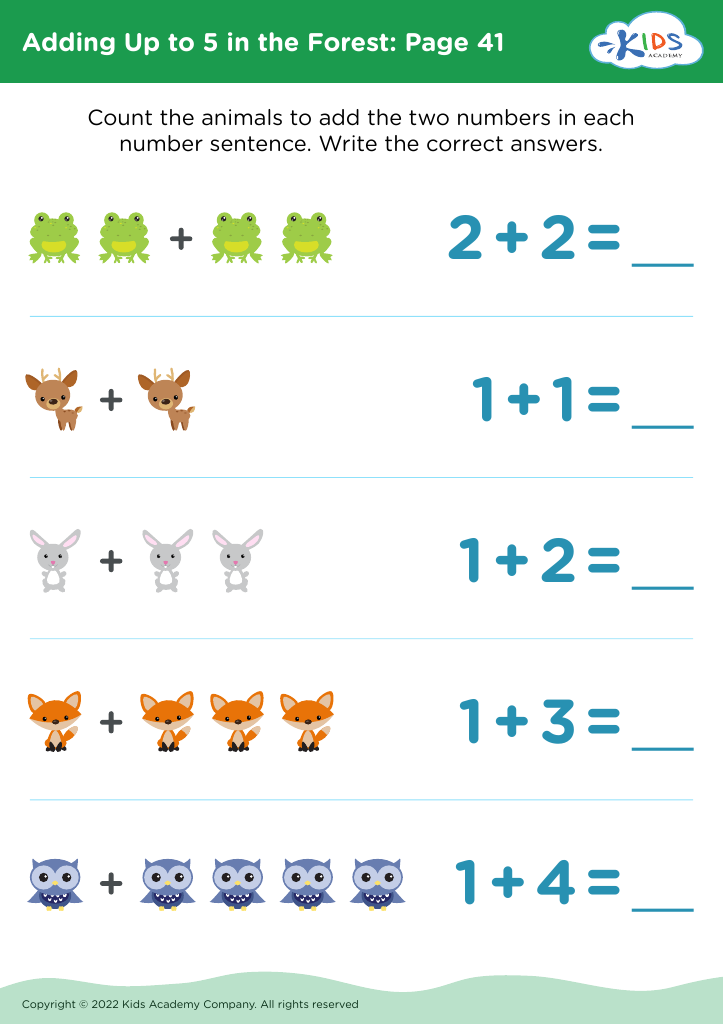
Developing fine motor skills and the ability to add numbers up to 5 is particularly significant during this age, as it not only boosts children's mathematical abilities but also enhances their coordination and control. When children practice these skills, they build confidence in their capacity to work with numbers and letters, laying the groundwork for future learning in both math and literacy.
Moreover, when parents and teachers focus on these skills, they create a supportive environment that fosters resilience and promotes a love for learning. Engaging children in activities that encourage the fine motor development, such as arts and crafts, puzzles, and interactive games, can provide them with important cognitive and physical benefits. As a result, caring about fine motor skills facilitates academic success and personal growth in young learners, making it a vital area of focus for families and educators alike.








