Critical Thinking Addition and Subtraction Word Problems Worksheets for Ages 5-8
5 filtered results
-
From - To
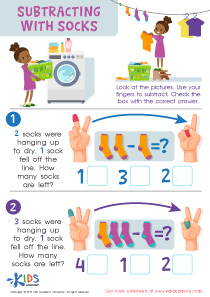
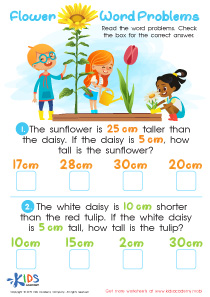
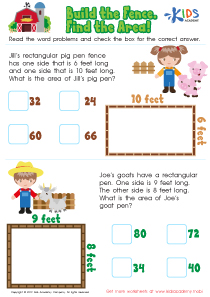
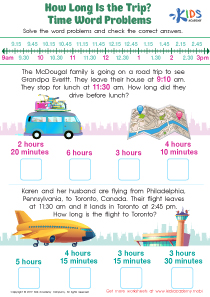
Our "Critical Thinking Addition and Subtraction Word Problems Worksheets for Ages 5-8" are designed to develop essential math skills in a fun, engaging way. Tailored for young learners, these worksheets challenge students to solve addition and subtraction problems while enhancing their critical thinking abilities. Each worksheet presents real-world scenarios that require thoughtful analysis and problem-solving, helping children understand the practical applications of math. Perfect for classroom or at-home learning, our expertly crafted worksheets foster confidence and proficiency in basic arithmetic, setting a strong foundation for future educational success. Download today and inspire a love of math in your child!
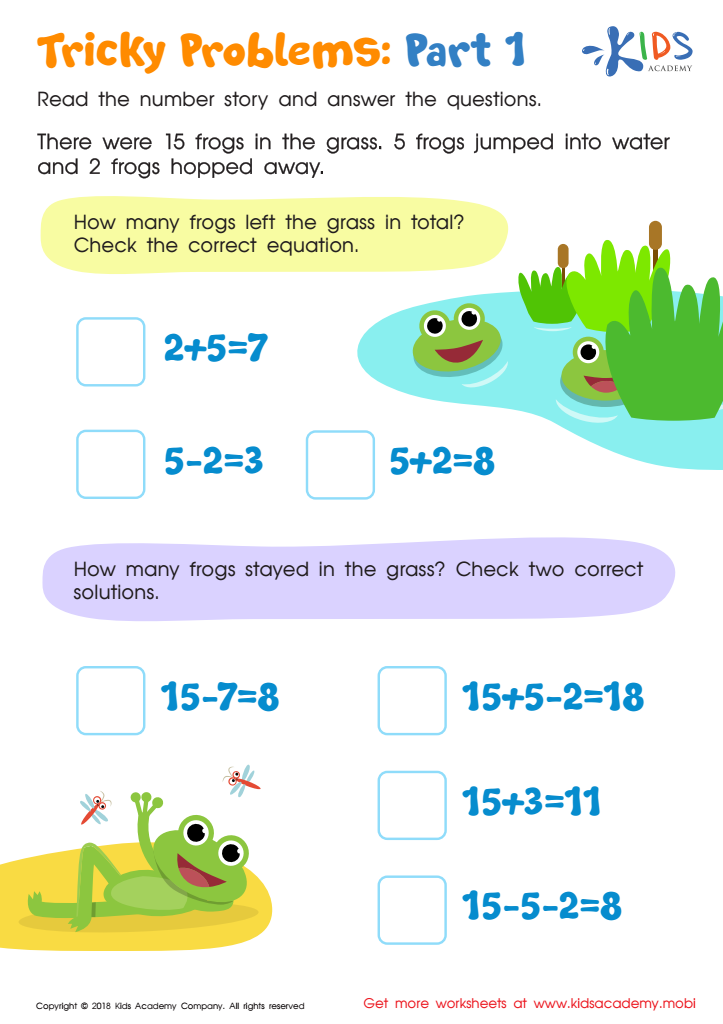
Tricky Problems Worksheet: Part 1
 Assign to My Students
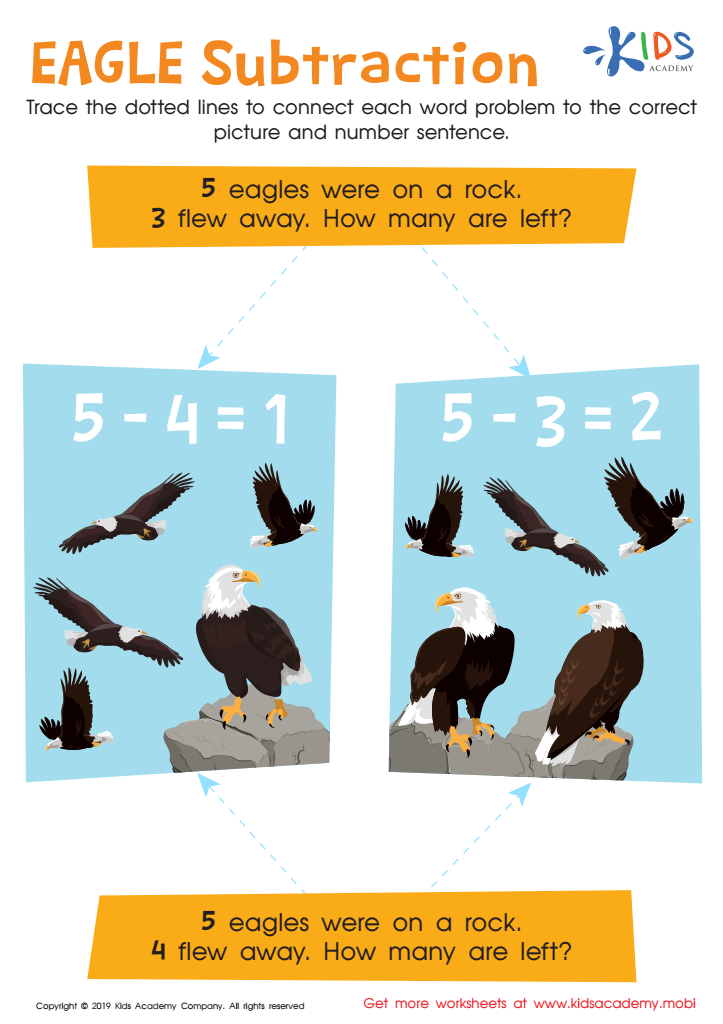
Eagle Subtraction Worksheet
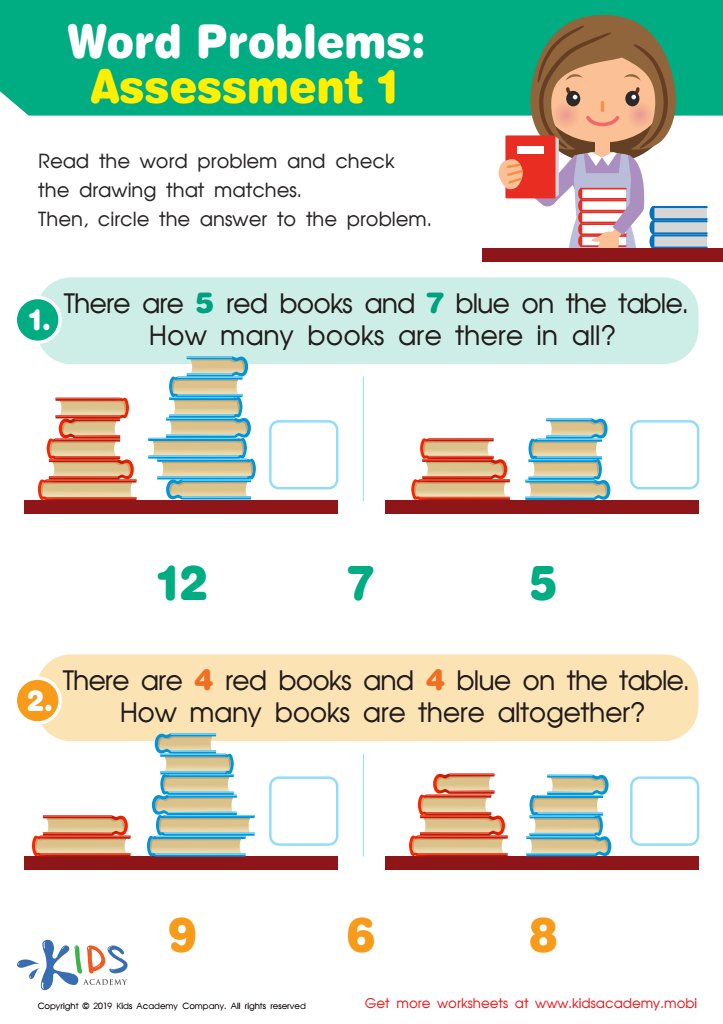
Word Problems: Assessment 1 Worksheet
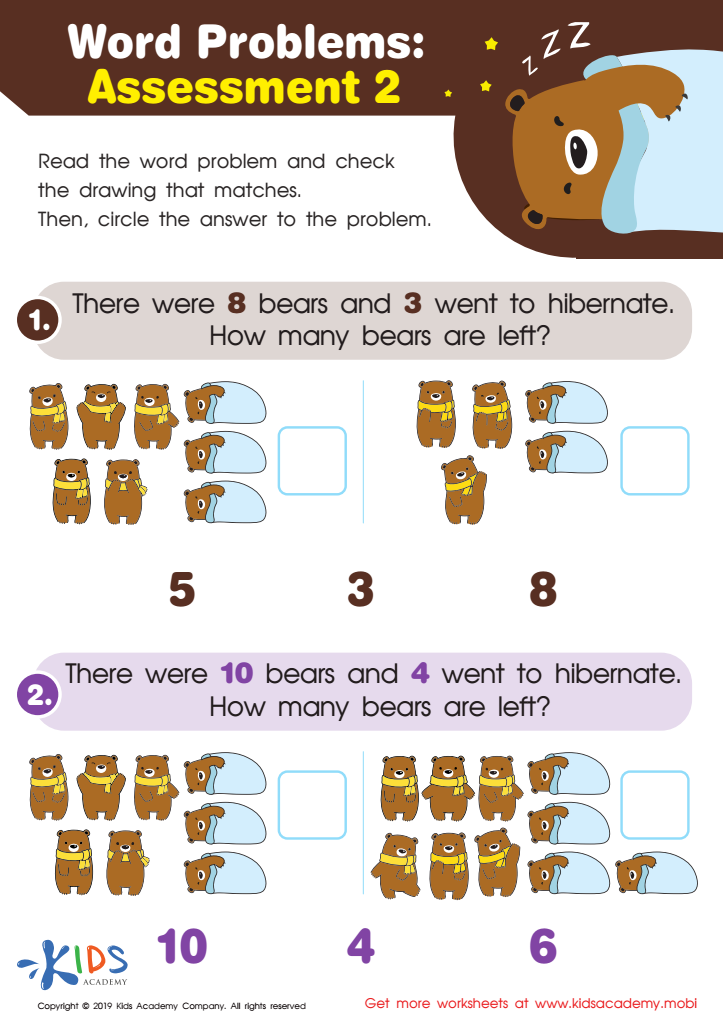
Word Problems: Assessment 2 Worksheet
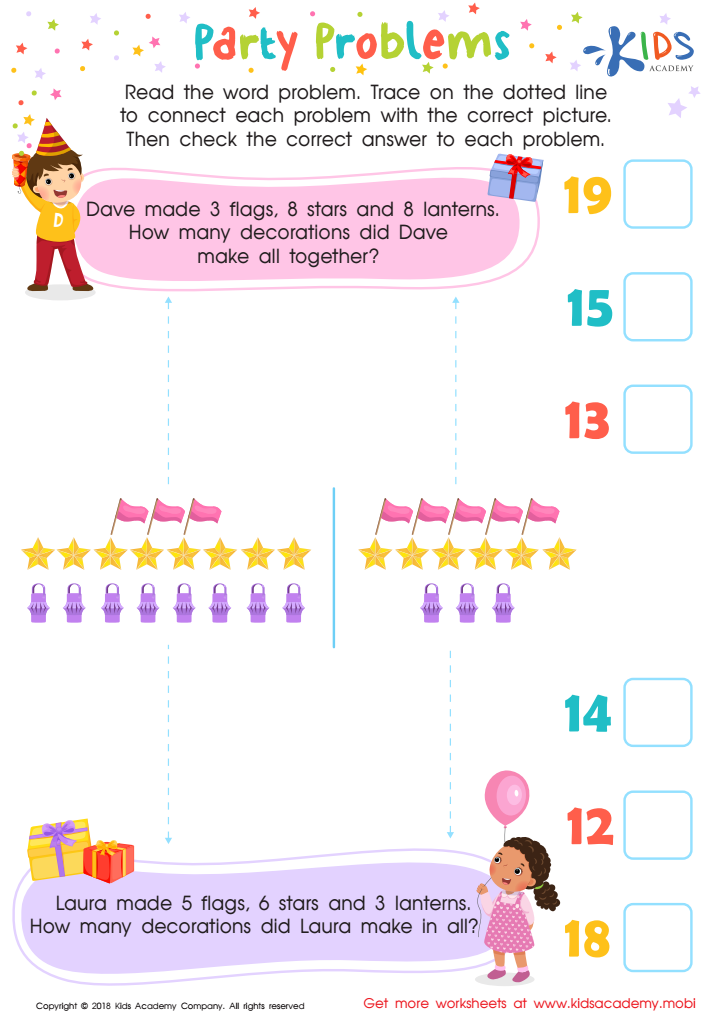
Party Problems Worksheet








Critical Thinking Addition and Subtraction Word Problems for ages 5-8 are vitally important because they lay the foundational groundwork for a child's cognitive development and problem-solving skills. At this early stage, children are naturally curious and open to learning new concepts. When parents and teachers engage young learners with word problems, they help them understand the practical applications of basic mathematics. This encourages kids to differentiate between rote memorization and applying knowledge to real-world situations.
Critical thinking word problems promote higher-order thinking as children must evaluate the question, determine relevant information, and choose appropriate strategies to find the solution. This practice helps improve their analytical skills, boosts comprehension, and develops patience and persistence. Furthermore, such problems stimulate neural pathways that are crucial for more complex areas of study as they grow older.
Moreover, working through word problems can build confidence in young learners. When they successfully solve problems, they feel a sense of accomplishment, which can motivate them to tackle future challenges with enthusiasm. Lastly, engaging with these problems at an early age fosters a positive relationship with mathematics, which is essential since a good foundation in math is linked to success in many other academic fields and everyday life skills. Thus, parents and teachers should indeed prioritize incorporating critical thinking word problems into children's learning routines.