Addition of fractions Addition & Subtraction Worksheets for Ages 5-8
3 filtered results
-
From - To
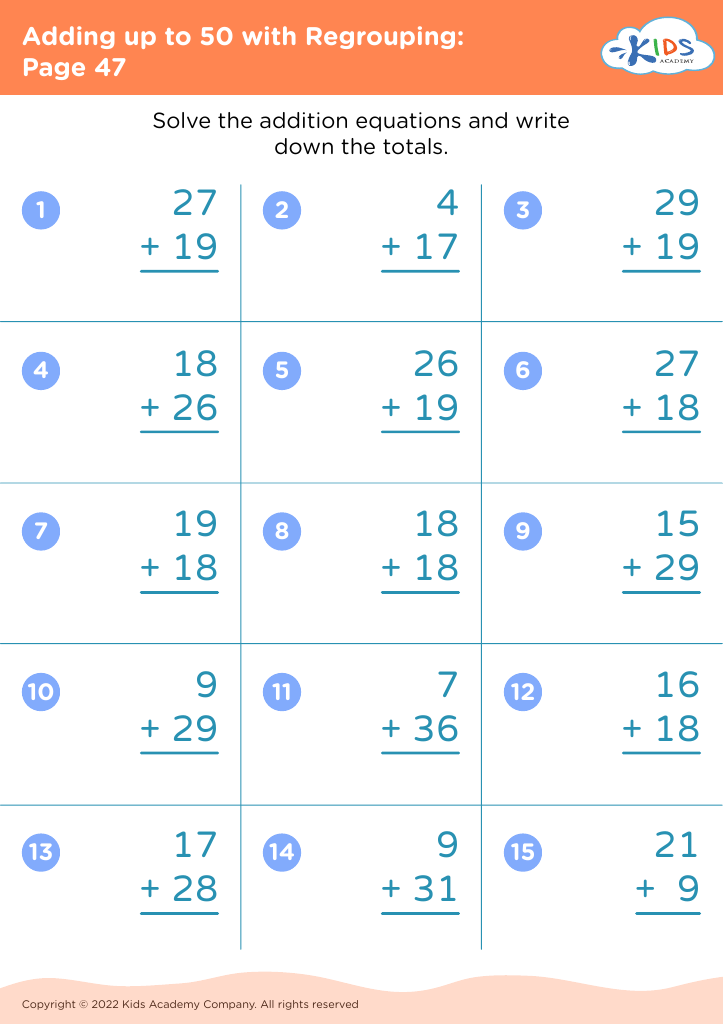
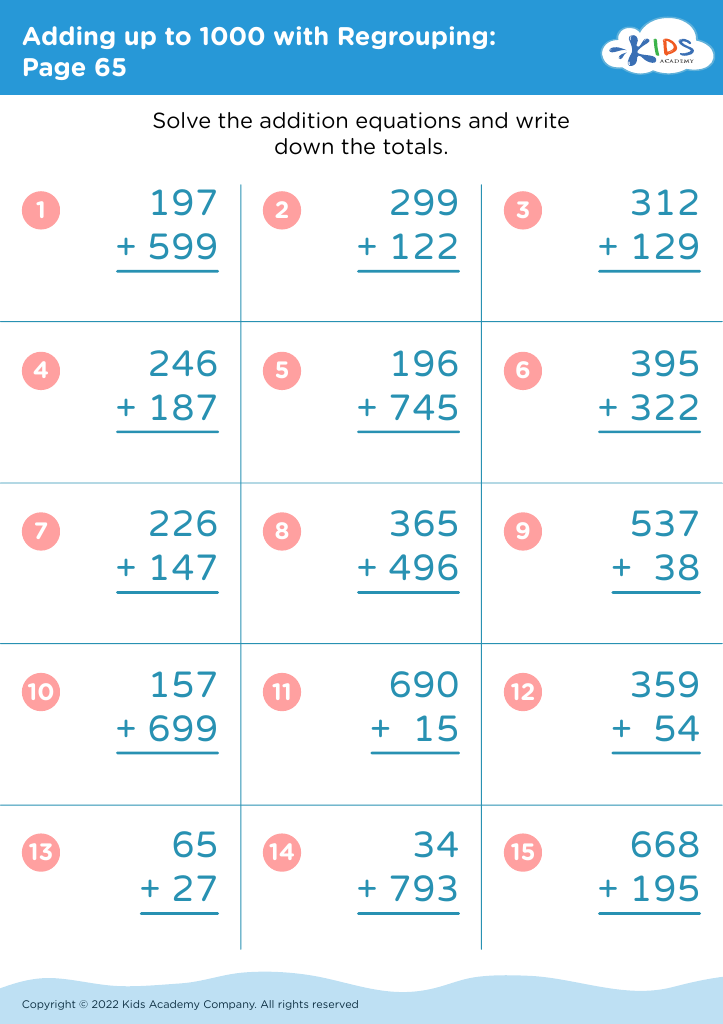
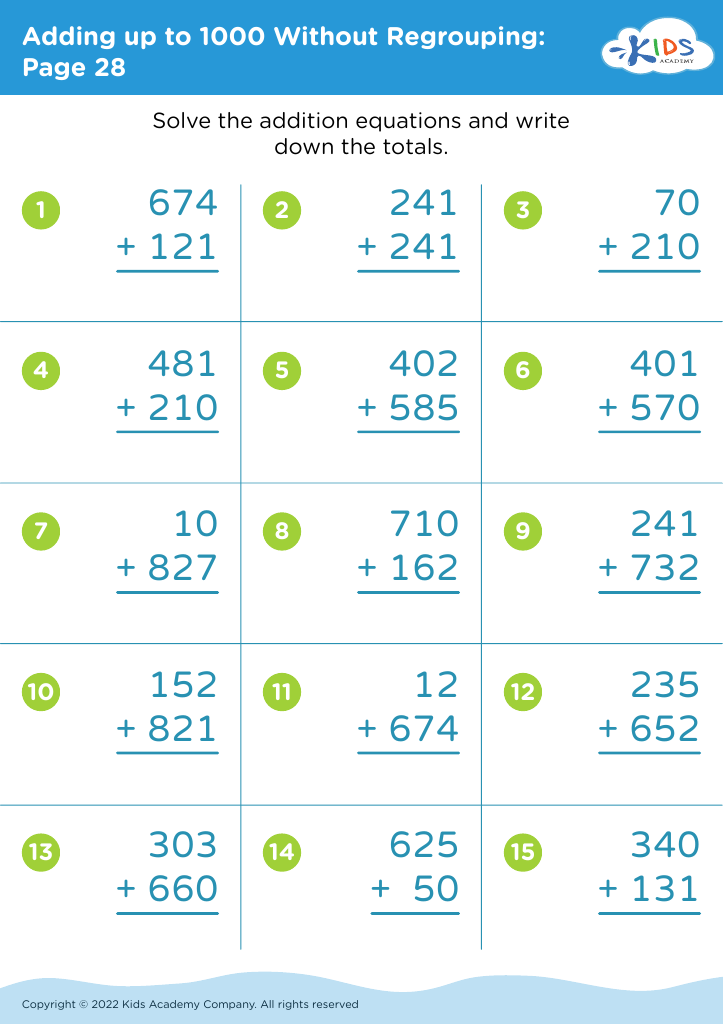
Boost your child's math skills with our "Addition of Fractions Addition & Subtraction Worksheets" designed for kids ages 5-8. This comprehensive collection provides engaging practice to help young learners grasp the fundamentals of adding and subtracting fractions. Featuring fun illustrations and varied difficulty levels, these worksheets make learning enjoyable and effective. Ideal for classroom or home use, each worksheet offers clear, step-by-step instructions to build confidence and proficiency in fraction operations. Empower your child with essential math skills and set the foundation for future success. Discover these exceptional educational resources at Kids Academy today!








Teaching addition and subtraction of fractions to children aged 5-8 is immensely valuable. At this developmental stage, young minds are uniquely receptive to foundational mathematical concepts. Understanding fractions is crucial as they form the basis for more advanced math topics, including algebra and geometry, that students will encounter later in their education.
Fractions illustrate parts of a whole, a concept that applies to many real-life situations. By mastering fractional addition and subtraction early, children gain practical skills, such as understanding measures in cooking or grasping parts of a budget, which are integral to daily life.
Learning these concepts also enhances cognitive development. It introduces children to the idea of breaking down problems into smaller, more manageable parts and then reassembling those parts – a key problem-solving skill. Furthermore, the handling of fractions encourages logical thinking and precision.
Additionally, success in these areas can build confidence and foster a positive attitude toward mathematics. By ensuring that children understand fractions early, parents and teachers set them up for academic success, helping them avoid difficulties with math in later years. A strong grasp on early mathematical concepts, such as fractions, builds a solid foundation for all subsequent learning and academic endeavors.








