Addition skills Addition & Subtraction Worksheets for Ages 5-8 - Page 5
128 filtered results
-
From - To
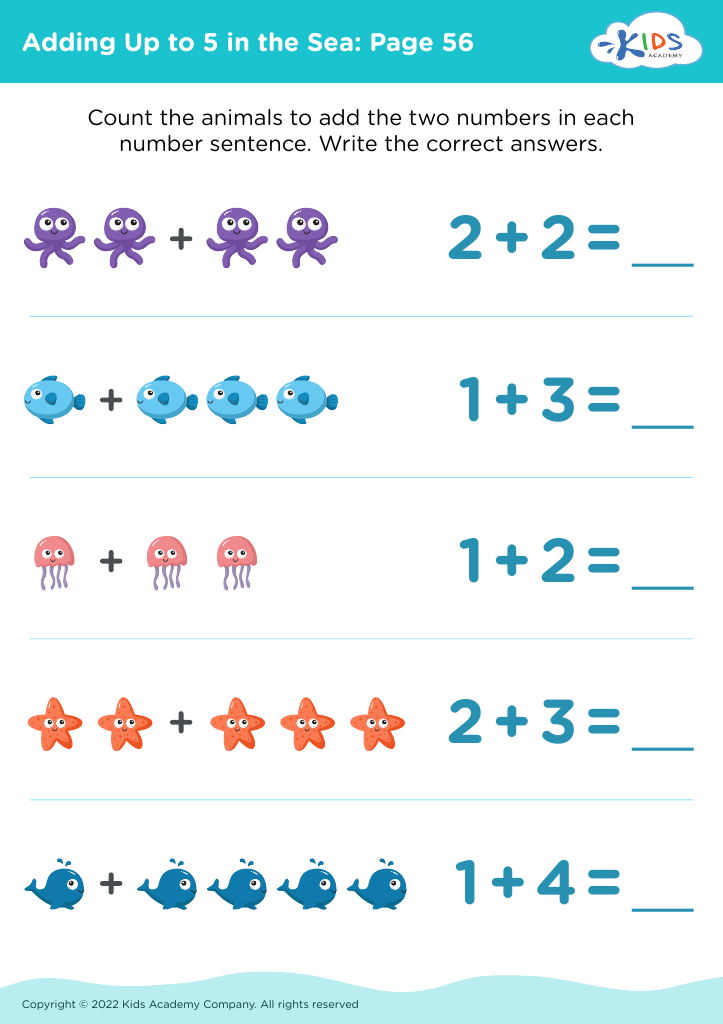
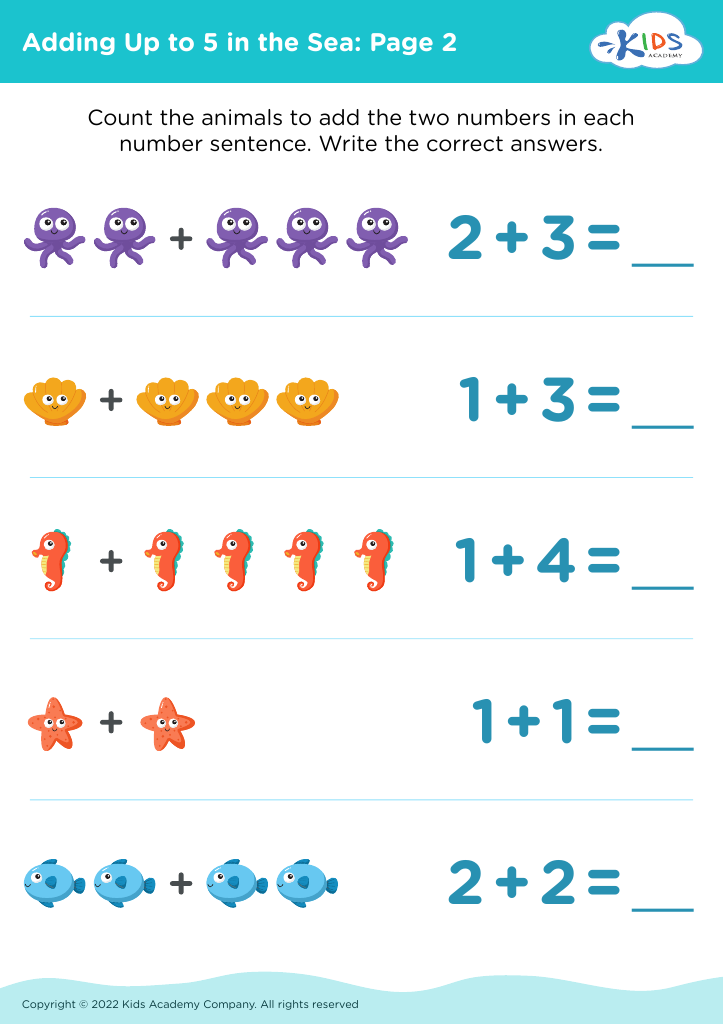
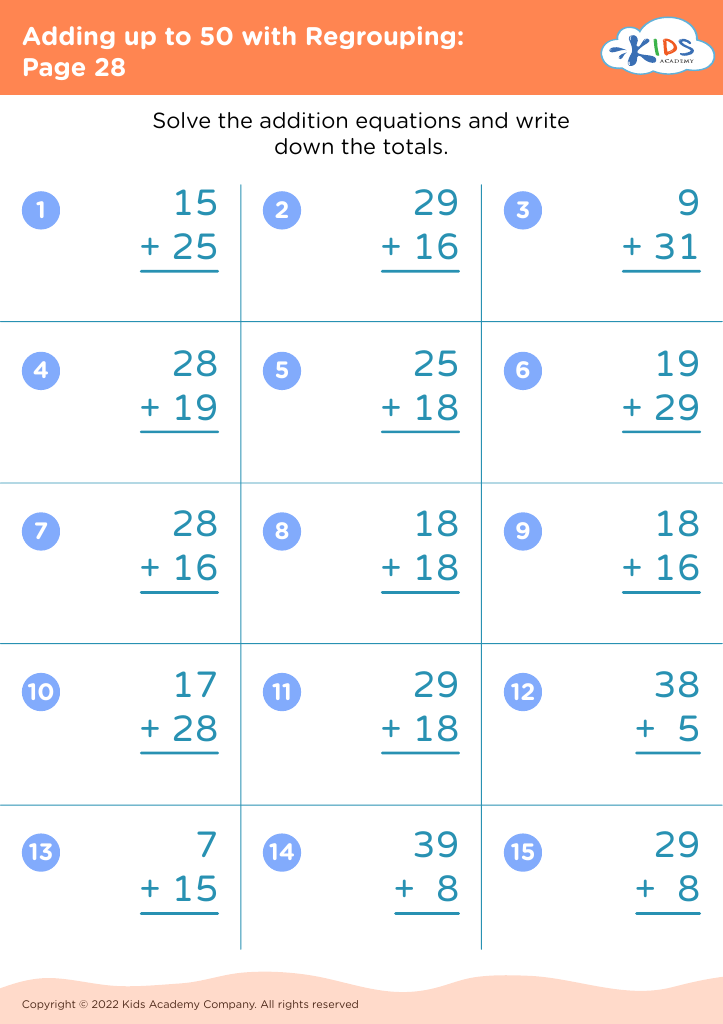
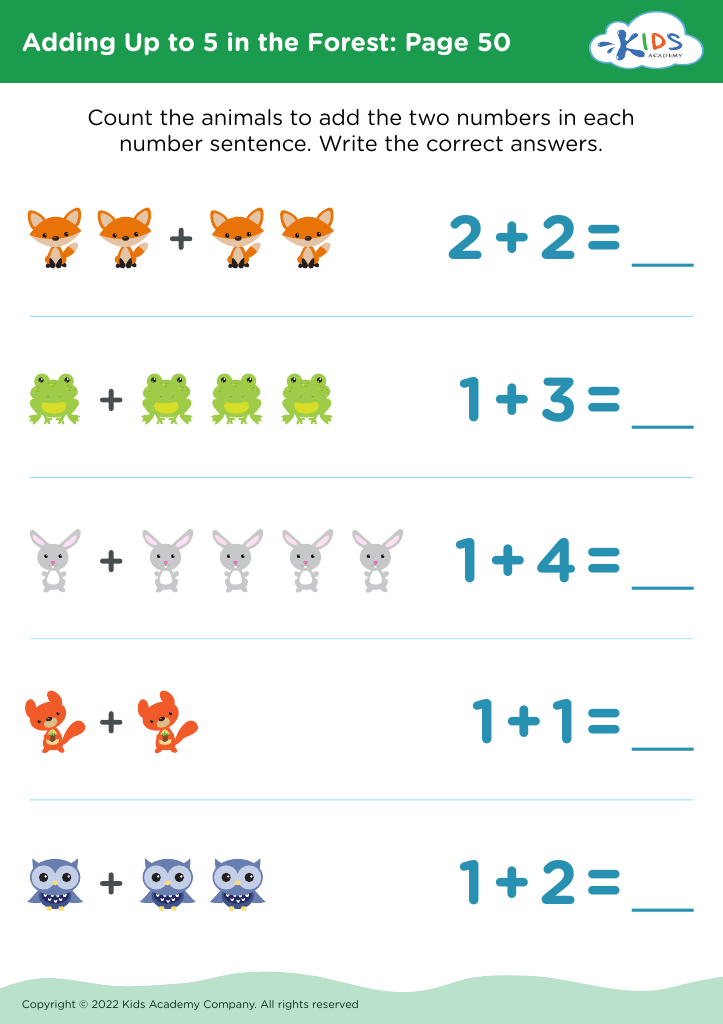
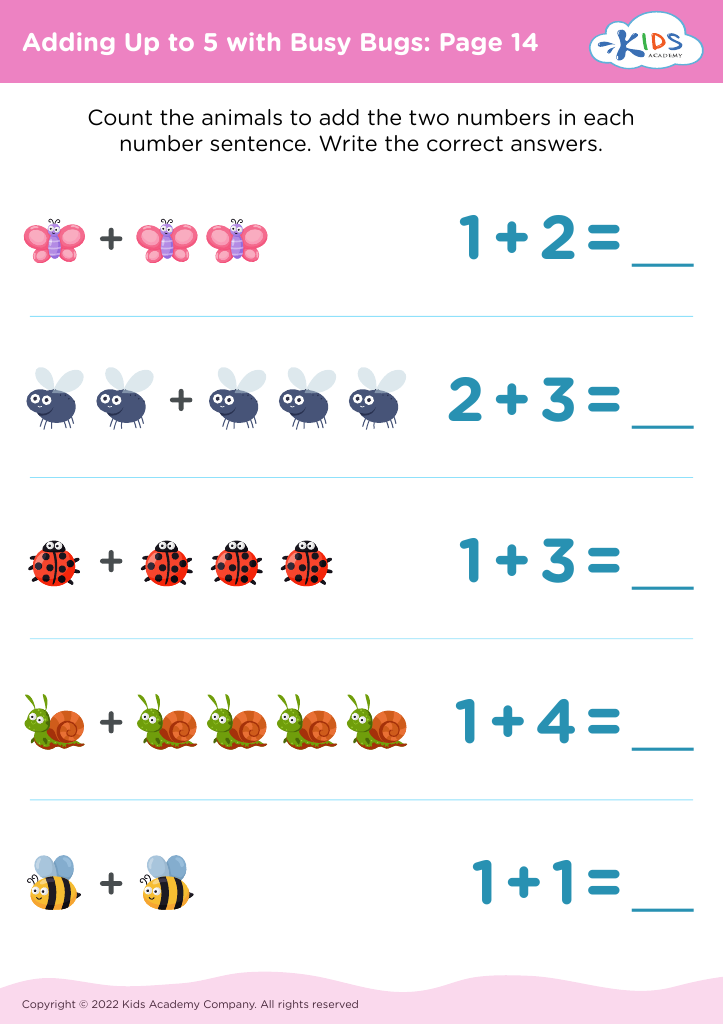
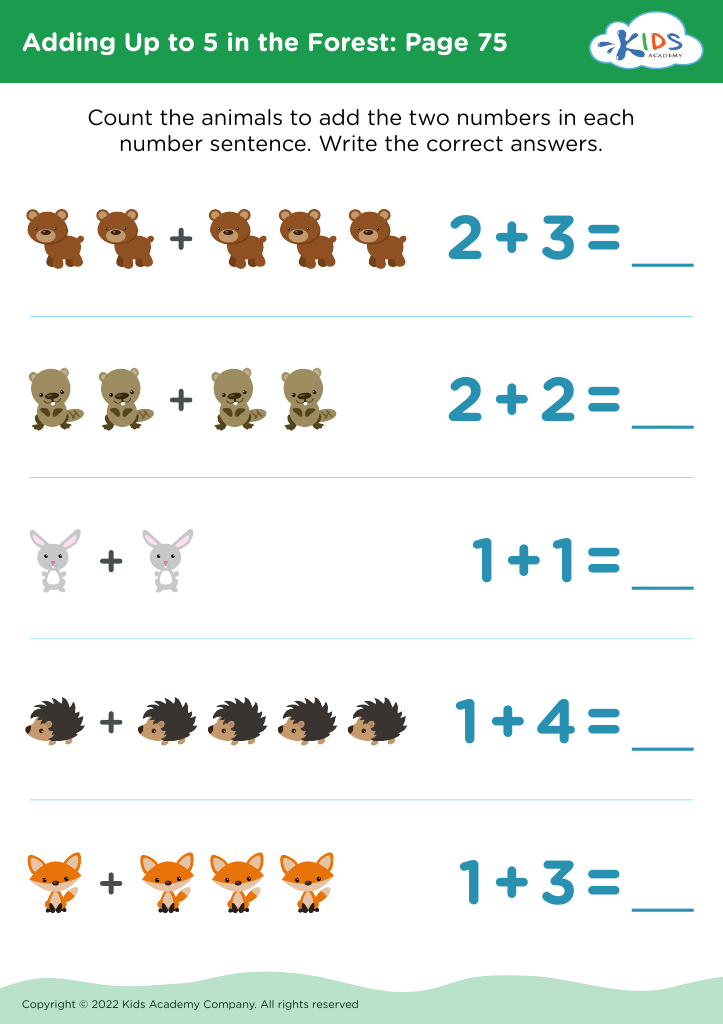
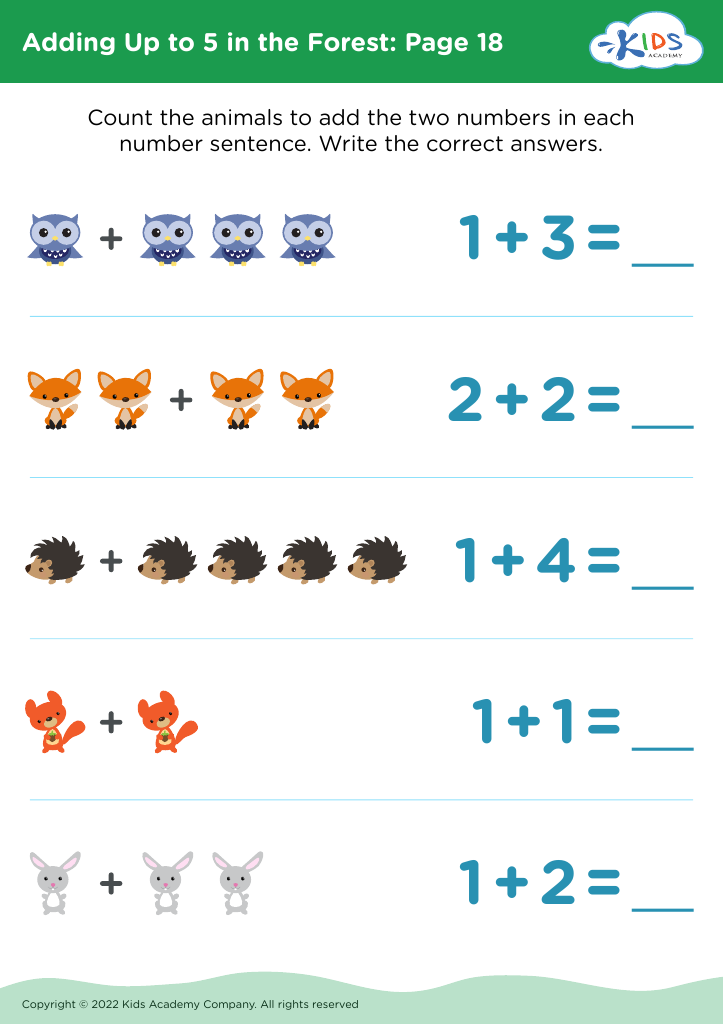
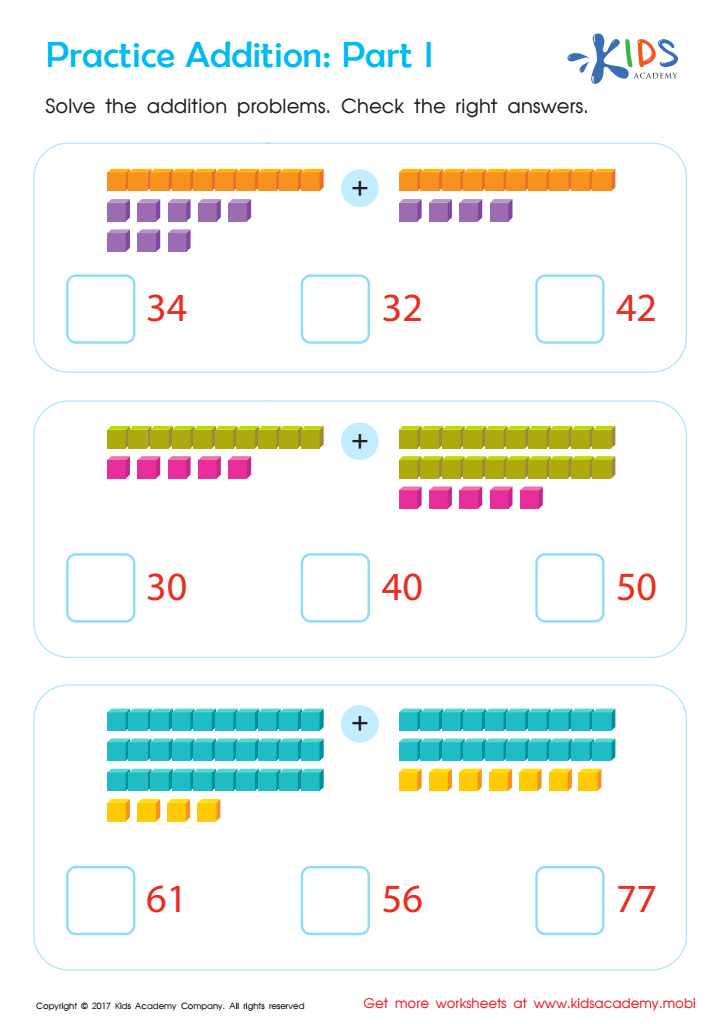
Practice Addition: Part 1 Worksheet
 Assign to My Students
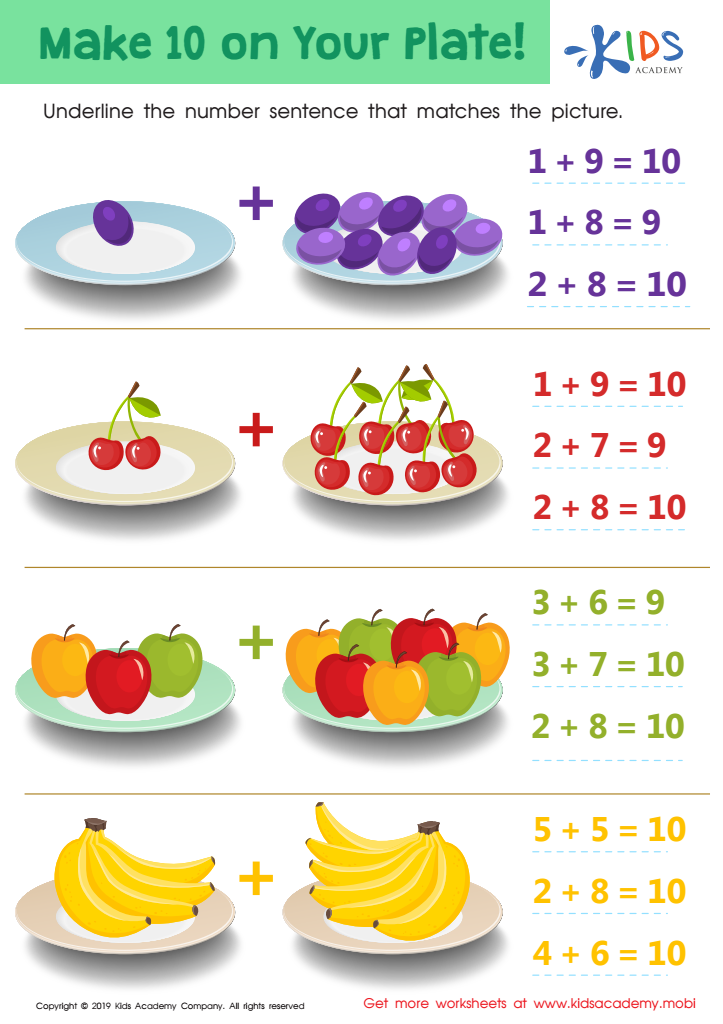
Make 10 on Your Plate! Worksheet
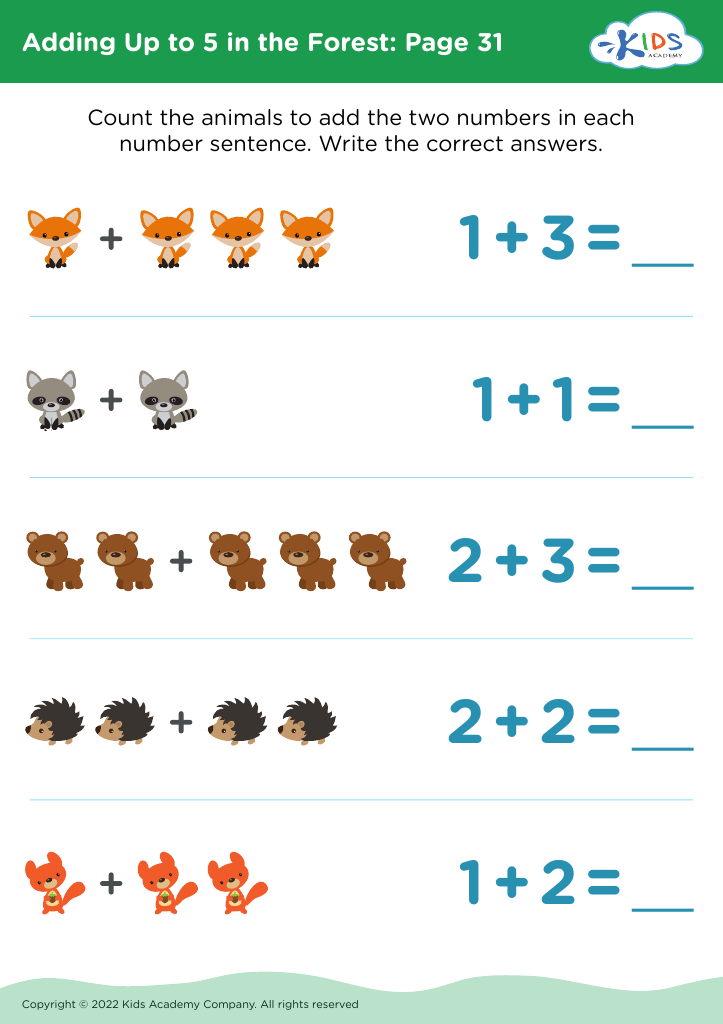
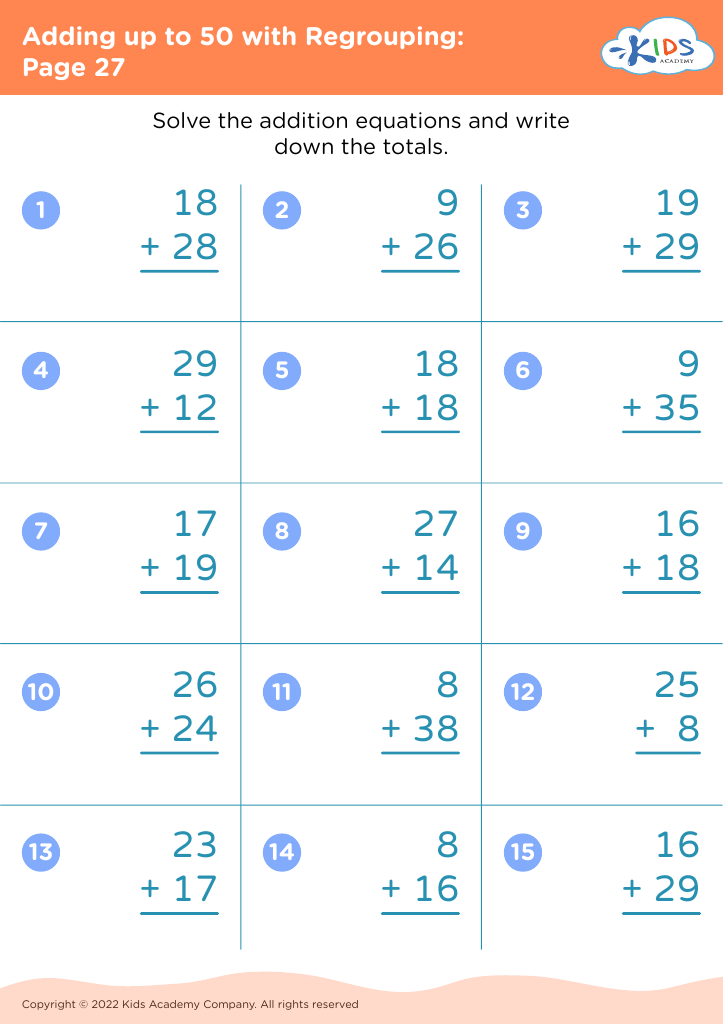
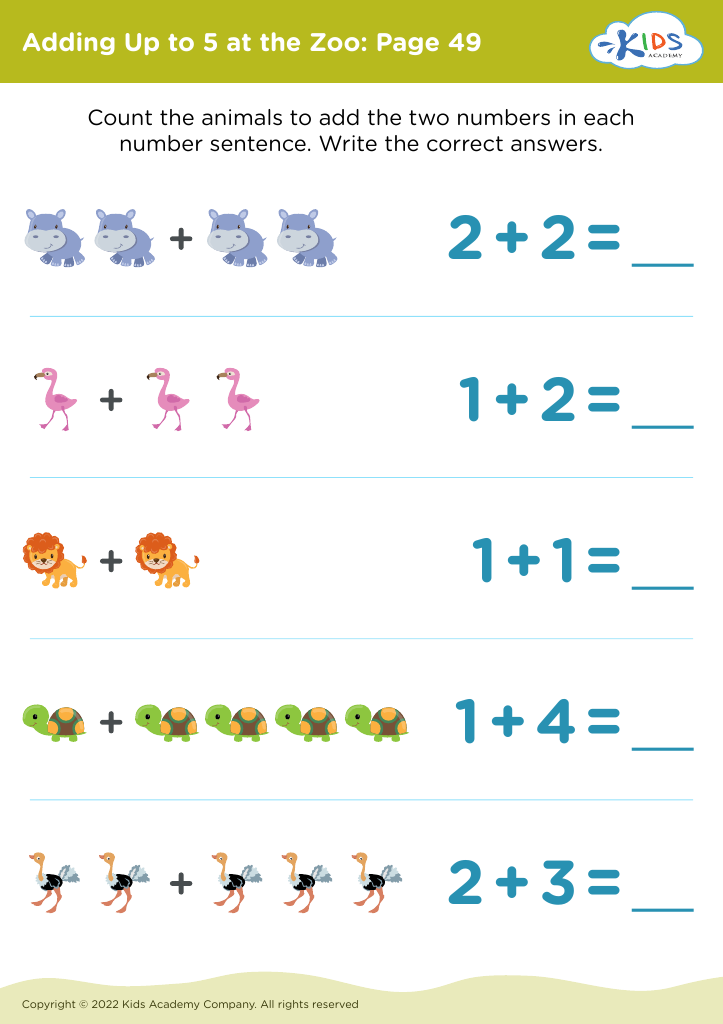
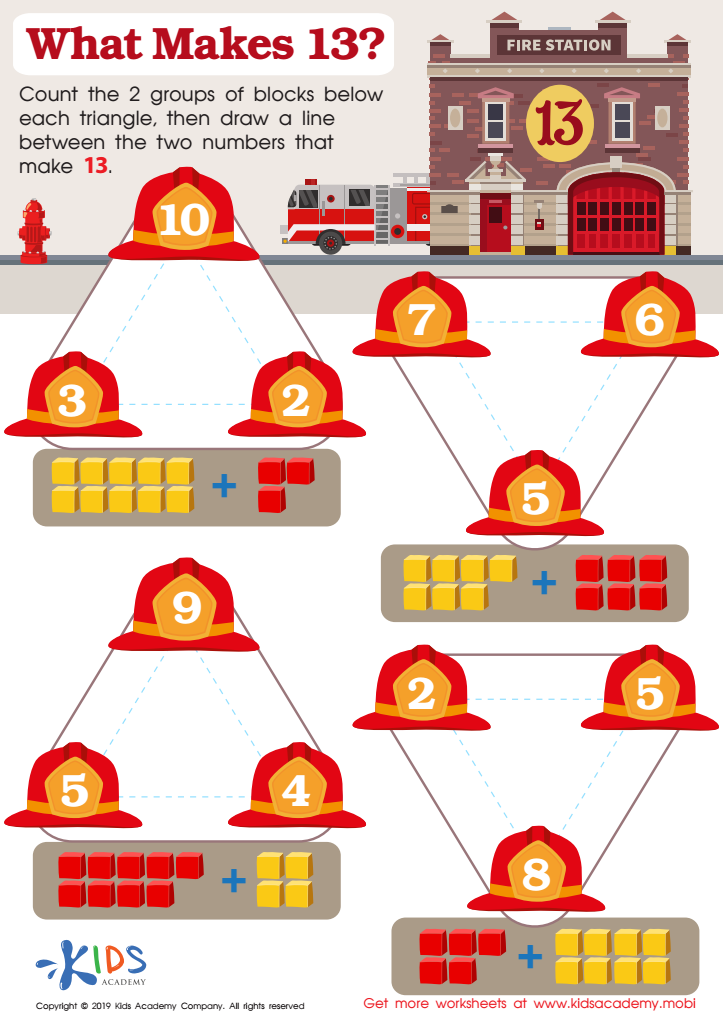
What Makes 13 Worksheet
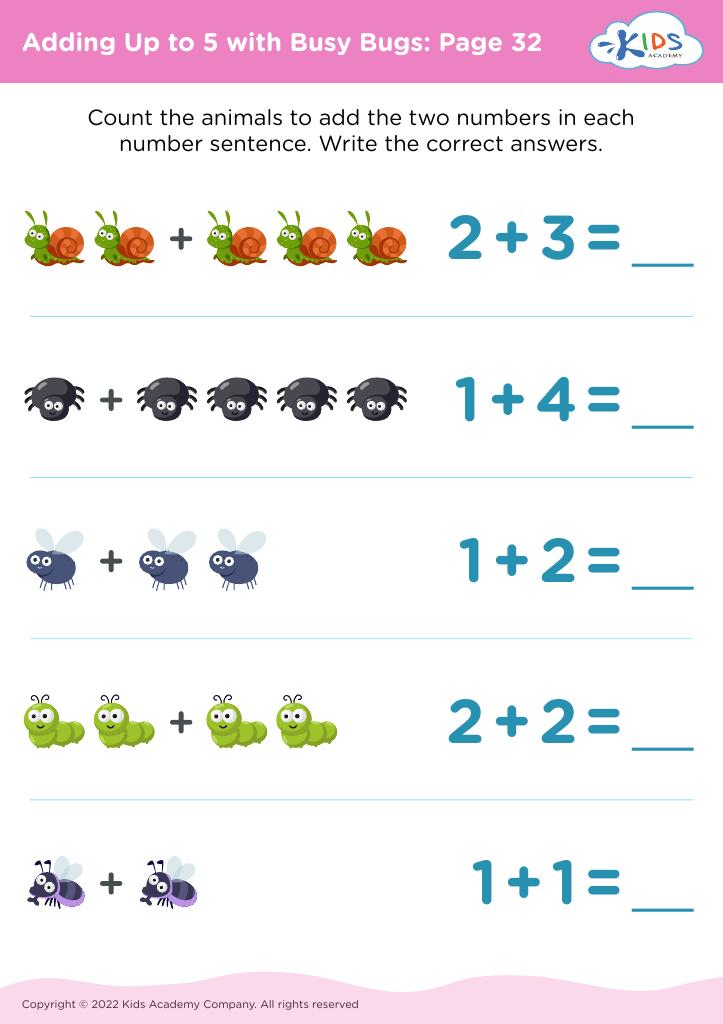
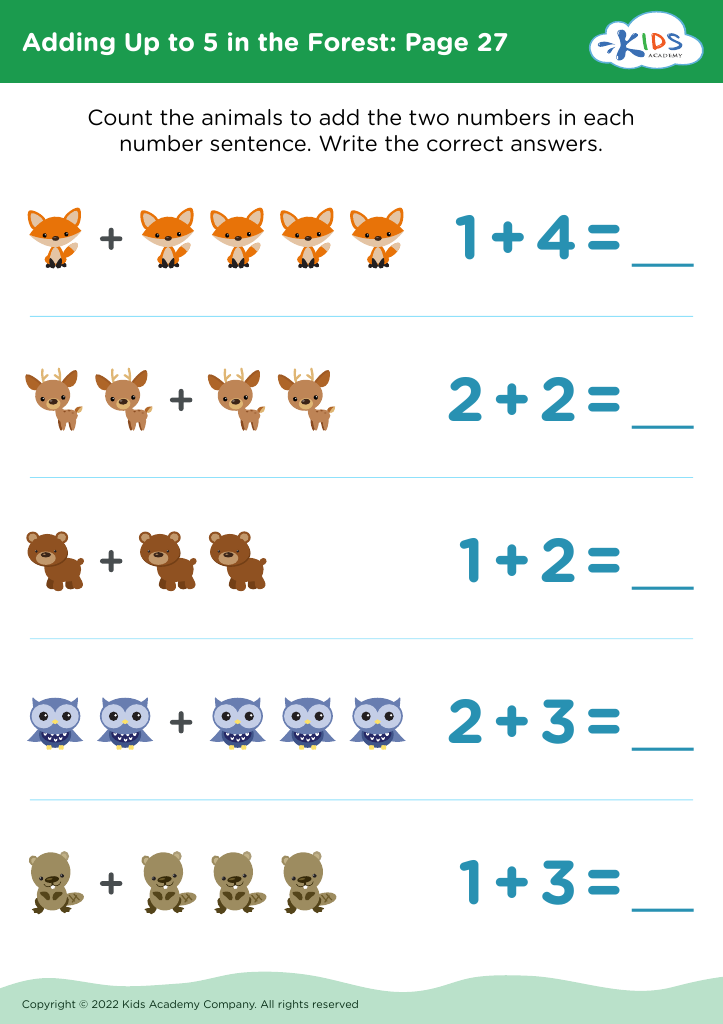
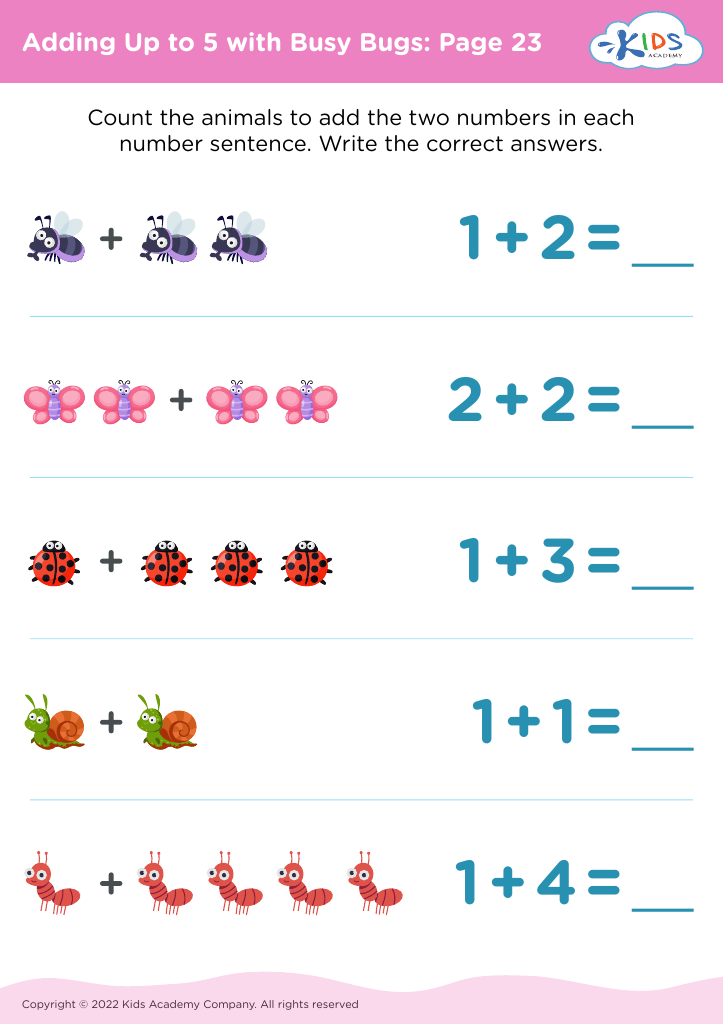
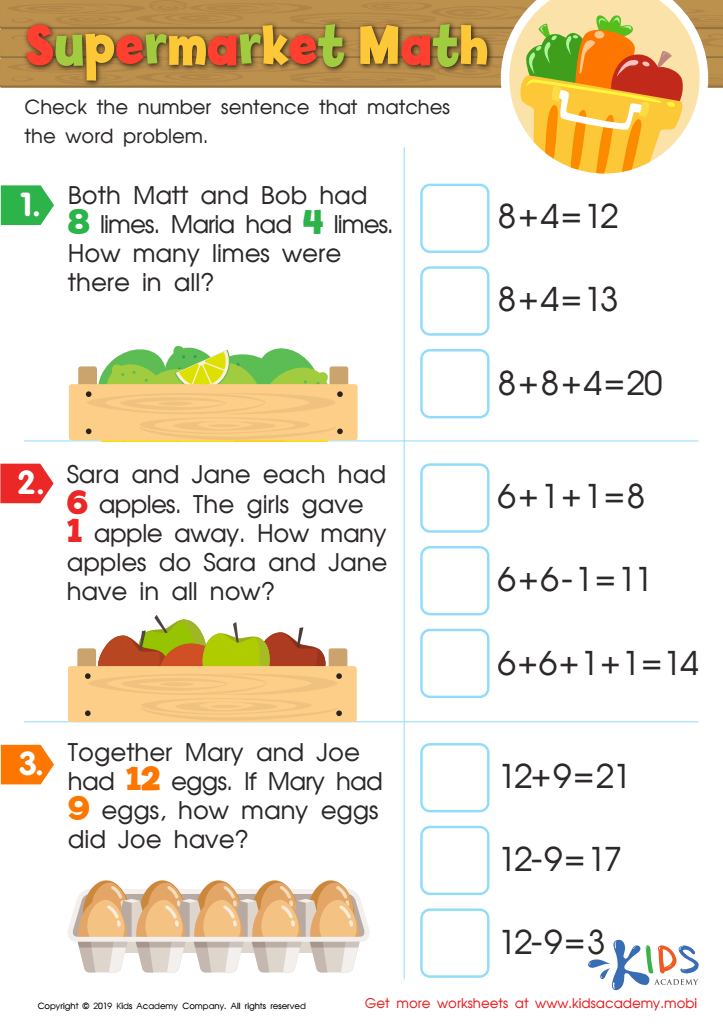
Supermarket Math Worksheet
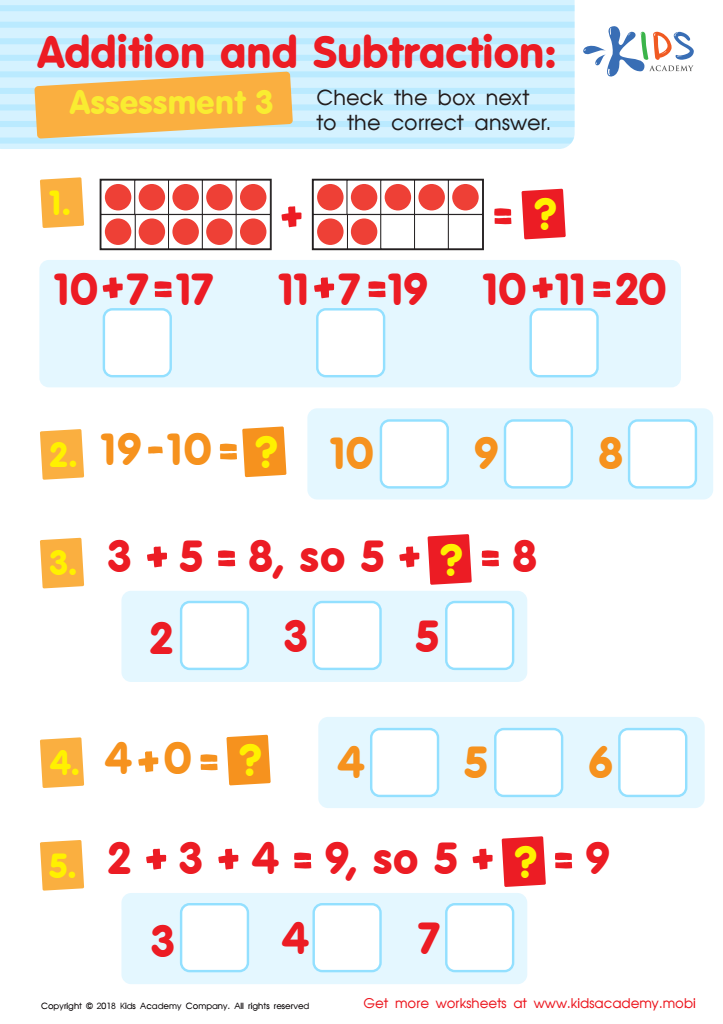
Addition and Subtraction Assessment 3 Worksheet
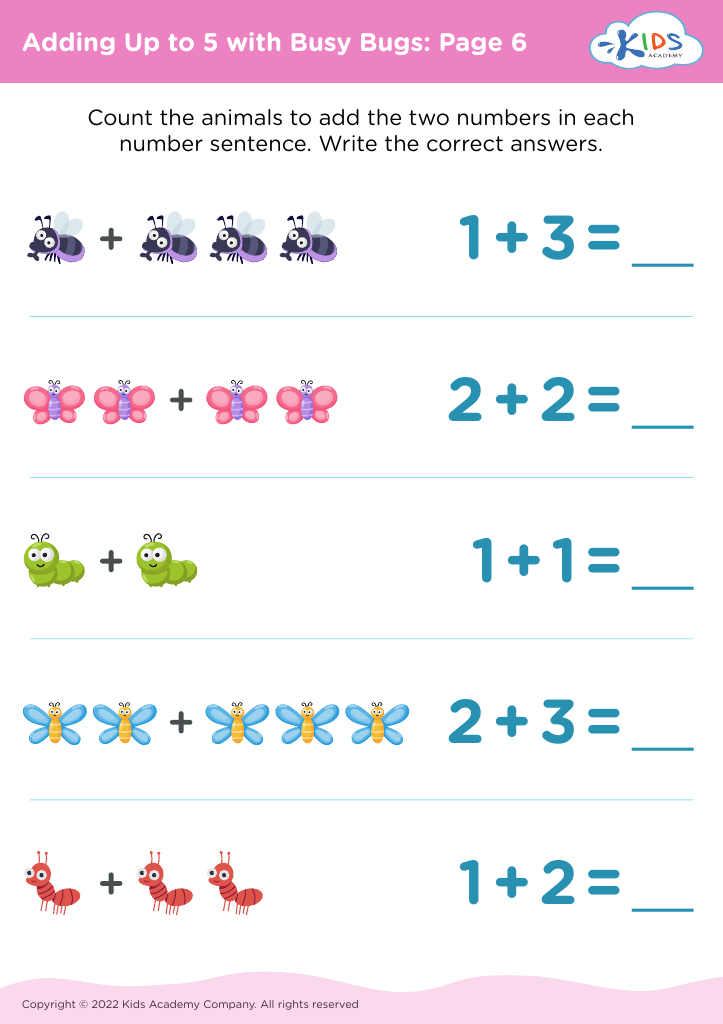
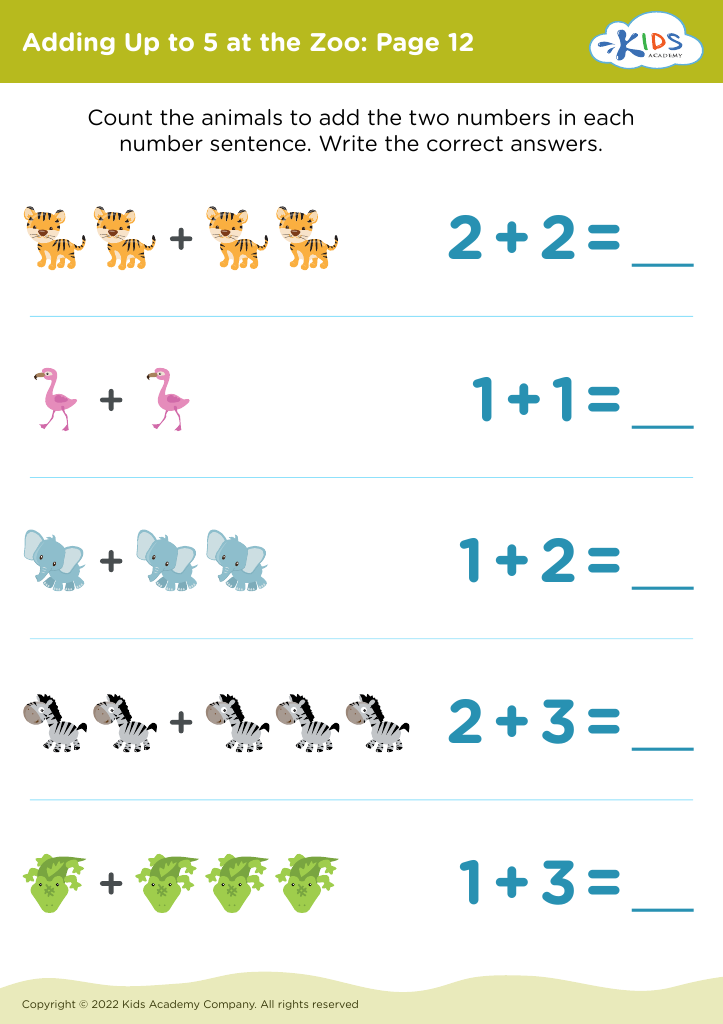
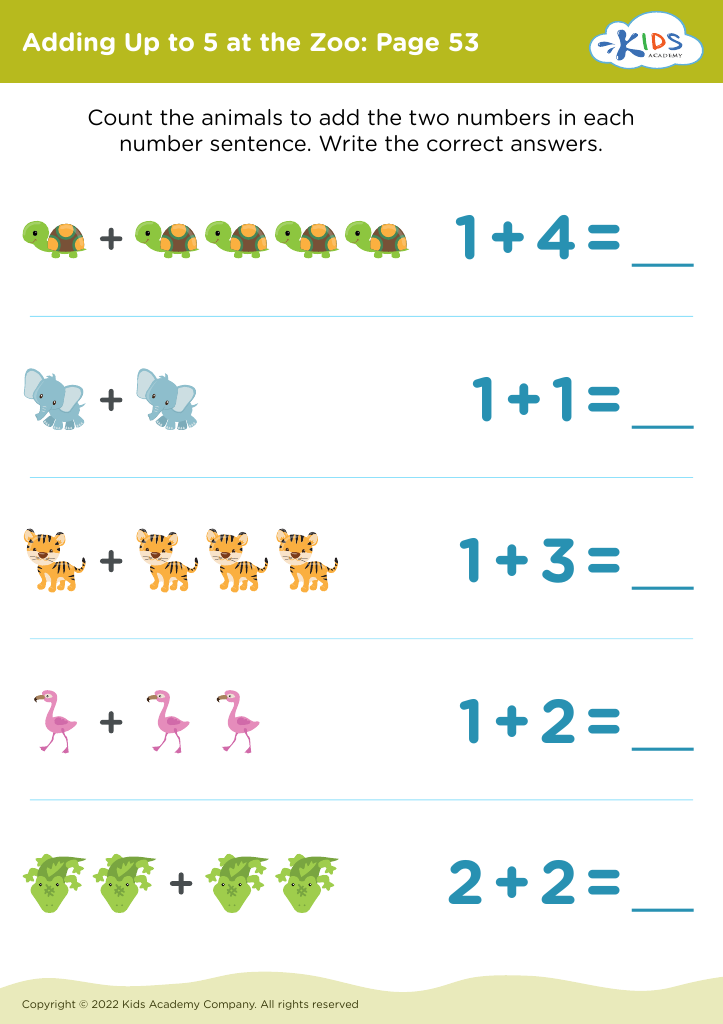
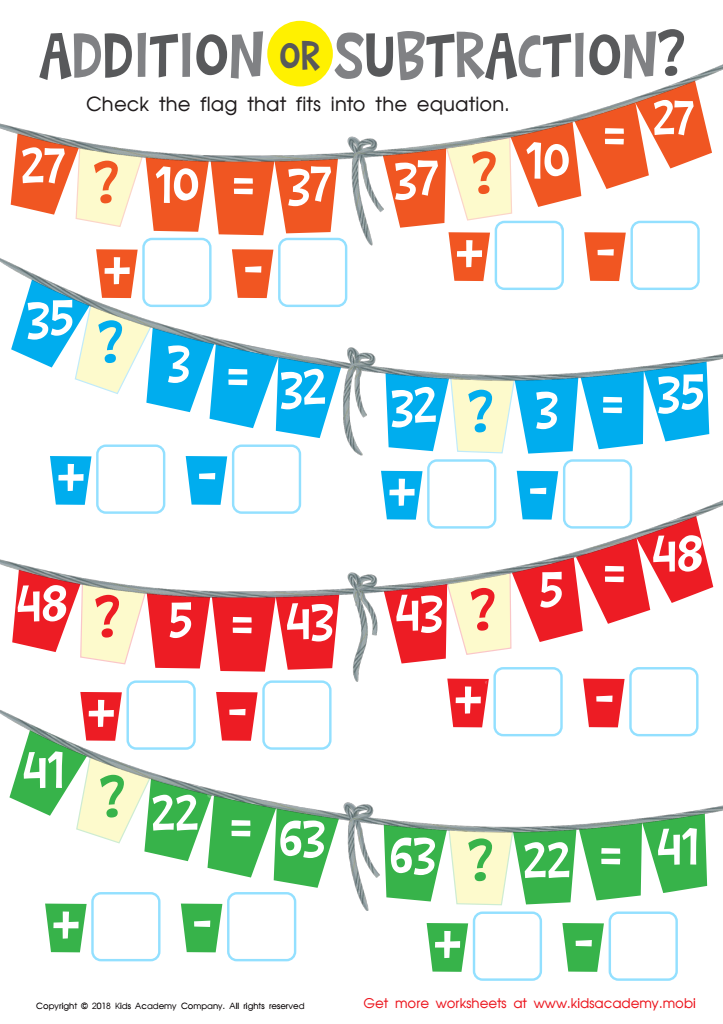
Addition or Subtraction? Worksheet
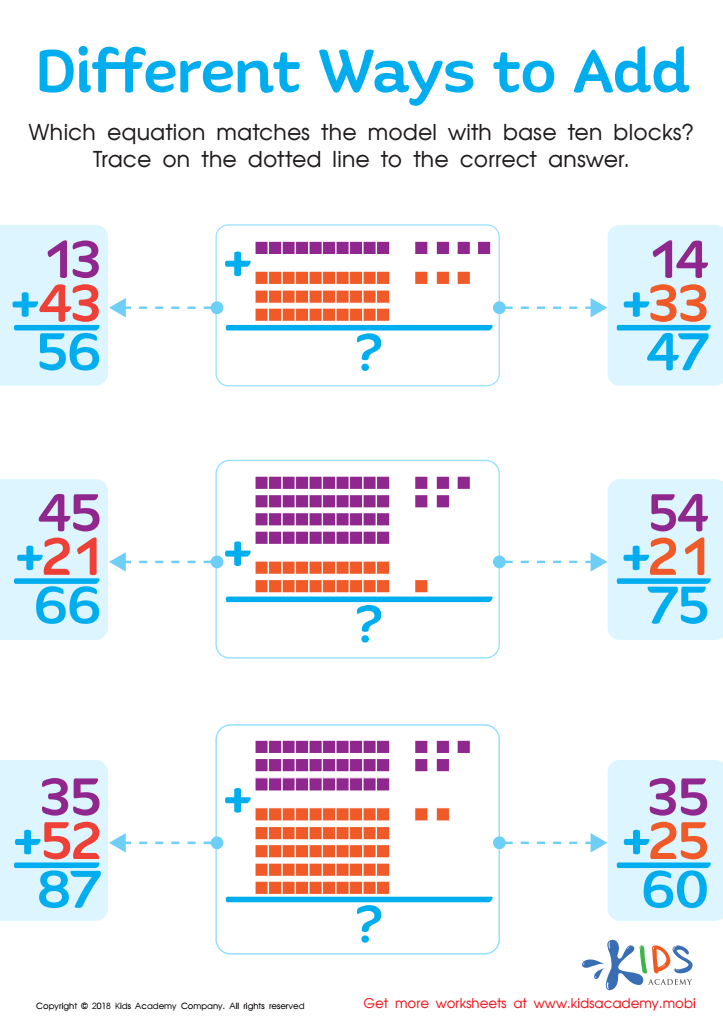
Different Ways to Add Worksheet








Parents and teachers should prioritize teaching addition and subtraction skills to children aged 5-8 because these foundational math concepts are critical for their overall cognitive development and academic success. Understanding addition and subtraction early on builds a solid foundation for more complex mathematical concepts they'll encounter later, such as multiplication, division, and fractions.
At this crucial developmental stage, children's brains are highly receptive to new information, making it an ideal period for fostering numerical literacy. Mastery of addition and subtraction helps them feel confident in their abilities, promoting a positive attitude towards math that can last a lifetime.
Beyond academics, these skills have practical, everyday applications. Simple math is used in numerous daily tasks such as telling time, handling money, measuring ingredients in recipes, and even playing games. Learning to solve these basic problems independently fosters a child’s sense of responsibility and problem-solving skills.
Furthermore, tackling math challenges enhances other cognitive skills such as attention to detail, logical reasoning, and critical thinking. These abilities are transferrable across subjects and activities, contributing to well-rounded cognitive development. Therefore, cultivating strong addition and subtraction skills in early childhood not only sets the stage for future academic success but also equips children with essential life skills.








