
Comparison Skills Addition & Subtraction Worksheets for Ages 5-8
5 filtered results
Difficulty Level
Grade
Age
-
From - To
Subject
Activity
Standards
Enhance your child's math abilities with our "Comparison Skills Addition & Subtraction Worksheets" designed for ages 5-8. These worksheets focus on developing critical comparison skills, helping young learners differentiate numbers through engaging addition and subtraction activities. Perfectly aligned with educational standards, they incorporate fun challenges that boost problem-solving and analytical thinking. Each sheet includes bright, interactive visuals to maintain interest and aid understanding, enabling children to strengthen their math skills in an enjoyable way. Ideal for both classroom use and home practice, these worksheets are a valuable resource for fostering foundational arithmetic skills.
Favorites
With answer key
Interactive
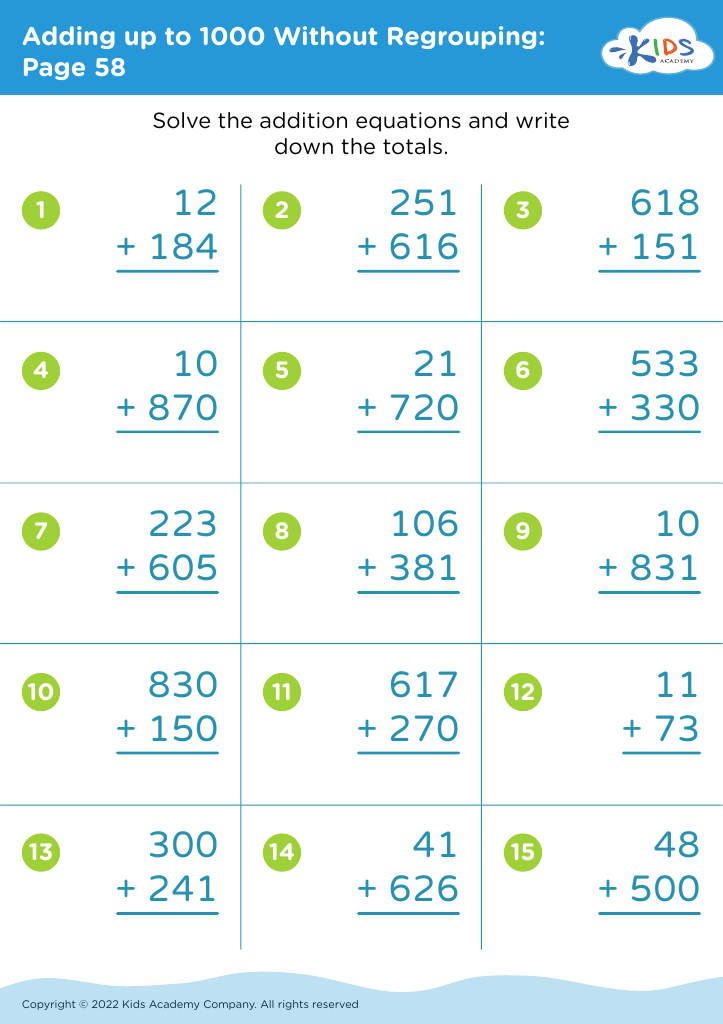
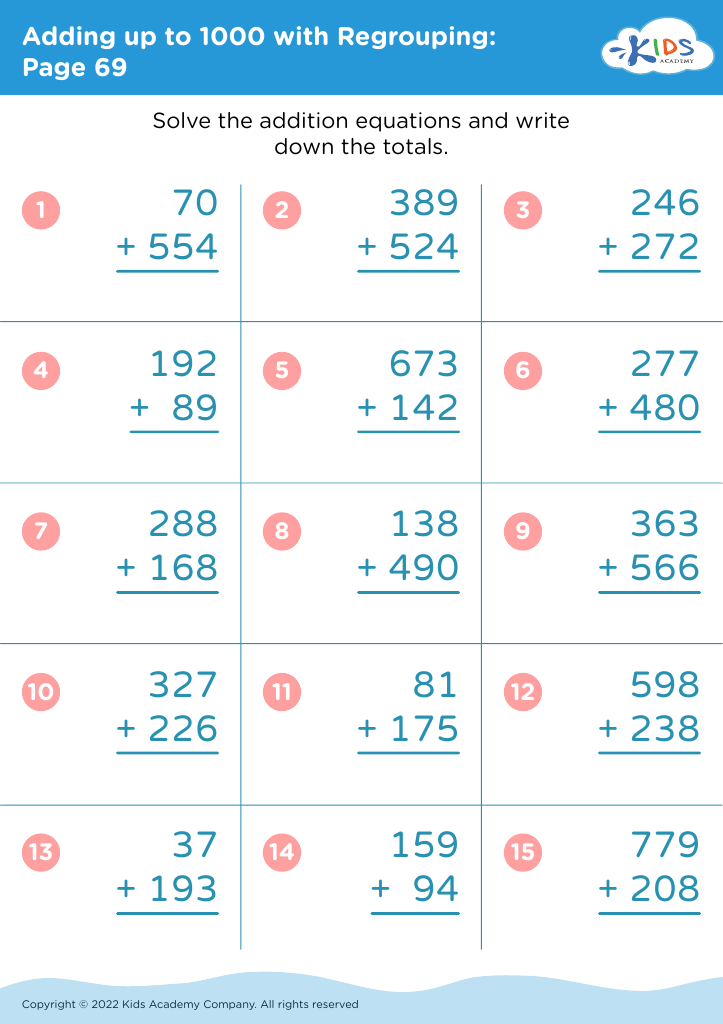
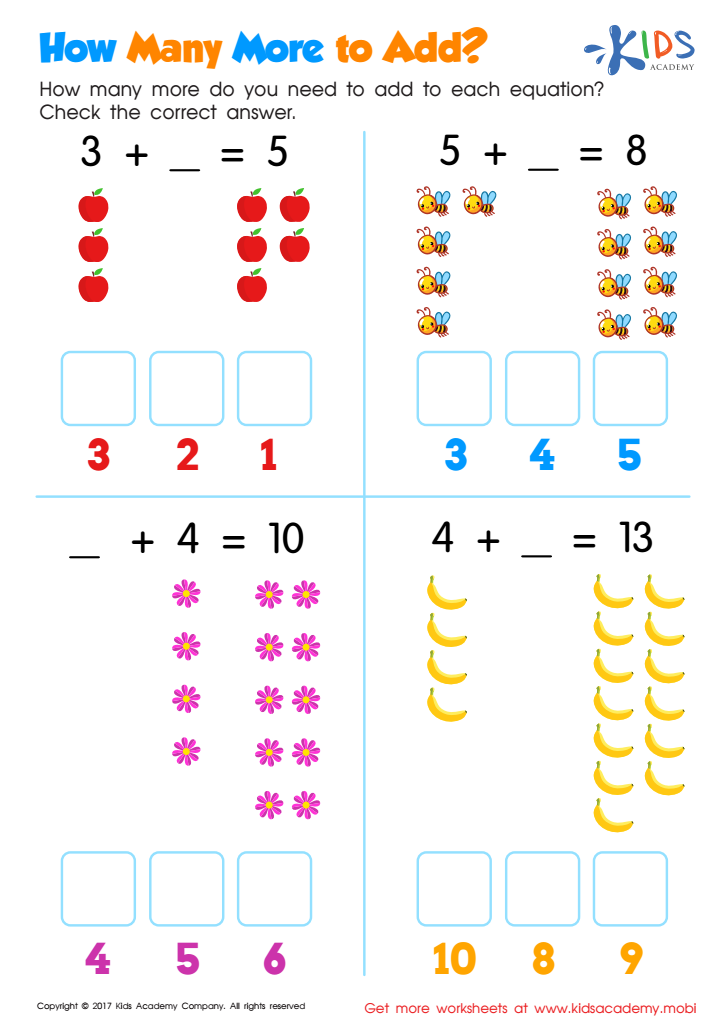
How Many More to Add Worksheet
Sharpen your child's math skills with this pdf worksheet. Help them figure out how many apples, bees, flowers and bananas are needed to reach the answer given. The possible answers are provided at the bottom of the boxes. Have some fun doing some addition and subtraction magic together and get those math skills sharpened!
 Assign to My Students
How Many More to Add Worksheet
Worksheet
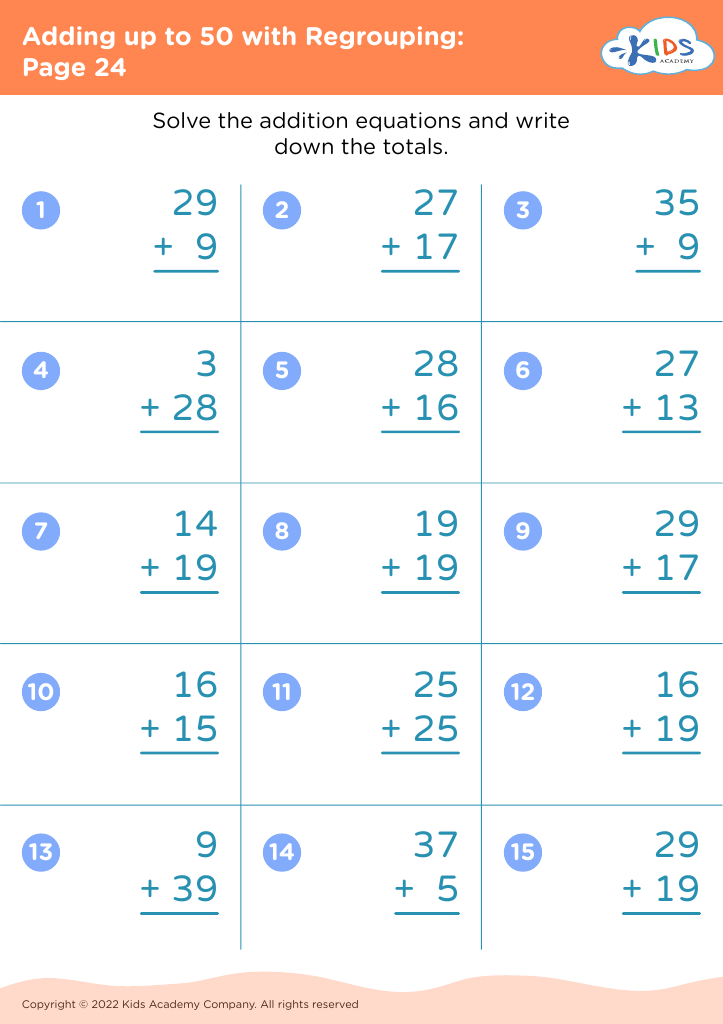
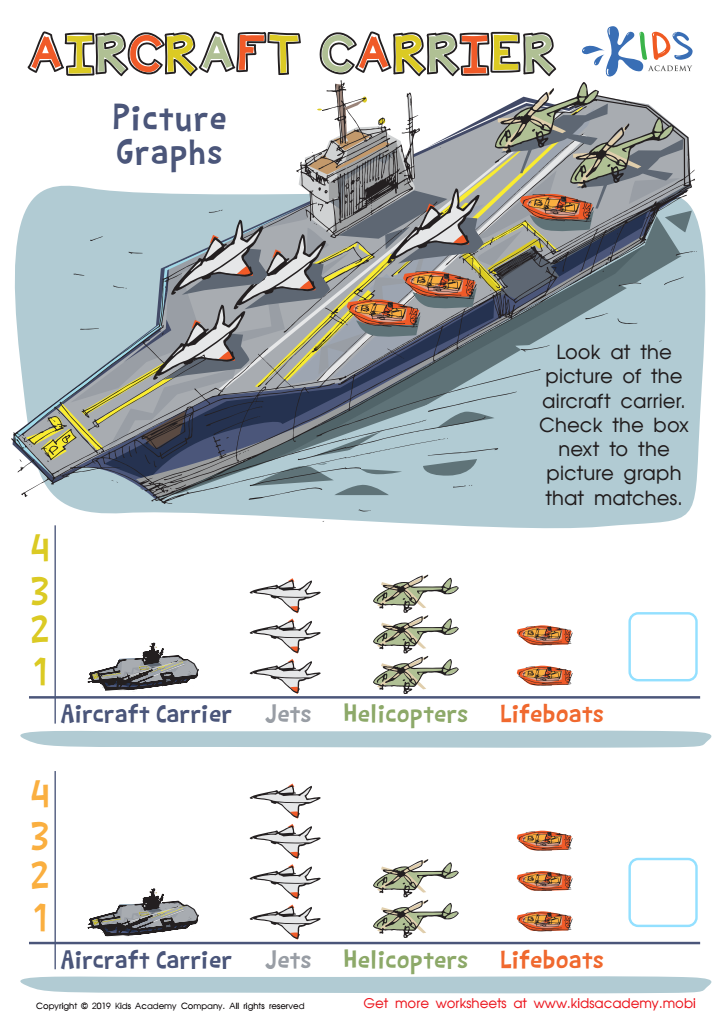
Aircraft Carrier Picture Graphs Worksheet
Kids love learning about jets and boats with this awesome worksheet! It's a great way to engage them as they work on picture graphs. Representing numerical values with pictures, this free PDF requires them to choose which picture graph and representation best match the carrier in the picture. It's also great practice for visual discrimination!
Aircraft Carrier Picture Graphs Worksheet
Worksheet
Join Kids Academy for Free
Who is primarily going to use this learning content?








Comparison skills, addition, and subtraction are foundational aspects of early mathematics education, particularly for children aged 5-8. These skills are crucial for several reasons. First, they are integral to developing number sense, a fundamental mathematical concept. By understanding how numbers relate to each other, whether in terms of being larger, smaller, or equal, children can better grasp more complex operations later.
Secondly, honing these skills at an early age sets the stage for problem-solving abilities. Practical situations, such as sharing toys, buying snacks, or measuring ingredients, often require basic addition and subtraction. Mastery can improve children’s ability to independently manage everyday tasks.
Moreover, engaging with these concepts can enhance cognitive development. Activities involving comparison, addition, and subtraction challenge young minds to think critically and make judgments, fostering overall intellectual growth and logical reasoning.
Lastly, proficiency in these areas builds confidence and a positive attitude toward learning. Struggling with basic numerical operations can lead to frustration and aversion to mathematics. In contrast, early success nurtures a sense of achievement and a love for math, encouraging children to embrace further educational challenges with enthusiasm.
Consequently, parents and teachers play a pivotal role in prioritizing and reinforcing these skills through fun, interactive, and consistent practice, laying a strong mathematical foundation for future learning.








