Introducing our "Enhance Number Recognition: Addition & Subtraction Worksheets for Ages 5-8"! Designed to support young learners in mastering essential math skills, these fun and engaging worksheets help children develop number recognition while practicing addition and subtraction. Each worksheet is tailored to improve cognitive abilities and increase confidence in math, featuring colorful illustrations and interactive activities that capture children's attention. As they work through the engaging exercises, kids will not only refine their math skills but also enjoy the process of learning. Perfect for home or classroom use, these worksheets are an excellent resource to enhance your child's educational journey!
Check out this FREE Trial Lesson on Addition & Subtraction for age 5-8!

Exactly the Same, or Not

Favorites
With answer key
Interactive
  • 5-8
  • Enhance number recognition
  • Addition & Subtraction
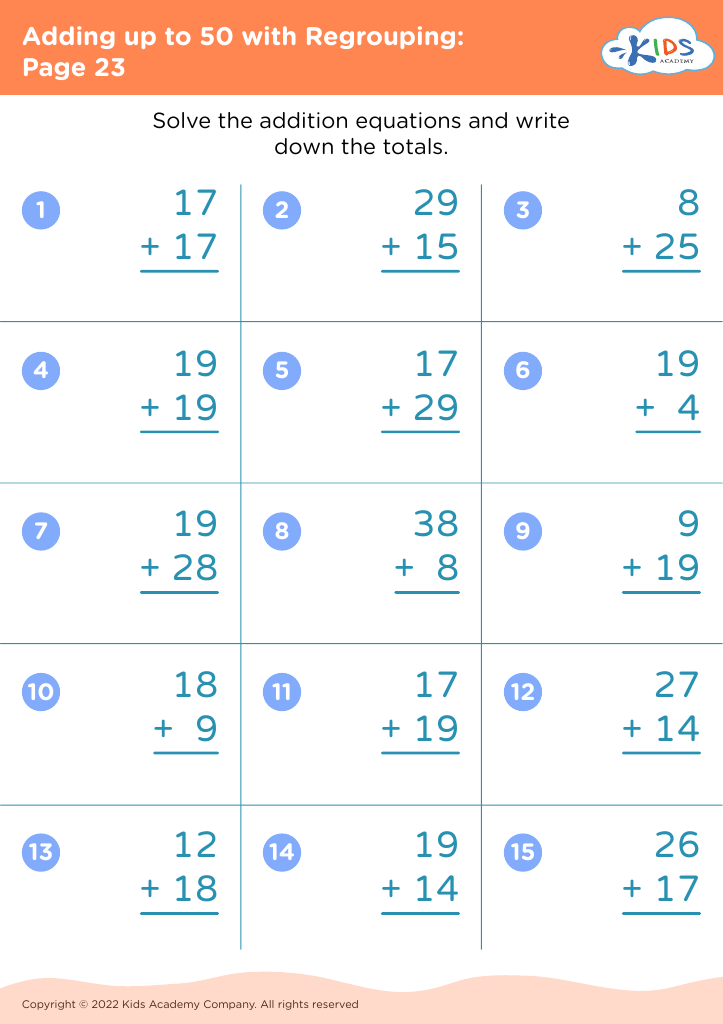
Adding up to 50 with Regrouping: Page 23
Worksheet
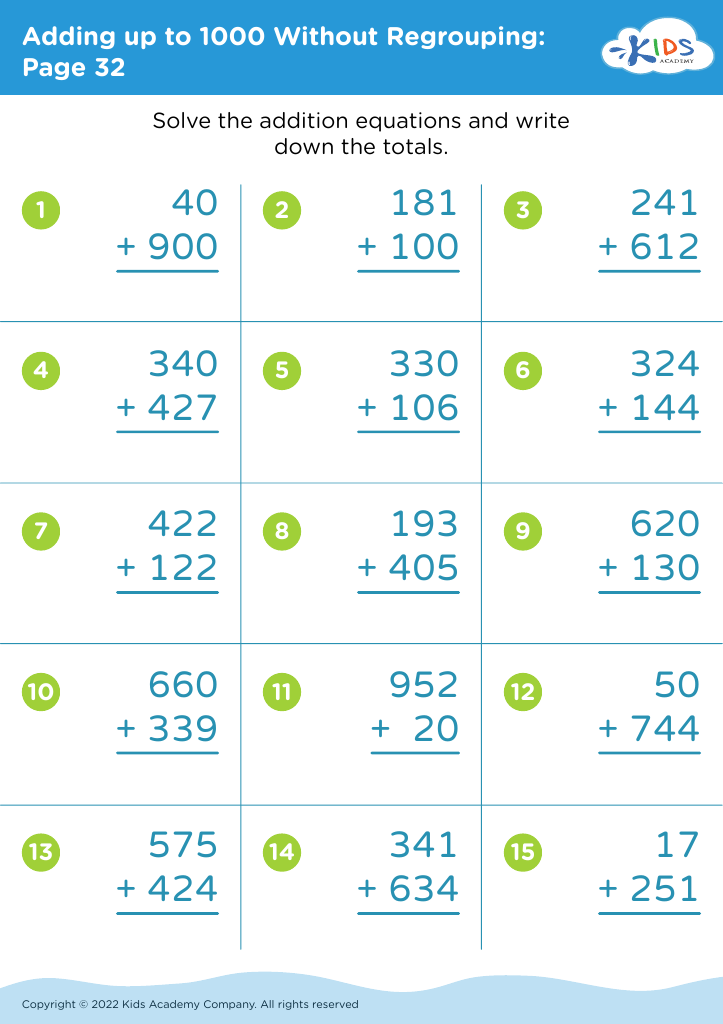
Adding up to 1000 Without Regrouping: Page 32
Worksheet
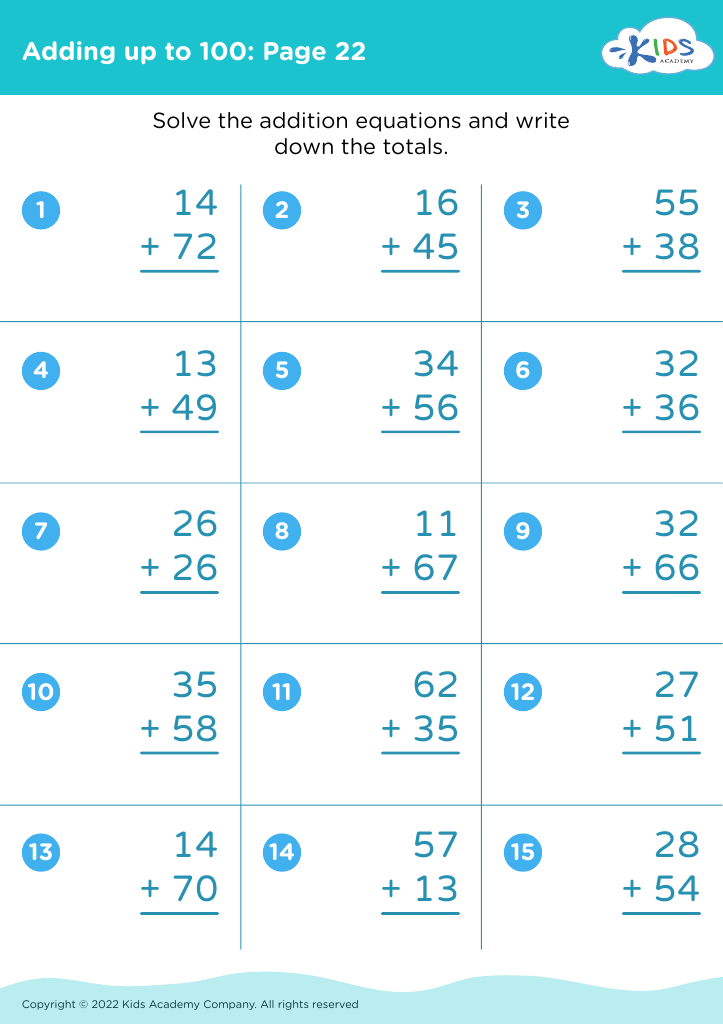
Adding up to 100: Page 22

Adding up to 100: Page 22

Adding up to 100: Page 22
Worksheet
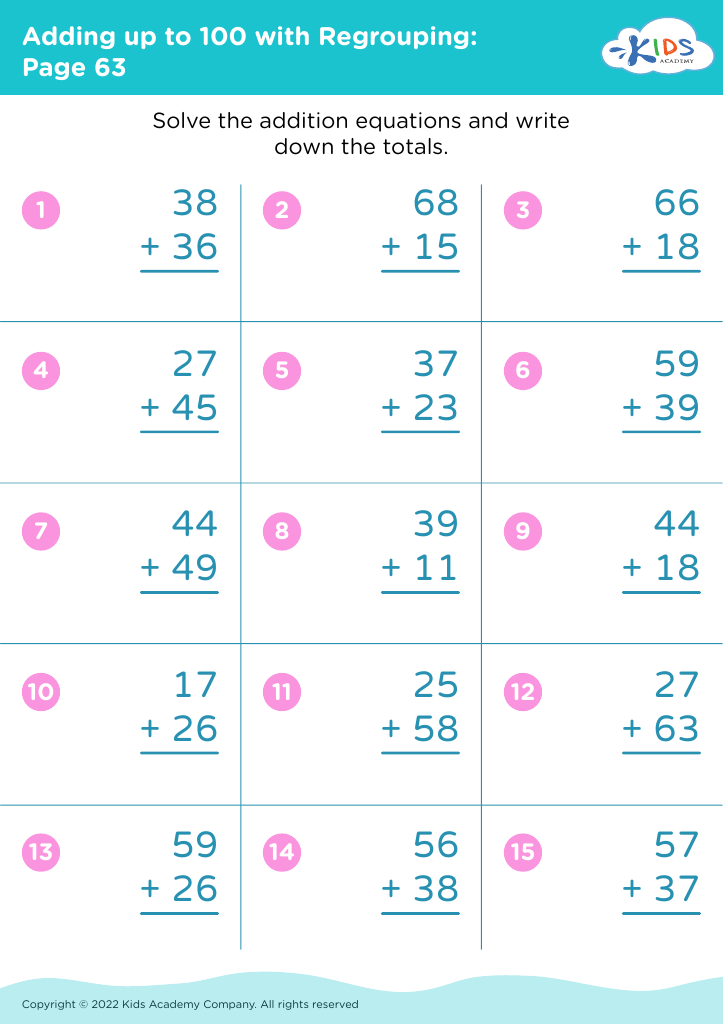
Adding up to 100 with Regrouping: Page 63
Worksheet
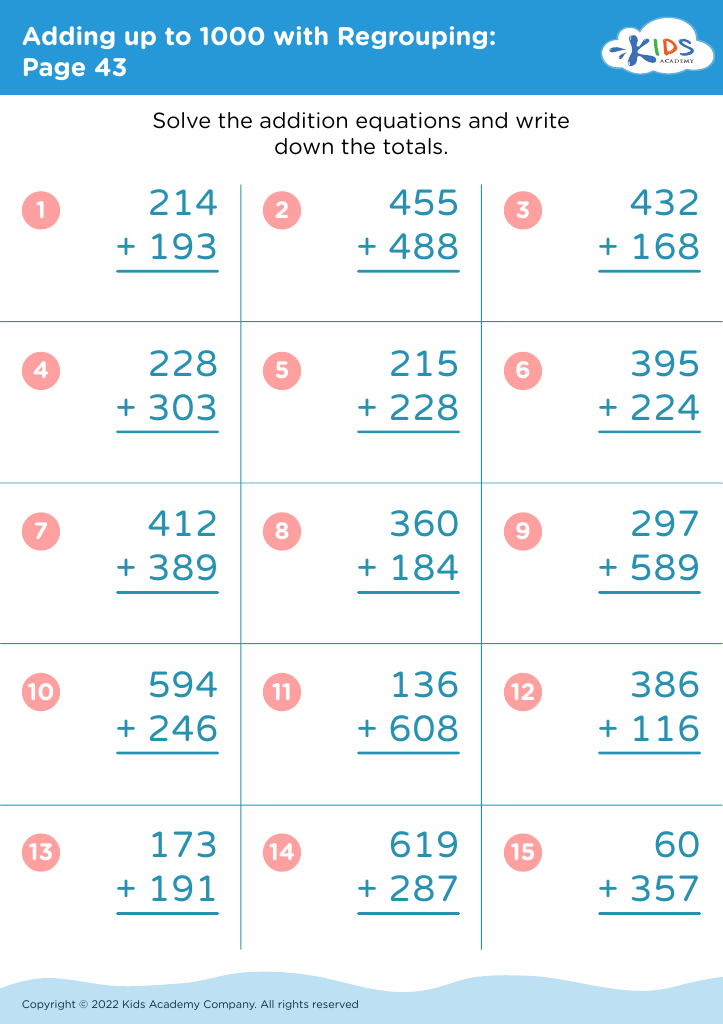
Adding up to 1000 with Regrouping: Page 43
Worksheet
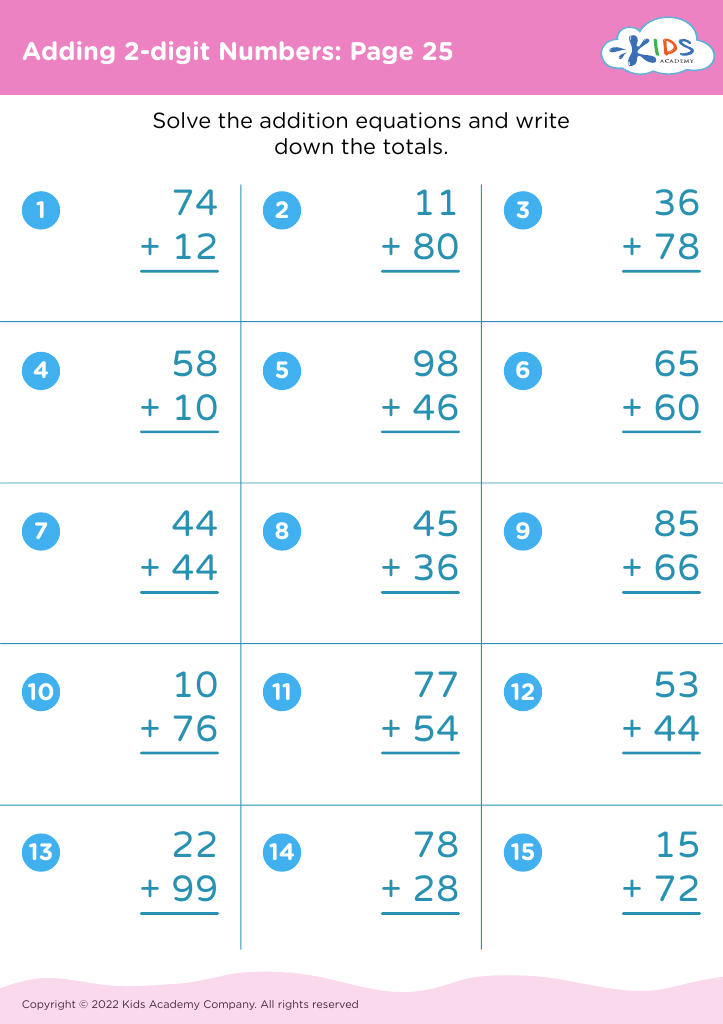
Adding 2-digit Numbers: Page 25

Adding 2-digit Numbers: Page 25

Adding 2-digit Numbers: Page 25
Worksheet
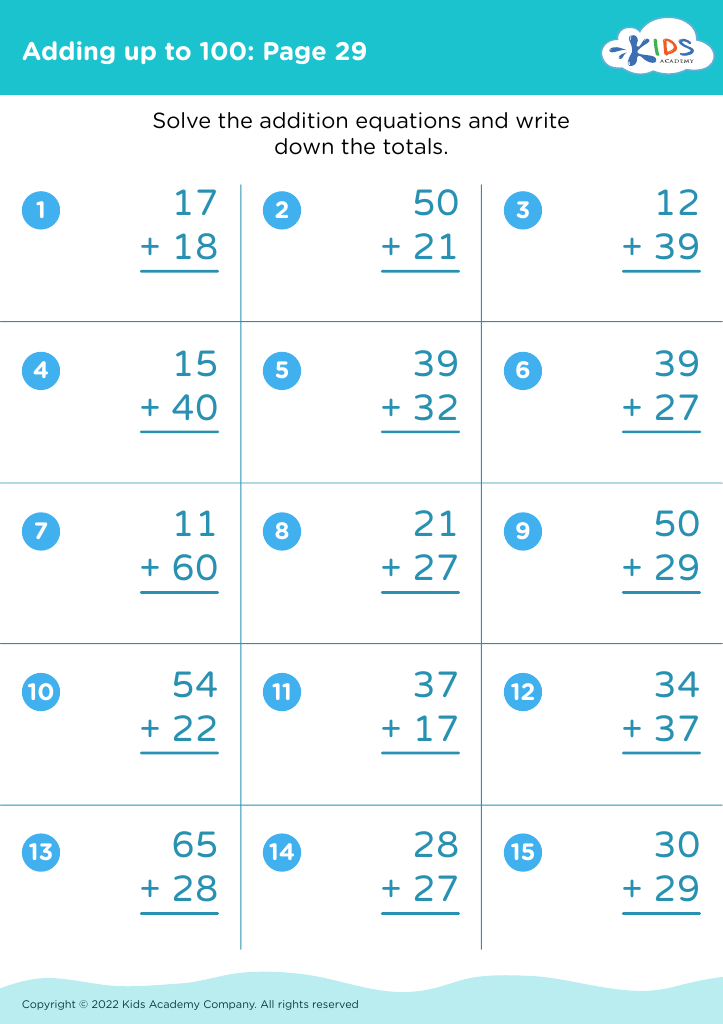
Adding up to 100: Page 29

Adding up to 100: Page 29

Adding up to 100: Page 29
Worksheet
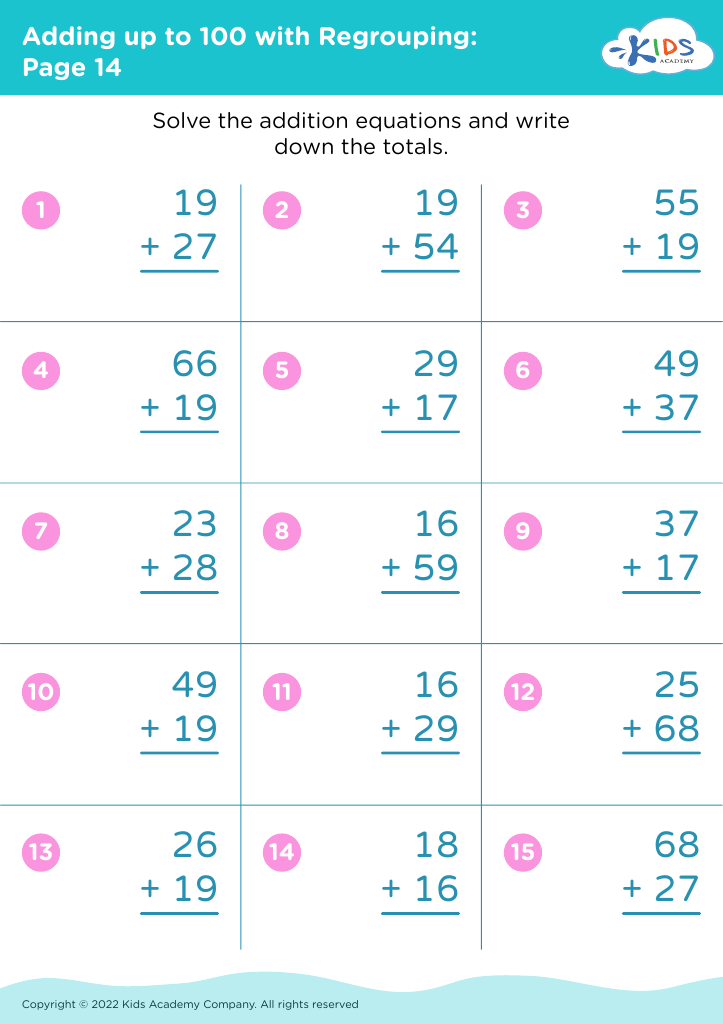
Adding up to 100 with Regrouping: Page 14
Worksheet
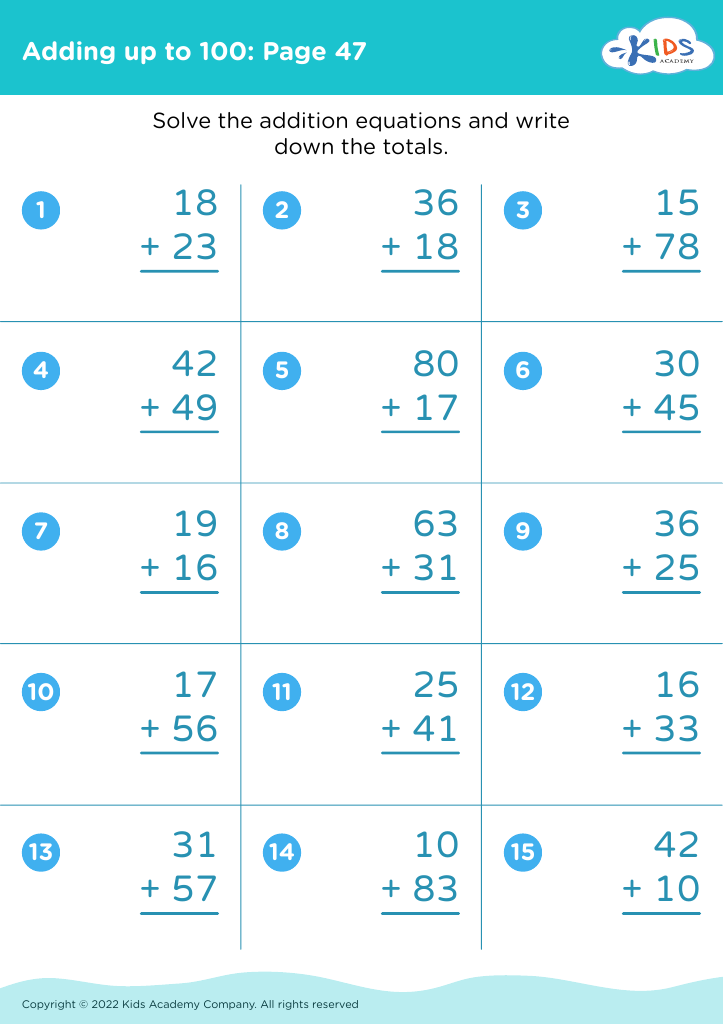
Adding up to 100: Page 47

Adding up to 100: Page 47

Adding up to 100: Page 47
Worksheet
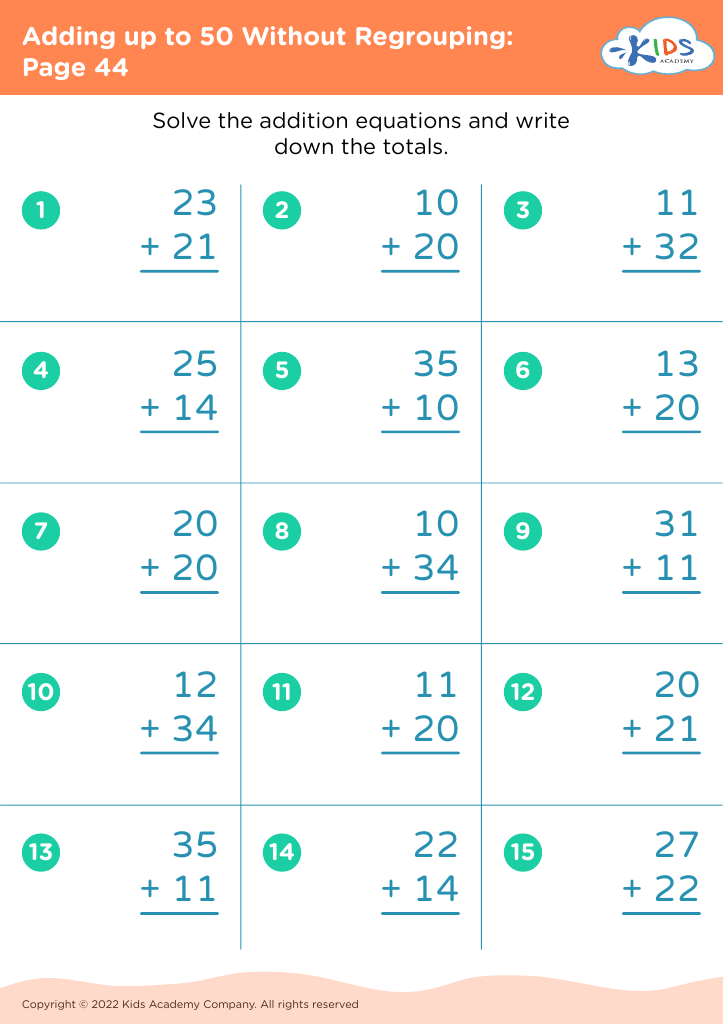
Adding up to 50 Without Regrouping: Page 44
Worksheet
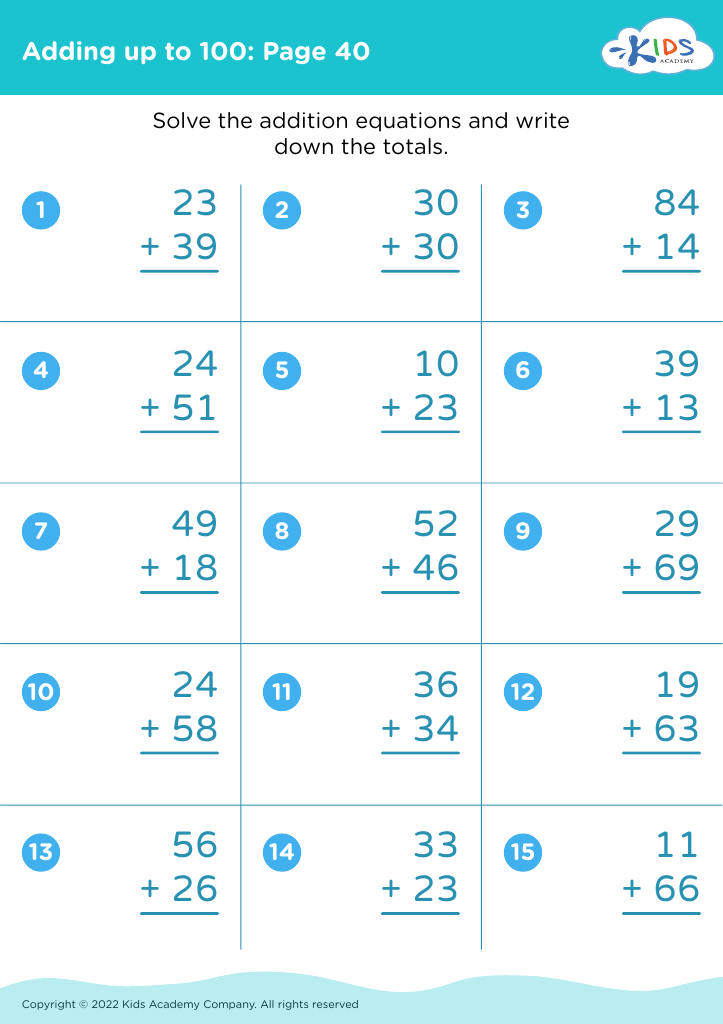
Adding up to 100: Page 40

Adding up to 100: Page 40

Adding up to 100: Page 40
Worksheet
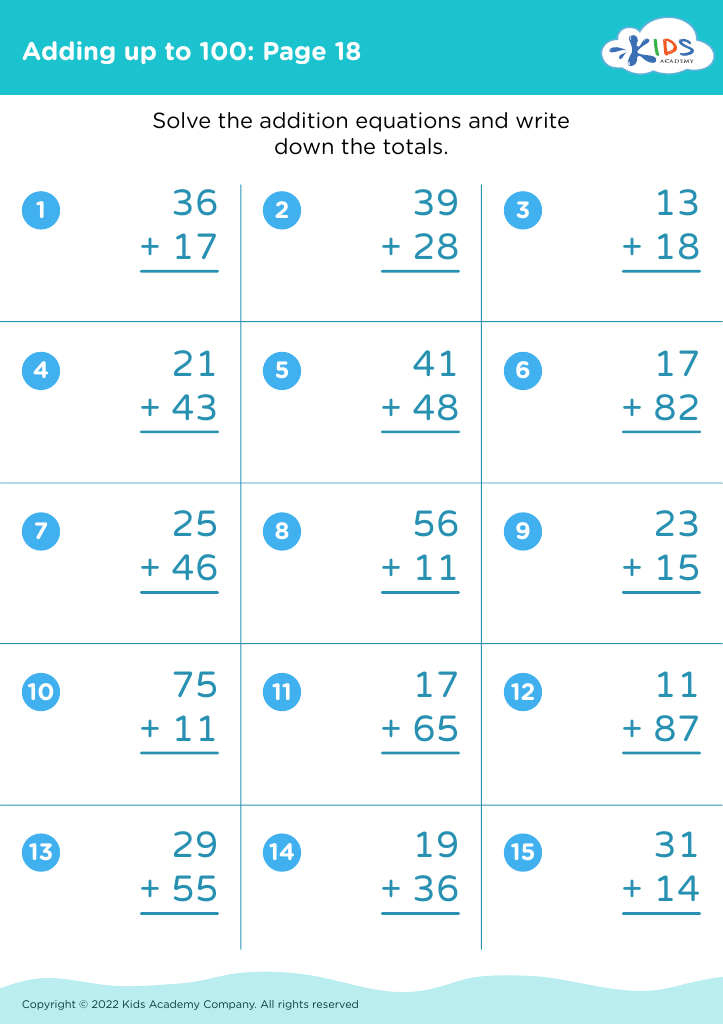
Adding up to 100: Page 18

Adding up to 100: Page 18

Adding up to 100: Page 18
Worksheet
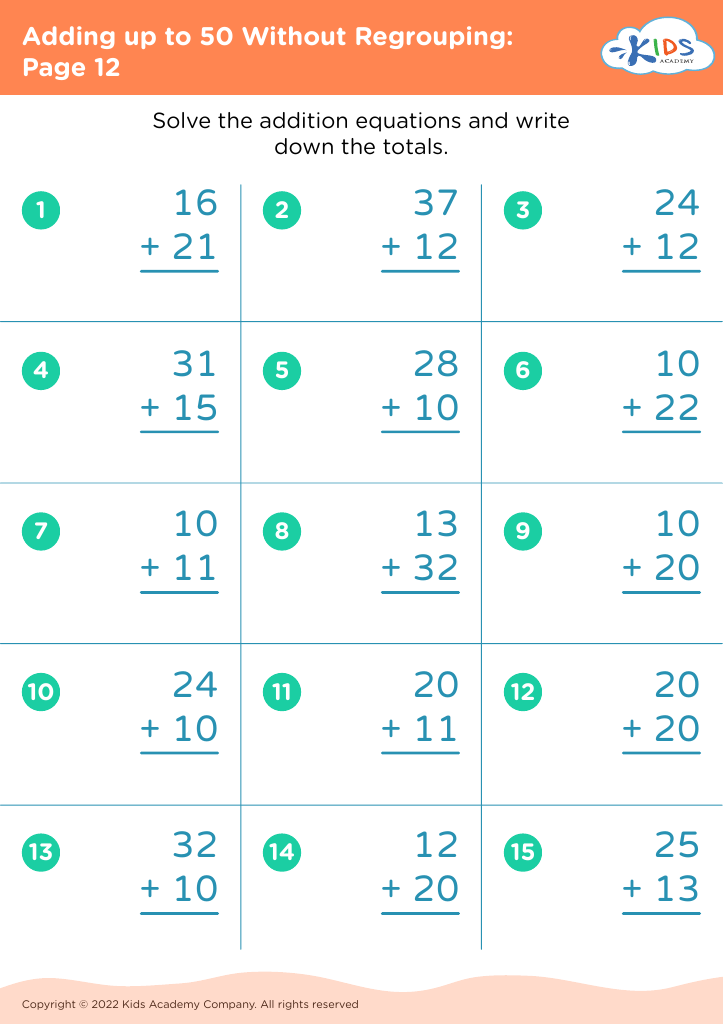
Adding up to 50 Without Regrouping: Page 12
Worksheet
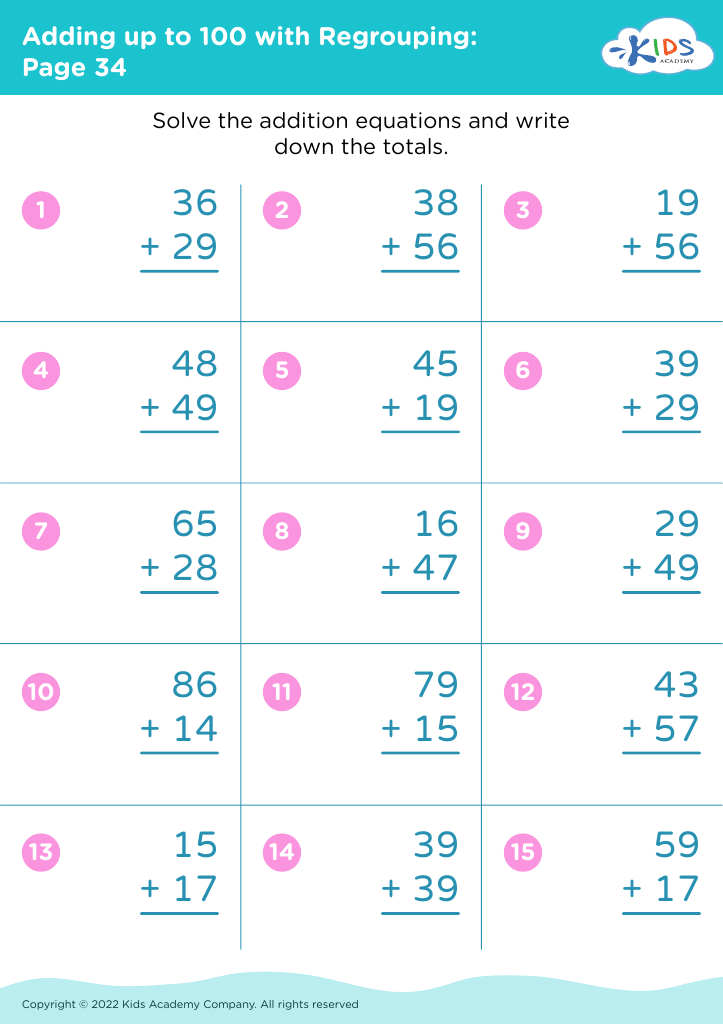
Adding up to 100 with Regrouping: Page 34
Worksheet
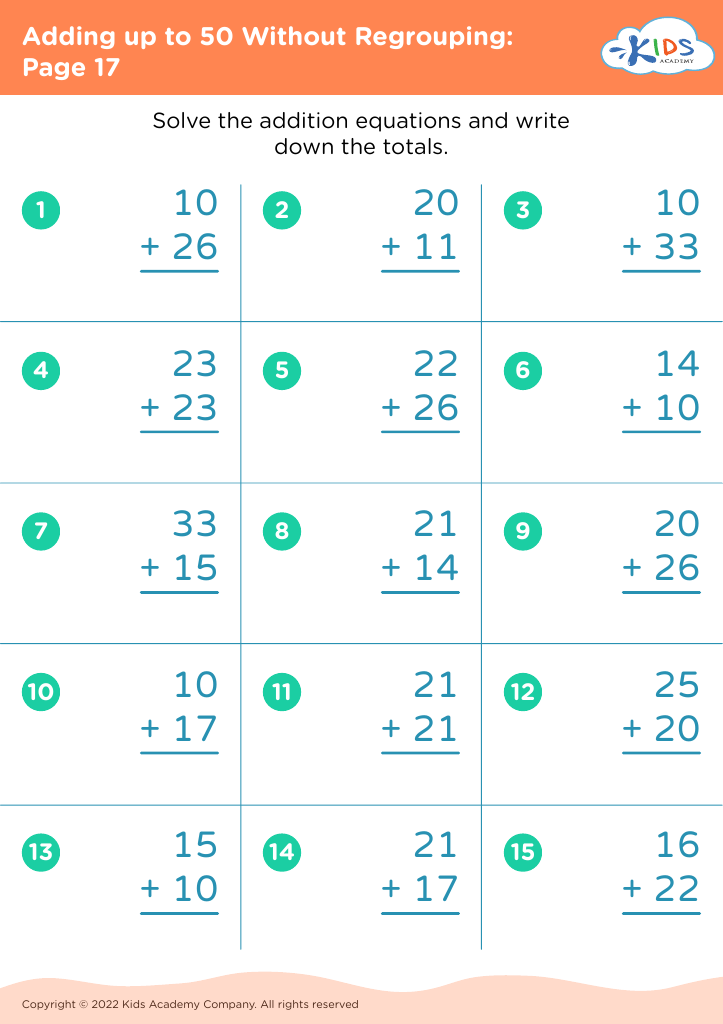
Adding up to 50 Without Regrouping: Page 17
Worksheet
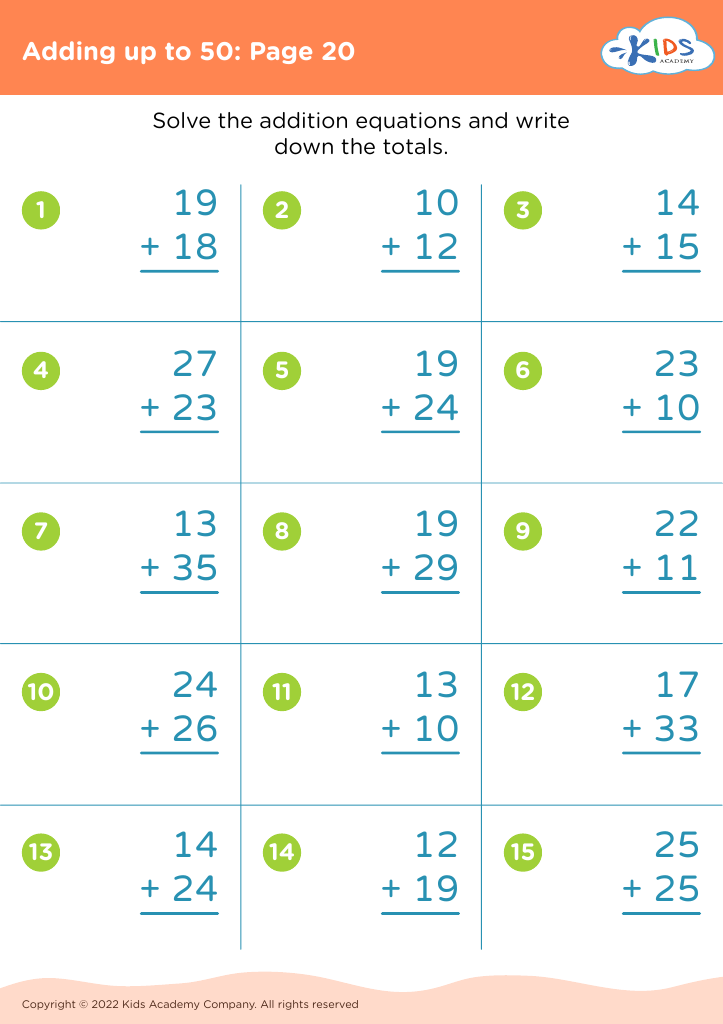
Adding up to 50: Page 20

Adding up to 50: Page 20

Adding up to 50: Page 20
Worksheet
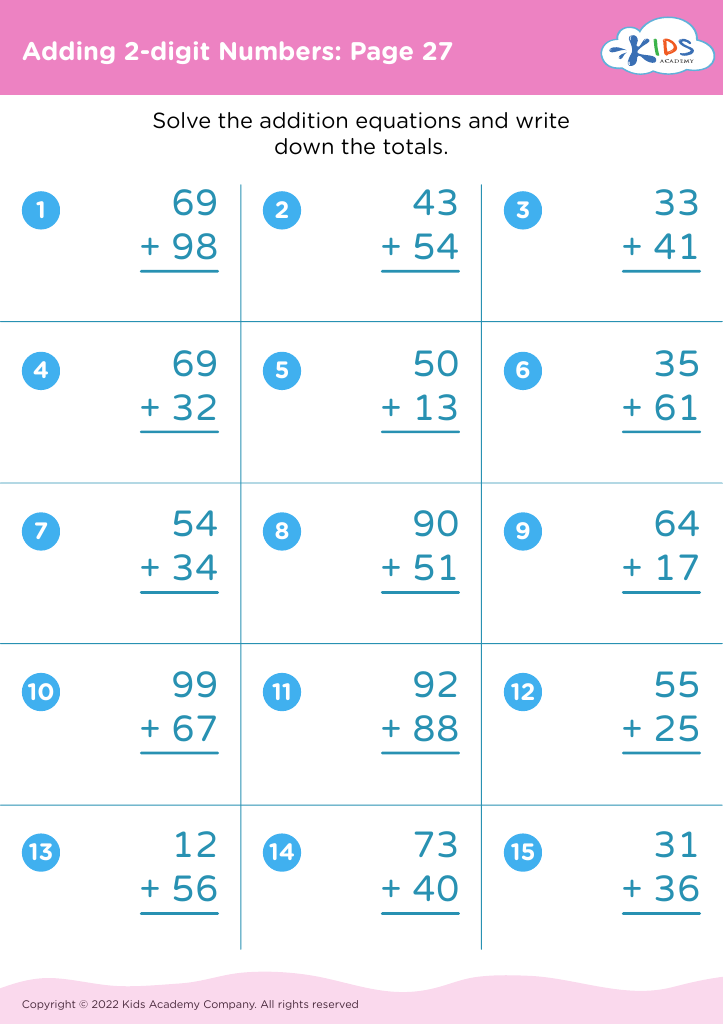
Adding 2-digit Numbers: Page 27

Adding 2-digit Numbers: Page 27

Adding 2-digit Numbers: Page 27
Worksheet


Enhancing number recognition, addition, and subtraction skills for children aged 5-8 is crucial for their foundational mathematical development. At this age, children are in a critical period for learning basic numeracy, which lays the groundwork for all future math concepts. When parents and teachers prioritize these skills, they help children develop confidence and a positive attitude towards math, reducing anxiety around the subject as they progress in school.

Strong number recognition enables children to understand and relate numbers to quantities, fostering a sense of mathematical understanding. Likewise, developing addition and subtraction skills enhances their ability to perform calculations needed in everyday life, facilitating problem-solving and critical thinking.

Moreover, these skills are not isolated; they contribute to overall cognitive development and are essential for success in higher math topics down the line. Engaging children with interactive and fun activities can also strengthen their learning experiences, making math enjoyable rather than intimidating.

Ultimately, by focusing on number recognition, addition, and subtraction at a young age, parents and teachers can cultivate lifelong skills that empower children academically and socially, ensuring they are better prepared for future challenges both inside and outside the classroom.