Fine motor skills (drawing lines) Addition & Subtraction Worksheets for Ages 5-8
3 filtered results
-
From - To
Discover our engaging Fine Motor Skills Addition & Subtraction Worksheets designed specifically for children aged 5-8! These worksheets help strengthen fine motor skills through creative exercises focused on drawing lines, making learning math concepts fun and interactive. Children will enjoy connecting dots, tracing lines, and creating shapes while practicing essential math skills in addition and subtraction. Our carefully crafted activities promote pencil control and hand-eye coordination, important foundations for early writing and problem-solving. With various difficulty levels and delightful themes, these worksheets provide an excellent resource for classroom or home learning, ensuring a well-rounded educational experience for your child.
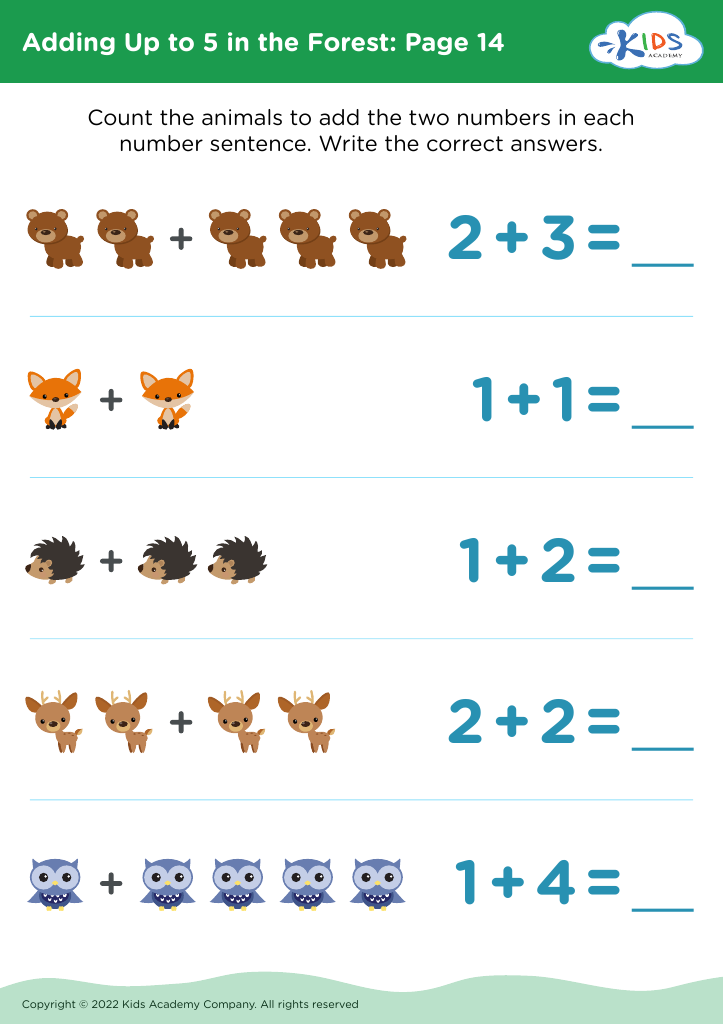
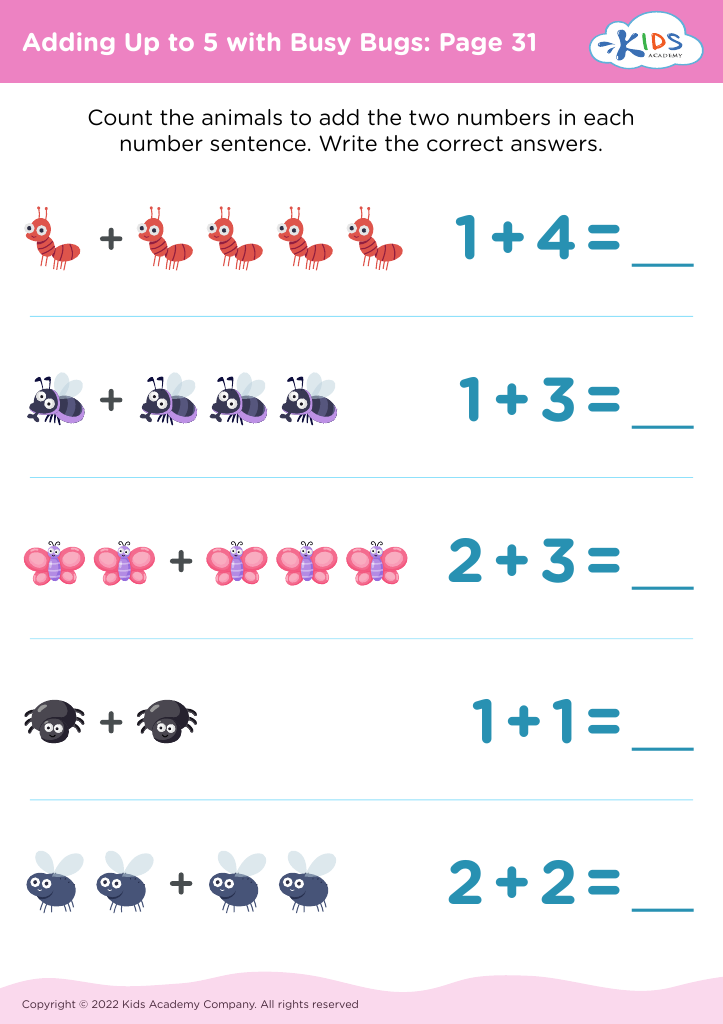
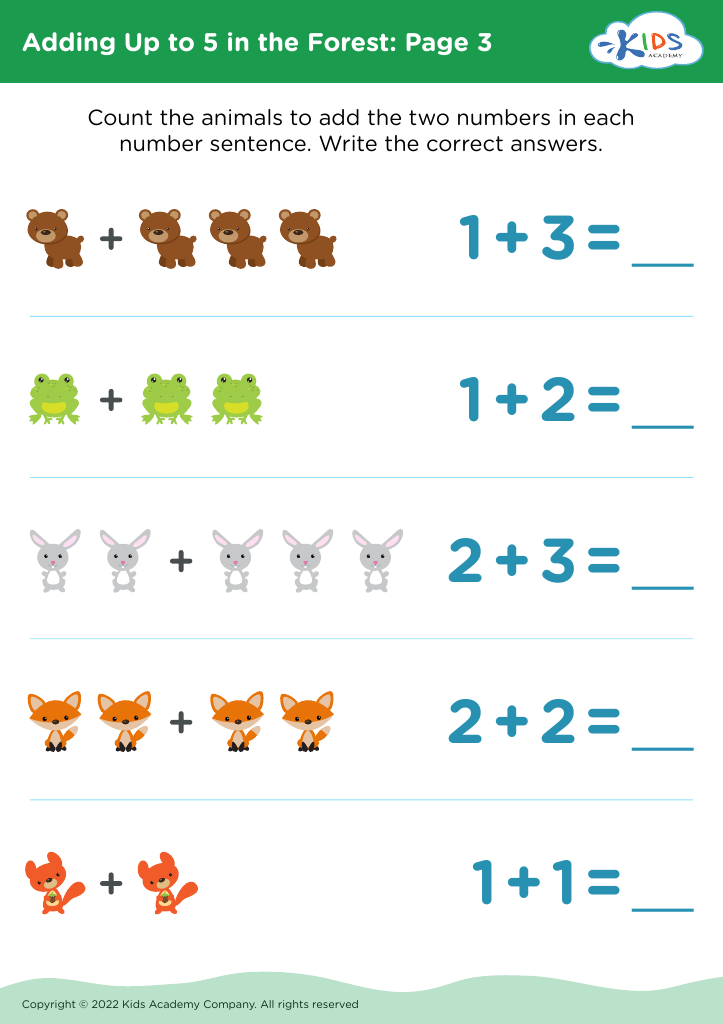








Fine motor skills, such as drawing lines, are critical for children aged 5-8 as they serve as the foundation for various academic and everyday tasks. Developing these skills enhances hand-eye coordination, manual dexterity, and overall physical control. Mastering fine motor tasks, like drawing lines, contributes to children's abilities in writing, crafting, and engaging in other activities that require precision.
In addition to fine motor skills, early mathematical concepts like addition and subtraction are vital for cognitive development during this stage. These foundational math skills allow children to understand numbers, develop problem-solving abilities, and engage in logical thinking. When children grasp these basic operations, they build confidence and become adept at tackling more complex mathematical concepts in the future.
Parents and teachers should care about integrating these skills into the educational environment by providing fun, engaging activities that promote both fine motor development and mathematical understanding. For instance, using art projects to practice drawing lines can seamlessly incorporate lessons on addition and subtraction, making learning enjoyable and effective. Supporting skill development in these areas not only prepares children for future academic success but also aids in their overall coordination, cognitive growth, and self-esteem.








