Pattern recognition Addition & Subtraction Worksheets for Ages 5-8
9 filtered results
-
From - To
Enhance your child's math skills with our Pattern Recognition Addition & Subtraction Worksheets tailored for ages 5-8! These engaging and colorful worksheets make learning fun by combining basic arithmetic with exciting pattern recognition exercises. Ideal for young learners, the materials are designed to challenge and improve cognitive abilities while reinforcing essential math concepts. Each meticulously crafted sheet helps kids identify patterns, boosting their problem-solving skills and preparing them for more advanced math. Perfect for both classroom and at-home learning, our worksheets provide the foundation needed for math success in an enjoyable way! Download now and watch your child thrive!
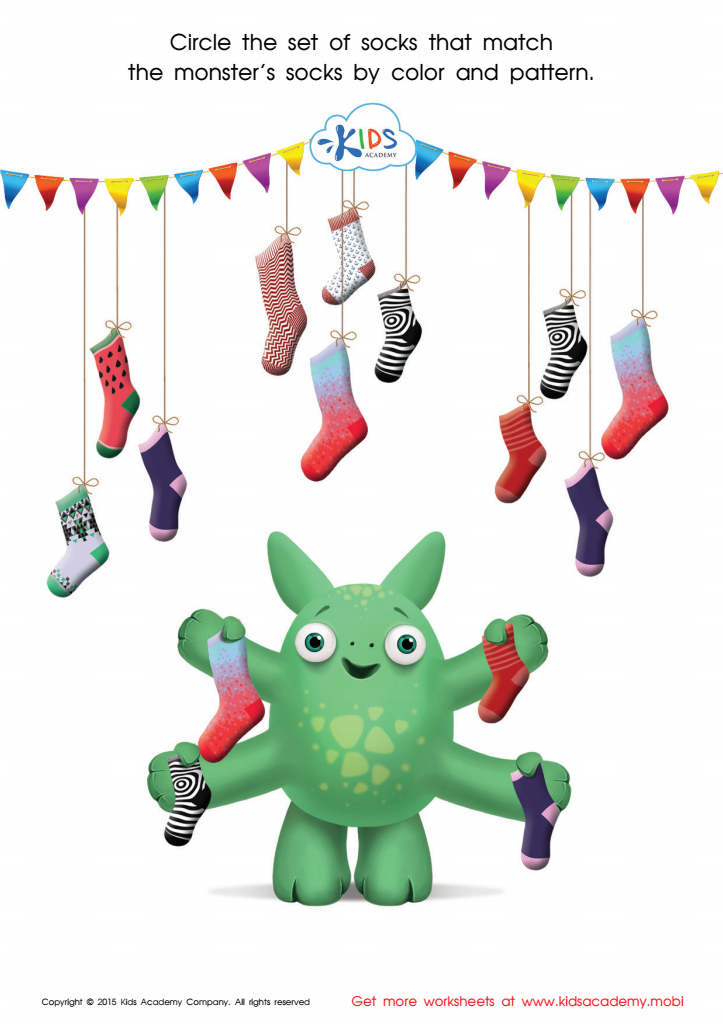
Sort the Monster's Socks Worksheet
 Assign to My Students
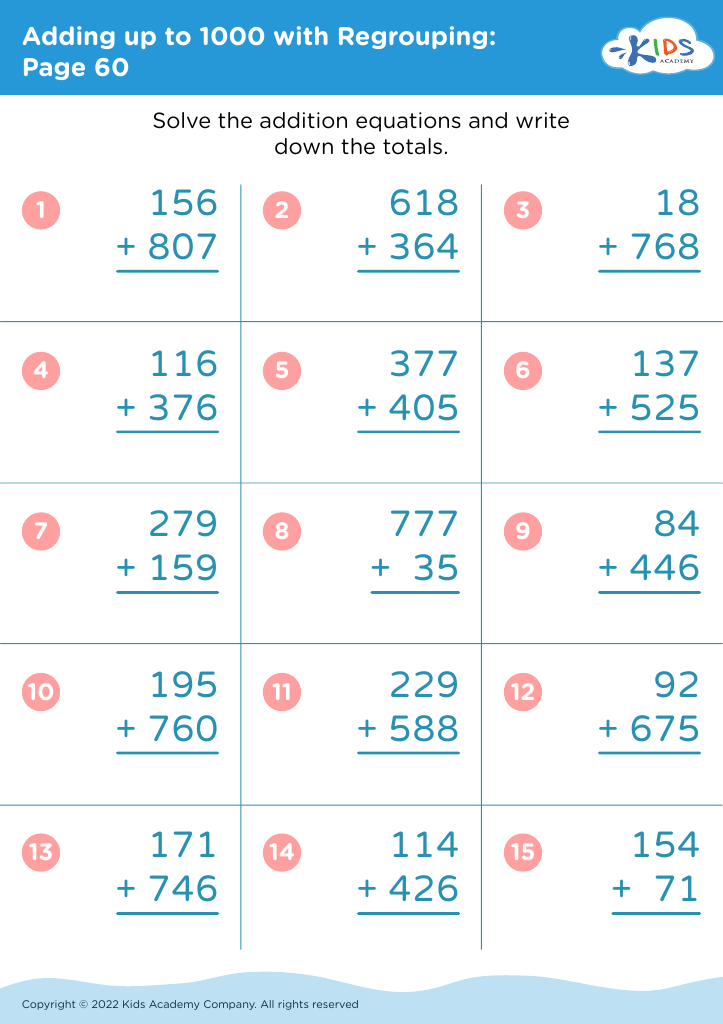
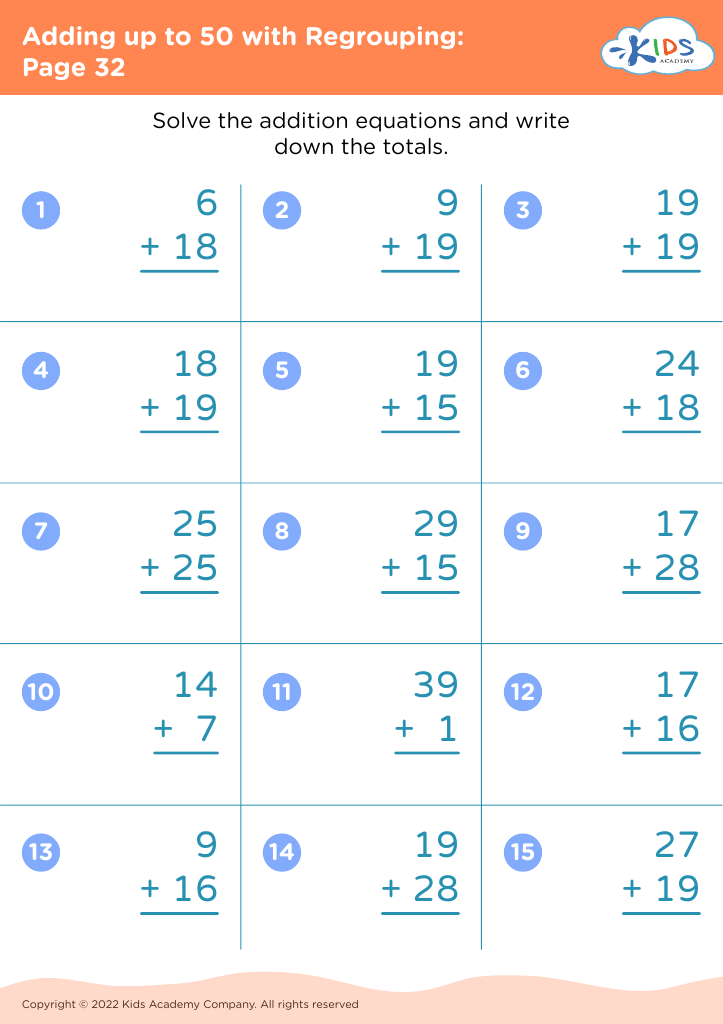
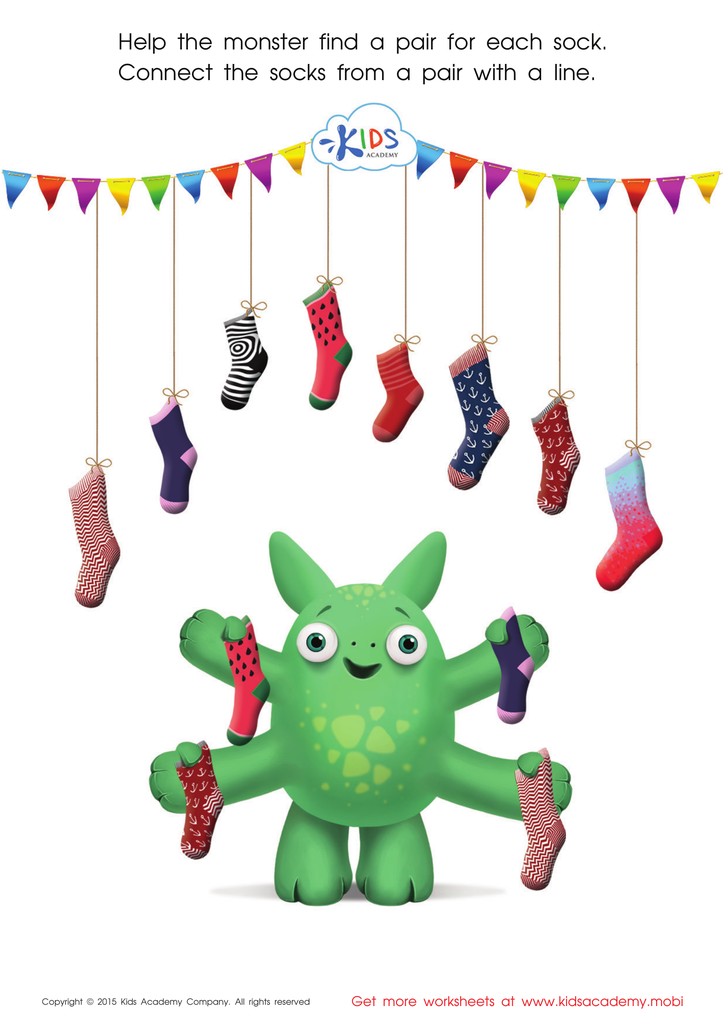
Math Matching Game: Monsterв's Socks Worksheet
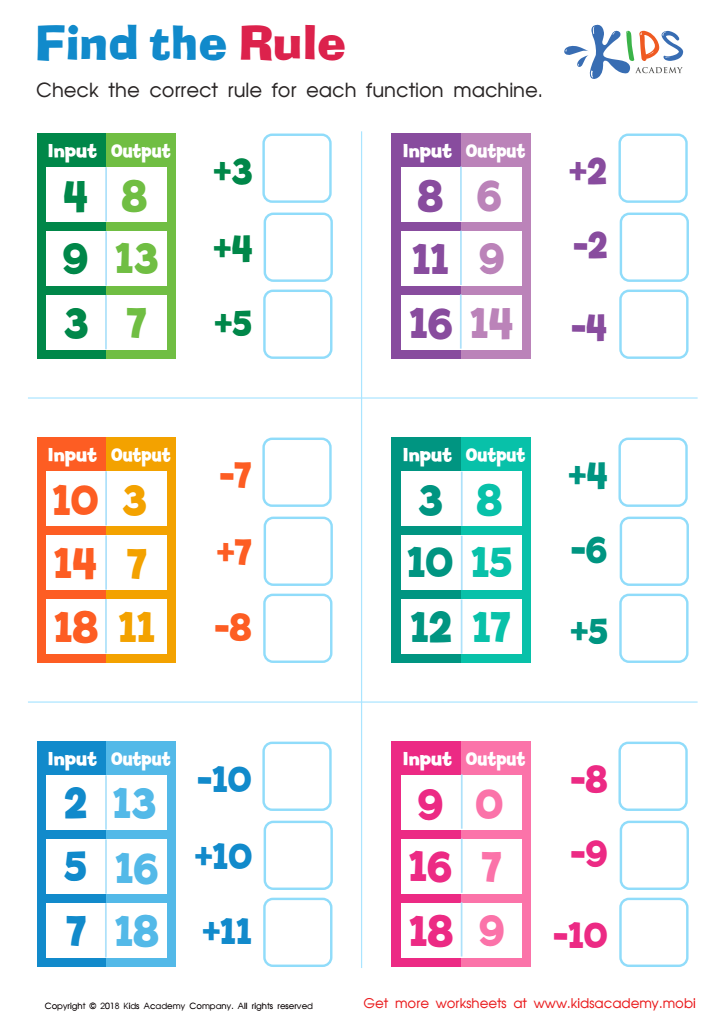
Find the Rule Worksheet
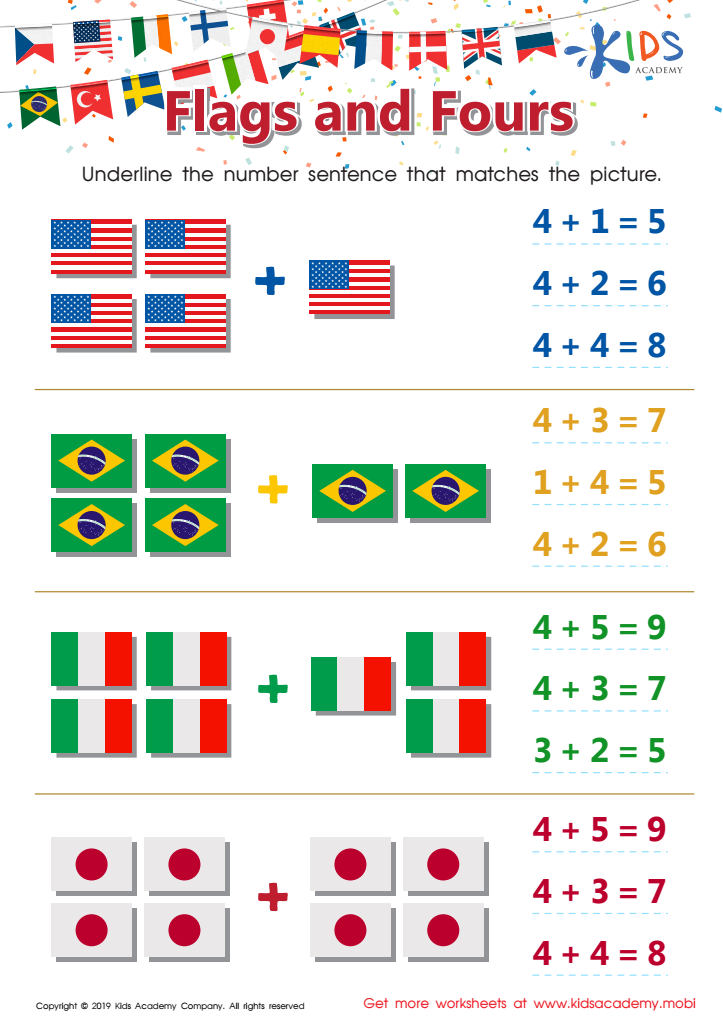
Flags and Fours Worksheet
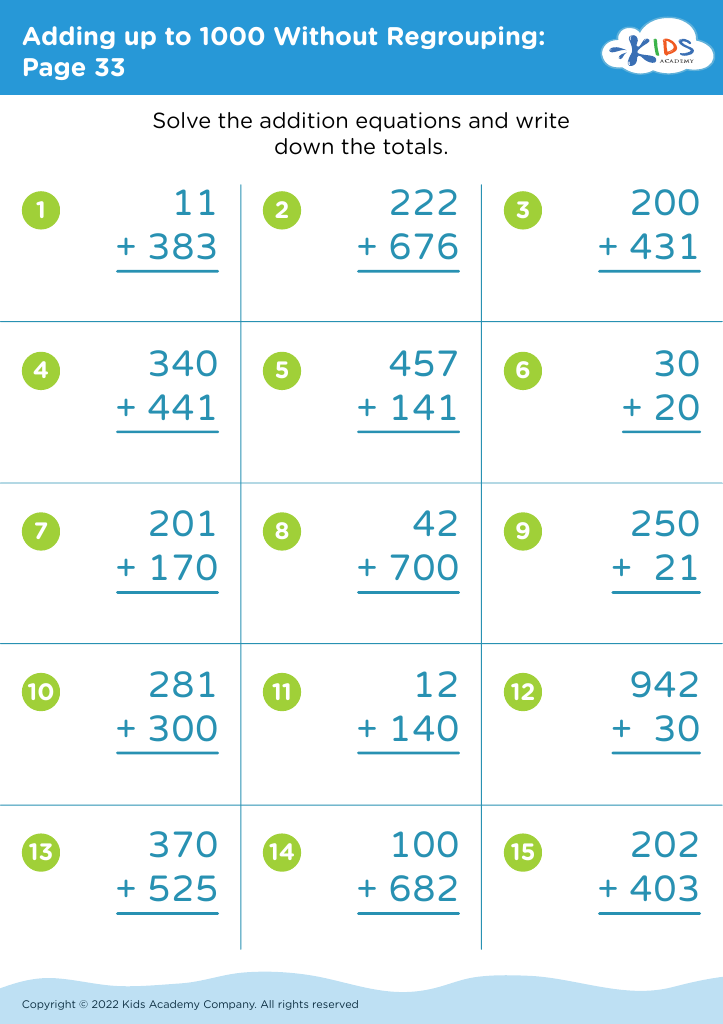








Pattern recognition, addition, and subtraction are foundational skills crucial for a child's cognitive development, and it is essential for both parents and teachers to focus on these areas for ages 5-8. Pattern recognition helps children identify and predict sequences, enriching their problem-solving skills and preparing them for more advanced mathematical concepts. Recognizing patterns also supports early literacy skills as they learn to discern letter and word patterns.
Addition and subtraction form the building blocks of arithmetic. Introducing these operations early helps children develop a robust number sense, an essential competence for all future math learning. These basic skills enable students to understand mathematical concepts such as more/less, counting, and the relationships between numbers, fostering logical thinking.
For children aged 5-8, engaging in these activities coincides with their brain development stage, where they are incredibly receptive to learning new concepts. Engaging exercises in pattern recognition and simple arithmetic energize their curiosity and build confidence in their abilities. Moreover, these skills have real-world applications and enhance everyday problem-solving and decision-making that extend beyond the classroom.
In summary, parents and teachers nurturing pattern recognition and fundamental arithmetic in young children lay a strong educational foundation, supporting their academic journey and holistic cognitive development.








