Recognizing shapes Addition & Subtraction Worksheets for Ages 5-8 - Page 2
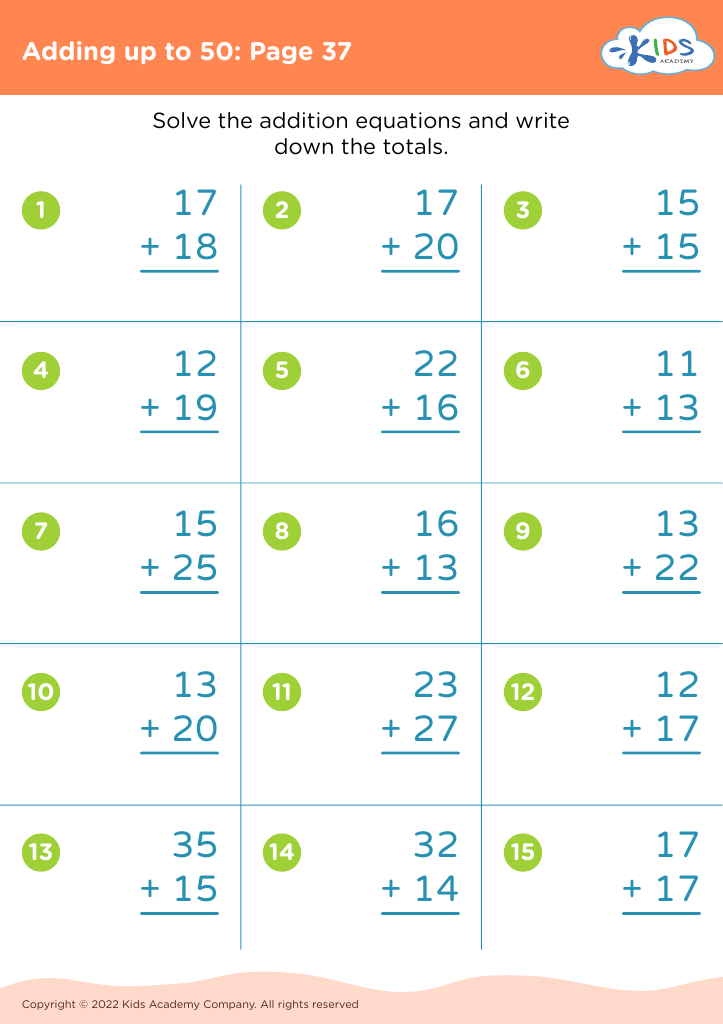
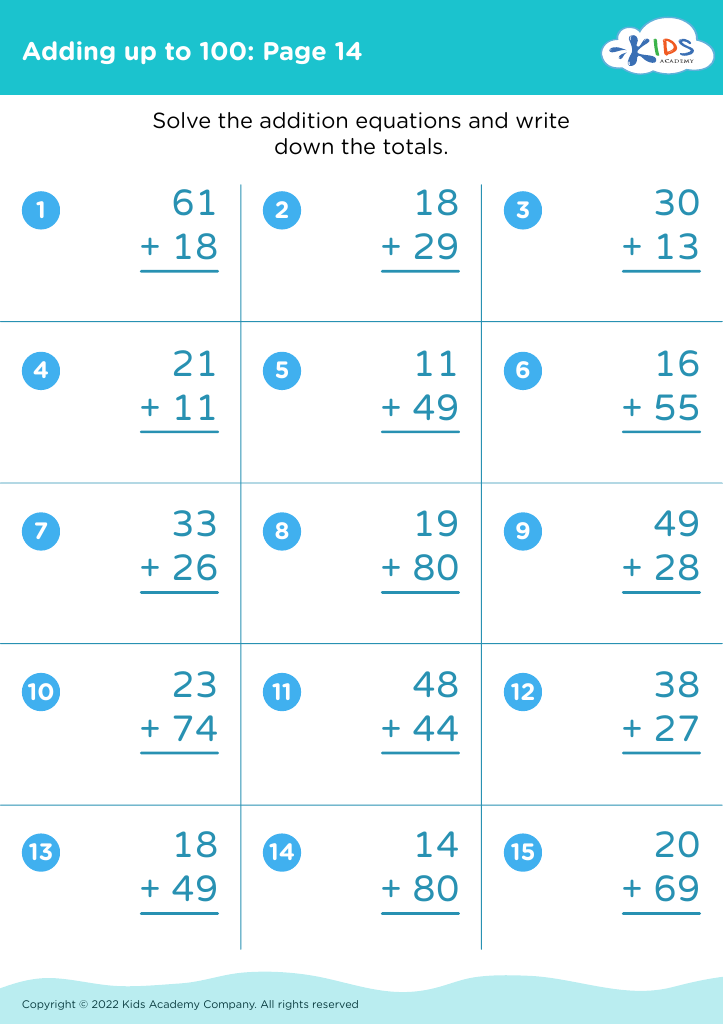
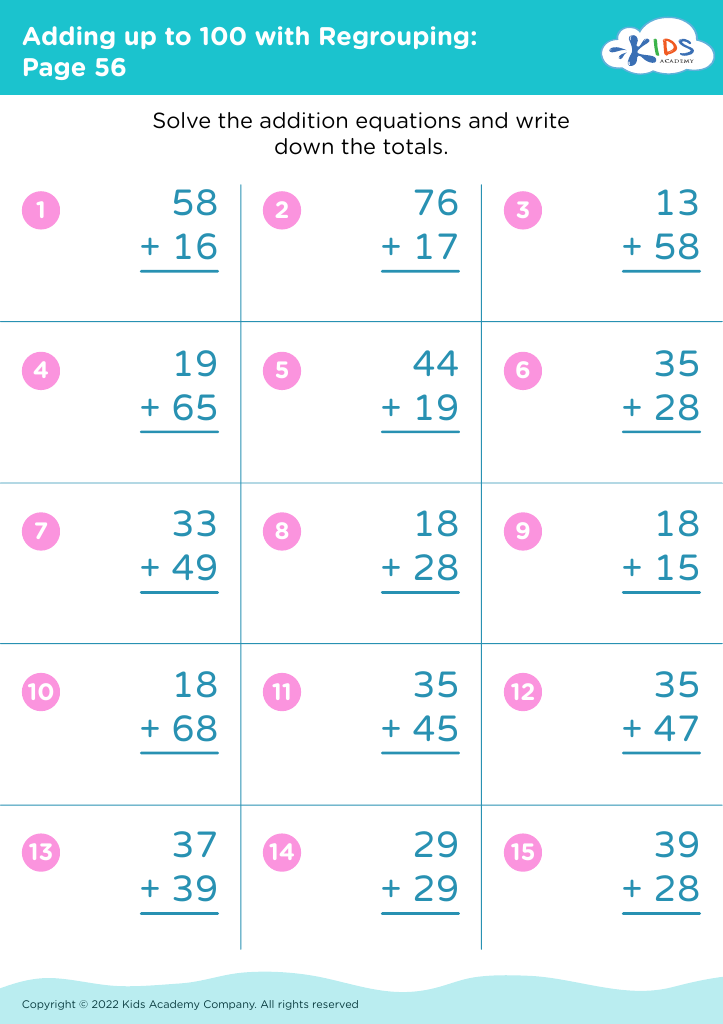
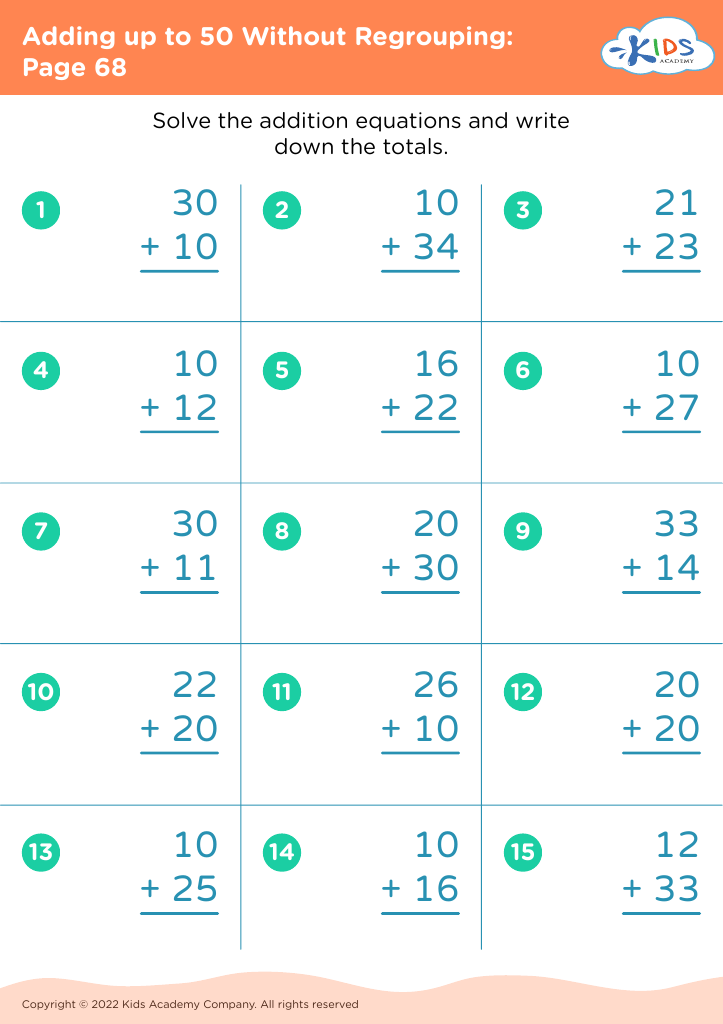




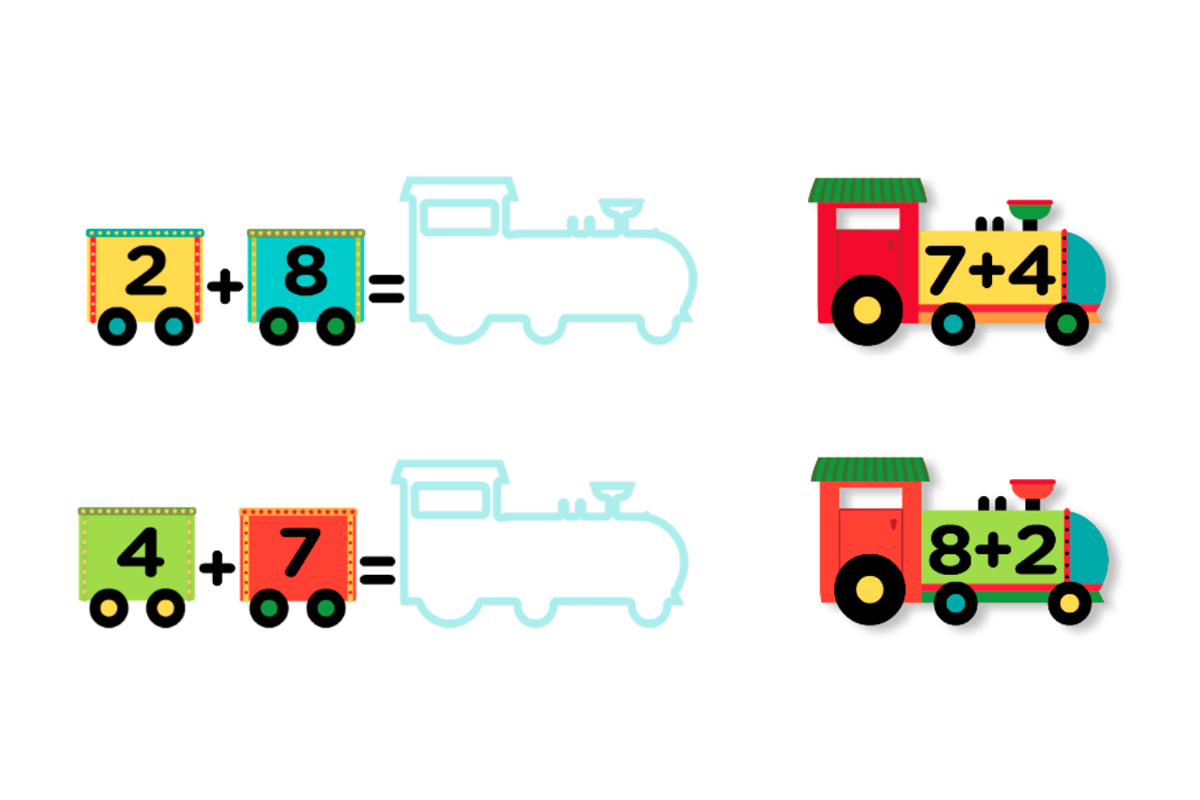



Recognizing shapes and understanding basic addition and subtraction are fundamental building blocks in a child's early education, especially for children aged 5-8. These skills are crucial for cognitive development and are foundational for more complex mathematical concepts and other academic subjects.
Shapes are a child's first introduction to geometry, teaching them how to classify and compare different objects based on their attributes, such as size and sides. Recognizing and distinguishing shapes enhances spatial awareness and visual perception, giving children the ability to make sense of the world around them. This is often linked to better problem-solving skills and can cultivate their interest in art and science.
Simultaneously, grasping basic addition and subtraction concepts is essential for numerical literacy. These operations are the building blocks of arithmetic, enabling children to develop a strong number sense. Understanding addition and subtraction facilitates everyday tasks, such as counting, measuring, and handling money, fostering a sense of independence. It also prepares them for future math topics like multiplication and division.
By prioritizing these areas, parents and teachers set children on a path toward academic success and practical life skills. Moreover, early proficiency in shapes and basic math fosters confidence and a positive attitude towards learning, proving invaluable throughout their education and beyond.








