Understanding number values Addition & Subtraction Worksheets for Ages 5-8
3 filtered results
-
From - To
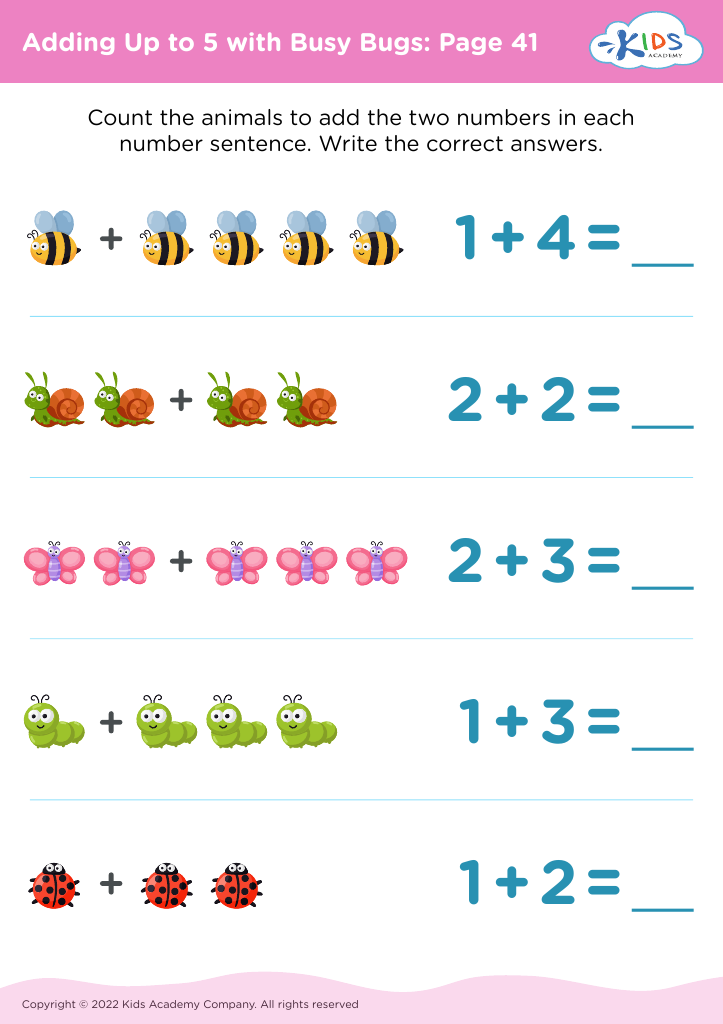
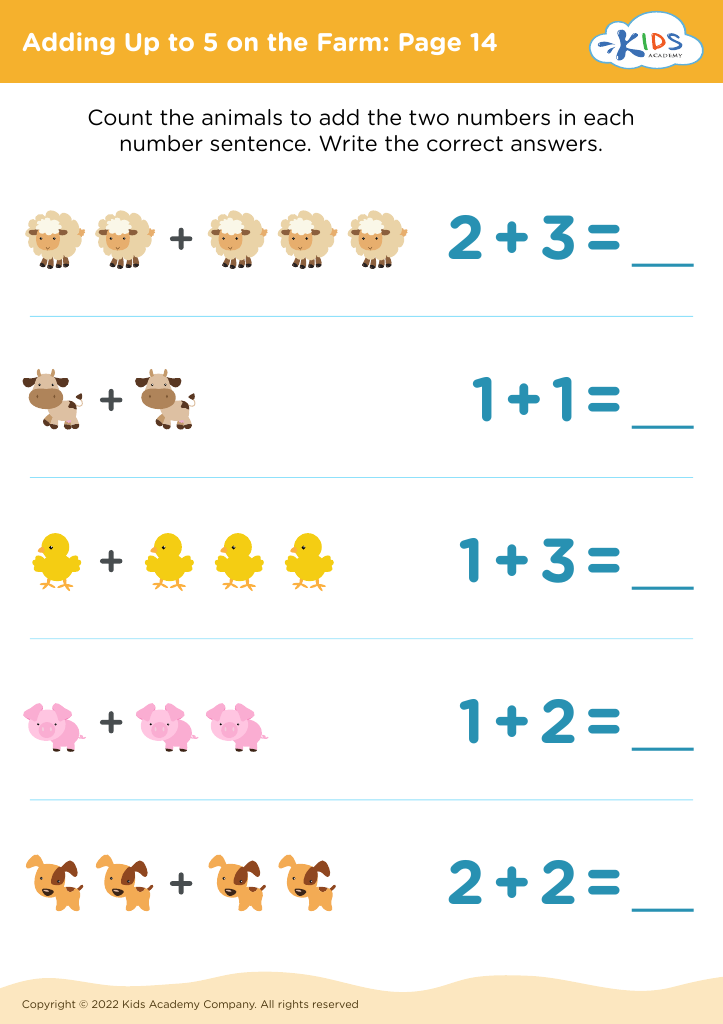
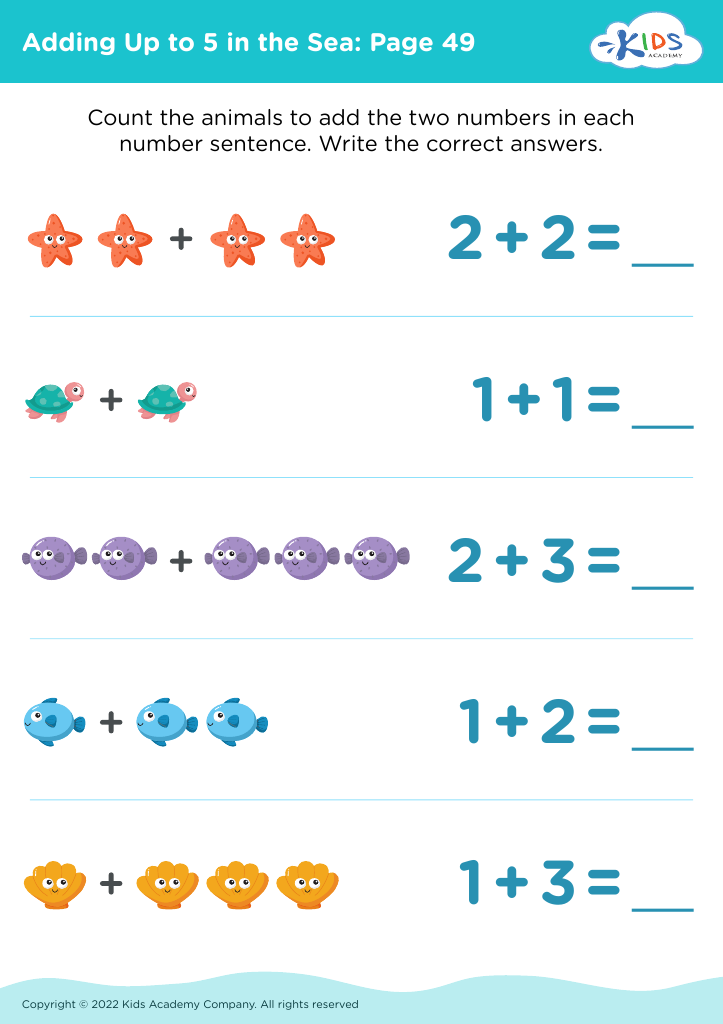
Our "Understanding Number Values: Addition & Subtraction Worksheets for Ages 5-8" are designed to make math fun and engaging for early learners. These printable resources focus on helping children grasp core concepts of number values through interactive addition and subtraction exercises. With colorful graphics and age-appropriate problems, kids will master basic math skills while building confidence and enhancing their understanding of numerical relationships. Ideal for both classroom learning and at-home practice, our worksheets offer a solid foundation in math, paving the way for future academic success. Explore now to support and enrich your child's mathematical journey!








Understanding number values and basic arithmetic operations like addition and subtraction forms the cornerstone of mathematical education for children ages 5-8. This foundational knowledge establishes critical cognitive pathways that support more complex mathematical reasoning and problem-solving skills later in life.
During these formative years, children develop what's called "number sense," an intuitive understanding of numbers, their magnitude, relationships, and how they are affected by operations like addition and subtraction. This sense is crucial for everyday activities such as counting money, telling time, and measuring ingredients in a recipe. When children grasp these concepts early, it boosts their confidence and enthusiasm towards mathematics, fostering a positive attitude that can influence their long-term academic trajectory.
Moreover, these skills also seep into other subjects. For instance, understanding sequences and patterns—which are fundamentally tied to number values, addition, and subtraction—can enhance a child's abilities in reading and comprehension.
Teachers and parents play a key role by providing consistent practice, engaging activities, and real-life applications that make these concepts tangible. Ensuring that children can successfully navigate these early math challenges sets the stage for lifelong learning, not just in mathematics but across all academic disciplines, and equips them with problem-solving skills indispensable in everyday life.








