Visual learning reinforcement Addition & Subtraction Worksheets for Ages 5-8
8 filtered results
-
From - To
Boost your child's math skills with our engaging Visual Learning Reinforcement Addition & Subtraction Worksheets designed for ages 5-8! These worksheets utilize colorful visuals and interactive activities to help young learners grasp essential math concepts in a fun and memorable way. By combining eye-catching images with numerical problems, children can enhance their understanding of addition and subtraction through visual representation. Perfect for classroom or home use, our resources encourage mastery of basic arithmetic while fostering a love for learning. Help your child build a strong mathematical foundation and watch their confidence soar with these expertly crafted worksheets!
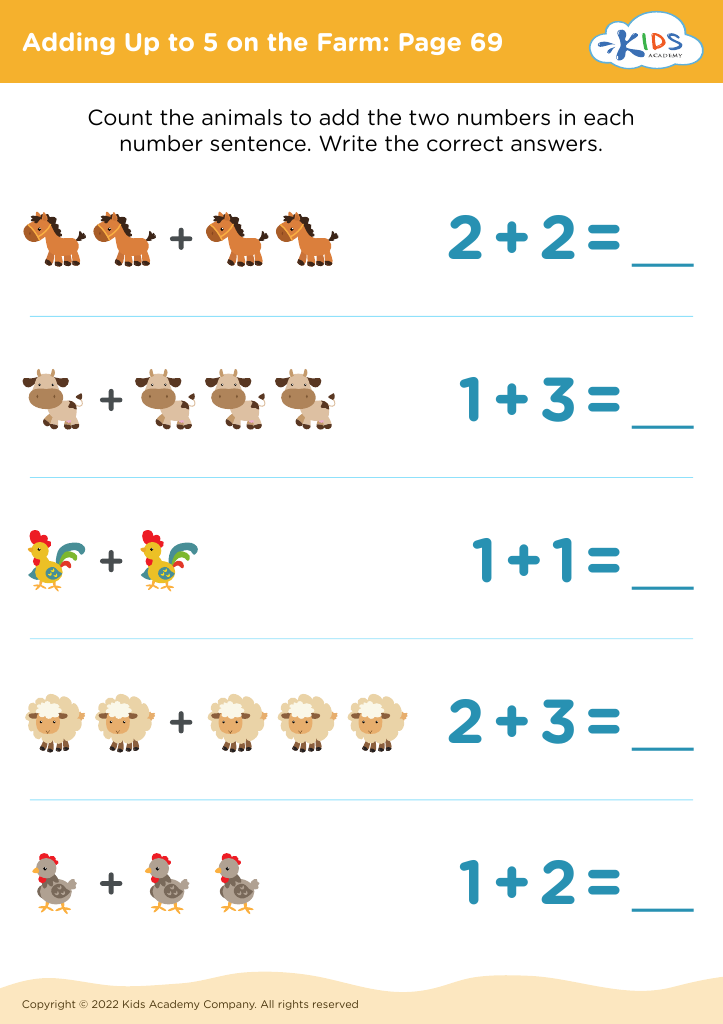
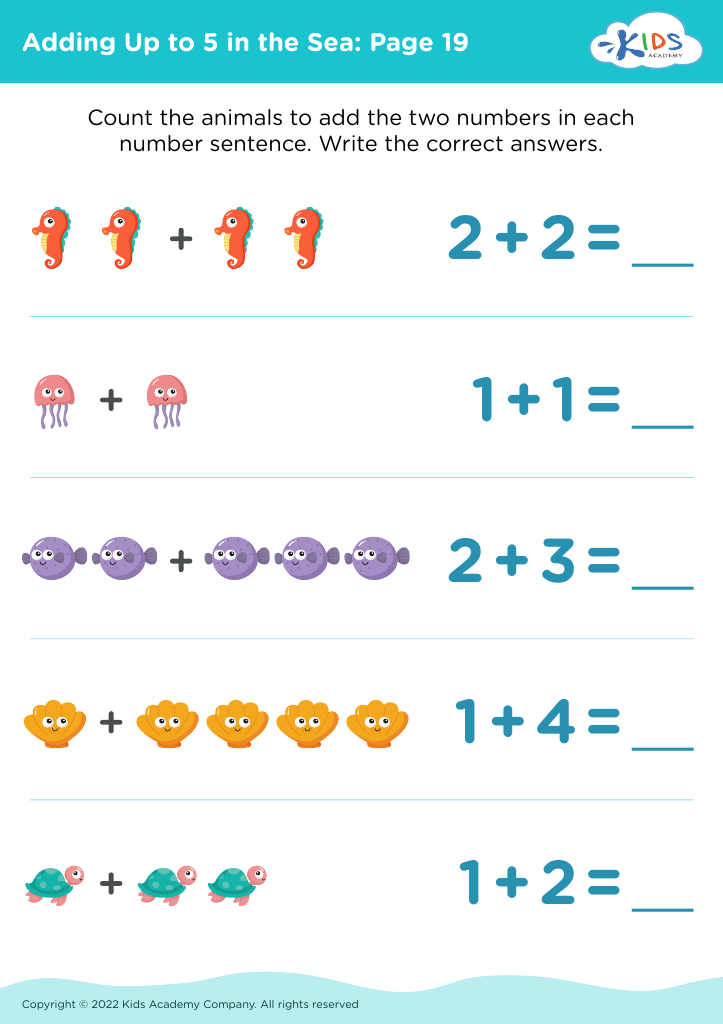
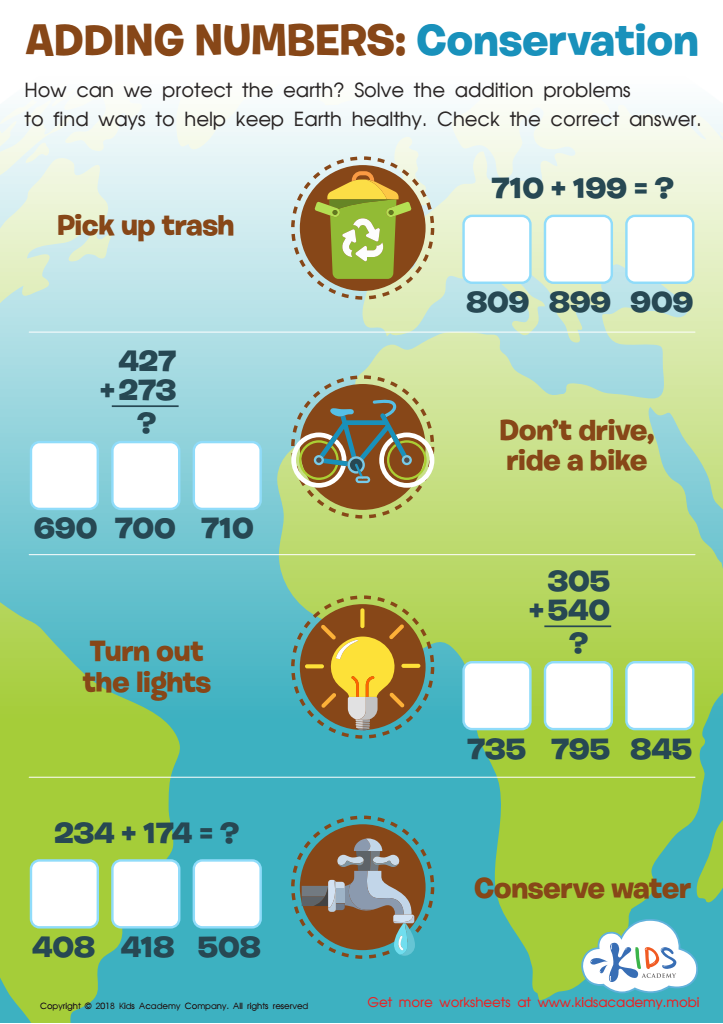
Adding Numbers: Conservation Worksheet
 Assign to My Students
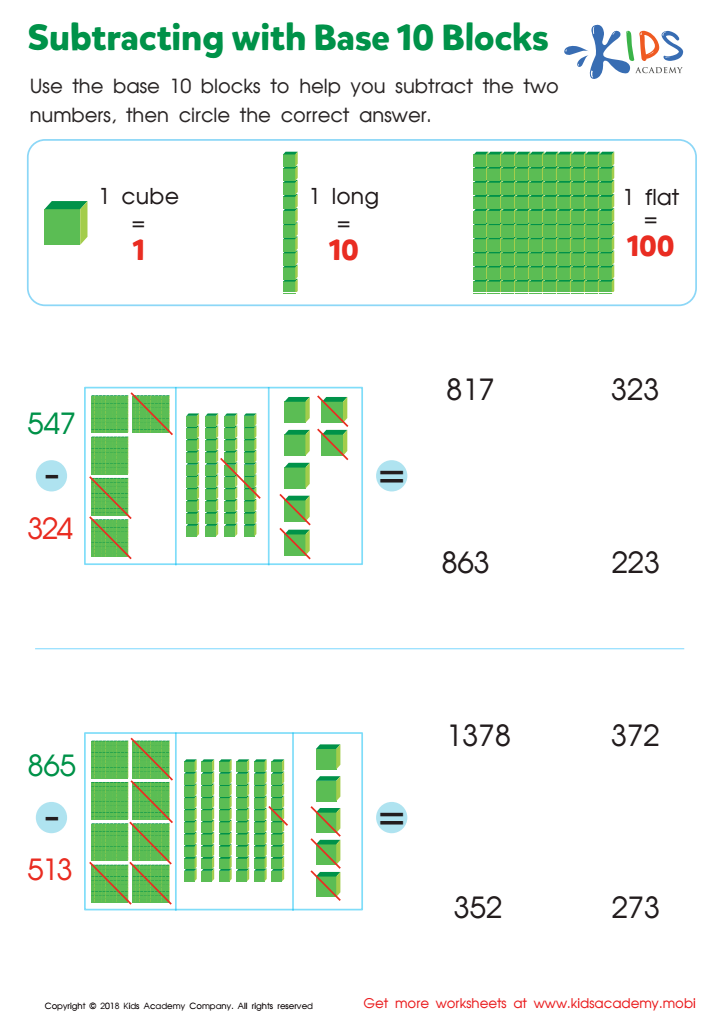
Subtracting with Base 10 Blocks Worksheet
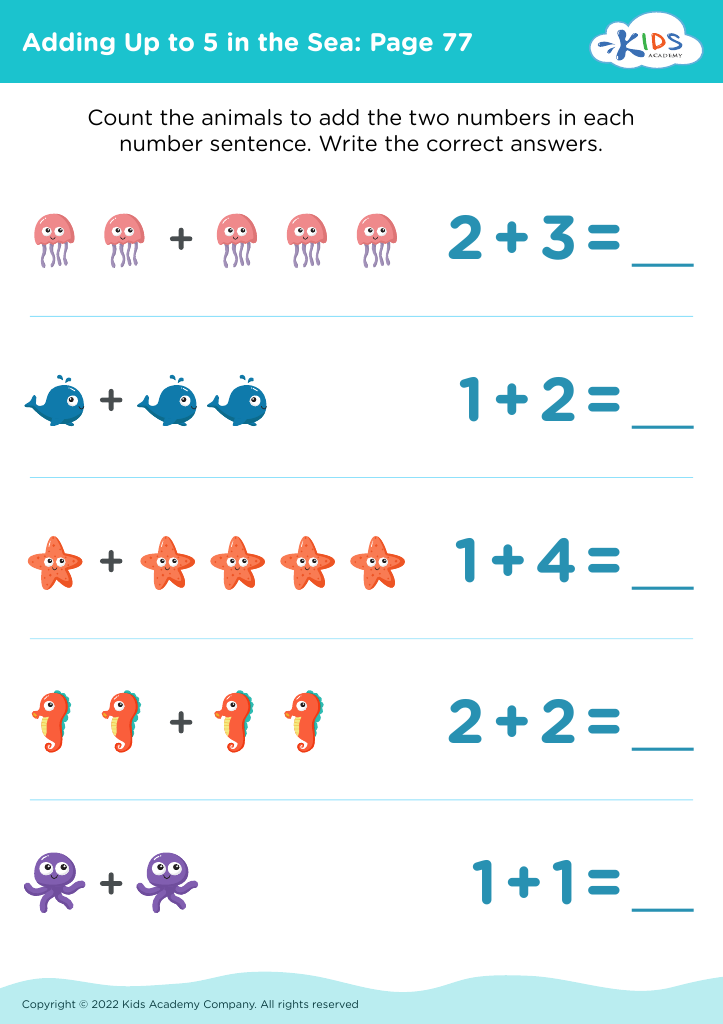
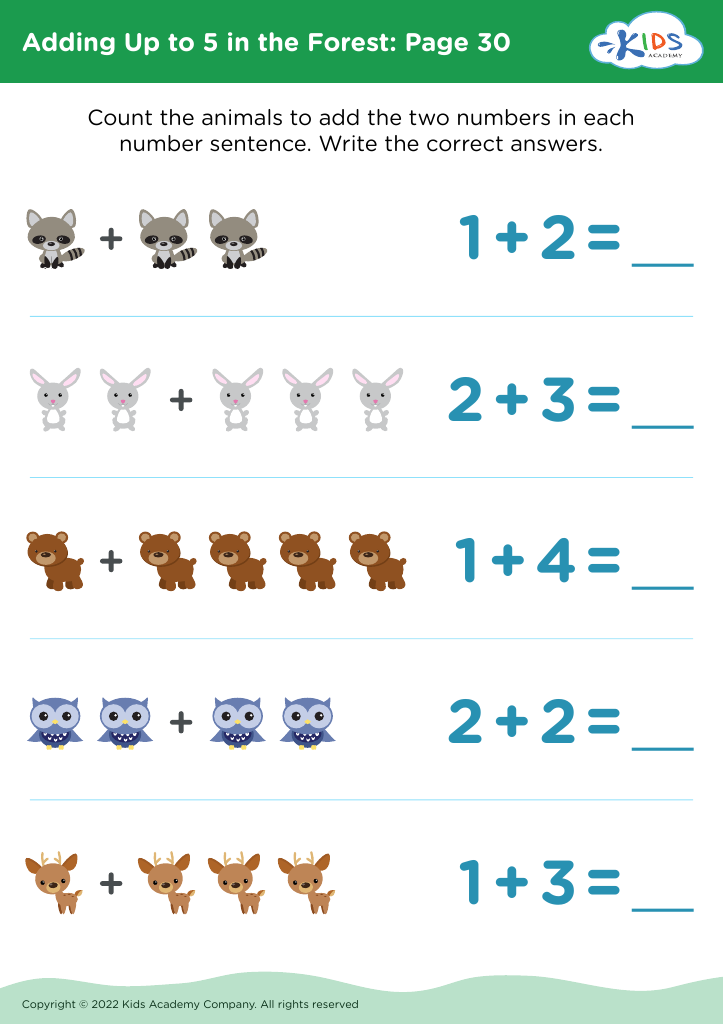
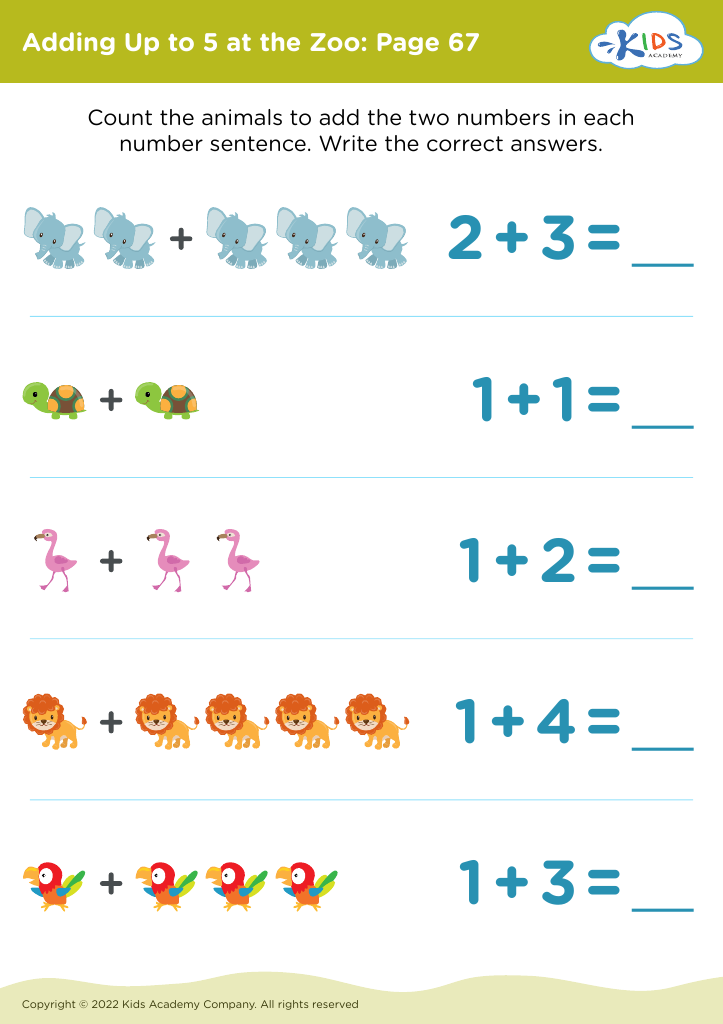
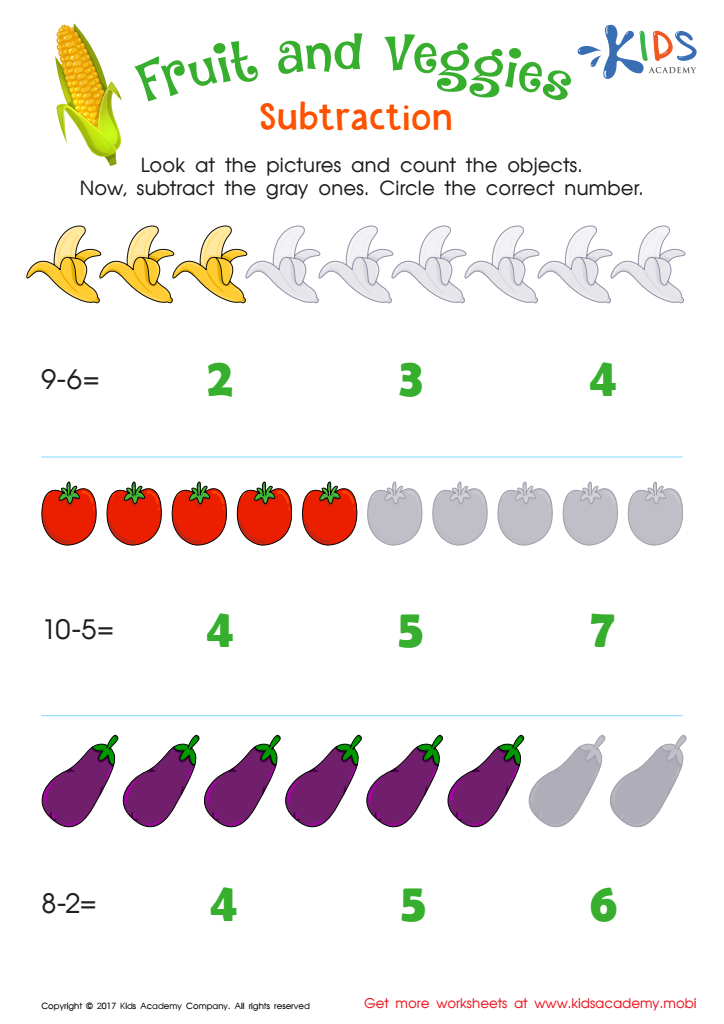
Fruit and Veggies Subtraction Worksheet








Visual learning reinforcement in addition and subtraction is vital for young learners aged 5-8 due to their developing cognitive abilities and learning styles. At this age, children are particularly receptive to visual stimuli, which enhance their understanding and retention of mathematical concepts. By incorporating visual aids, such as manipulatives, number lines, and diagrams, teachers and parents can create a more engaging and effective learning environment.
Visual learning helps to simplify complex processes, making abstract concepts like addition and subtraction more tangible. For instance, using objects like counting blocks or drawings allows children to physically see and manipulate numbers, aiding in the comprehension of how numbers work together. This multi-sensory approach supports different types of learners, ensuring that each child has the opportunity to grasp the material in a way that resonates with them.
Furthermore, visual learning fosters critical thinking and problem-solving skills as students learn to visualize and organize their thoughts around mathematical operations. By emphasizing visual reinforcement, educators and parents can build a strong foundational understanding in math that not only prepares children for future math concepts but also boosts their confidence and enthusiasm for learning. Ultimately, investing time in visual learning strategies leads to better educational outcomes for our young learners.








