Alphabet Recognition Addition Worksheets for Ages 5-8
4 filtered results
-
From - To
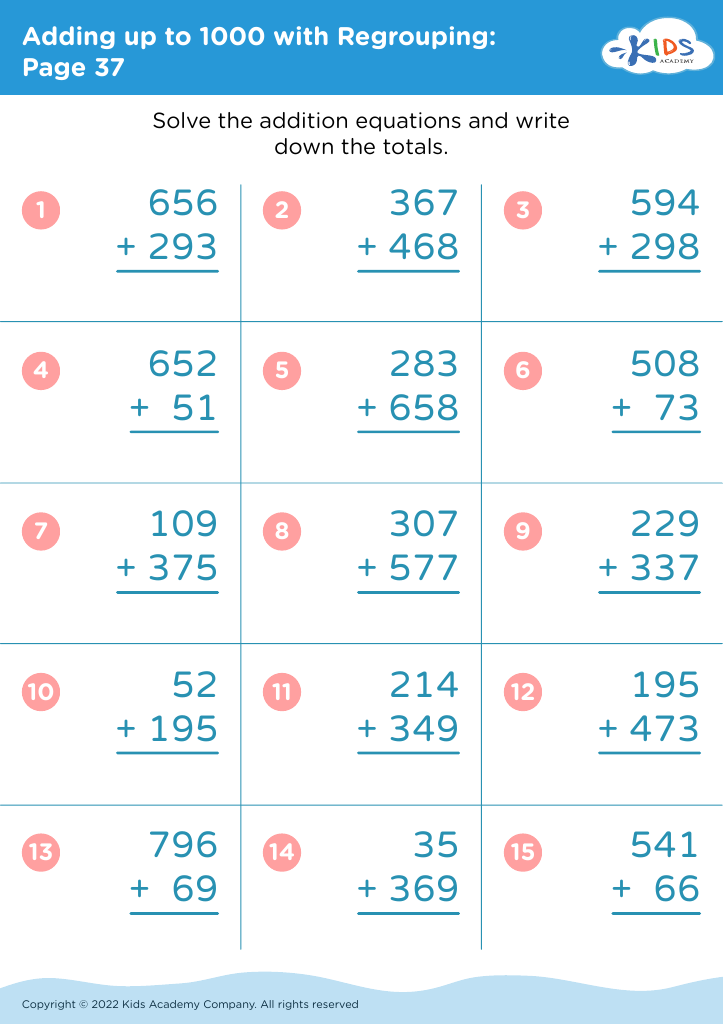
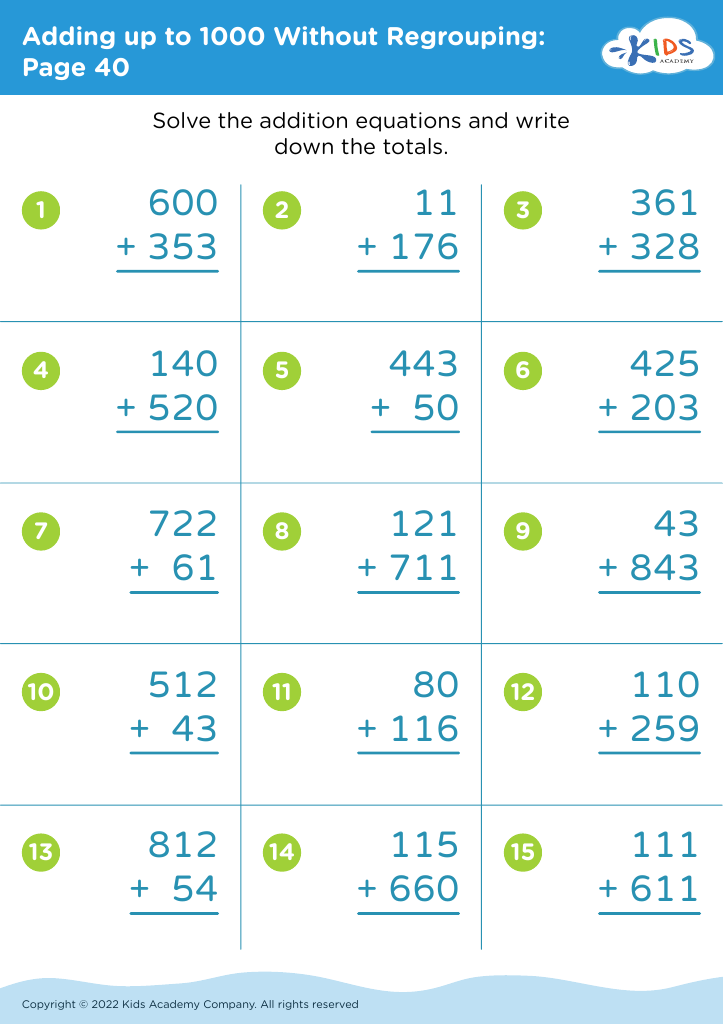
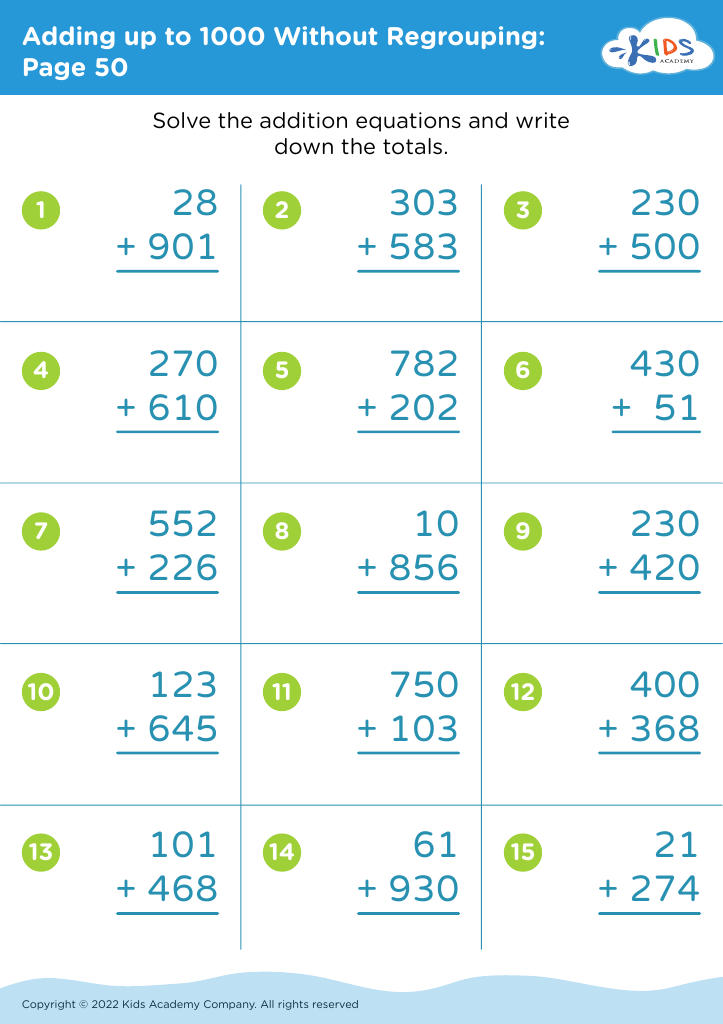
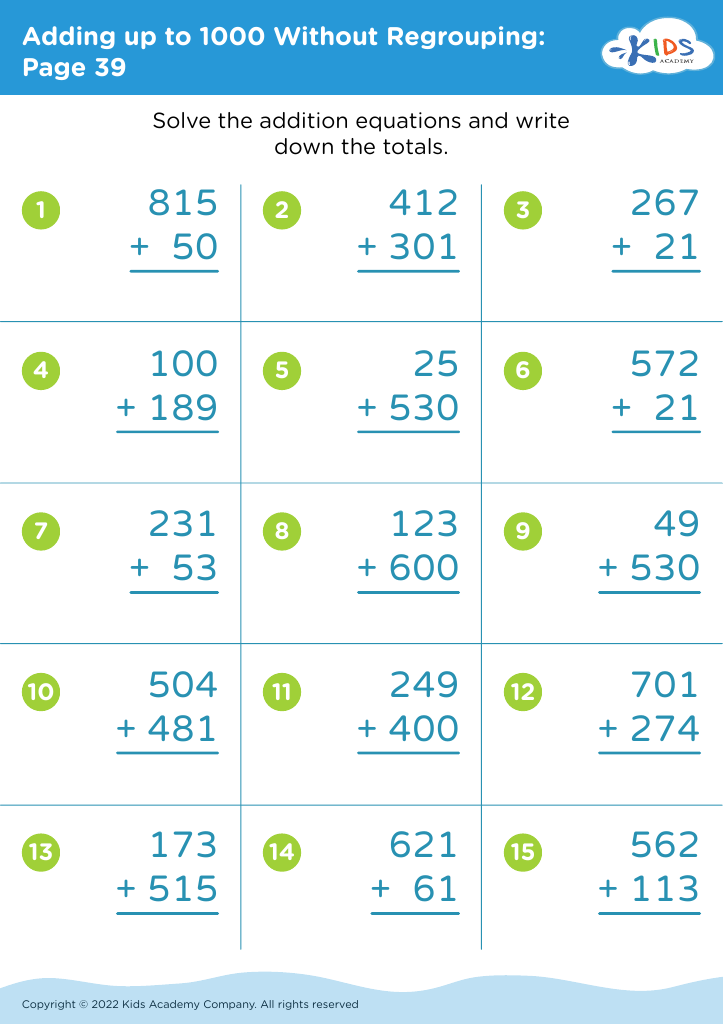
Unlock your child's potential with our engaging Alphabet Recognition Addition Worksheets designed for ages 5-8! These worksheets combine the essential skills of letter recognition and basic addition, making learning fun and interactive. Each worksheet features colorful illustrations and easy-to-follow exercises that captivate young minds, encouraging them to recognize letters while practicing addition. Perfect for parents and educators, our resource fosters essential cognitive skills and builds a solid foundation in math and literacy. Download your free printable worksheets today and give your child the tools they need to succeed in their educational journey! Start exploring the world of letters and numbers instantly!








Alphabet recognition is foundational for literacy and language development in children ages 5-8. At this age, children begin to understand that letters symbolize sounds and words, which is crucial for reading and writing. Mastery of the alphabet equips children with the skills needed to decode text and build vocabulary, allowing them to engage with educational materials more effectively.
Furthermore, knowing the alphabet is linked to cognitive development, enhancing memory and attention skills. Activities that involve alphabet recognition also promote fine motor skills through writing and interacting with letters, helping to prepare children for more advanced literacy tasks.
For parents and teachers, fostering alphabet recognition creates a stronger base for academic success. Early intervention in helping a child master the alphabet can reduce future reading difficulties and boost overall confidence in their abilities. Establishing a solid literacy foundation empowers children to express themselves, understand instructions, and interact socially through communication.
In summary, promoting alphabet recognition in children ages 5-8 is essential for their educational journey, providing them with the tools needed for effective reading, writing, and overall learning. By prioritizing this skill, we set the stage for lifelong literacy and academic enthusiasm.








