Filters

83 filtered results

Clear all filters
Favorites
With answer key
Interactive

83 filtered results

Difficulty Level

Grade


Check out this FREE Trial Lesson on Addition for age 5-8!

X

Favorites
With answer key
Interactive
  • 5-8
  • Comparing Fractions
  • Addition
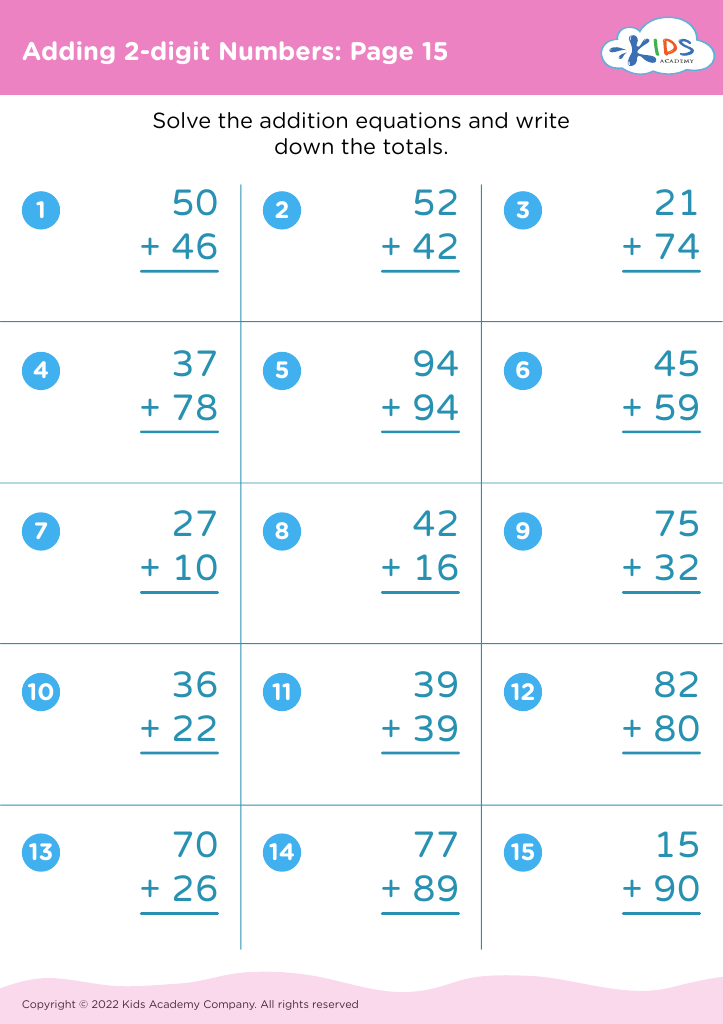
Adding 2-digit Numbers: Page 15

Adding 2-digit Numbers: Page 15

Adding 2-digit Numbers: Page 15
Worksheet
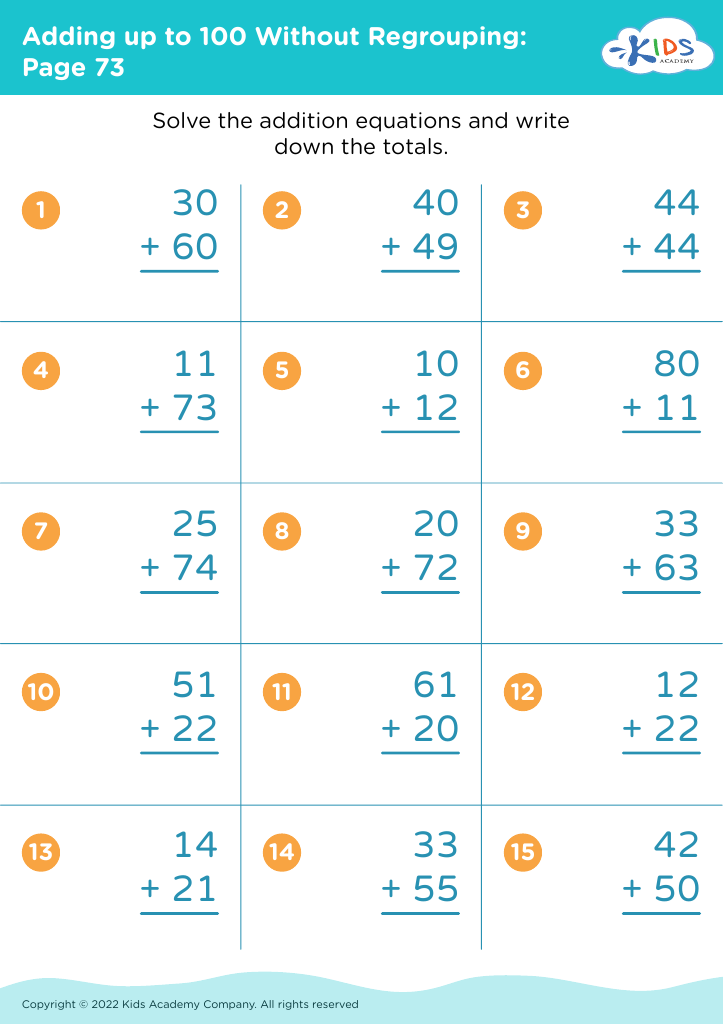
Adding up to 100 Without Regrouping: Page 73
Worksheet
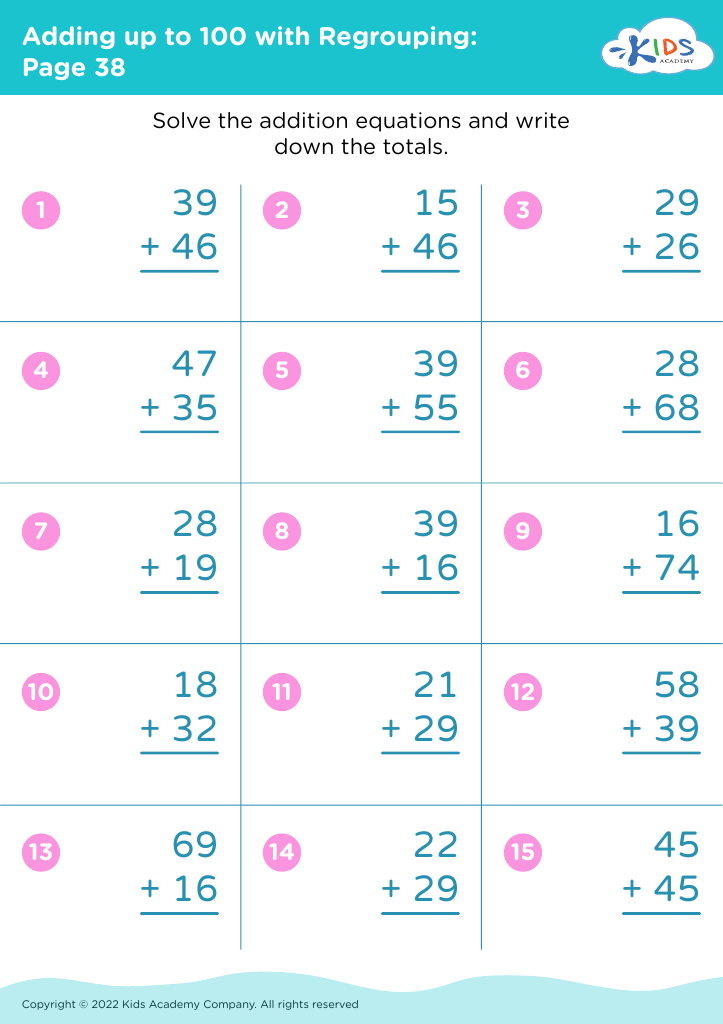
Adding up to 100 with Regrouping: Page 38
Worksheet
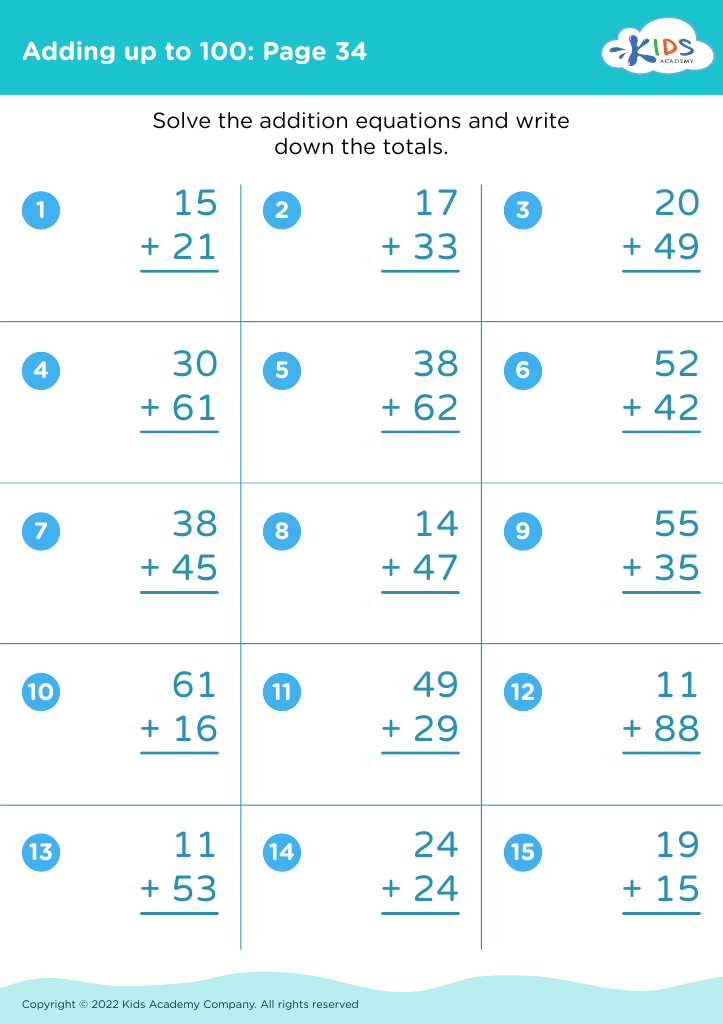
Adding up to 100: Page 34

Adding up to 100: Page 34

Adding up to 100: Page 34
Worksheet
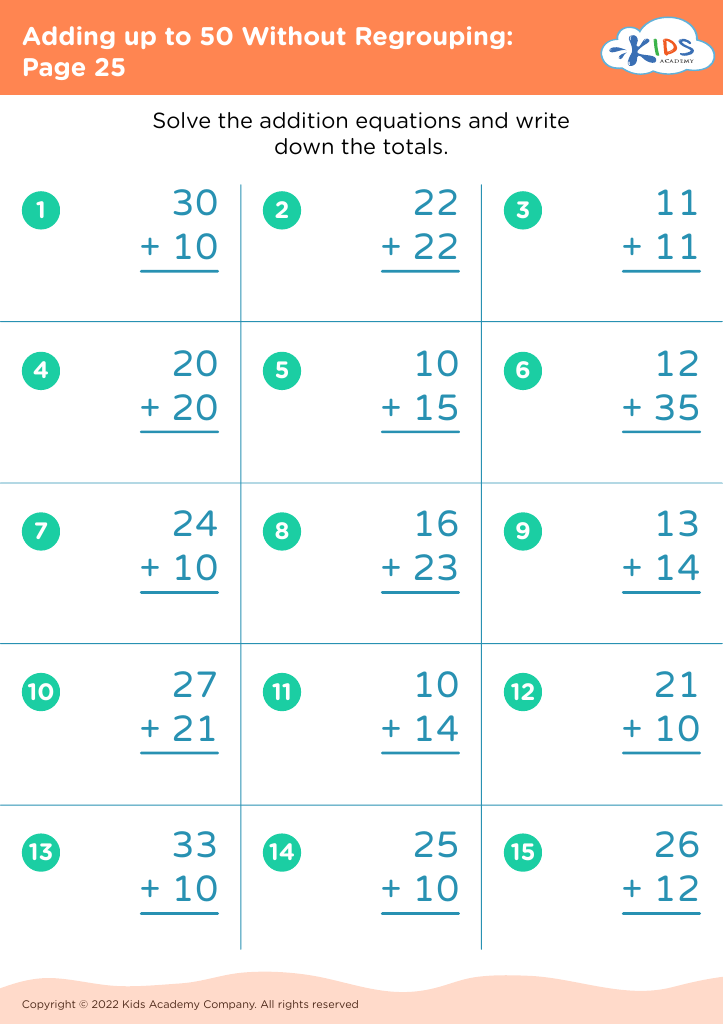
Adding up to 50 Without Regrouping: Page 25
Worksheet
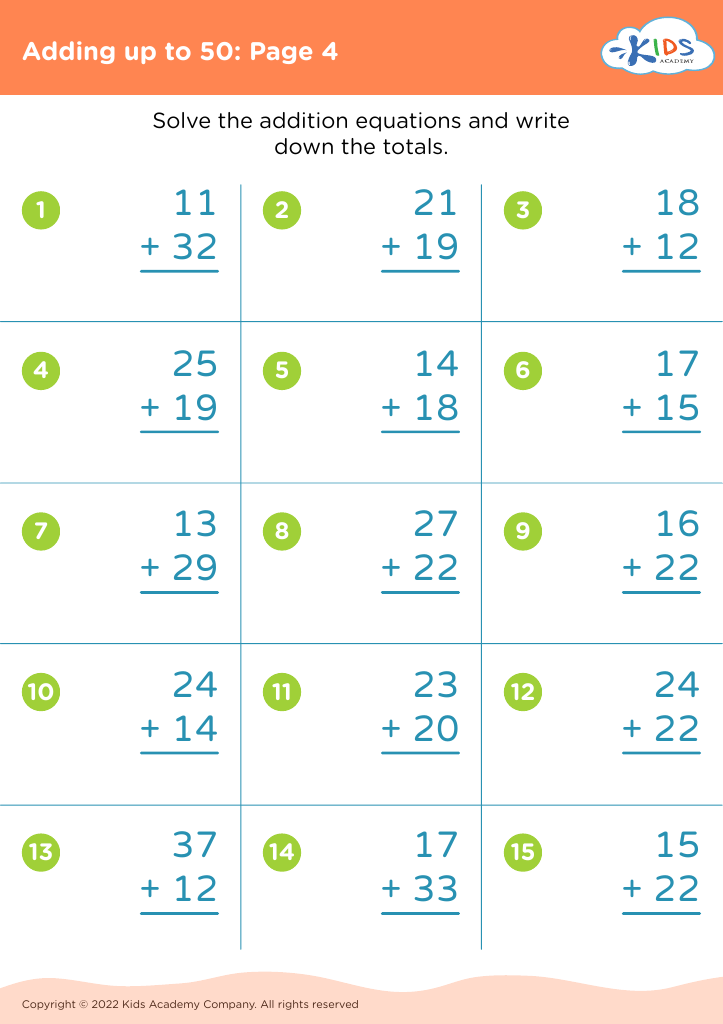
Adding up to 50: Page 4

Adding up to 50: Page 4

Adding up to 50: Page 4
Worksheet
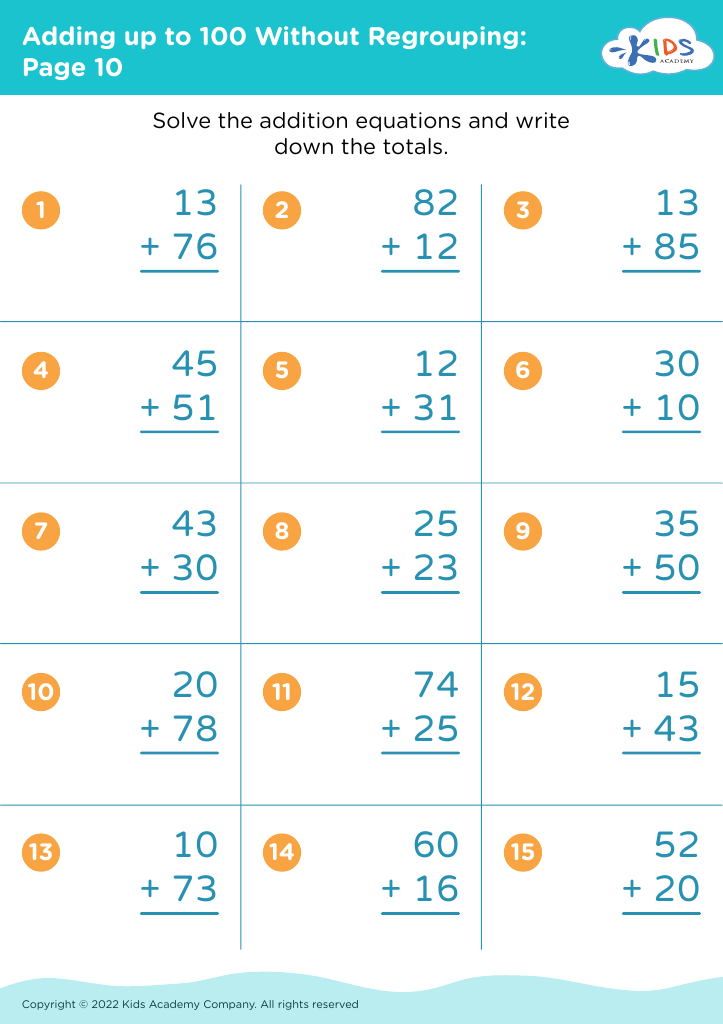
Adding up to 100 Without Regrouping: Page 10
Worksheet
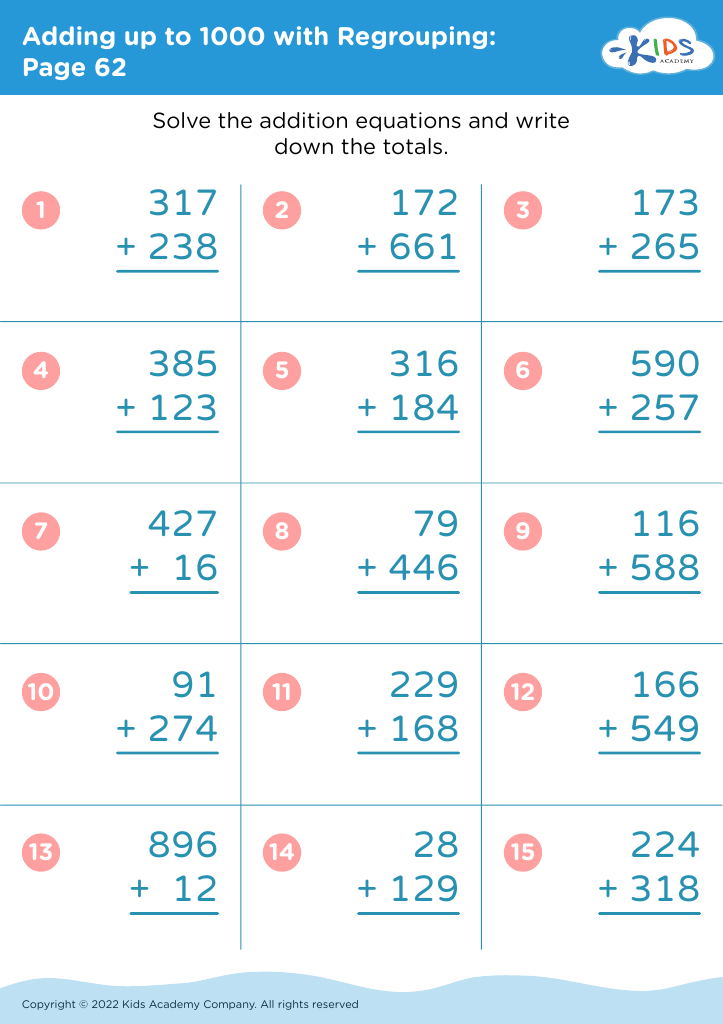
Adding up to 1000 with Regrouping: Page 62
Worksheet
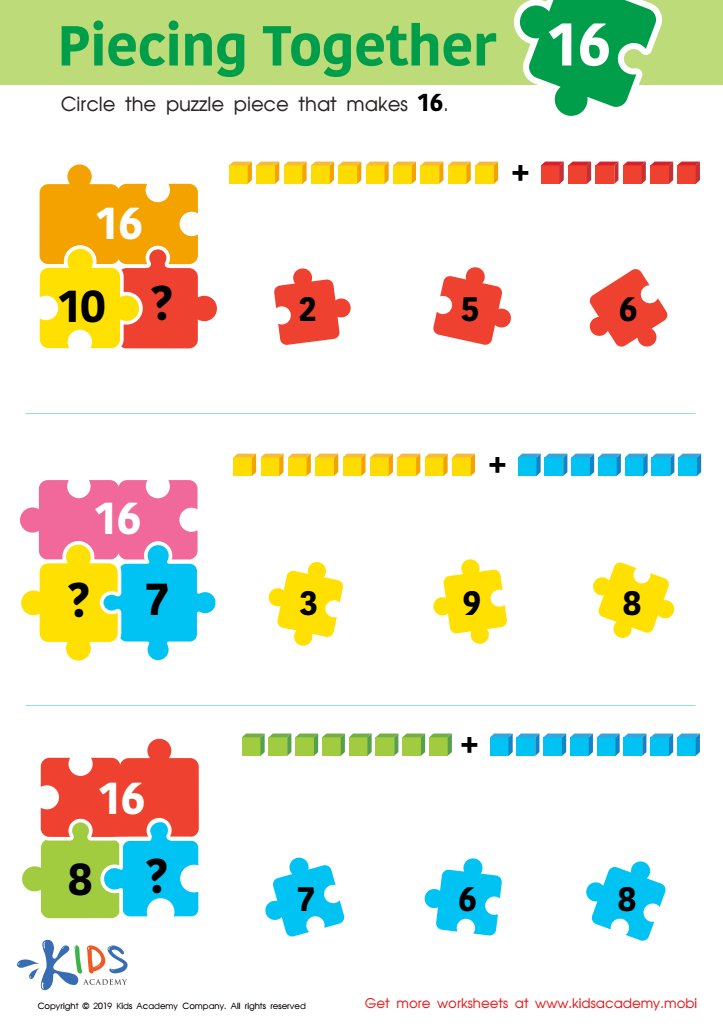
Piecing Together 16 Worksheet

Piecing Together 16 Worksheet

Combine learning with fun using this colorful worksheet! Ask your preschoolers what they see in the picture, then help them solve the mathematical equations on the puzzle pieces. One equation is missing on each; have them circle the piece that will make the bottom puzzle piece numbers equal 16. Use puzzles and bright colors to teach - it's one of the best ways your kids can learn!
Piecing Together 16 Worksheet
Worksheet
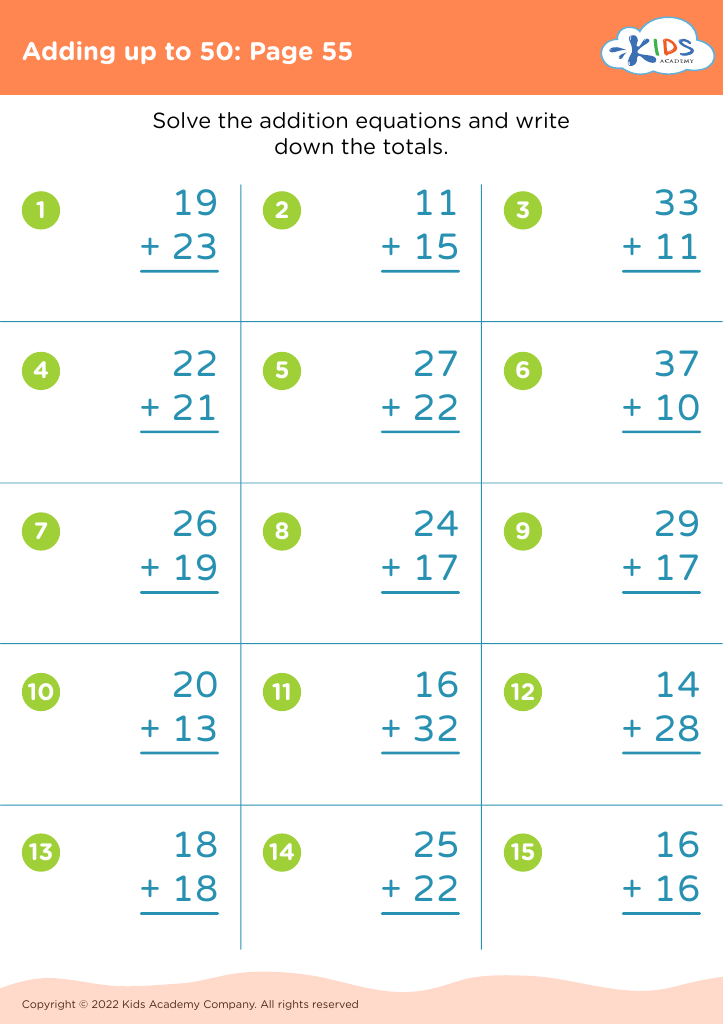
Adding up to 50: Page 55

Adding up to 50: Page 55

Adding up to 50: Page 55
Worksheet
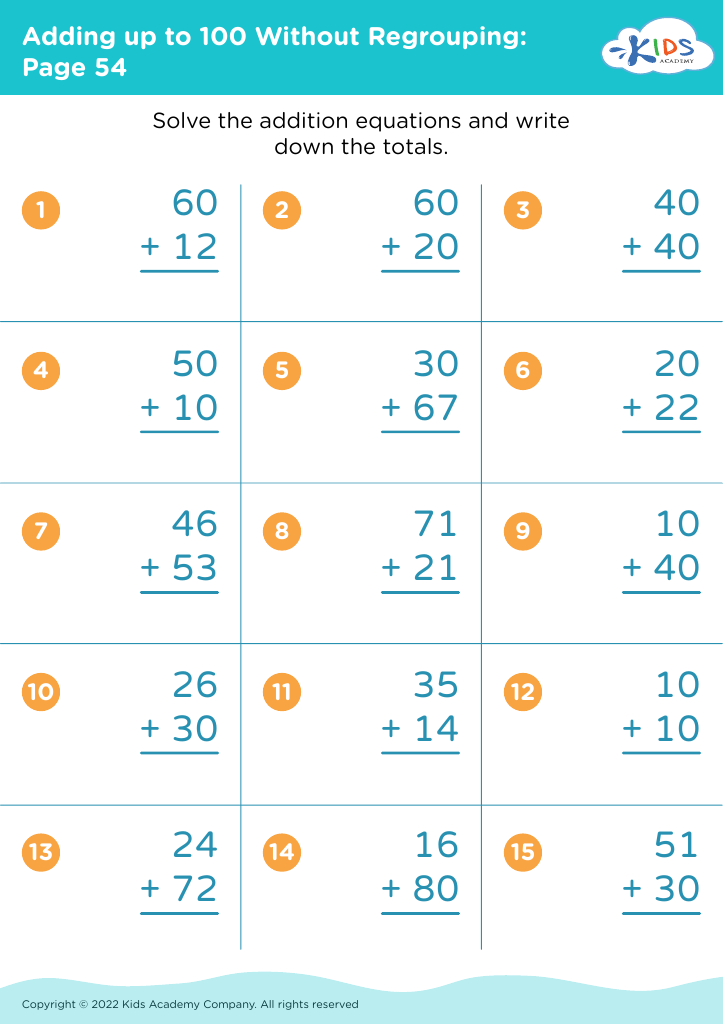
Adding up to 100 Without Regrouping: Page 54
Worksheet
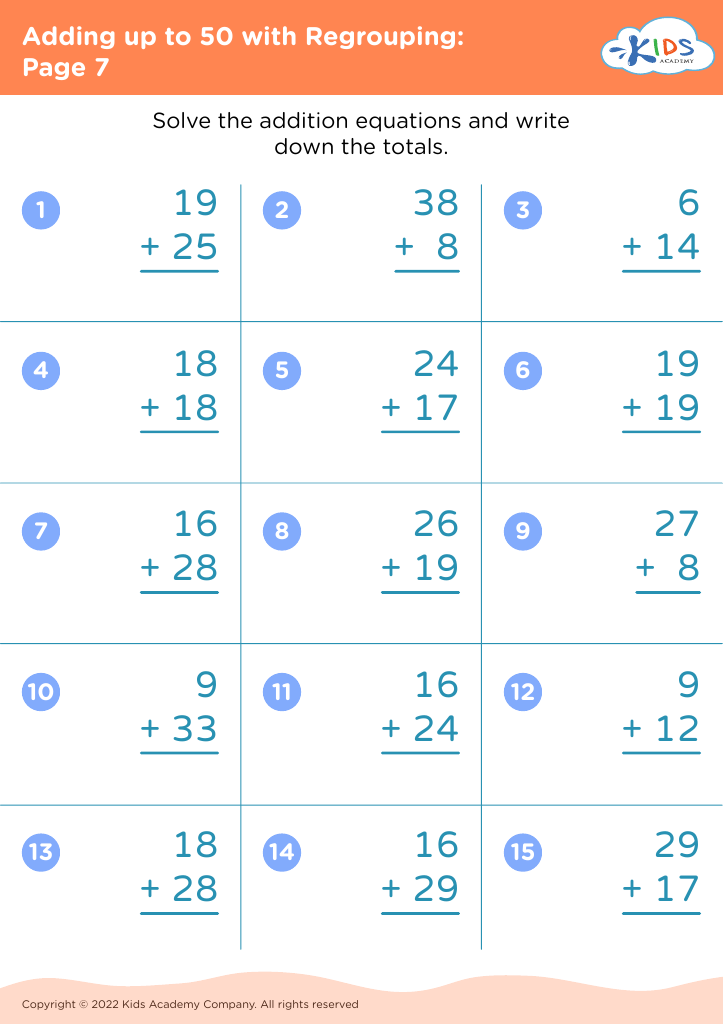
Adding up to 50 with Regrouping: Page 7
Worksheet
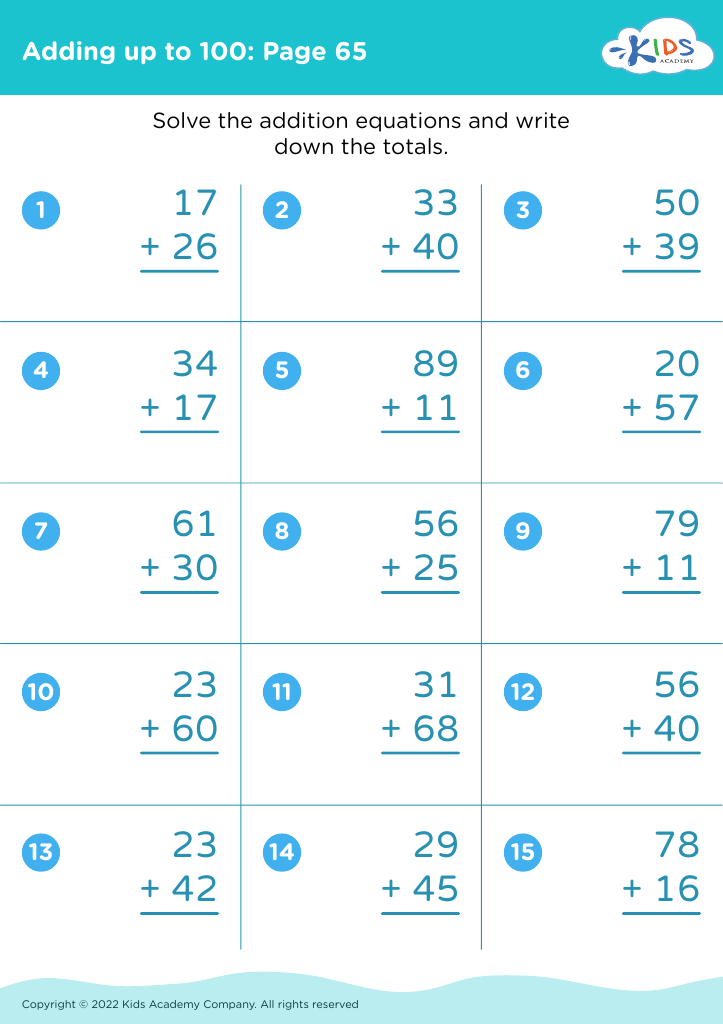
Adding up to 100: Page 65

Adding up to 100: Page 65

Adding up to 100: Page 65
Worksheet
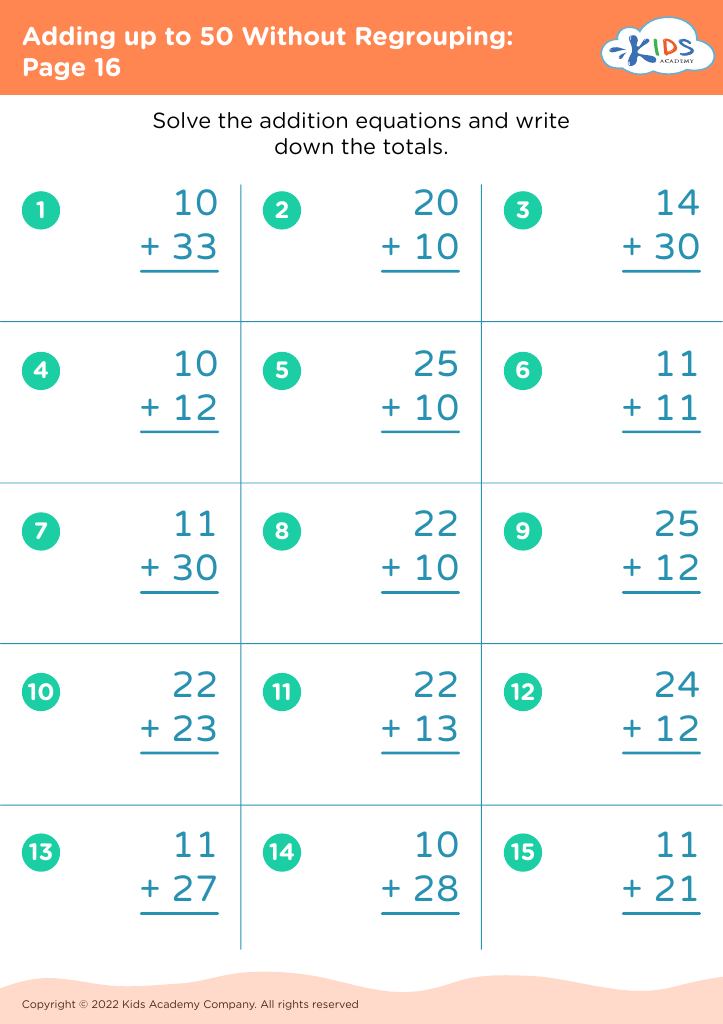
Adding up to 50 Without Regrouping: Page 16
Worksheet
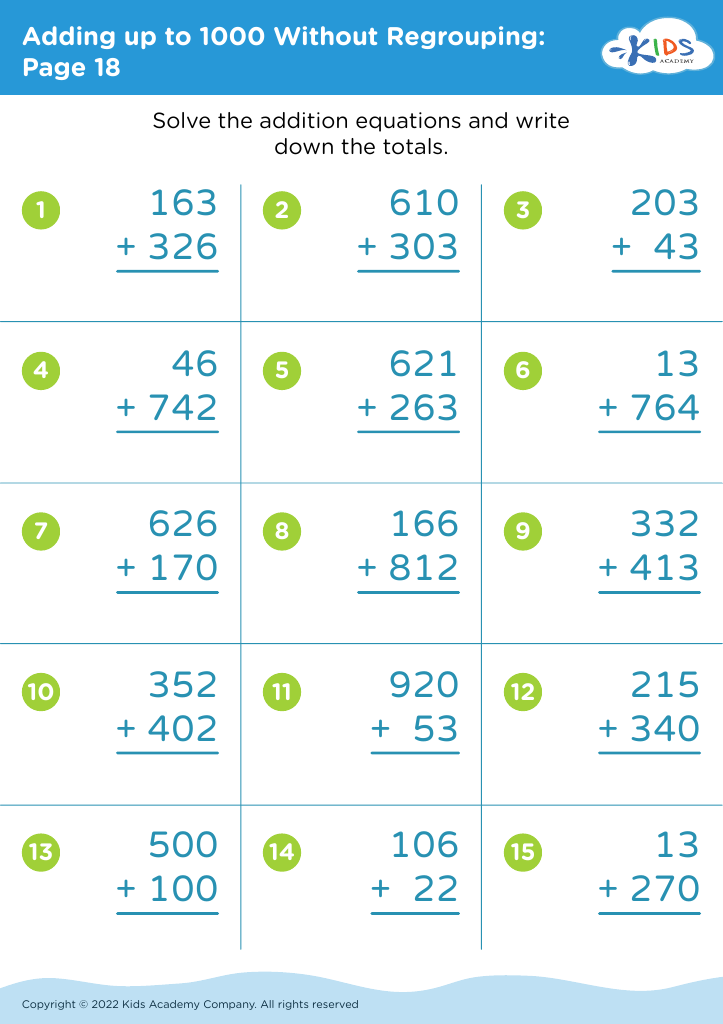
Adding up to 1000 Without Regrouping: Page 18
Worksheet
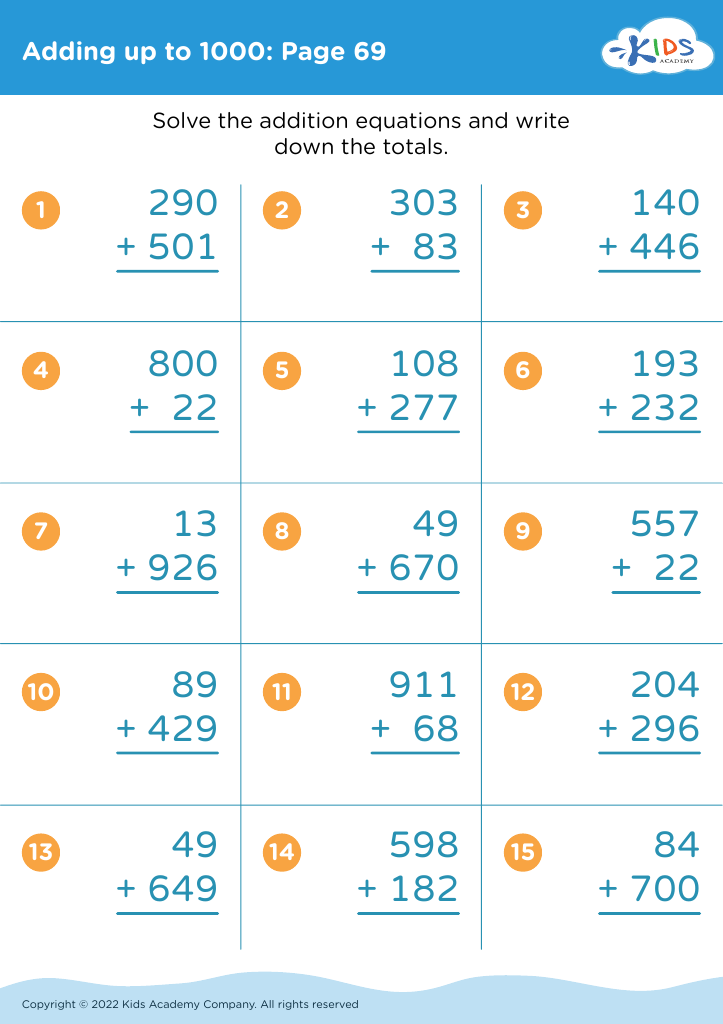
Adding up to 1000: Page 69

Adding up to 1000: Page 69

Adding up to 1000: Page 69
Worksheet
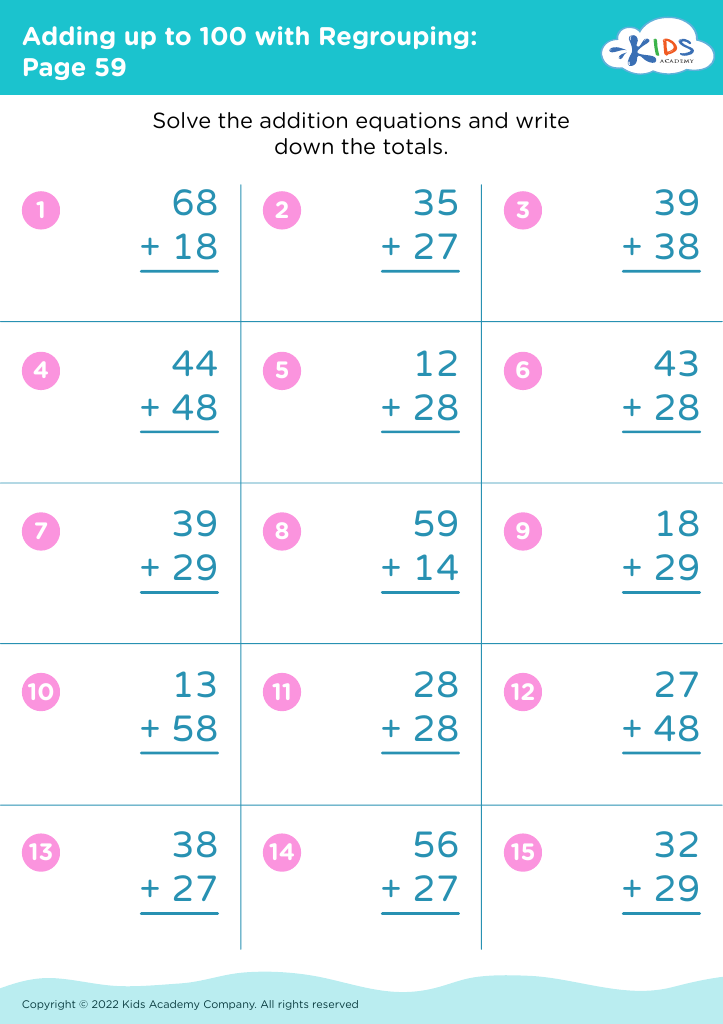
Adding up to 100 with Regrouping: Page 59
Worksheet
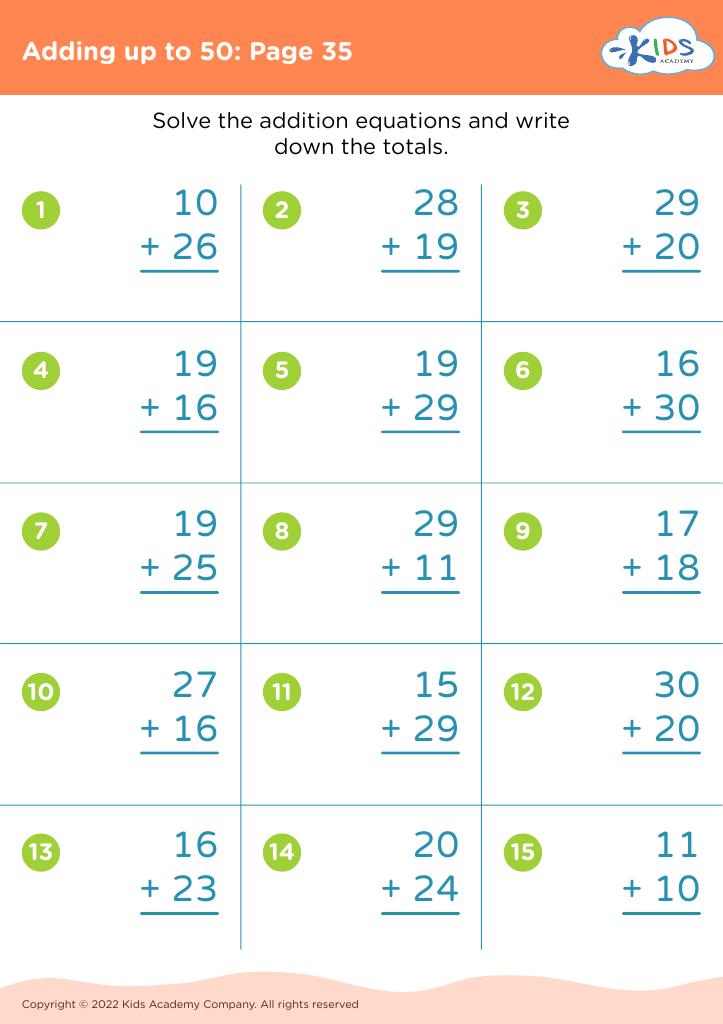
Adding up to 50: Page 35

Adding up to 50: Page 35

Adding up to 50: Page 35
Worksheet
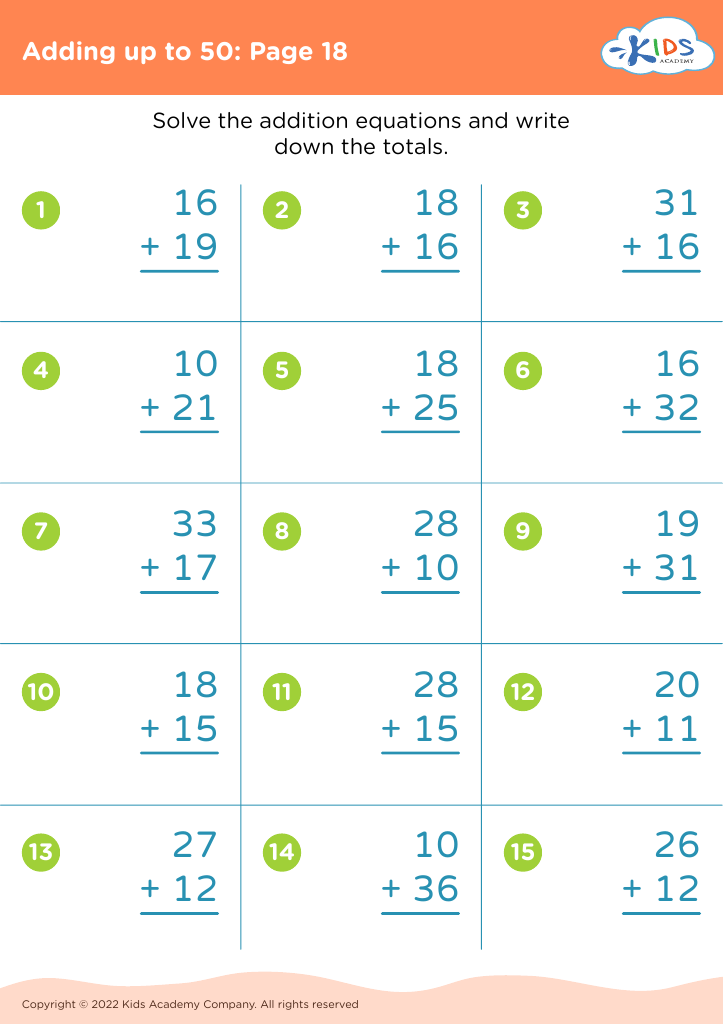
Adding up to 50: Page 18

Adding up to 50: Page 18

Adding up to 50: Page 18
Worksheet
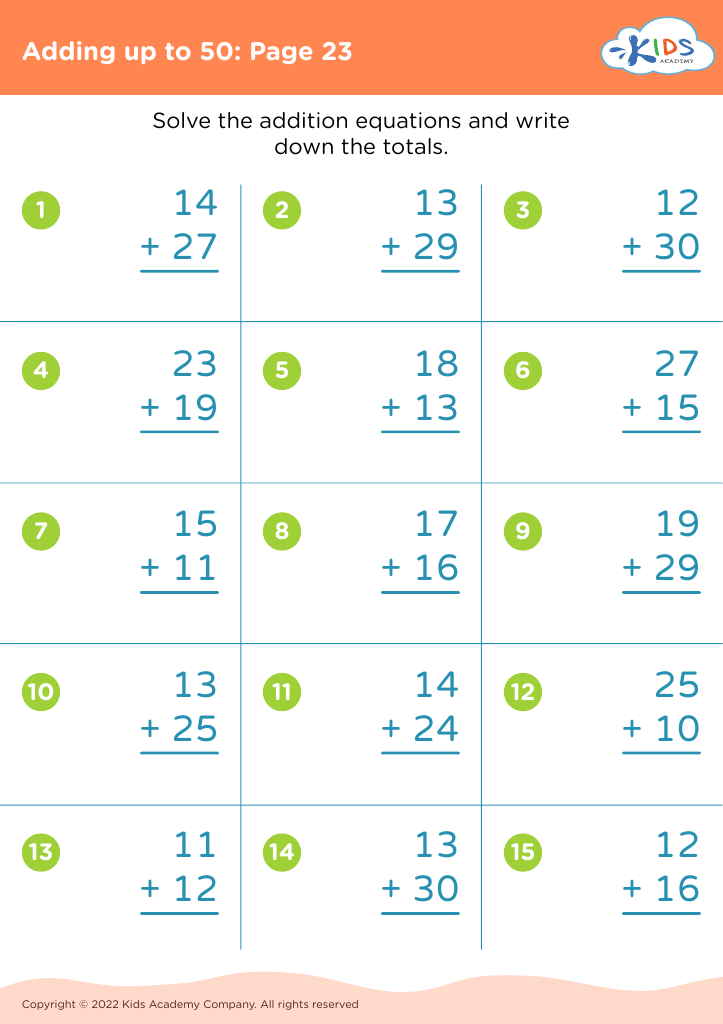
Adding up to 50: Page 23

Adding up to 50: Page 23

Adding up to 50: Page 23
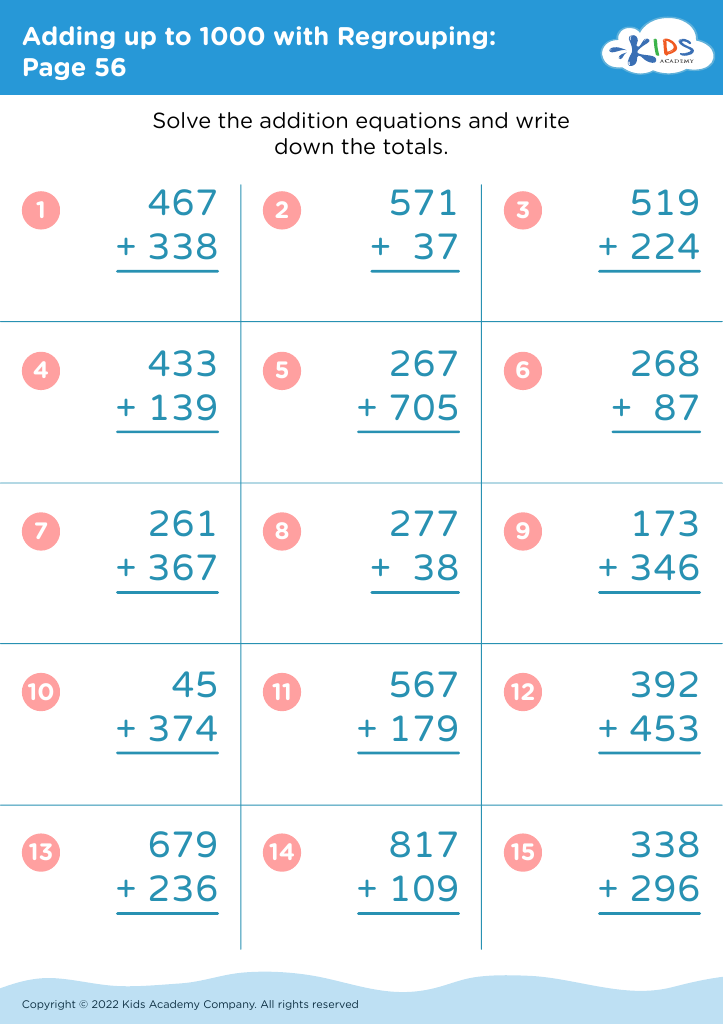
Worksheet
Adding up to 1000 with Regrouping: Page 56
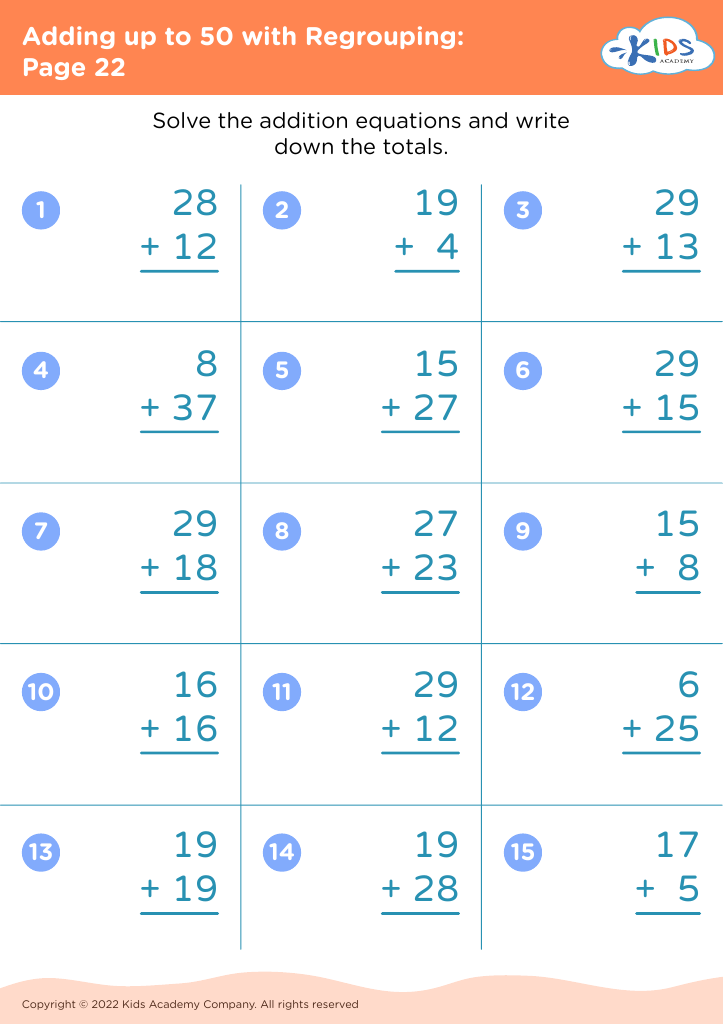
Worksheet
Adding up to 50 with Regrouping: Page 22
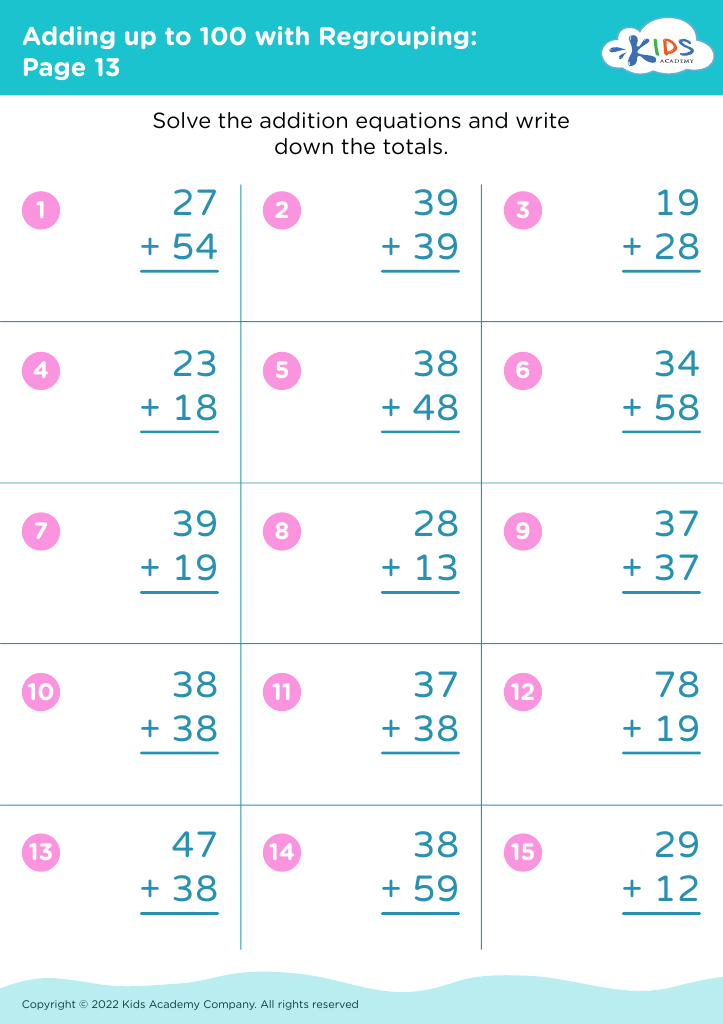
Worksheet
Adding up to 100 with Regrouping: Page 13
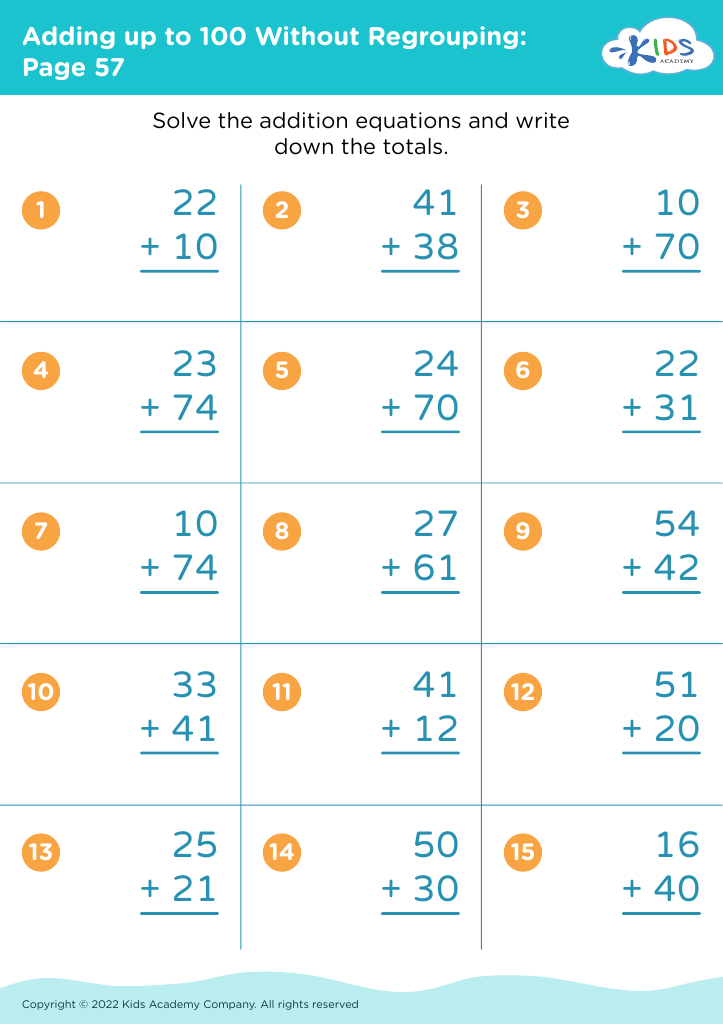
Worksheet
Adding up to 100 Without Regrouping: Page 57
Worksheet


Understanding comparing fractions addition is vital for children aged 5-8 for several compelling reasons. Firstly, it establishes a strong mathematical foundation essential for more complex concepts encountered later in their academic journey. A good grasp of fractions fosters a smoother transition to advanced topics like algebra and geometry in higher grades.

Secondly, comparing fractions and understanding their addition enhances problem-solving skills. Children learn to analyze, evaluate, and approach problems methodically, which can apply to other academic subjects and real-life situations.

Another critical aspect is the development of critical thinking. When children compare fractions, they must comprehend the idea of equivalency and relative sizes, which nurtures logical reasoning abilities. This helps them in decision-making processes both inside and outside the classroom.

Moreover, engaging in activities that involve fraction addition and comparison makes mathematics more tangible and less abstract for young minds. This hands-on approach can spark interest and enjoyment in the subject, reducing math anxiety and promoting a positive attitude towards learning.

Lastly, early exposure to these concepts can boost confidence. When children see themselves successfully tackling challenging problems, their self-esteem increases, motivating them to embrace other academic challenges with enthusiasm.

Therefore, parents and teachers should prioritize comparing fractions addition to equip children with crucial skills that will benefit them academically and personally.