
Developing Concentration Addition Worksheets for Ages 5-8
5 filtered results
Difficulty Level
Grade
Age
-
From - To
Subject
Activity
Standards
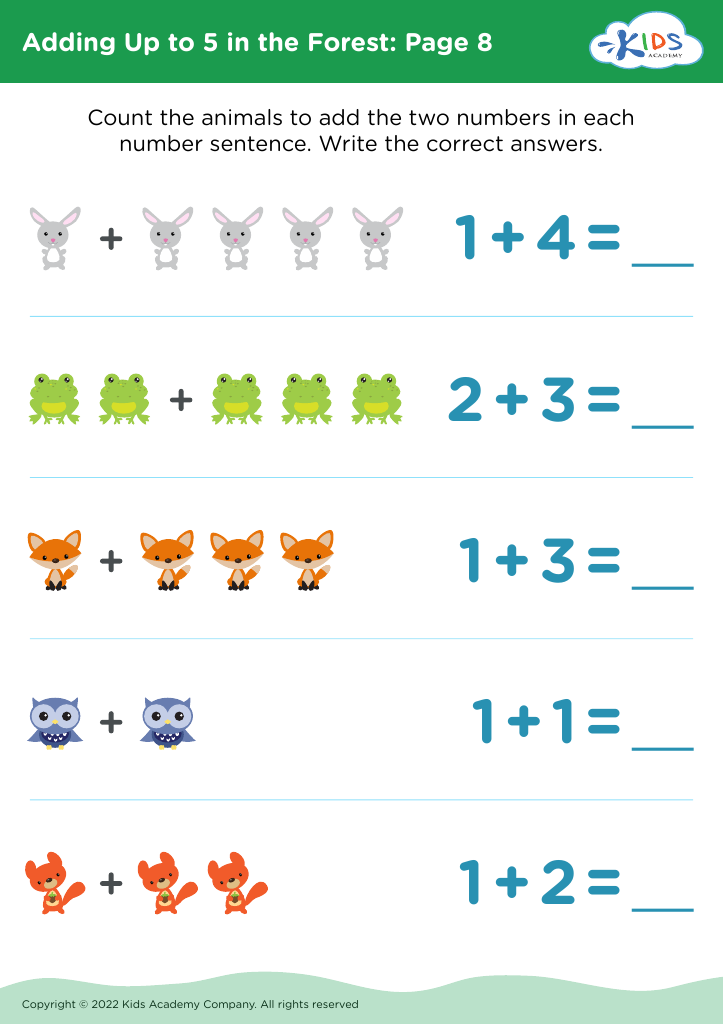
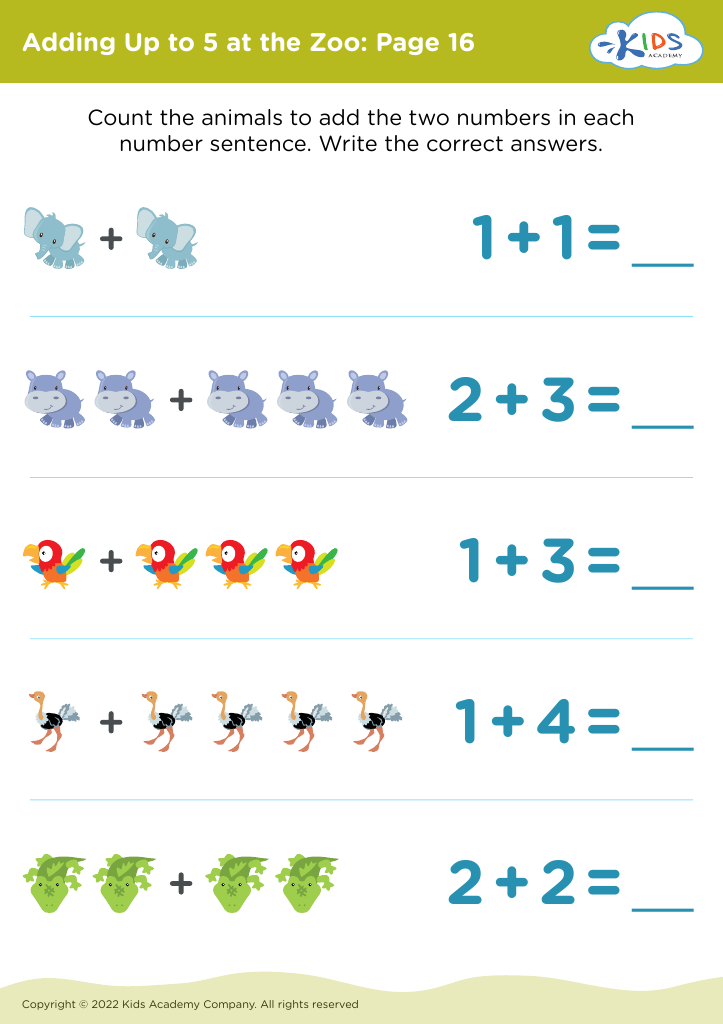
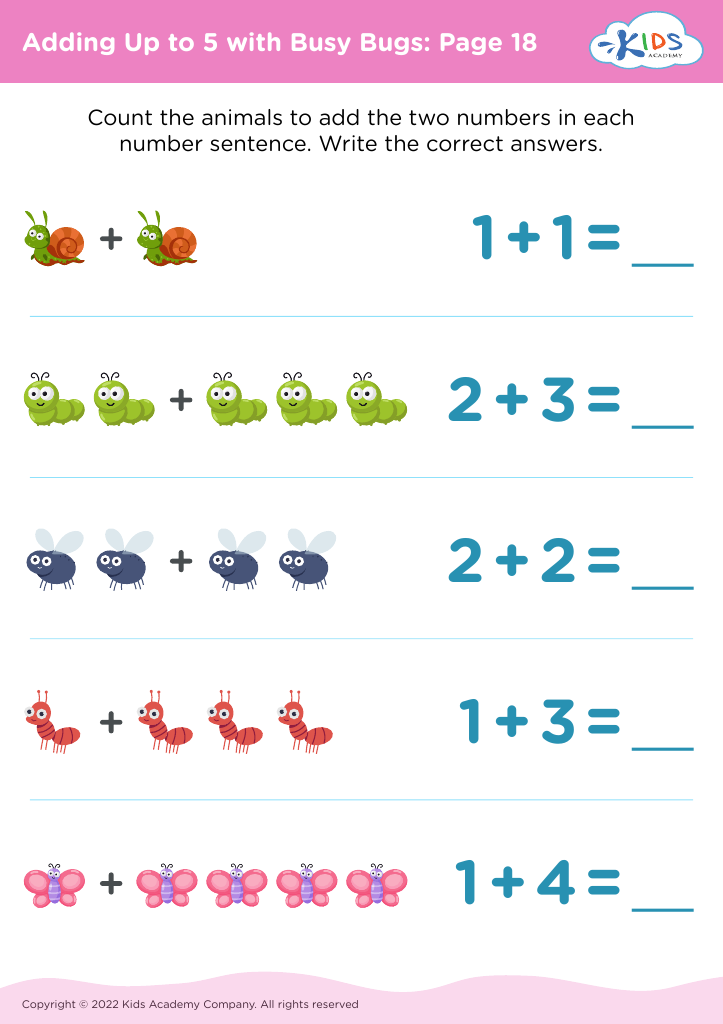
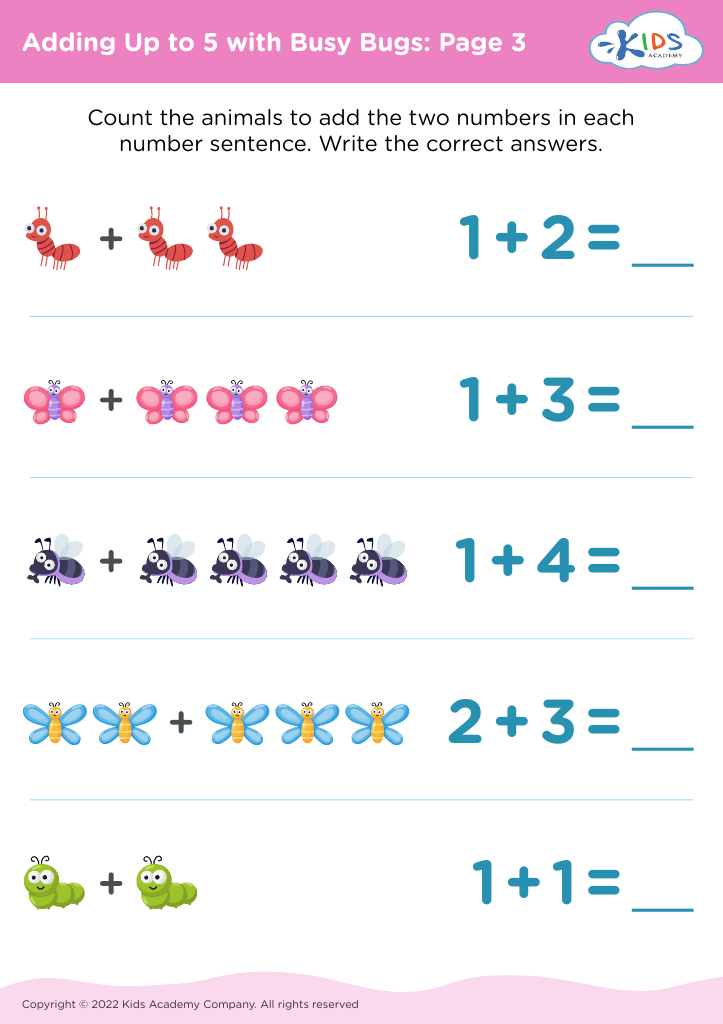
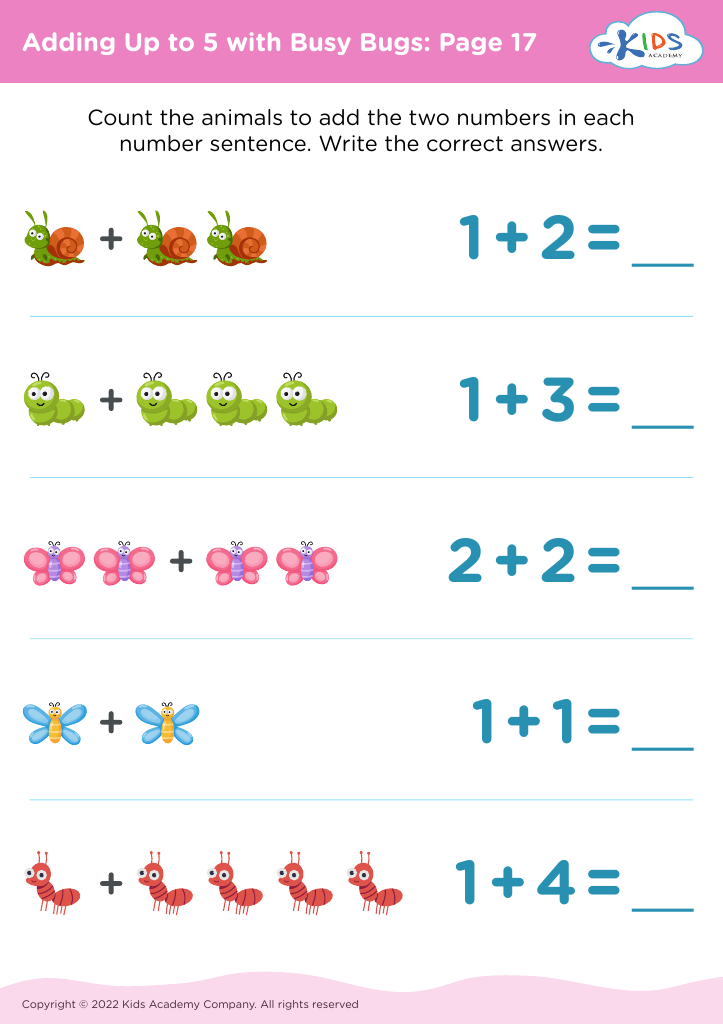
Our "Developing Concentration Addition Worksheets for Ages 5-8" offer an engaging way to improve young learners' focus and math skills. Crafted by educational experts, these worksheets blend fun with fundamental addition practice. Activities range from colorful number puzzles to themed addition problems, designed to hold children's attention and stimulate their growing minds. Perfect for home or classroom use, these printables provide a strong foundation in both addition and concentration. Boost your child’s math proficiency and concentration abilities with exercises tailored to their developmental stage. Explore our collection and watch your child's confidence and skills flourish.
Favorites
With answer key
Interactive
Join Kids Academy for Free
Who is primarily going to use this learning content?



.jpg)




Developing concentration in addition for children aged 5-8 is crucial for their educational success and overall cognitive development. At this stage, young minds are highly impressionable and capable of forming foundational skills that will support future learning. Concentration skills not only help children focus on addition problems, fostering their mathematical abilities but also enhance their attention span, critical thinking, and problem-solving skills.
For parents and teachers, emphasizing concentration in addition helps children understand and retain key mathematical concepts more effectively. This foundational knowledge prepares them for more complex math operations, reducing feelings of frustration and boosting their confidence. A strong grasp of addition also supports other subject areas, as mathematical reasoning permeates disciplines like science and engineering.
Moreover, nurturing concentration aids in children's social and emotional development. It teaches patience, perseverance, and the importance of attention to detail, equipping them with tools for life-long learning. Children with good concentration are more likely to stay engaged in classroom activities, follow instructions better, and handle challenges with a calm and focused mindset.
In summary, integrating concentration exercises in addition not only builds robust mathematic skills but also fosters essential cognitive and emotional development, setting the stage for well-rounded academic and personal growth.








