Filters

29 filtered results

Clear all filters
Favorites
With answer key
Interactive

29 filtered results

Difficulty Level

Grade


Enhance your child's math skills with our engaging Fraction Comparison Addition Worksheets, designed for ages 5 to 8! These worksheets provide a fun and interactive way for young learners to master the concept of comparing fractions while building their addition skills. Each activity is tailored to make learning fractions approachable and enjoyable, using colorful images and relatable examples. Parents and teachers can easily download and print these worksheets to facilitate at-home or classroom learning. Help your child gain confidence in math as they explore fractions and addition through creative exercises that encourage critical thinking and problem-solving. Try them today!
Check out this FREE Trial Lesson on Addition for age 5-8!

My Family

Favorites
With answer key
Interactive
  • 5-8
  • Fraction comparison
  • Addition
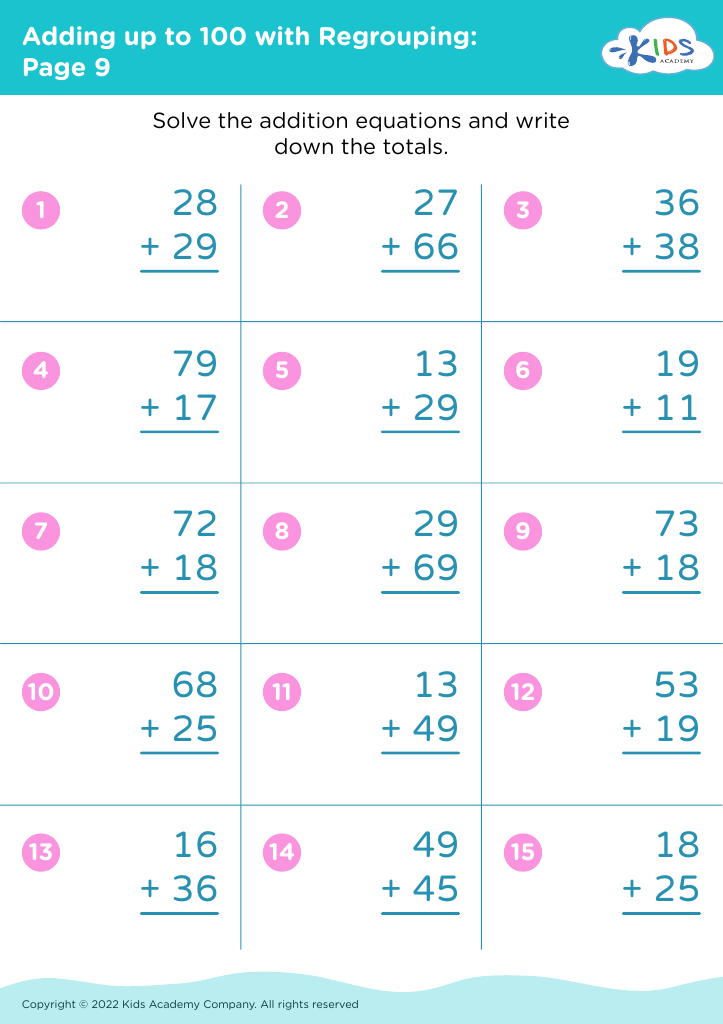
Adding up to 100 with Regrouping: Page 9
Worksheet
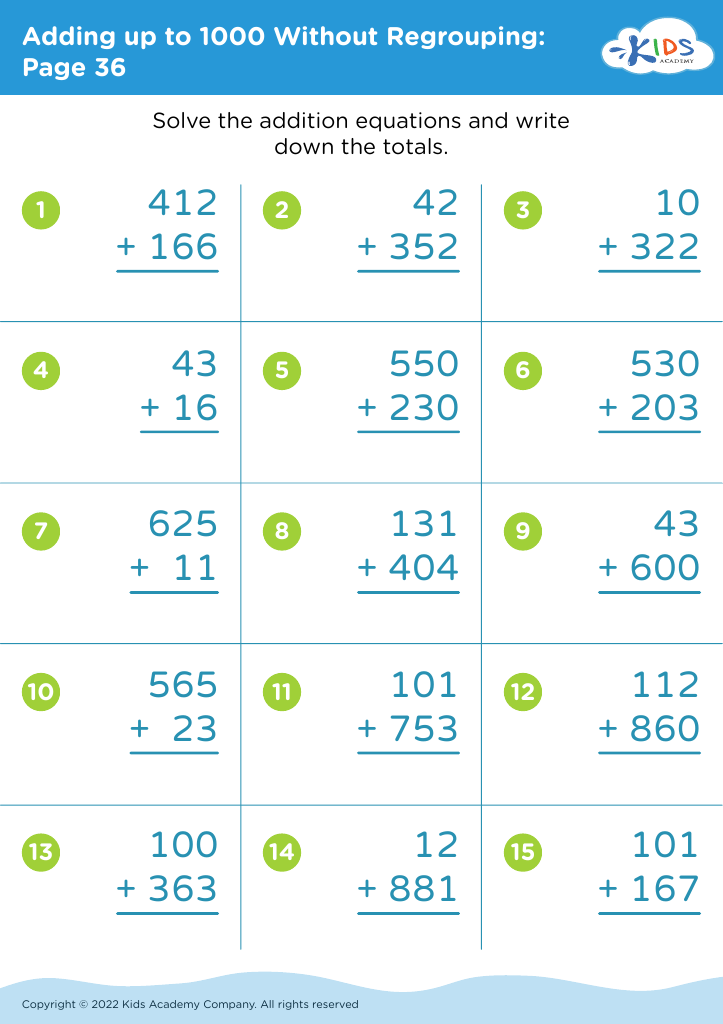
Adding up to 1000 Without Regrouping: Page 36
Worksheet
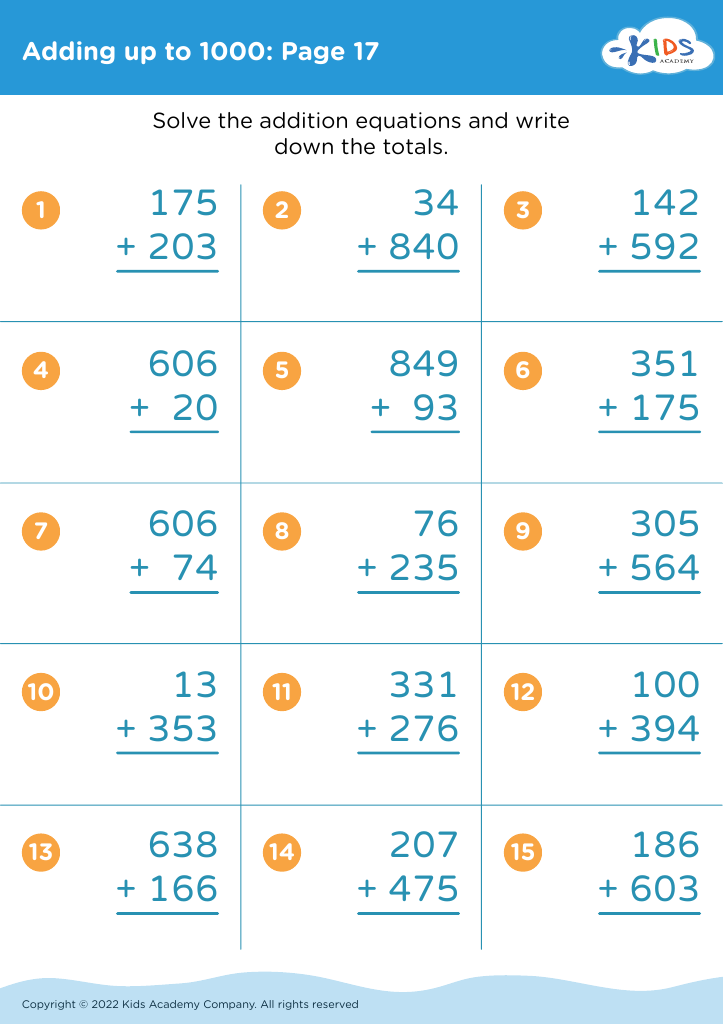
Adding up to 1000: Page 17

Adding up to 1000: Page 17

Adding up to 1000: Page 17
Worksheet
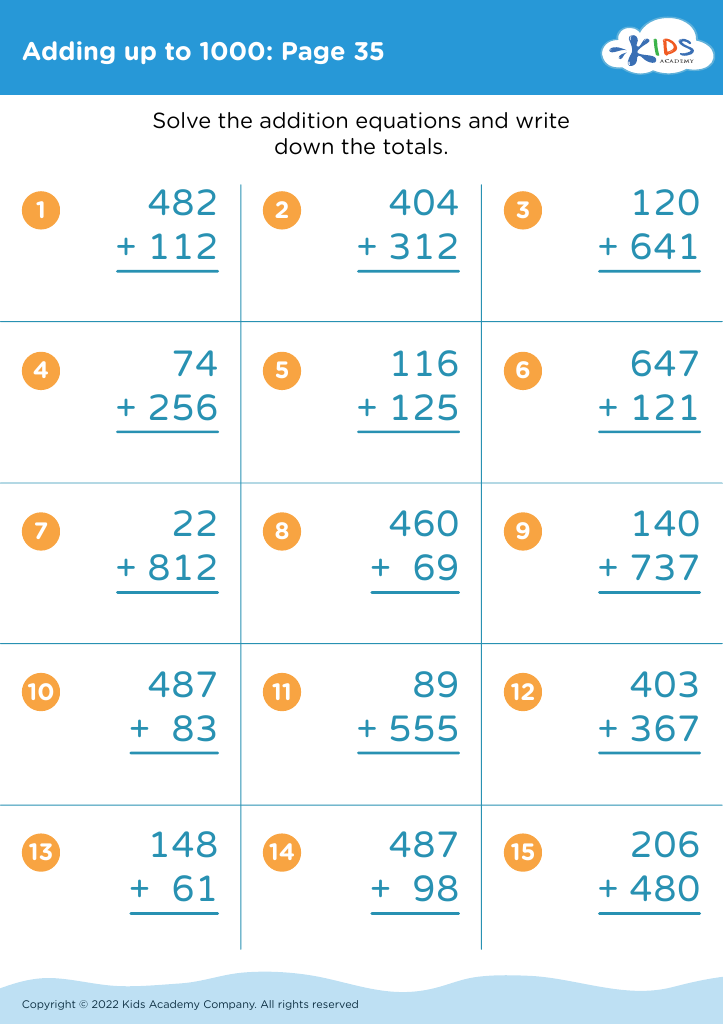
Adding up to 1000: Page 35

Adding up to 1000: Page 35

Adding up to 1000: Page 35
Worksheet
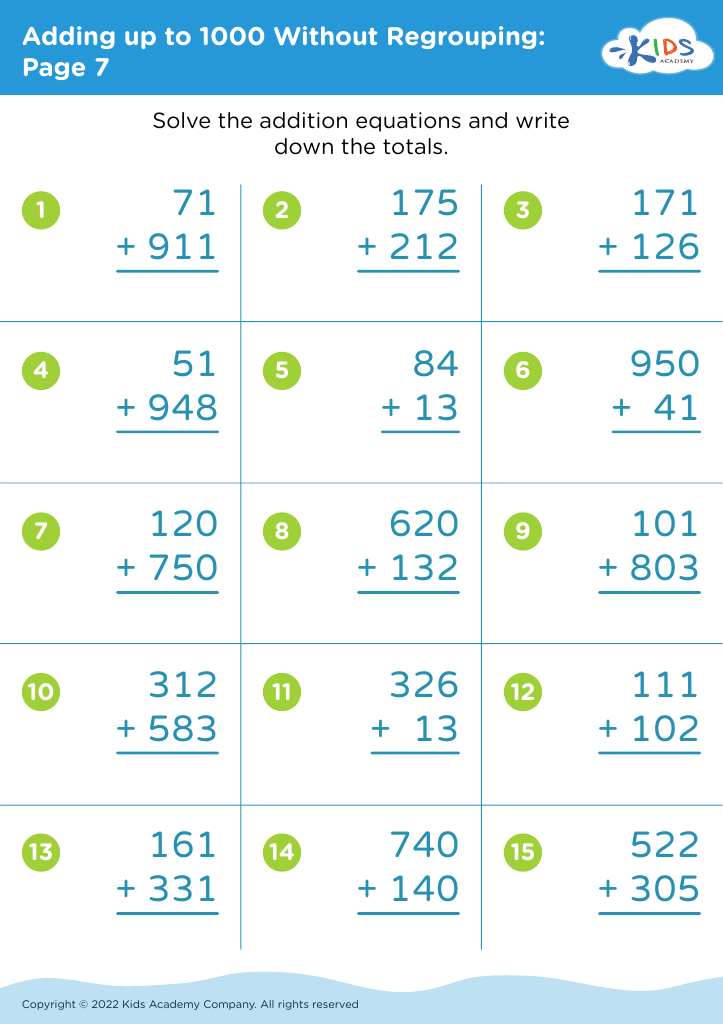
Adding up to 1000 Without Regrouping: Page 7
Worksheet
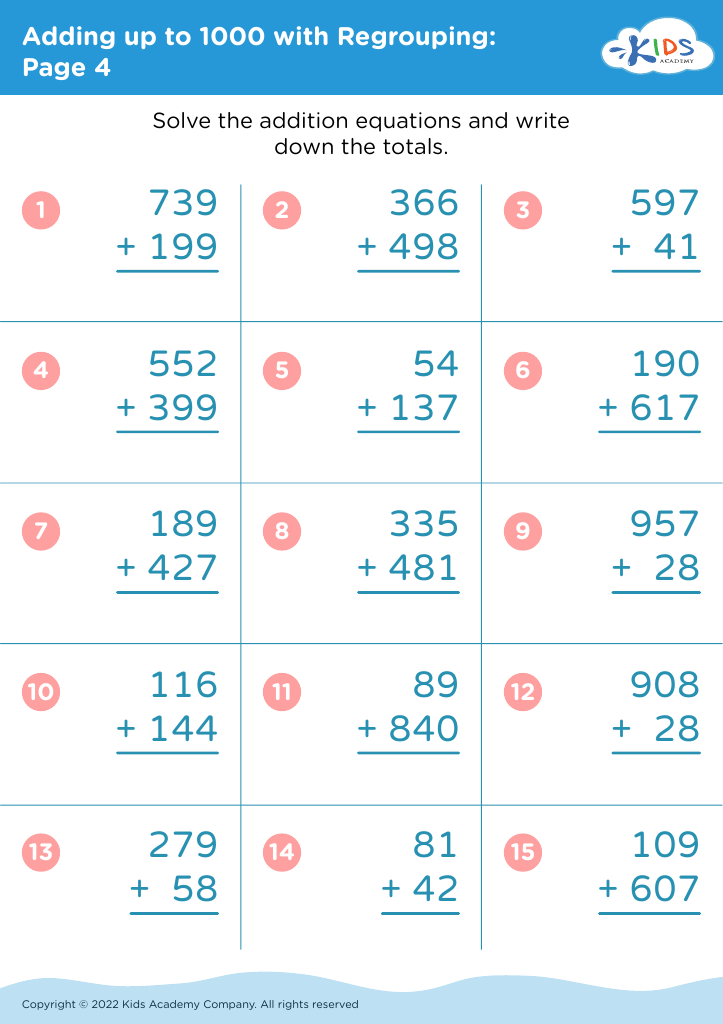
Adding up to 1000 with Regrouping: Page 4
Worksheet
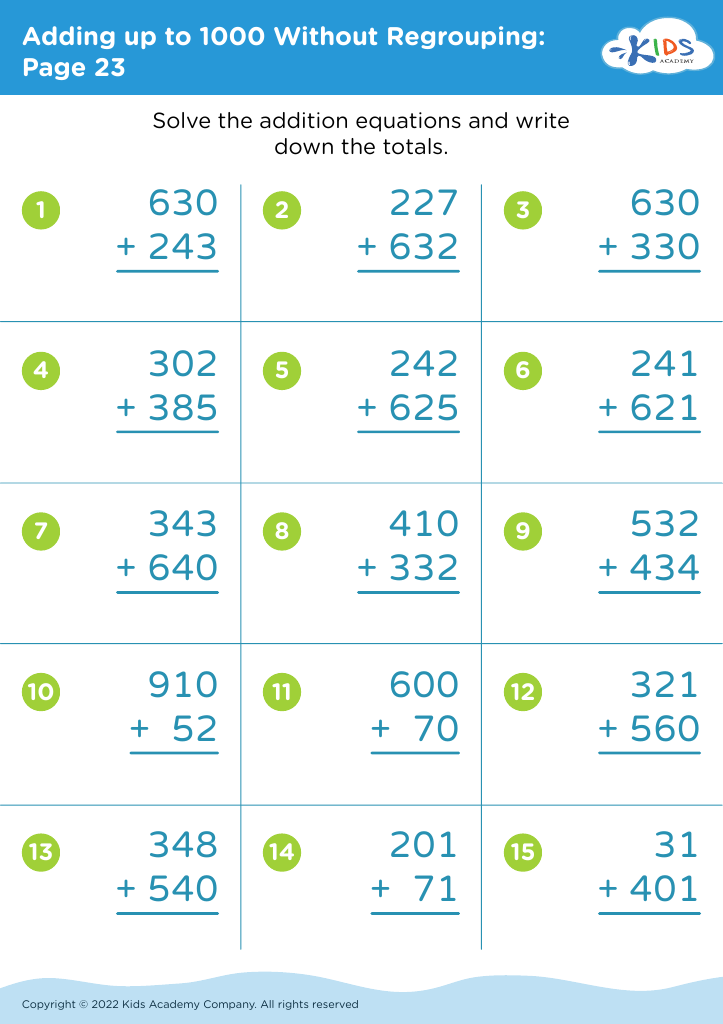
Adding up to 1000 Without Regrouping: Page 23
Worksheet
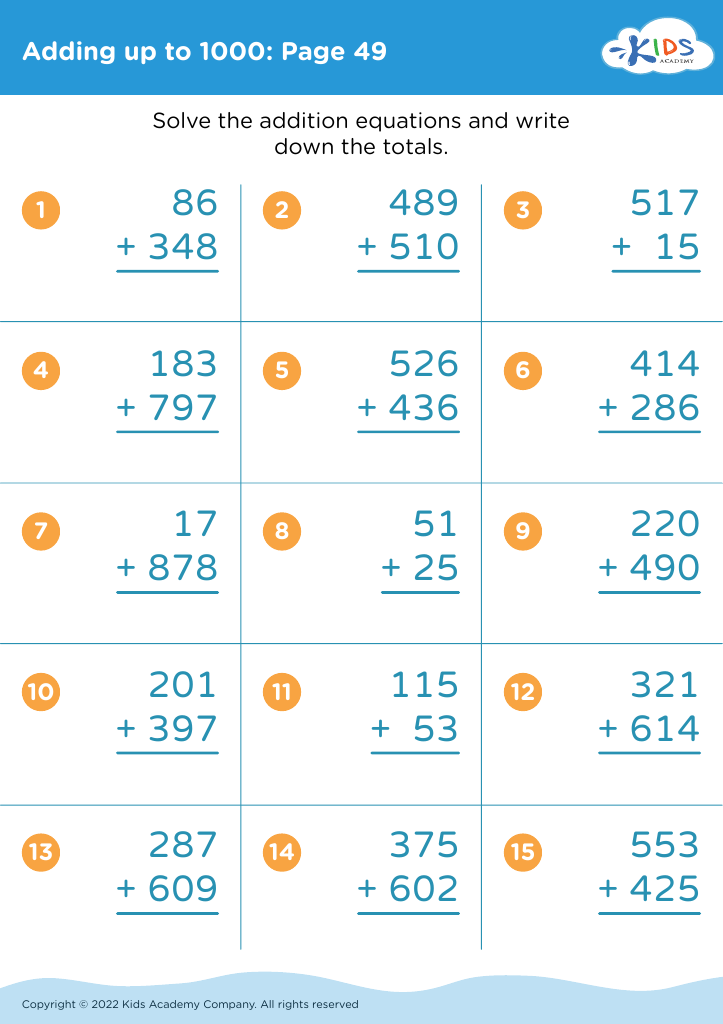
Adding up to 1000: Page 49

Adding up to 1000: Page 49

Adding up to 1000: Page 49
Worksheet
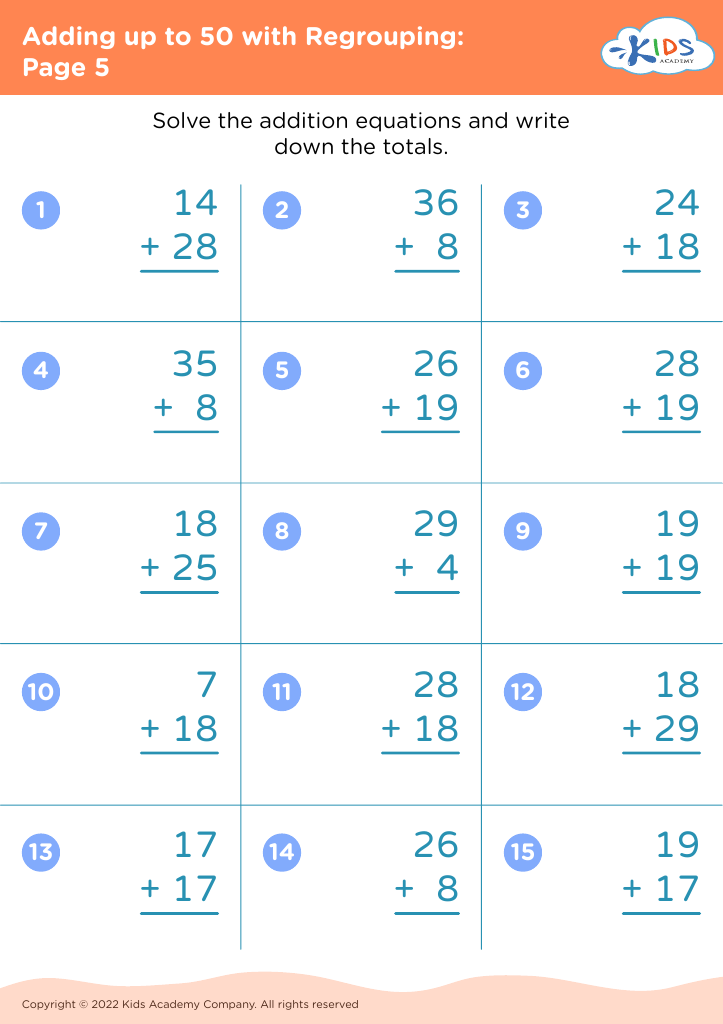
Adding up to 50 with Regrouping: Page 5
Worksheet
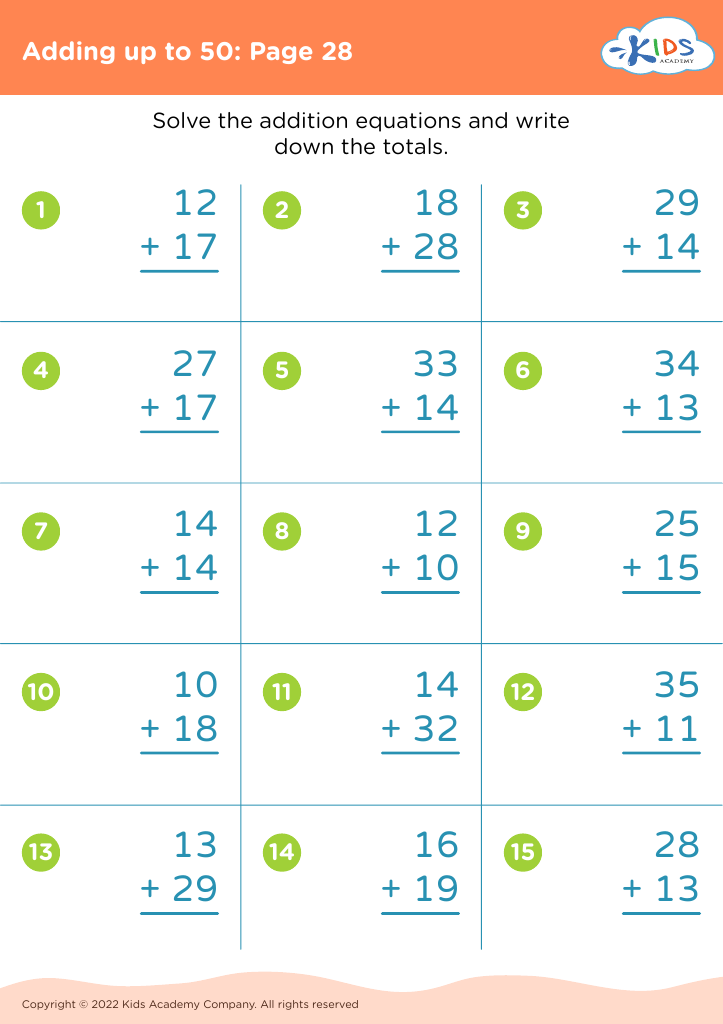
Adding up to 50: Page 28

Adding up to 50: Page 28

Adding up to 50: Page 28
Worksheet
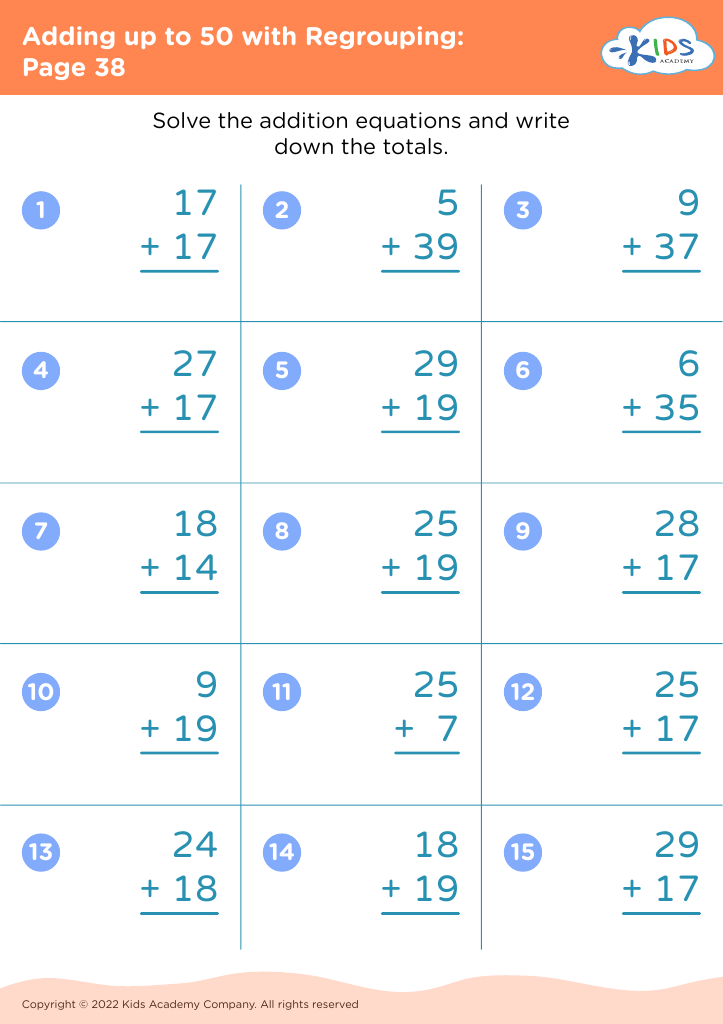
Adding up to 50 with Regrouping: Page 38
Worksheet
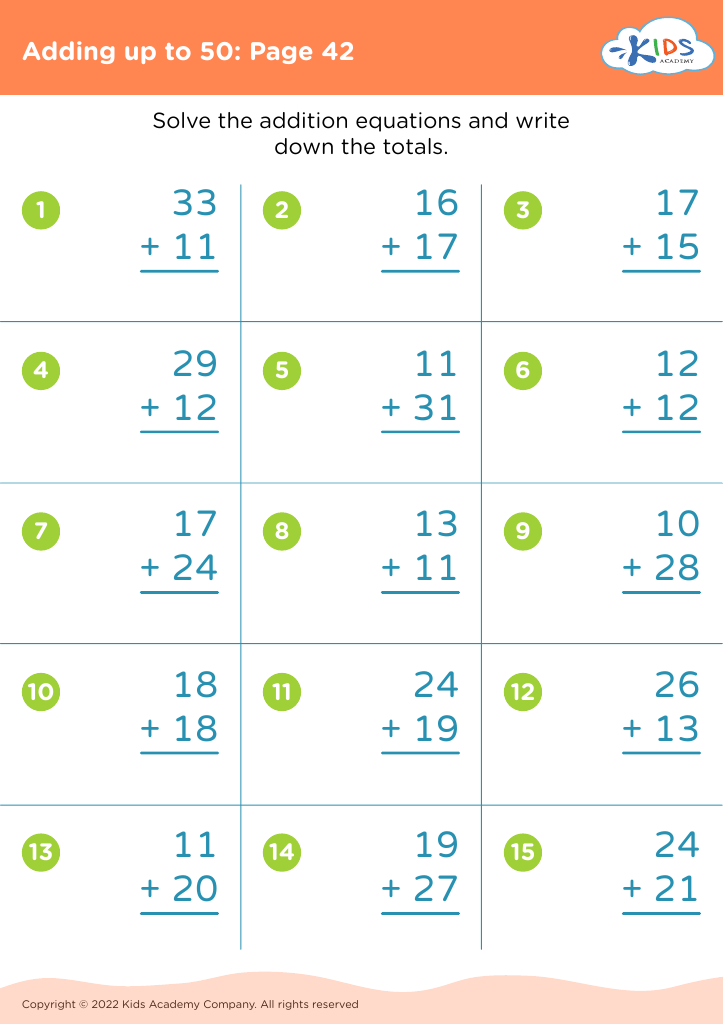
Adding up to 50: Page 42

Adding up to 50: Page 42

Adding up to 50: Page 42
Worksheet
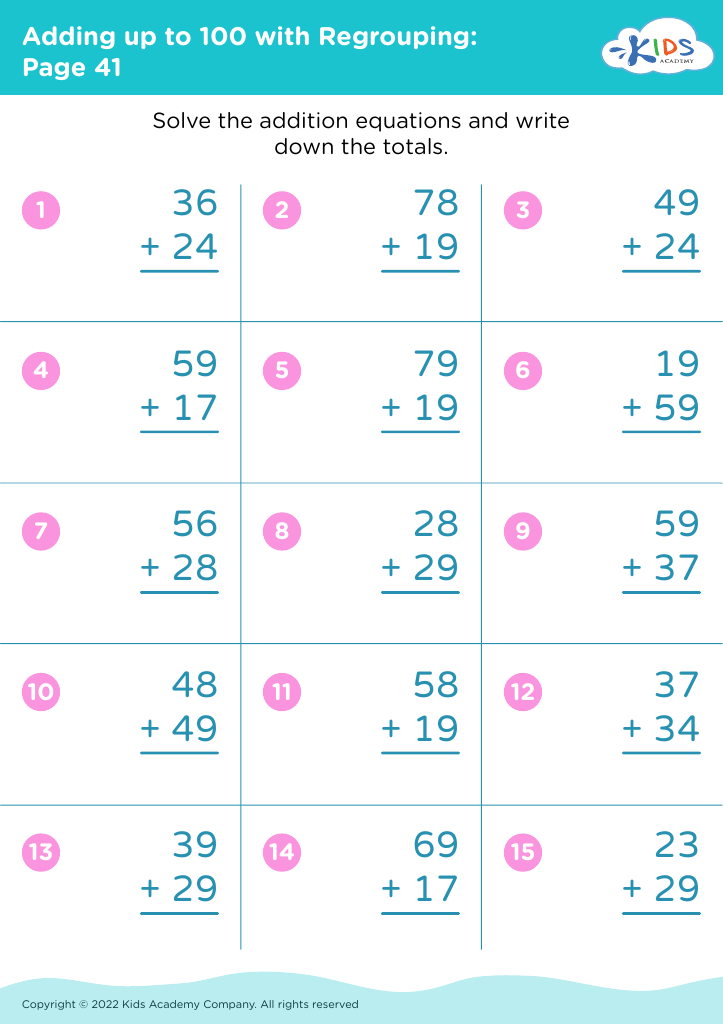
Adding up to 100 with Regrouping: Page 41
Worksheet
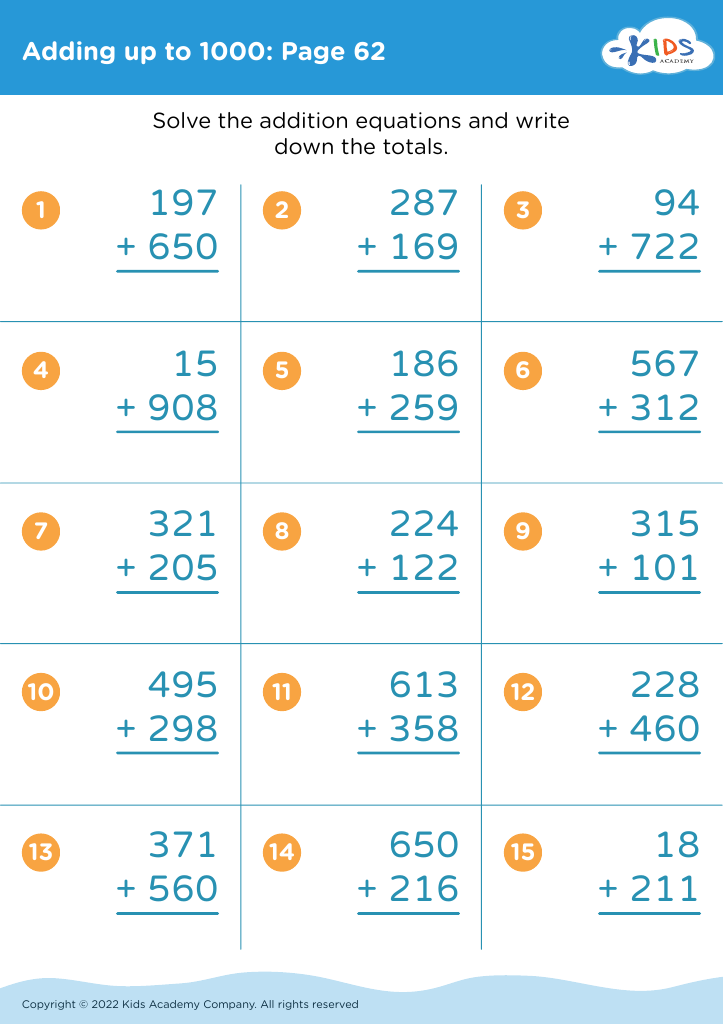
Adding up to 1000: Page 62

Adding up to 1000: Page 62

Adding up to 1000: Page 62
Worksheet
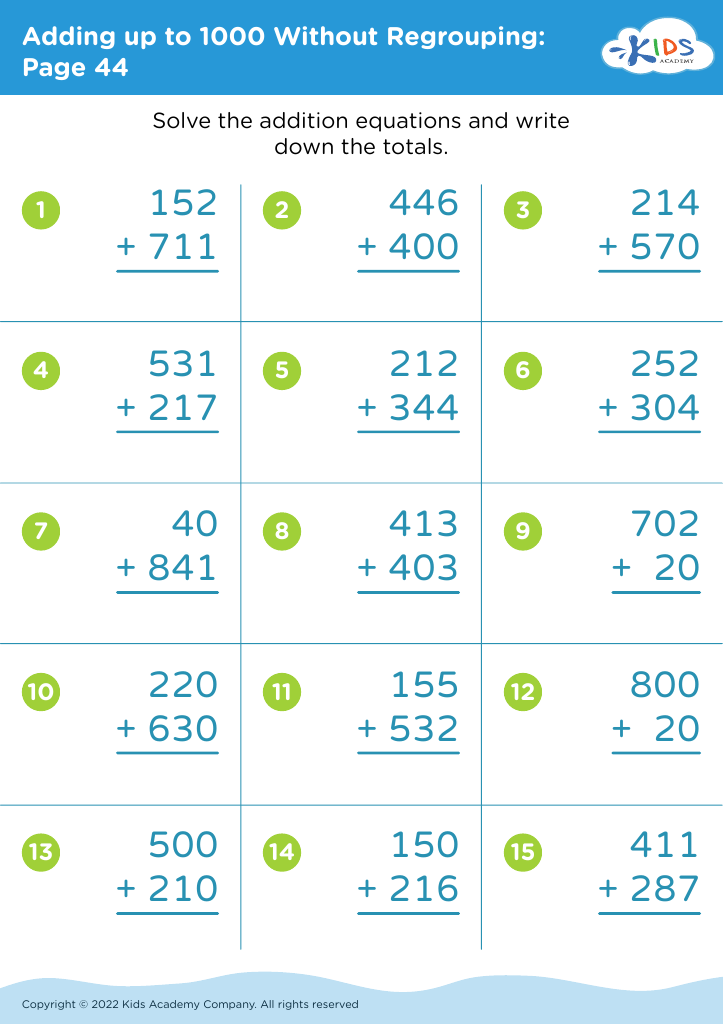
Adding up to 1000 Without Regrouping: Page 44
Worksheet
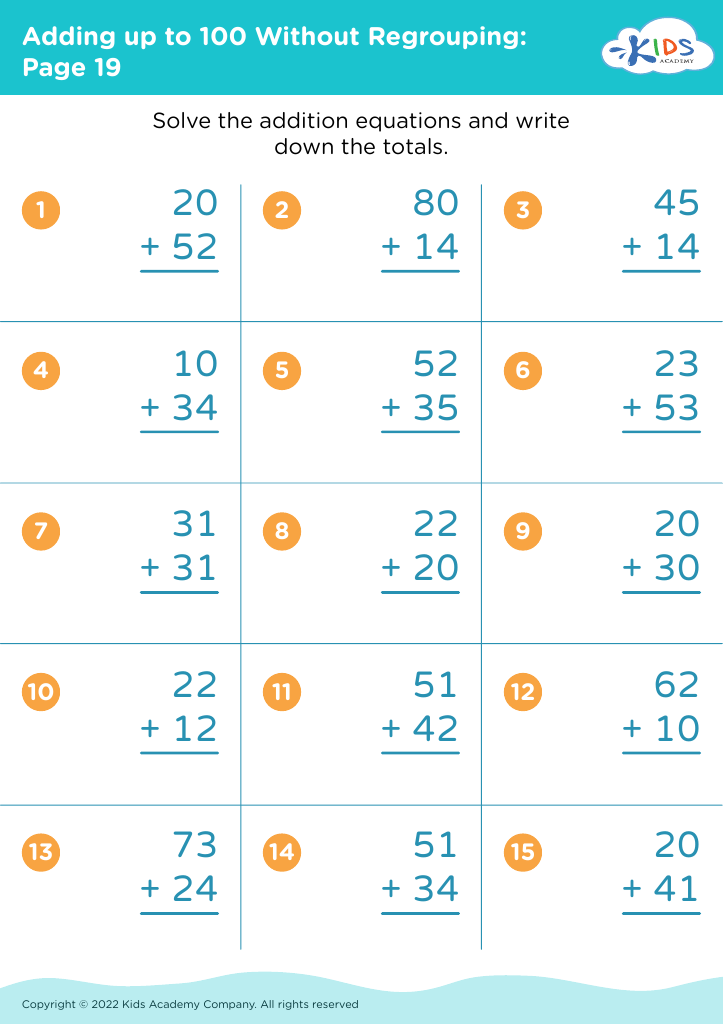
Adding up to 100 Without Regrouping: Page 19
Worksheet
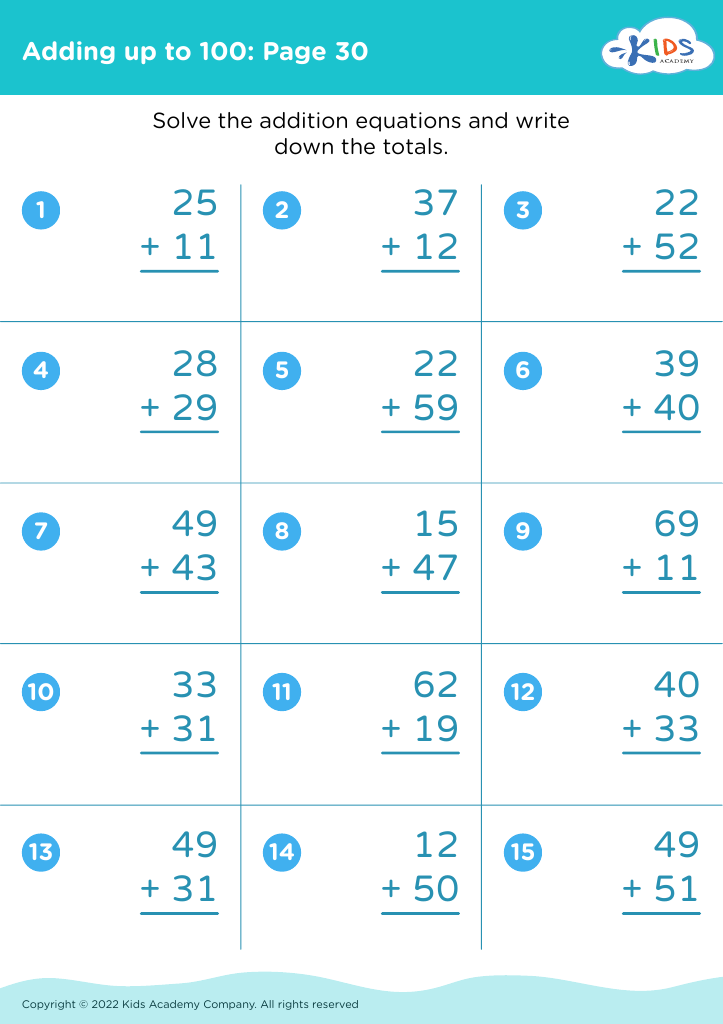
Adding up to 100: Page 30

Adding up to 100: Page 30

Adding up to 100: Page 30
Worksheet
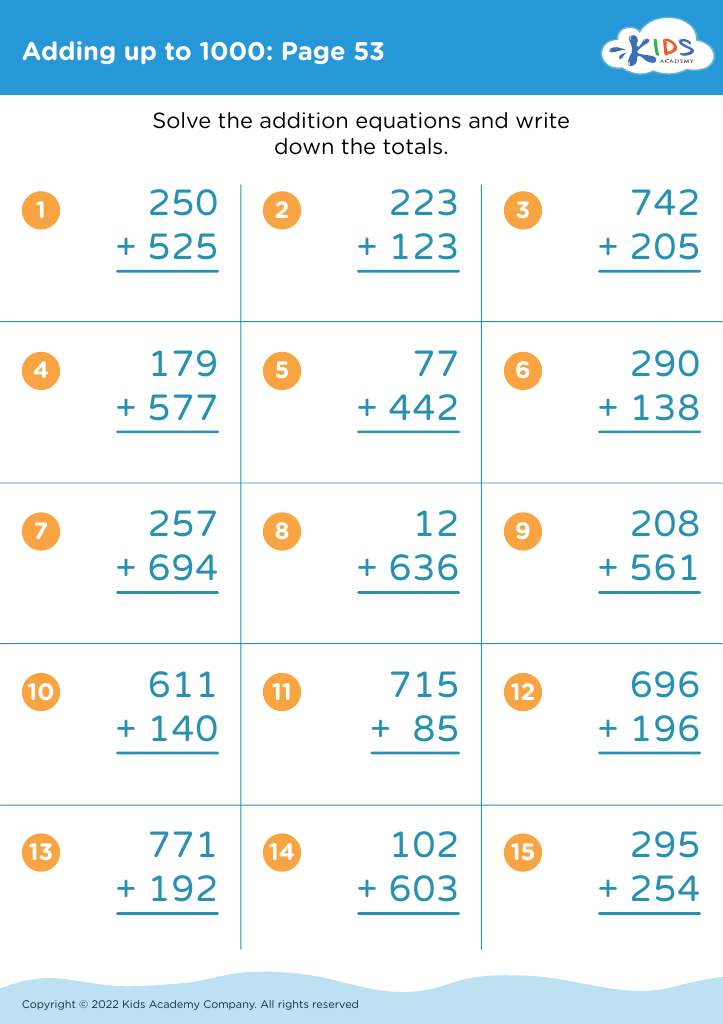
Adding up to 1000: Page 53

Adding up to 1000: Page 53

Adding up to 1000: Page 53
Worksheet
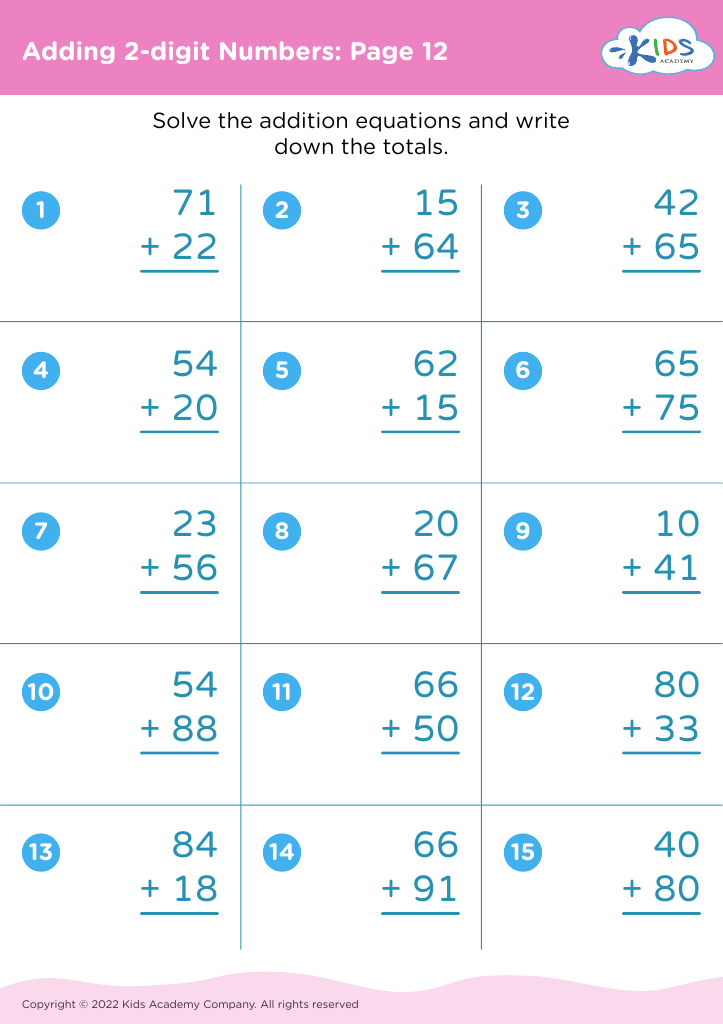
Adding 2-digit Numbers: Page 12

Adding 2-digit Numbers: Page 12

Adding 2-digit Numbers: Page 12
Worksheet
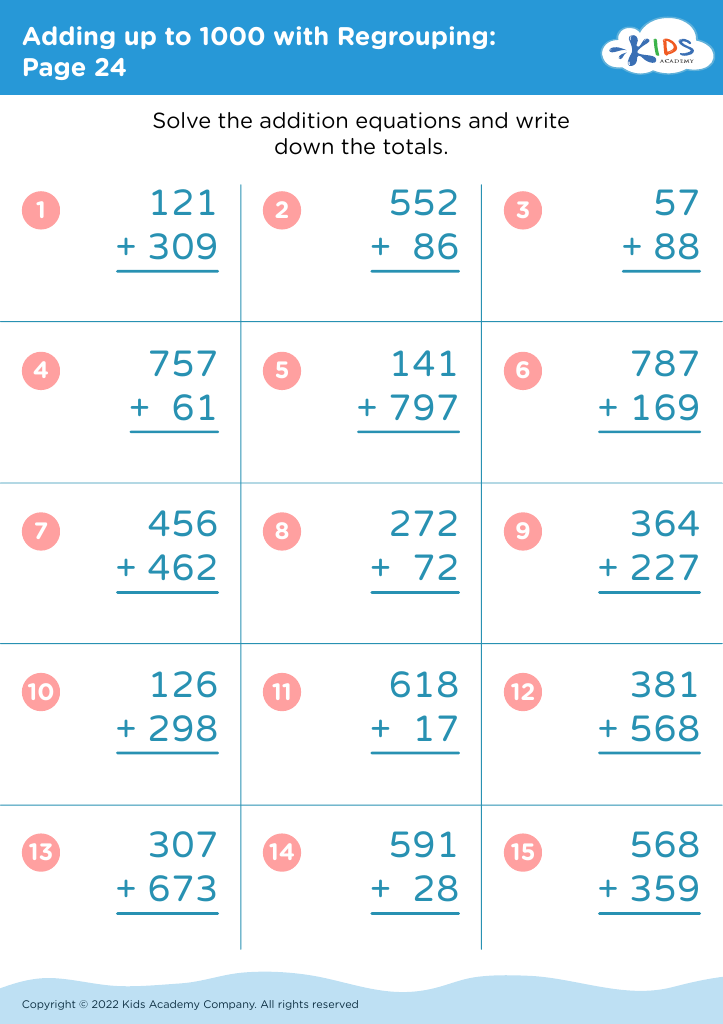
Adding up to 1000 with Regrouping: Page 24
Worksheet
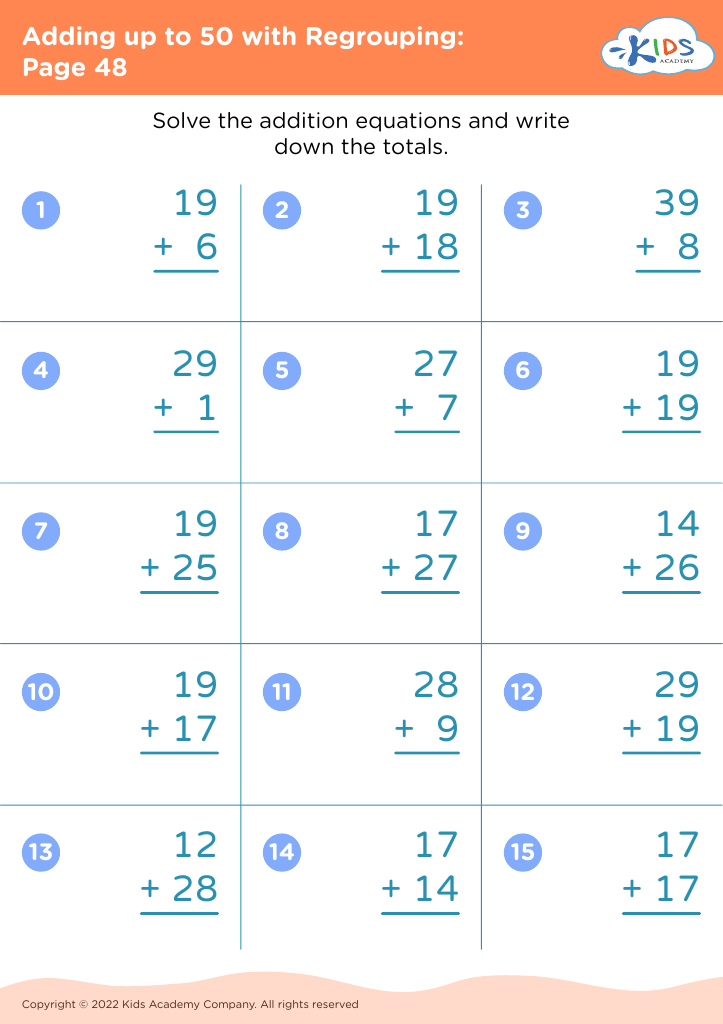
Adding up to 50 with Regrouping: Page 48
Worksheet
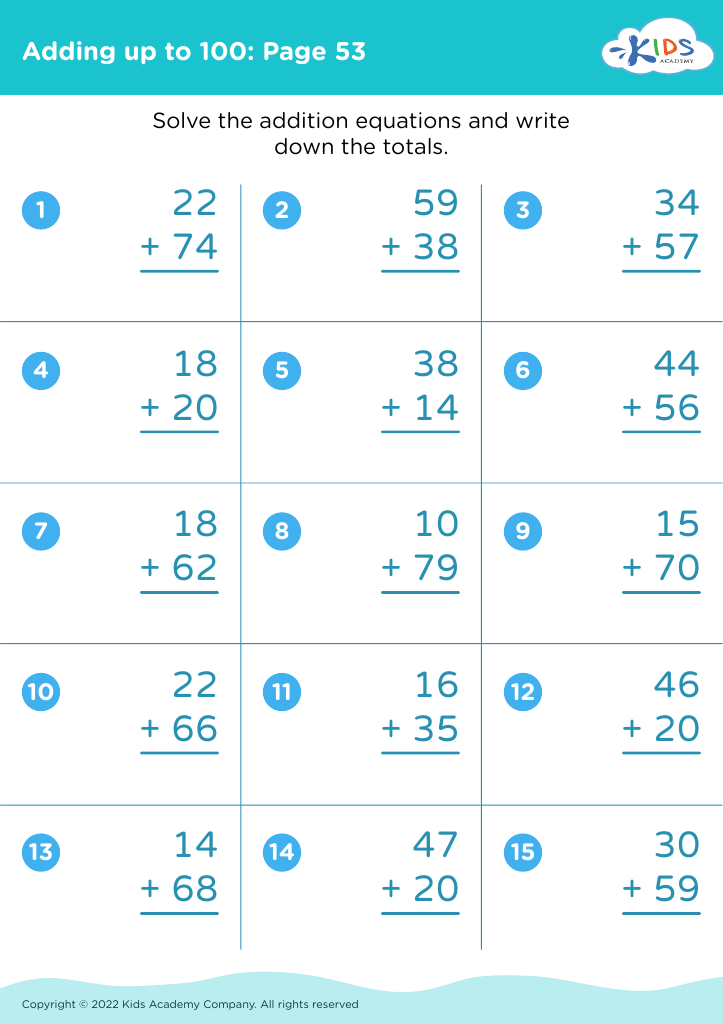
Adding up to 100: Page 53

Adding up to 100: Page 53

Adding up to 100: Page 53
Worksheet
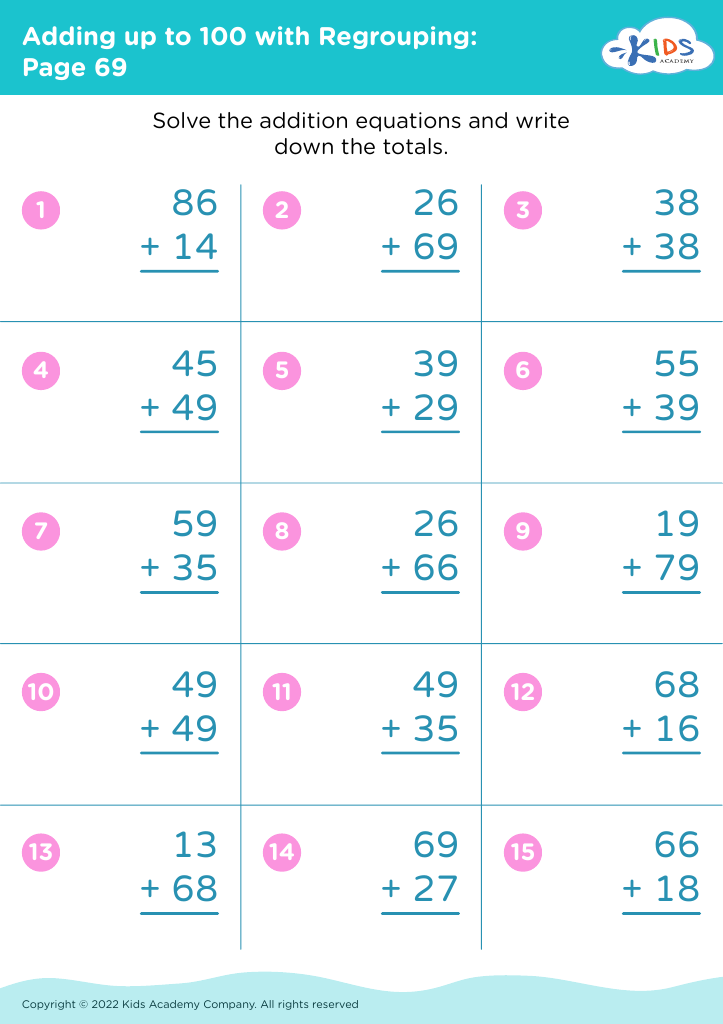
Adding up to 100 with Regrouping: Page 69
Worksheet
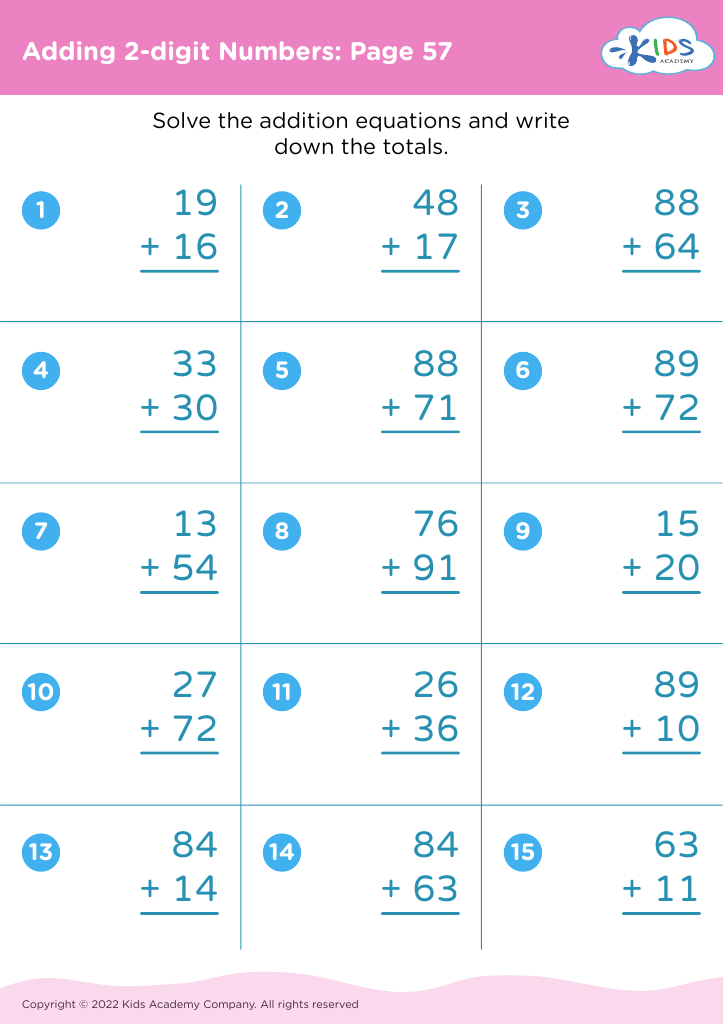
Adding 2-digit Numbers: Page 57

Adding 2-digit Numbers: Page 57

Adding 2-digit Numbers: Page 57
Worksheet


Understanding fraction comparison and addition is fundamental for young learners aged 5-8, as it lays the groundwork for more advanced math concepts. At this age, children are developing critical thinking and problem-solving skills, and mastering fractions enhances their analytical abilities. When children learn how to compare fractions, they are not just engaging with numbers;they are also developing a sense of quantity and proportional reasoning.

Parents and teachers should care because these concepts appear in everyday situations, from sharing snacks to understanding measurements in cooking. By grasping fraction comparison, children can better navigate these real-world experiences. Moreover, these skills foster confidence in mathematics, helping children view it as an enjoyable subject rather than a daunting task.

Additionally, understanding fractions introduces children to the idea of equivalency and part-to-whole relationships, which are essential for their future learning in mathematics, including decimals, percentages, and ratios. Building a strong foundation in these areas can be pivotal in preventing math anxiety and ensuring long-term academic success. When adults recognize the importance of engaging with and nurturing these skills, they support the holistic development of their children, enabling them to become competent learners and critical thinkers.