
Fraction conversion Addition Worksheets for Ages 5-8
3 filtered results
Difficulty Level
Grade
Age
-
From - To
Subject
Activity
Standards
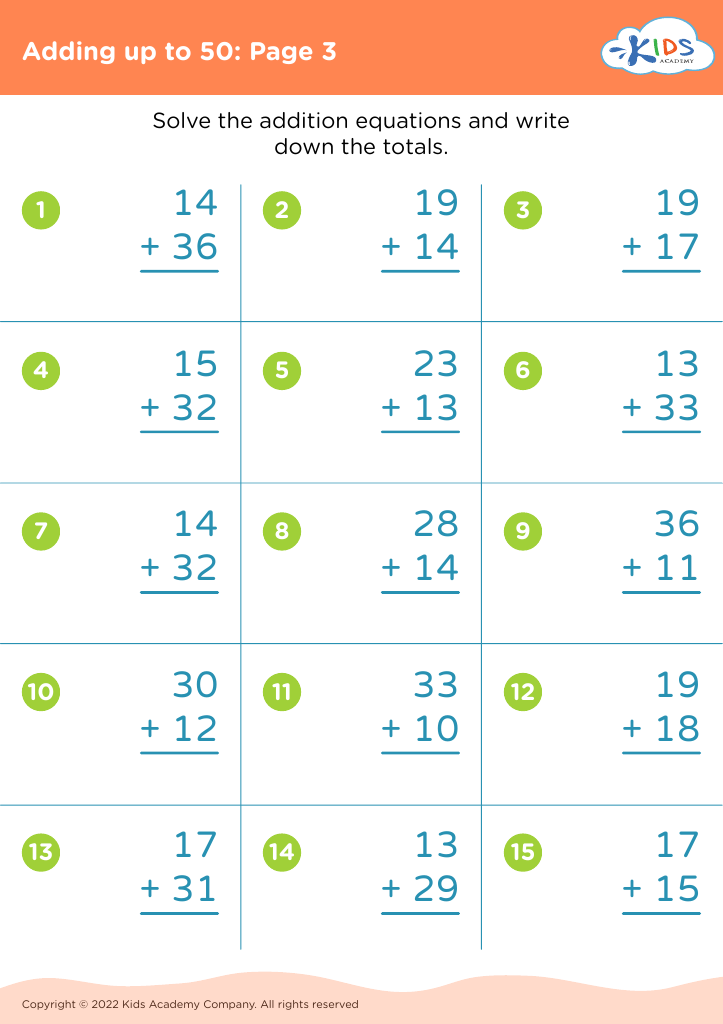
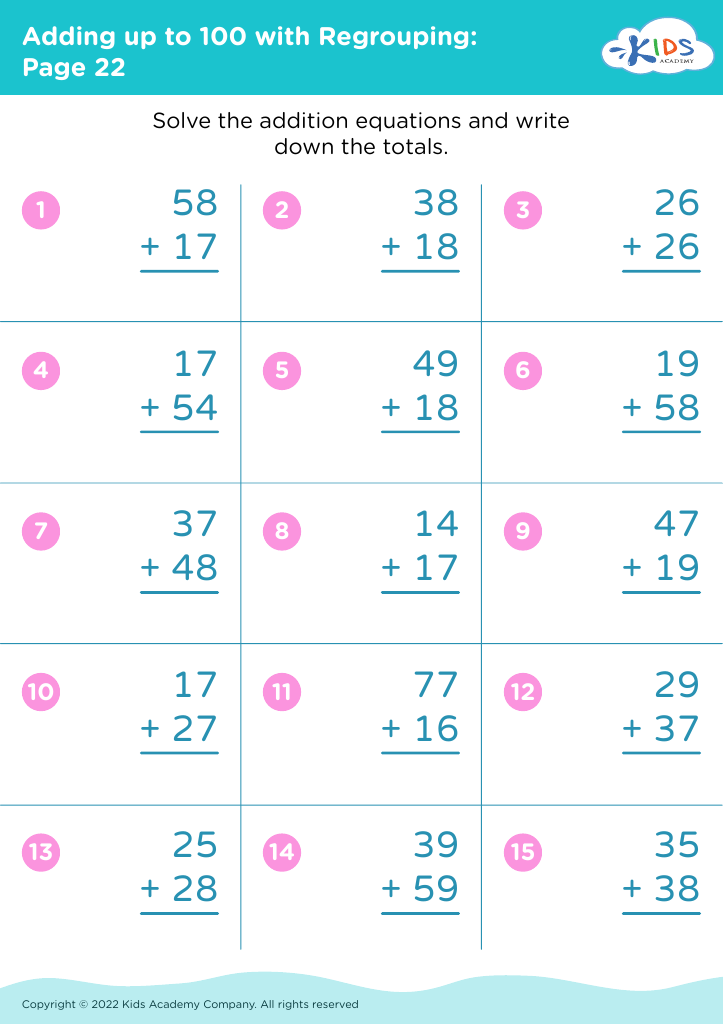
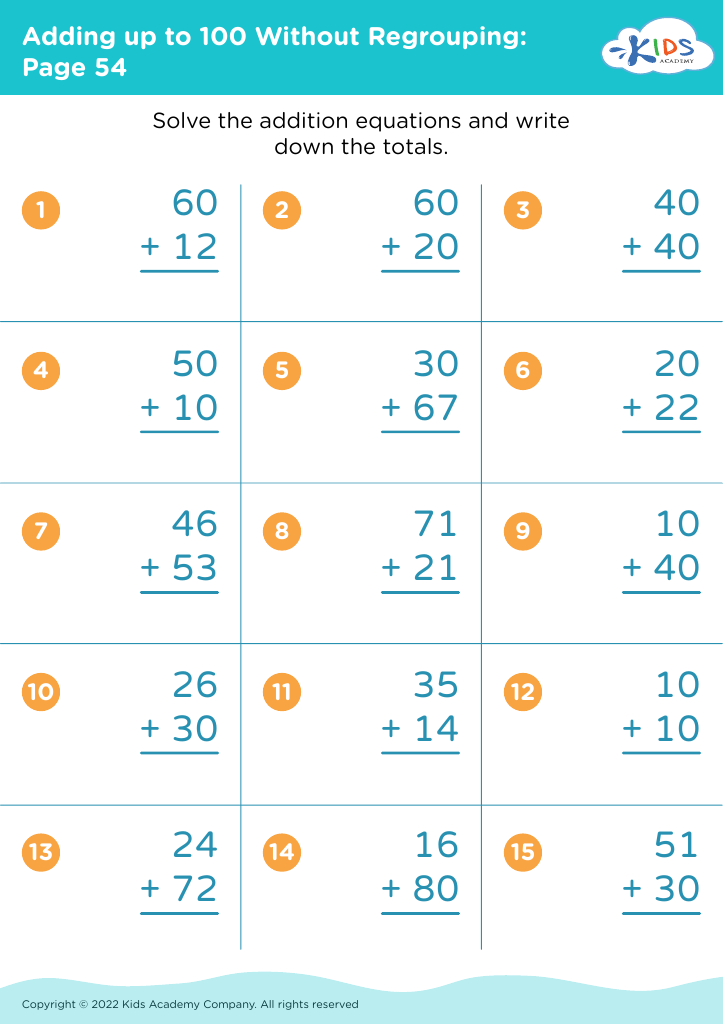
Explore our engaging Fraction Conversion Addition Worksheets designed for children aged 5-8! These worksheets provide a fun and interactive way to introduce young learners to converting fractions and adding them together. Specifically crafted to suit early grade students, our activities help build essential math skills through clear instructions, colorful visuals, and step-by-step examples. By practicing with our diverse problems, kids will gain confidence in their mathematical abilities while developing a strong foundation in fractions. Perfect for classroom use or at-home learning, these worksheets transform math into an exciting learning adventure. Start nurturing your child's mathematical journey today!
Favorites
With answer key
Interactive
Join Kids Academy for Free
Who is primarily going to use this learning content?








Understanding fraction conversion and addition is crucial for students aged 5-8 because it lays the foundation for their mathematical development. At this age, children are introduced to basic math concepts, and fractions serve as a gateway to more complex operations. By grasping how to convert and add fractions, young learners develop critical thinking, problem-solving, and analytical skills that can benefit them across various subjects.
Moreover, a solid grasp of fractions promotes numerical fluency. Many real-world scenarios, from cooking to sharing snacks, involve fractions. By engaging with these concepts early on, children can gain practical knowledge that applies to everyday situations, enhancing their confidence in math.
For parents and teachers, fostering an understanding of fraction conversion and addition helps create a more enriching learning environment. It encourages discussions about math beyond the classroom, allowing families to correlate school lessons with real-life contexts. Additionally, early mastery of such topics helps identify and address learning gaps, ensuring a smoother transition to more advanced mathematical concepts in later grades. Ultimately, investing time in teaching fraction addition can empower children to become lifelong learners and enthusiastic problem solvers.








