
Handwriting practice Addition Worksheets for Ages 5-8
5 filtered results
Difficulty Level
Grade
Age
-
From - To
Subject
Activity
Standards
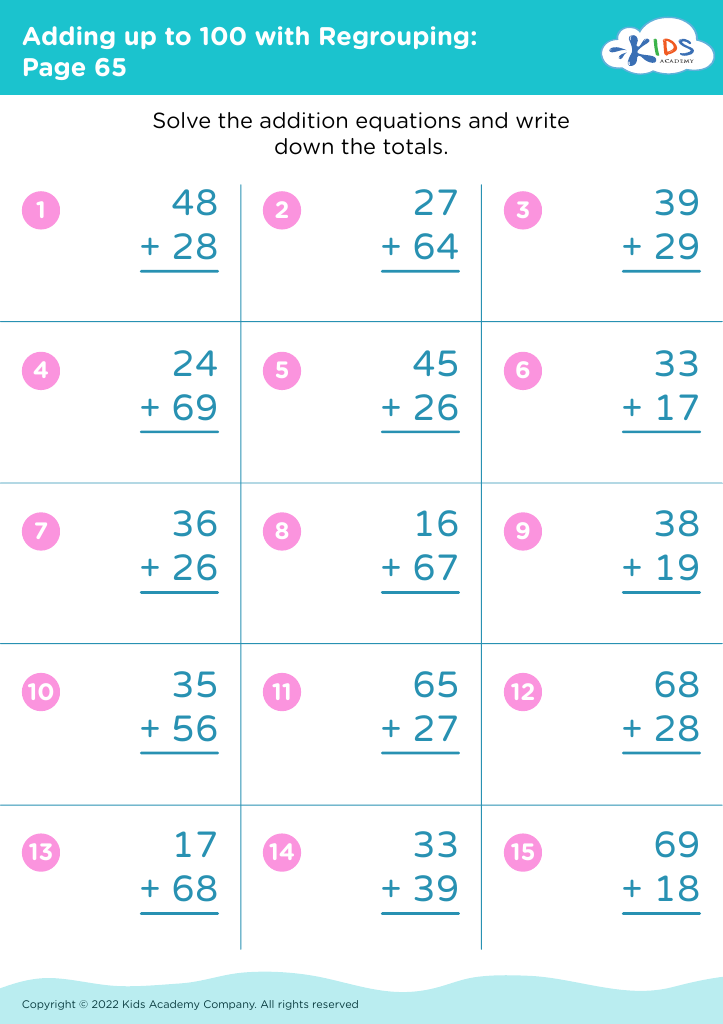
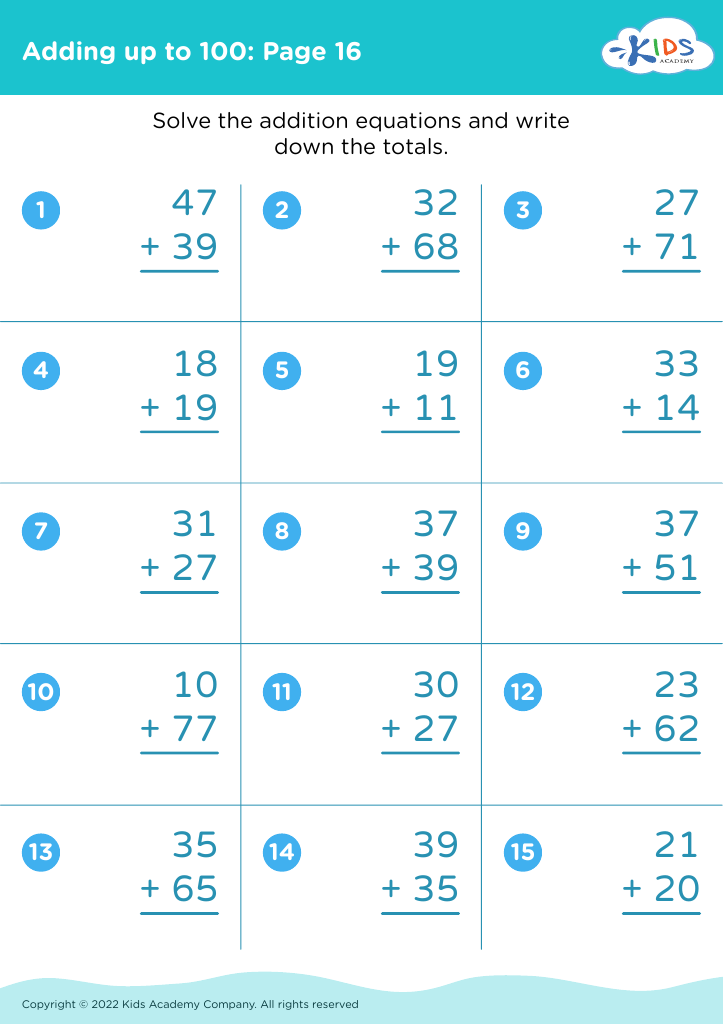
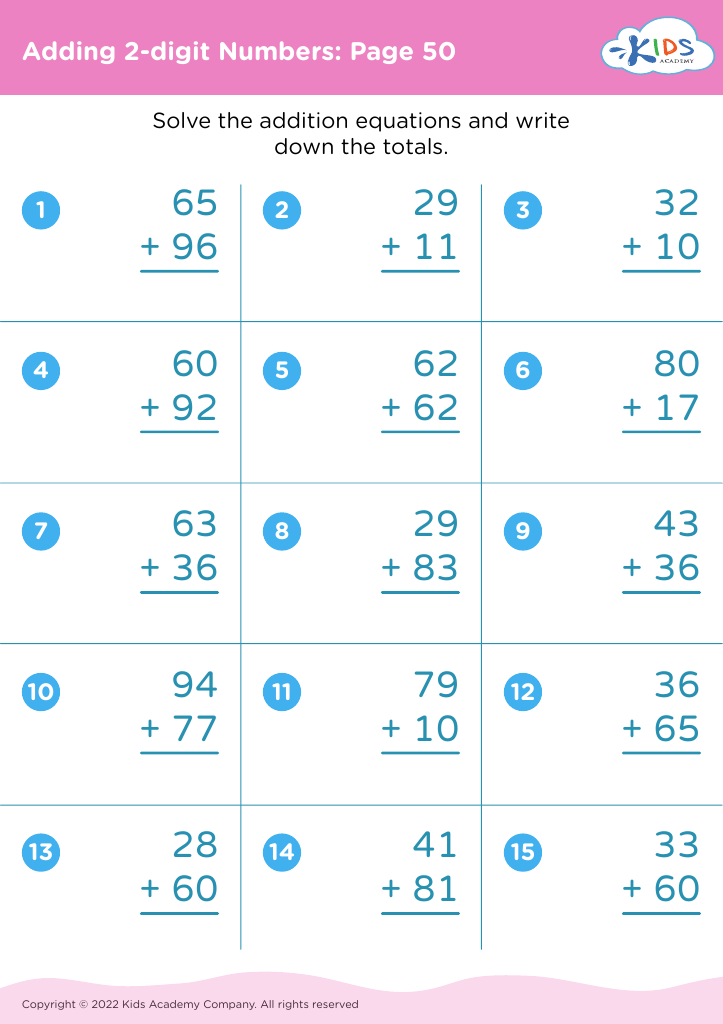
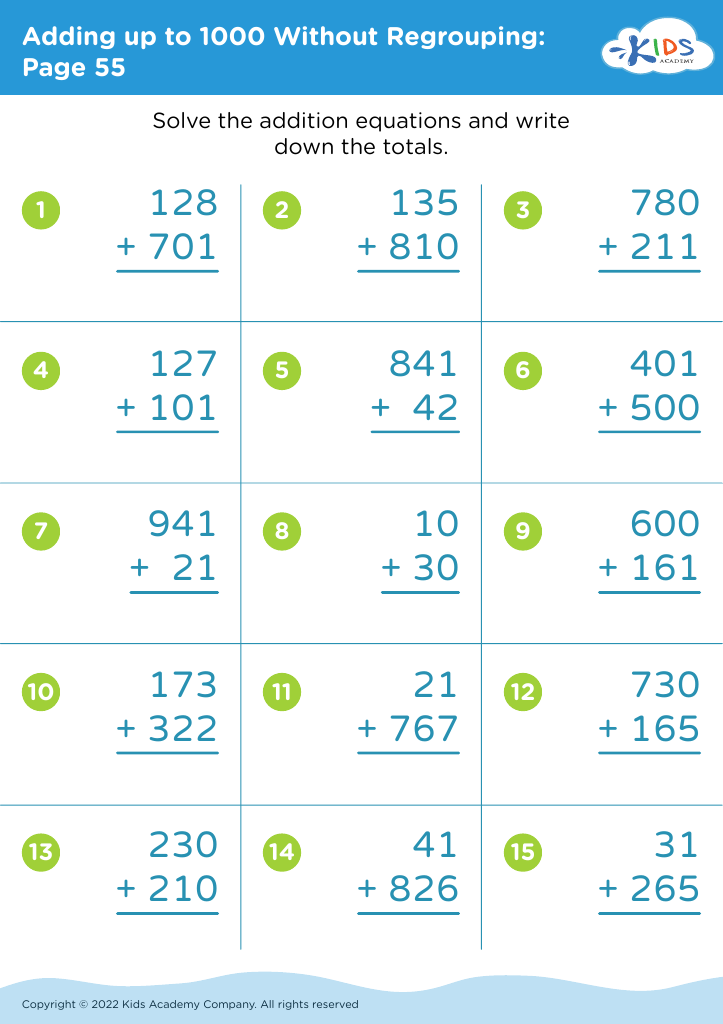
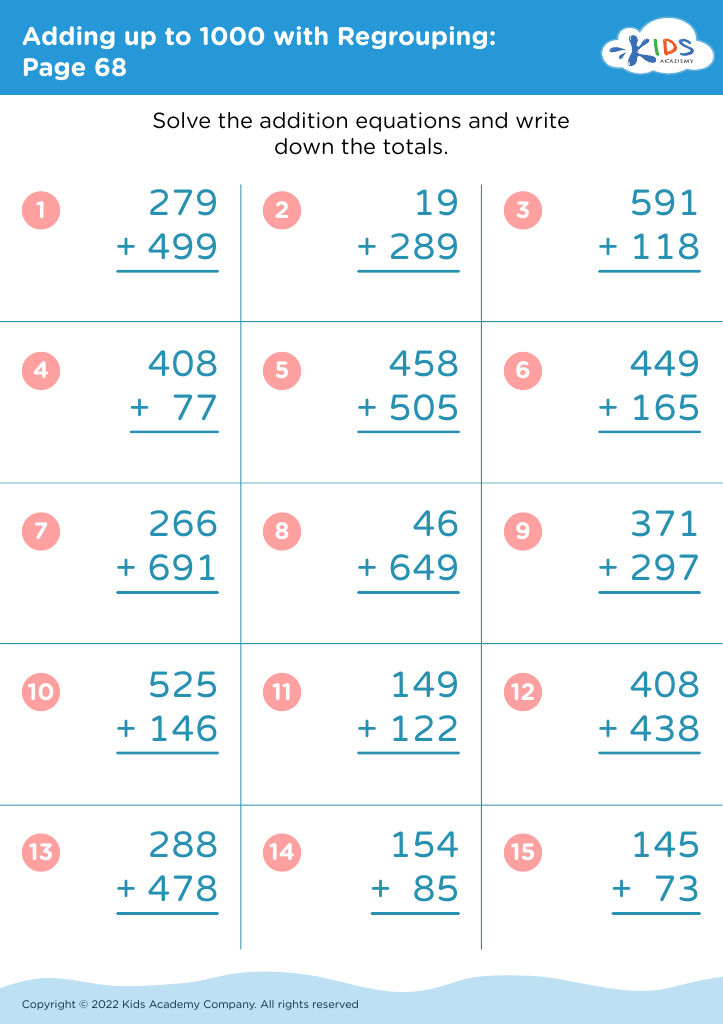
Enhance your child's writing and math skills with our Handwriting Practice Addition Worksheets designed for ages 5-8! These engaging printable worksheets combine essential handwriting exercises with fun addition problems, helping young learners perfect their penmanship while developing their math abilities. Children will practice writing numbers and words clearly, ensuring they gain confidence in their writing skills. Our expertly crafted worksheets cater to different learning styles and abilities, making them perfect for both classroom and home use. Encourage your child’s growth in a seamless way, fostering a love for learning while mastering foundational concepts in math and handwriting! Download the worksheets now!
Favorites
With answer key
Interactive
Join Kids Academy for Free
Who is primarily going to use this learning content?








Handwriting practice is essential for children aged 5-8, especially as they begin to master fundamental skills such as addition. At this age, children are not only learning to write letters and numbers, but they are also developing fine motor skills crucial for pencil control and coordination. By incorporating handwriting practice specifically in addition exercises, parents and teachers can bridge the gap between numerical understanding and physical writing.
Engaging in handwriting alongside math activities supports cognitive development by reinforcing the connection between visual, auditory, and kinesthetic learning styles. When children physically write out problems, they are more likely to remember them and grasp concepts like numbers and their relationships.
Furthermore, thoughtful handwriting practice promotes confidence and precision in both academic work and future endeavors. Clear communication is vital, and neat handwriting helps maintain clarity in problem-solving scenarios. As children grow, good handwriting builds self-esteem during assessments, as they take pride in presenting their work well.
In a digital age, where typing is predominant, the value of neat handwriting should not be underestimated, as it is often associated with personal identity and professionalism. Inculcating this skill during early years lays a strong foundation for lifelong learning and communication success.








