Identifying equivalent fractions Addition Worksheets for Ages 5-8
7 filtered results
-
From - To
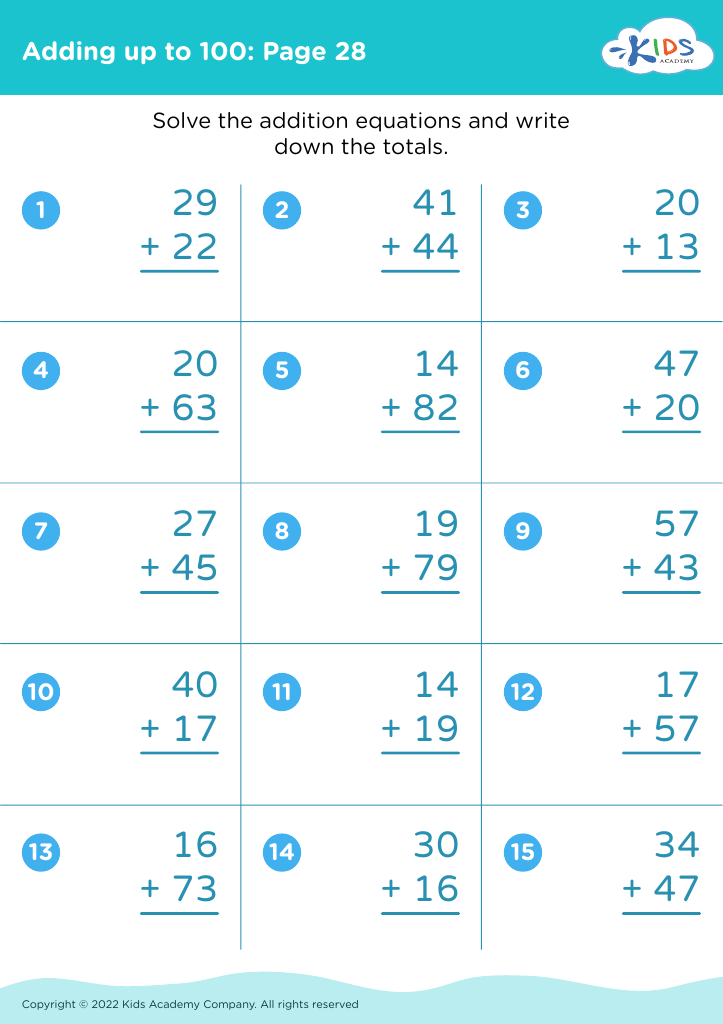
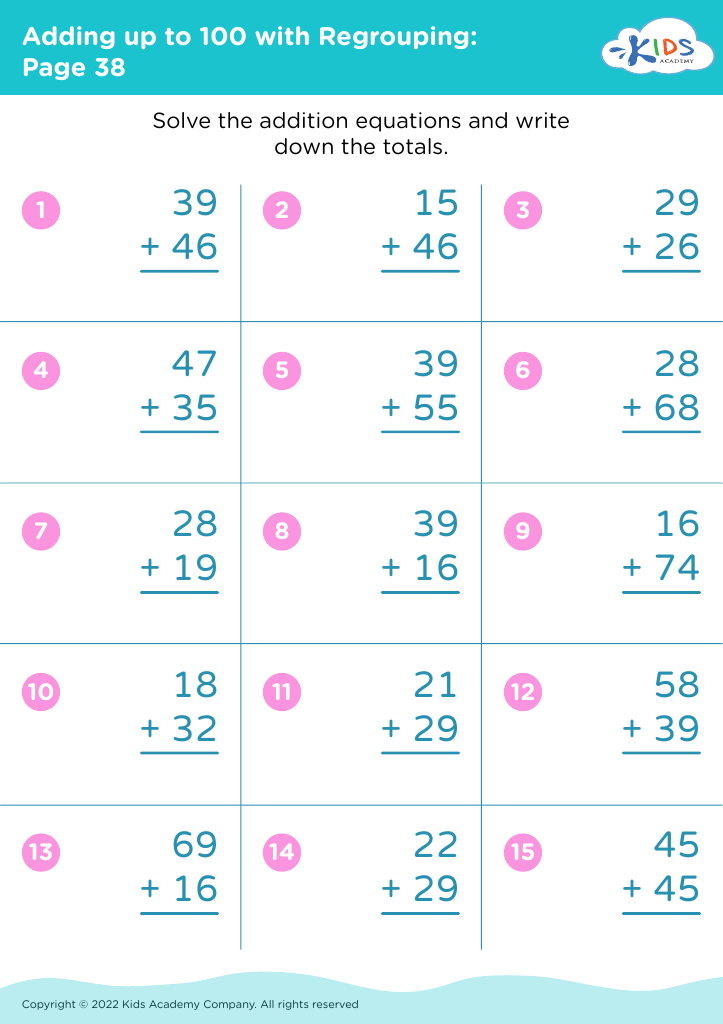
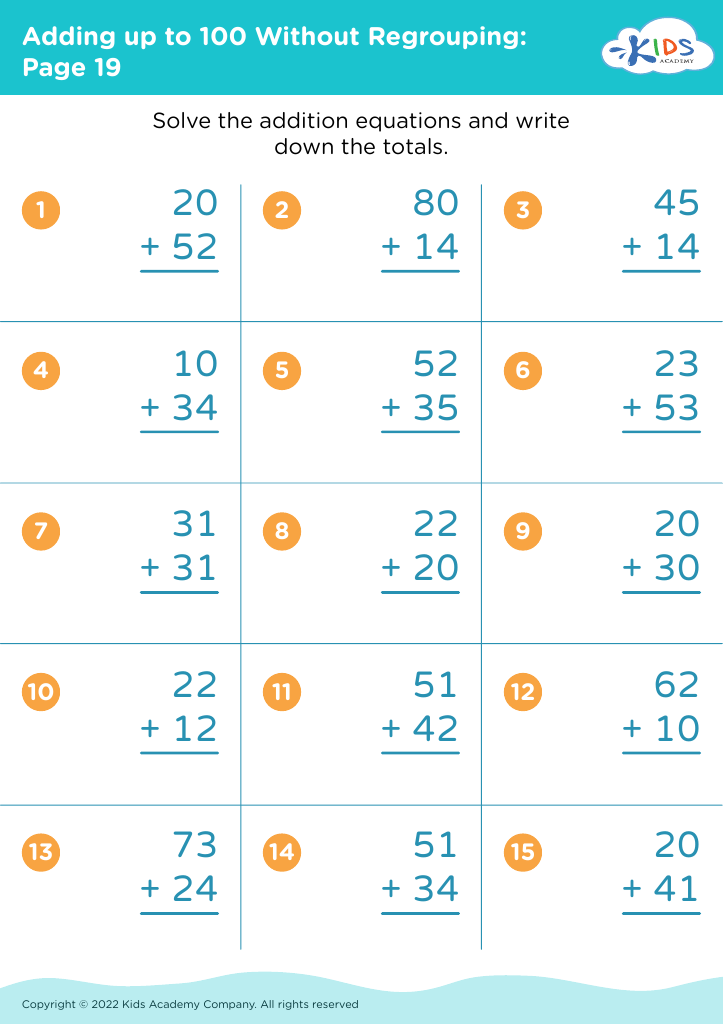
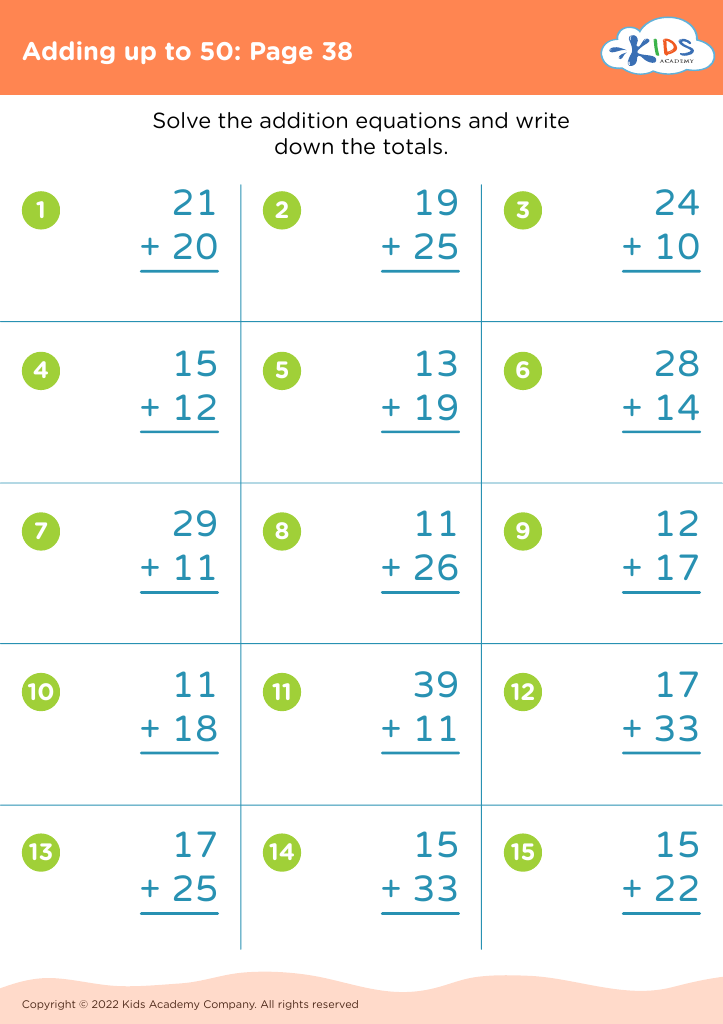
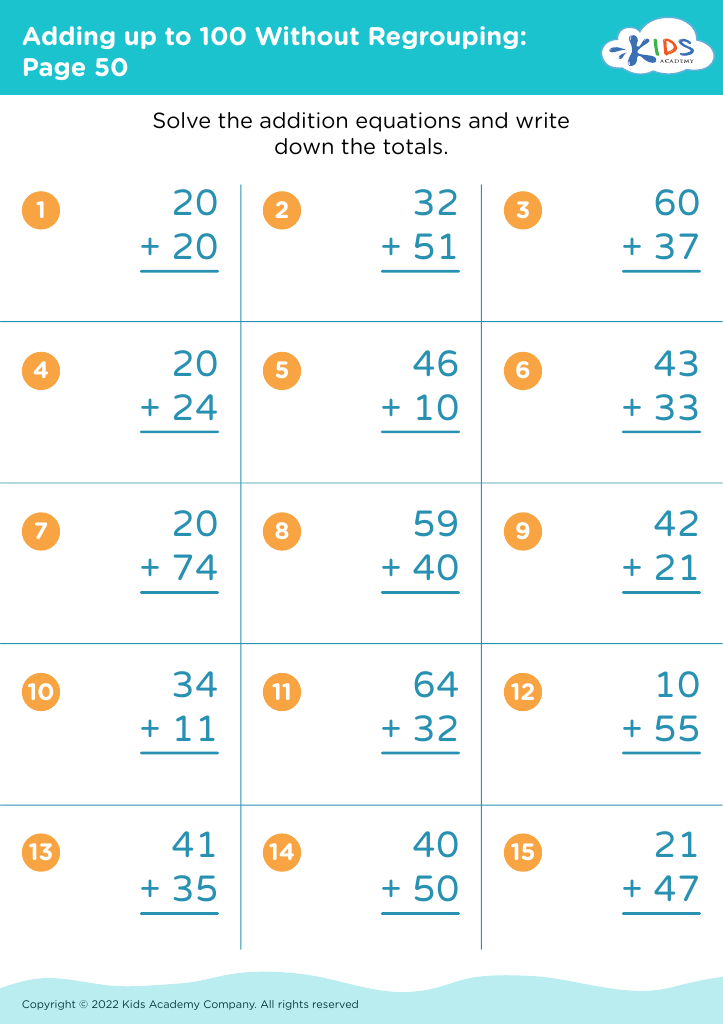
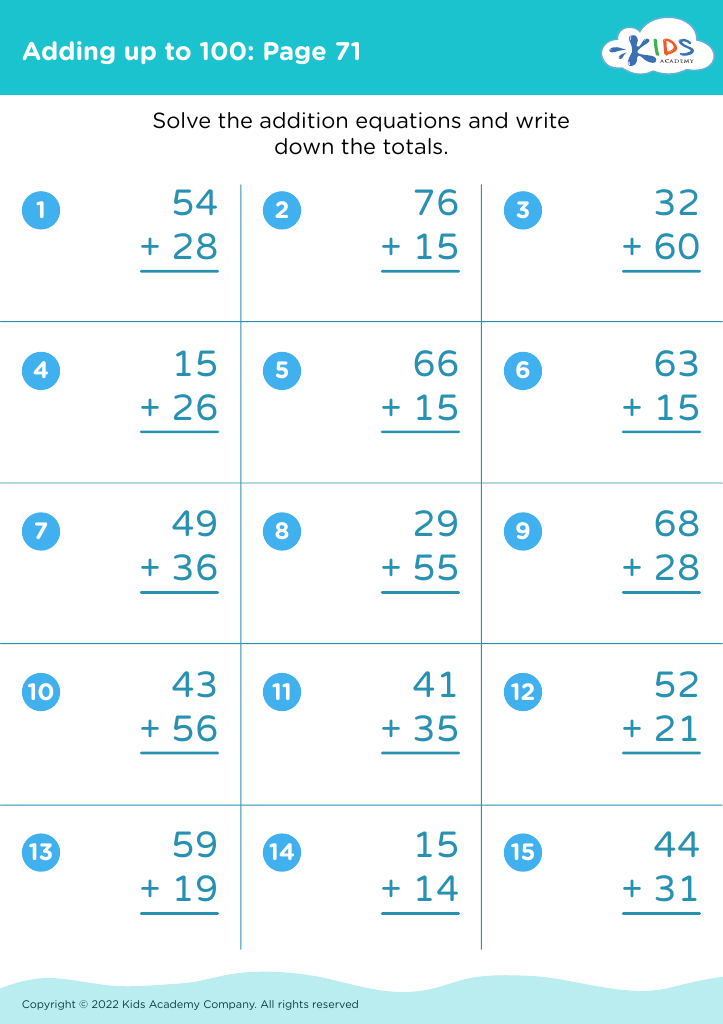
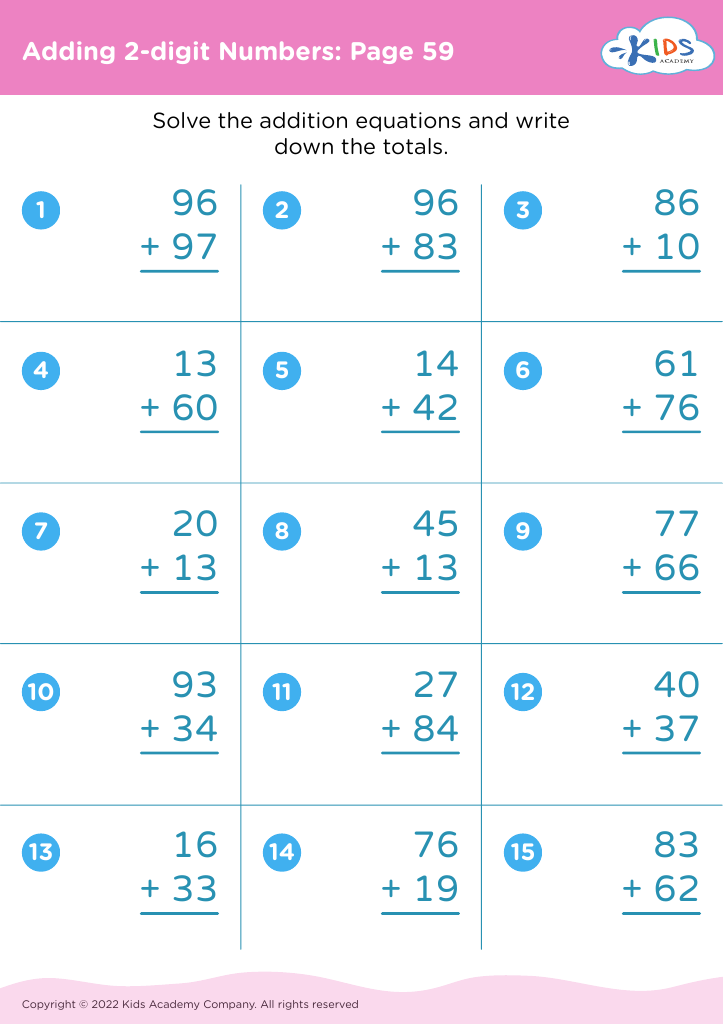
Discover the perfect tool for young learners with our "Identifying Equivalent Fractions Addition Worksheets for Ages 5-8." These engaging, printable worksheets are designed to help children develop a solid understanding of equivalent fractions through fun and interactive activities. Each worksheet encourages children to explore addition while identifying fractions that represent the same value. They foster critical thinking and enhance math skills, making complex concepts more accessible. Perfect for classroom use or at-home practice, these worksheets are an excellent resource to support your child's mathematical journey. Boost their confidence and enjoyment in math with our essential learning aids.


.jpg)





Identifying equivalent fractions and learning addition are foundational to a child's mathematical development, especially for ages 5-8. Understanding equivalent fractions helps young learners grasp that different fractions can represent the same quantity, fostering a deeper comprehension of numerical relationships. This concept is crucial as it lays the groundwork for more complex mathematical topics they will encounter later, such as algebra and ratio reasoning.
For parents and teachers, emphasizing these skills aids in building a child's confidence in math. When students can recognize equivalent fractions, they better understand how fractions work, making it easier for them to simplify problems and find common denominators, which are key steps in addition and subtraction of fractions.
Moreover, teaching addition alongside this understanding ensures that children develop a solid foundation in basic arithmetic, which is a critical life skill. By encouraging early familiarity with these concepts, parents and teachers contribute to a child's ability to solve real-world problems, such as measuring ingredients for a recipe or dividing items evenly.
Overall, prioritizing these skills cultivates logical thinking, problem-solving abilities, and a positive attitude towards learning mathematics, thereby enabling academic success and practical, everyday competence.








