
Improve math skills Addition Worksheets for Ages 5-8
17 filtered results
Difficulty Level
Grade
Age
-
From - To
Subject
Activity
Standards
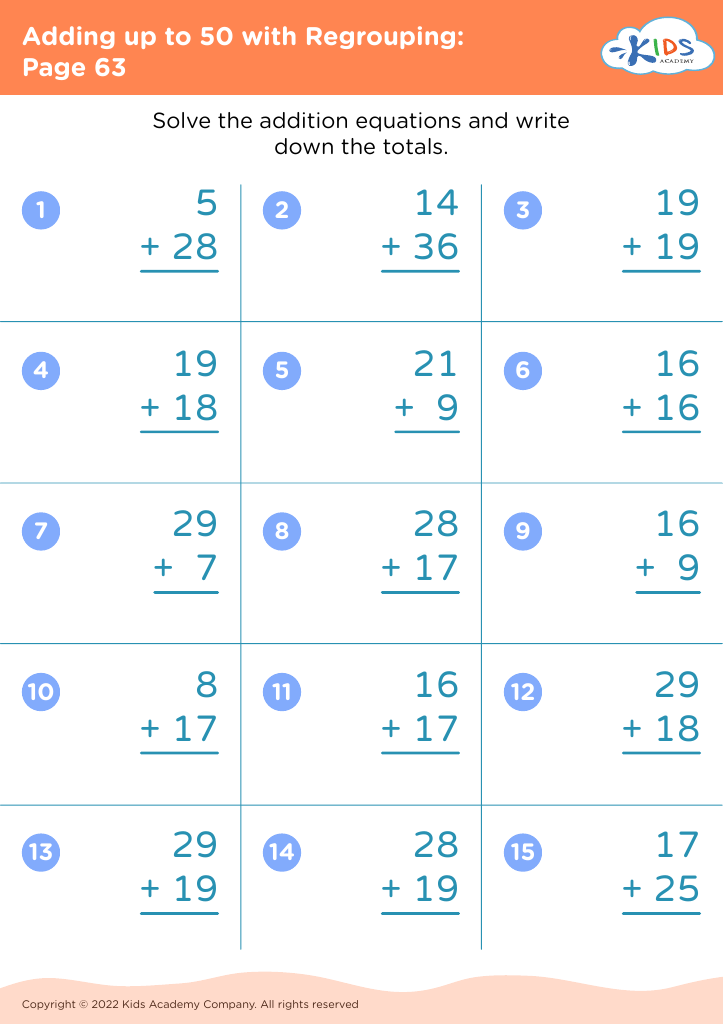
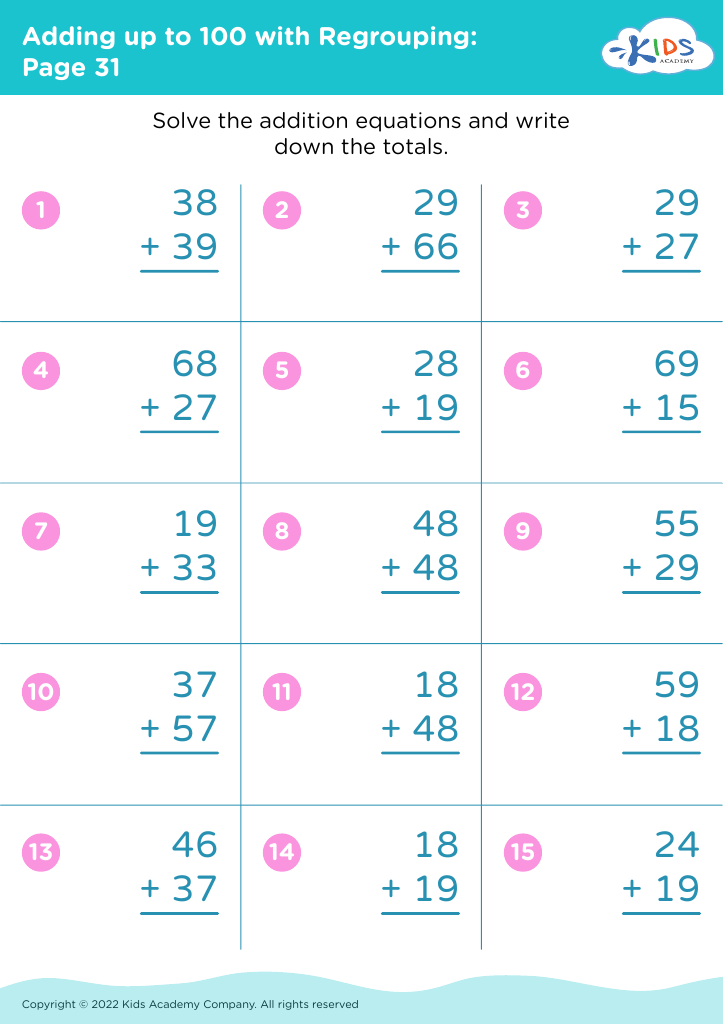
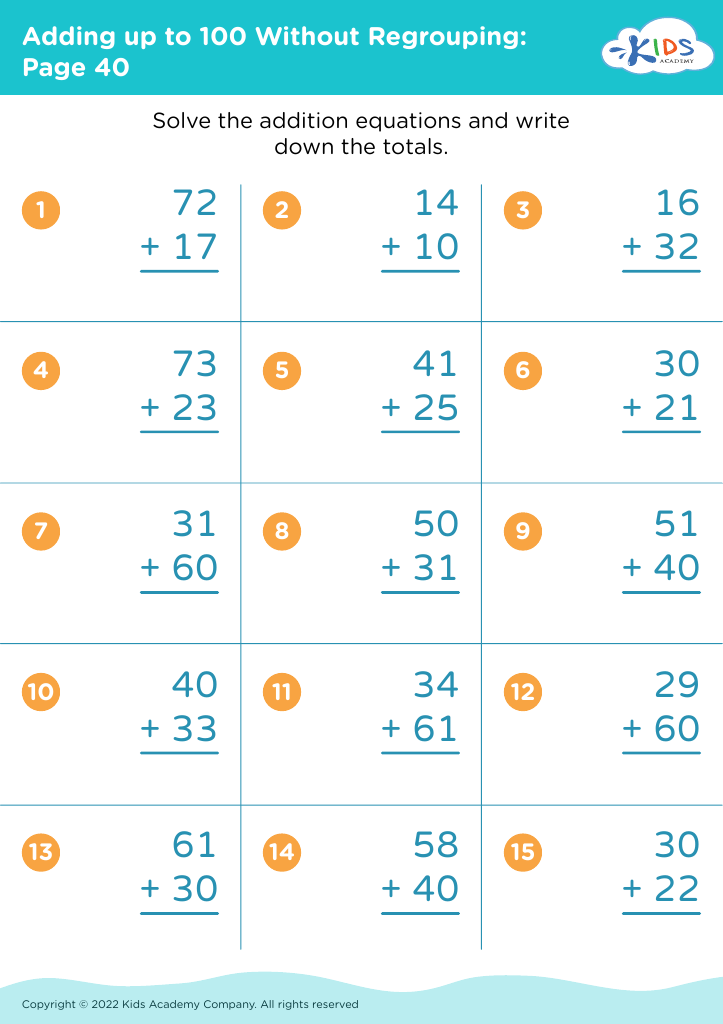
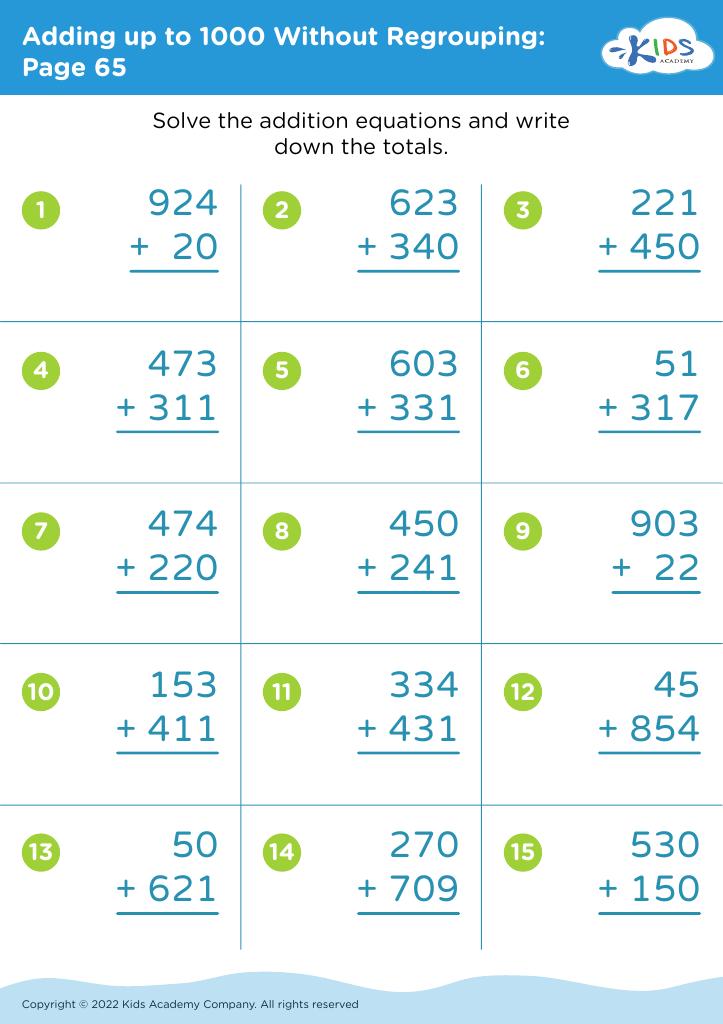
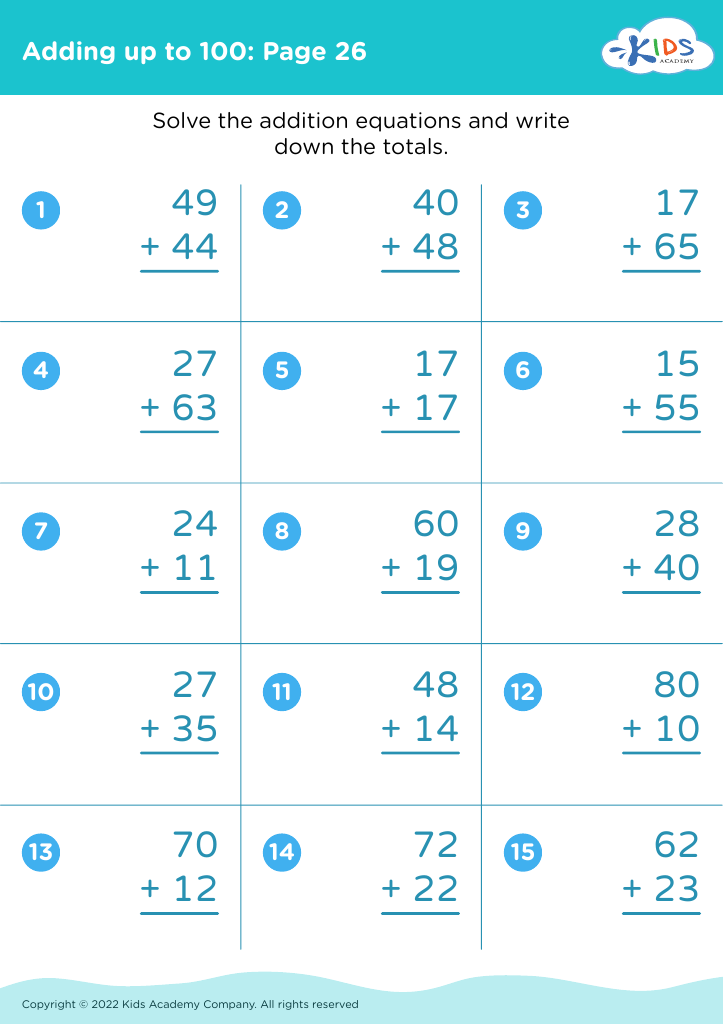
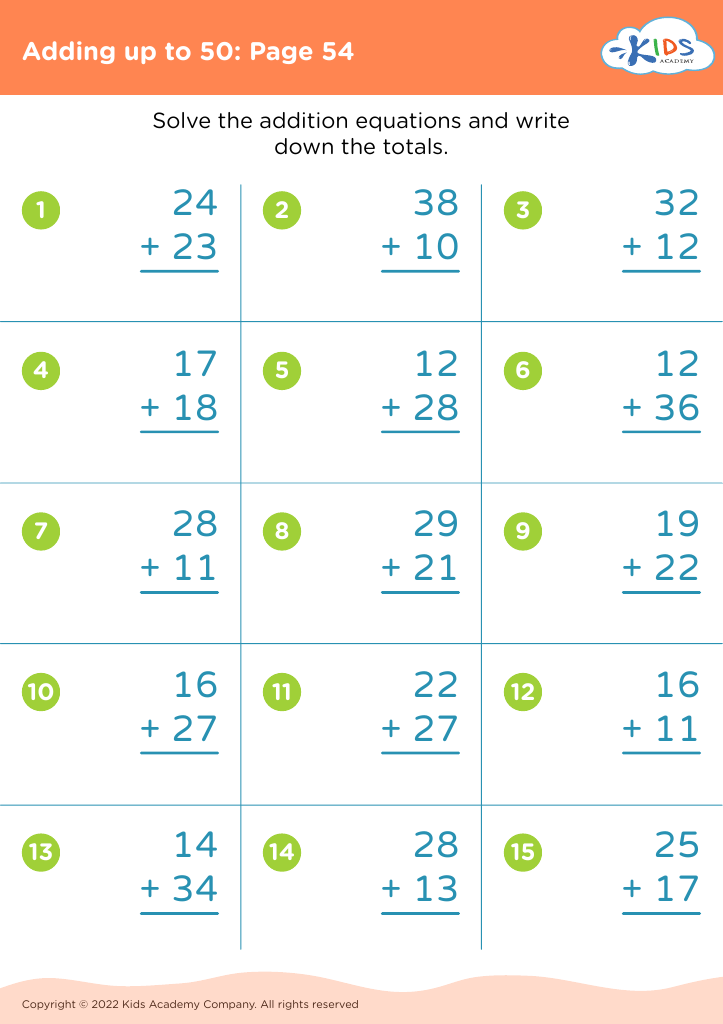
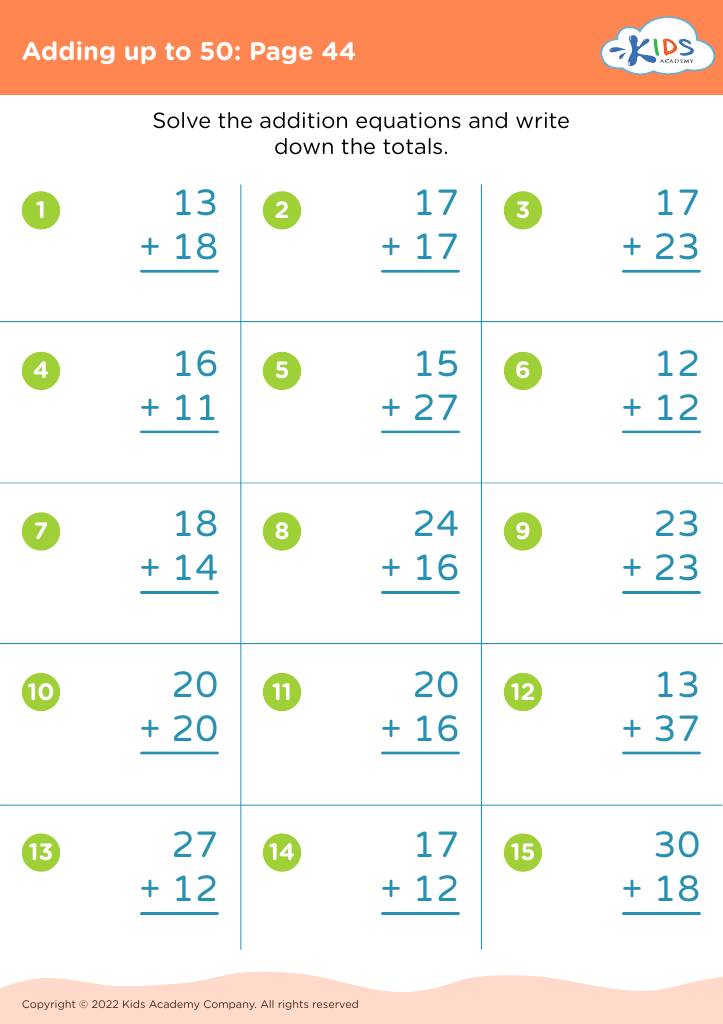
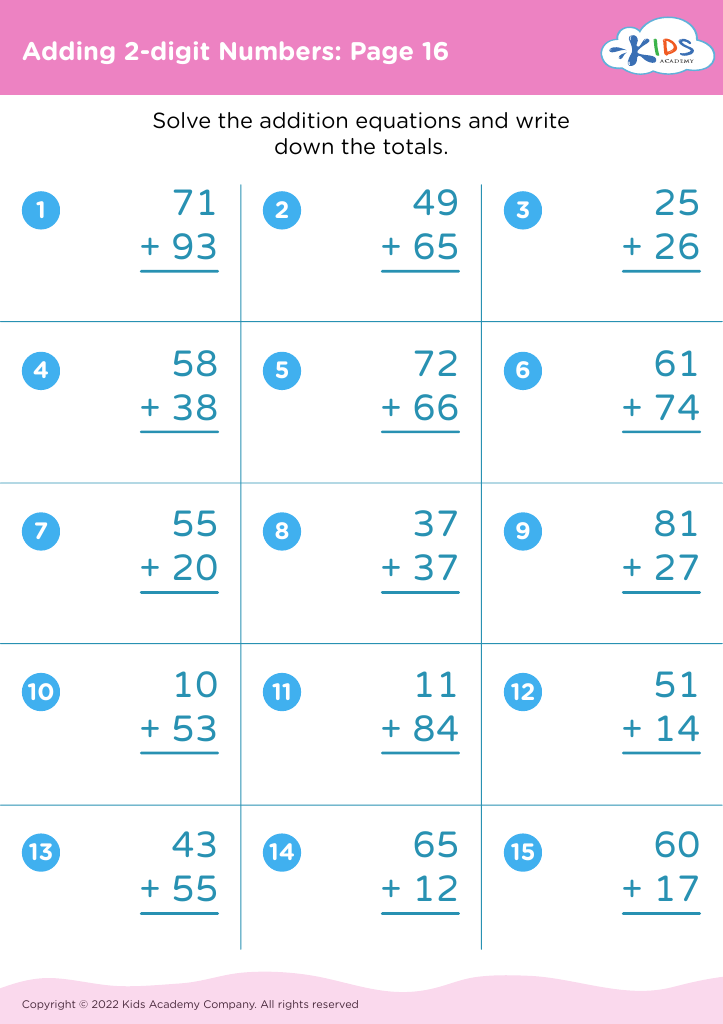
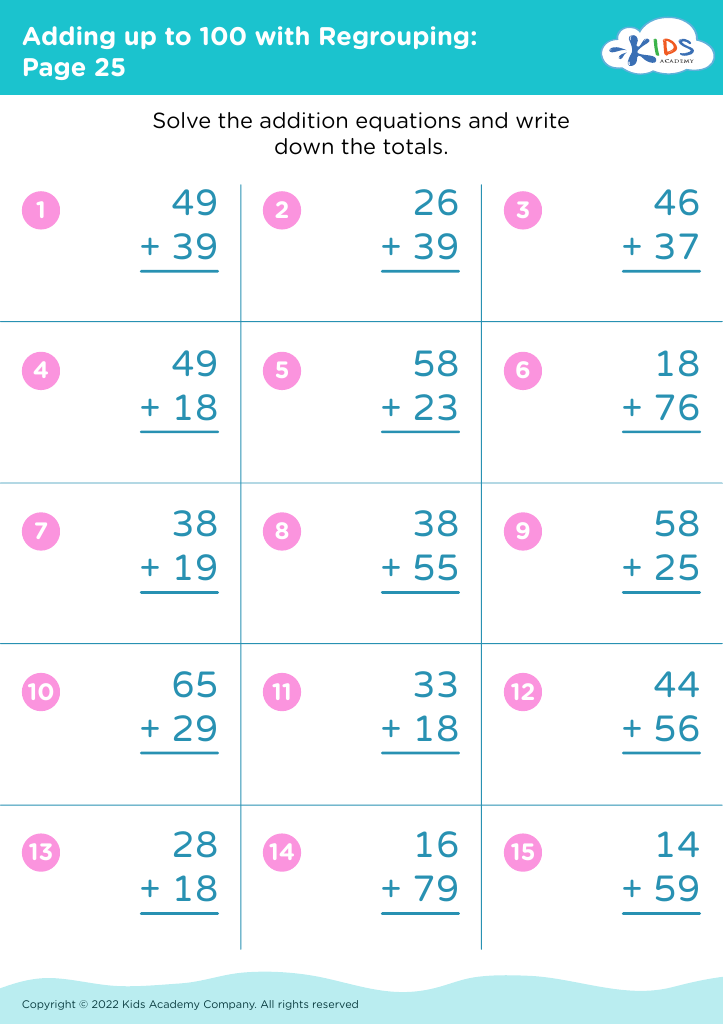
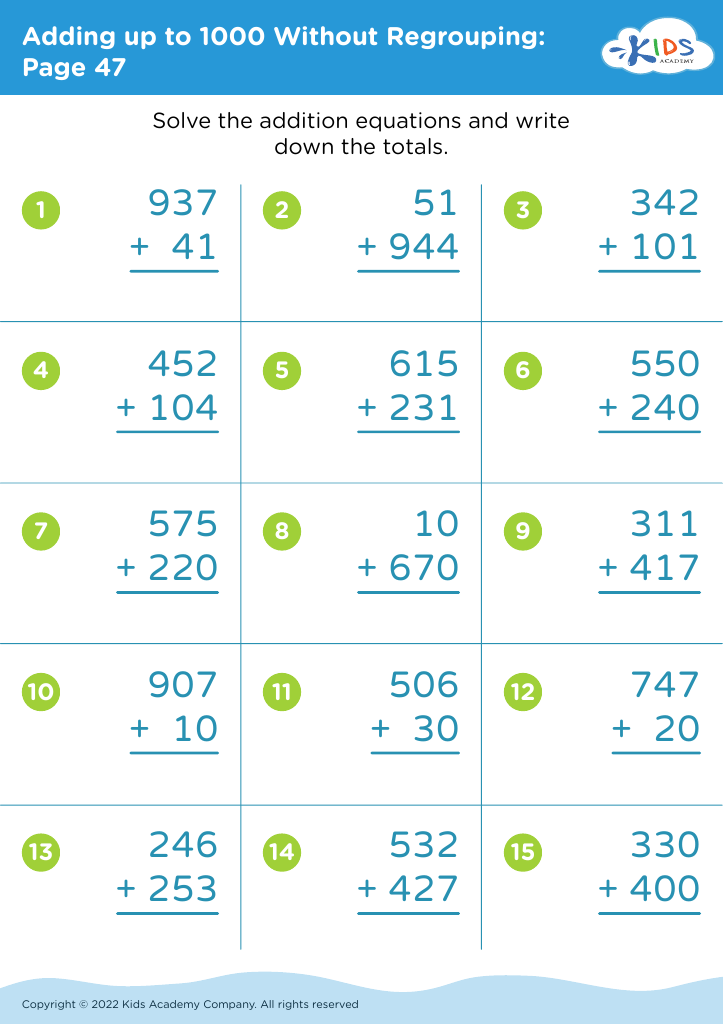
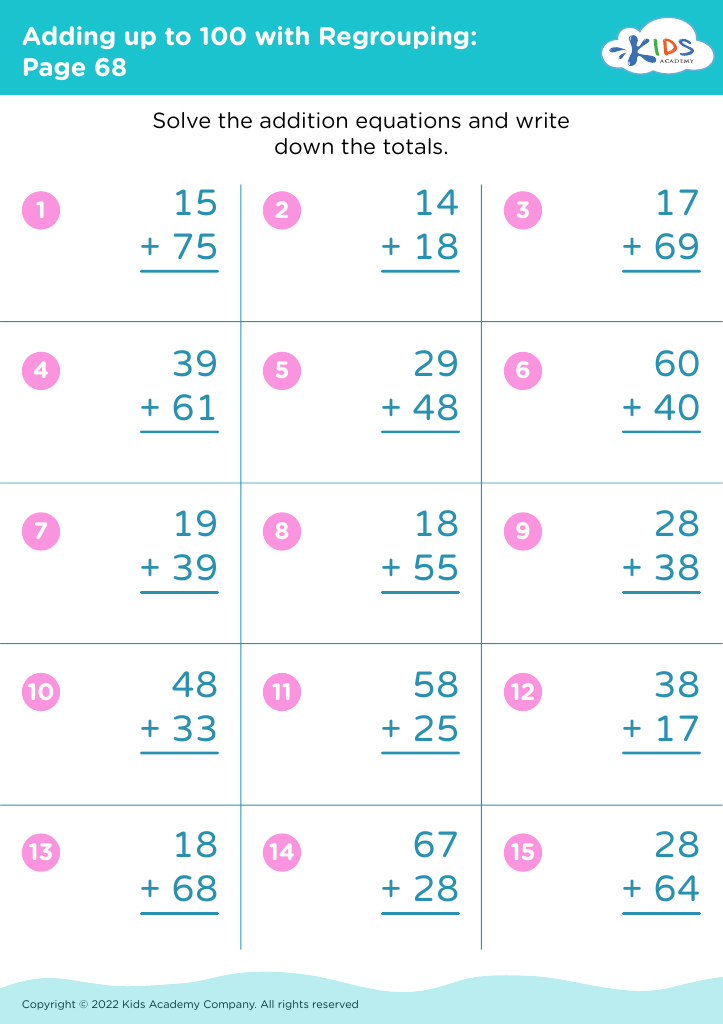
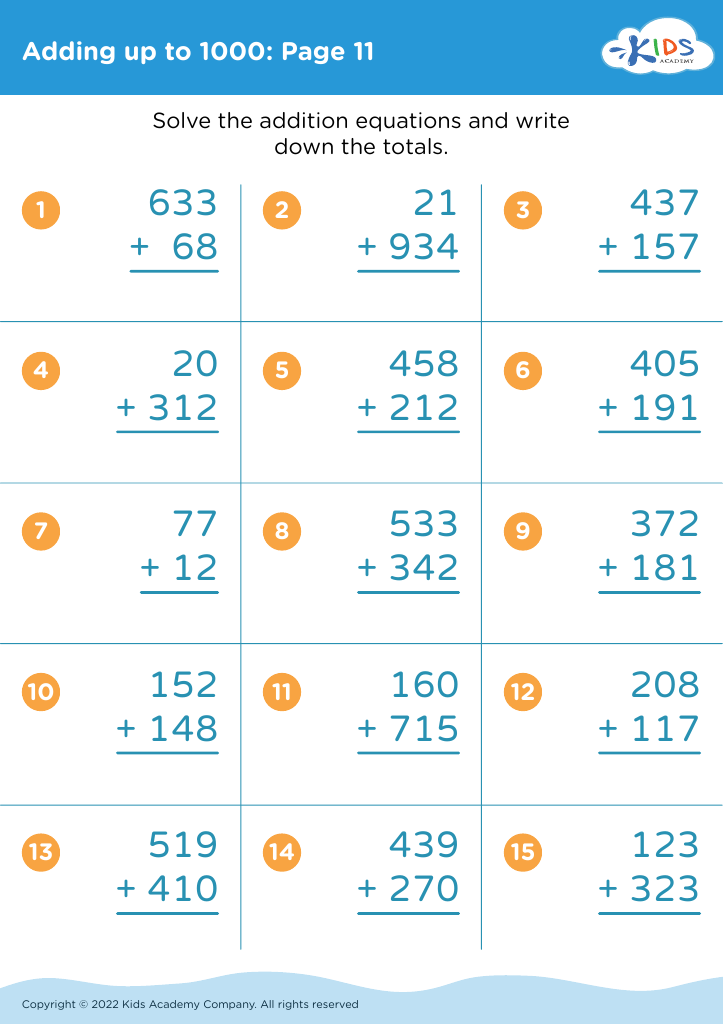
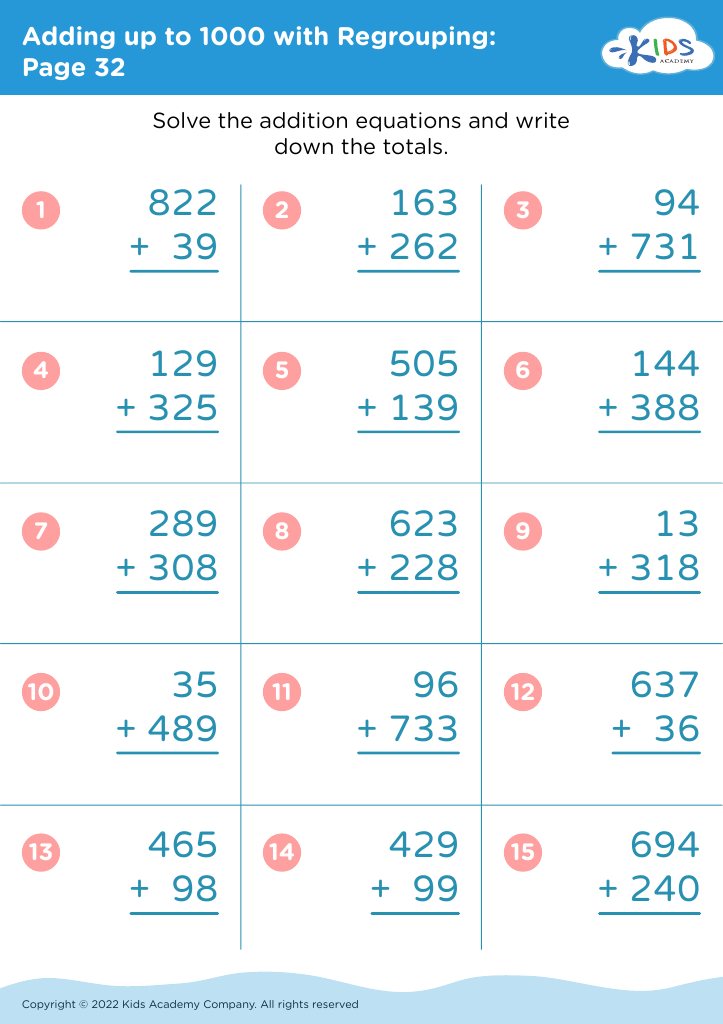
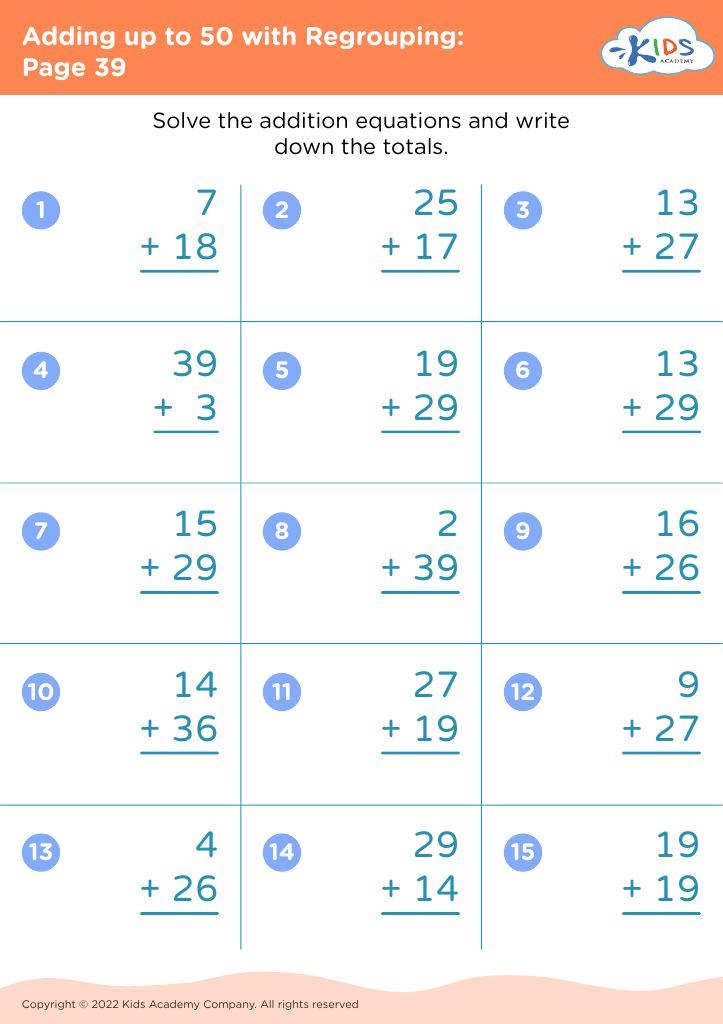
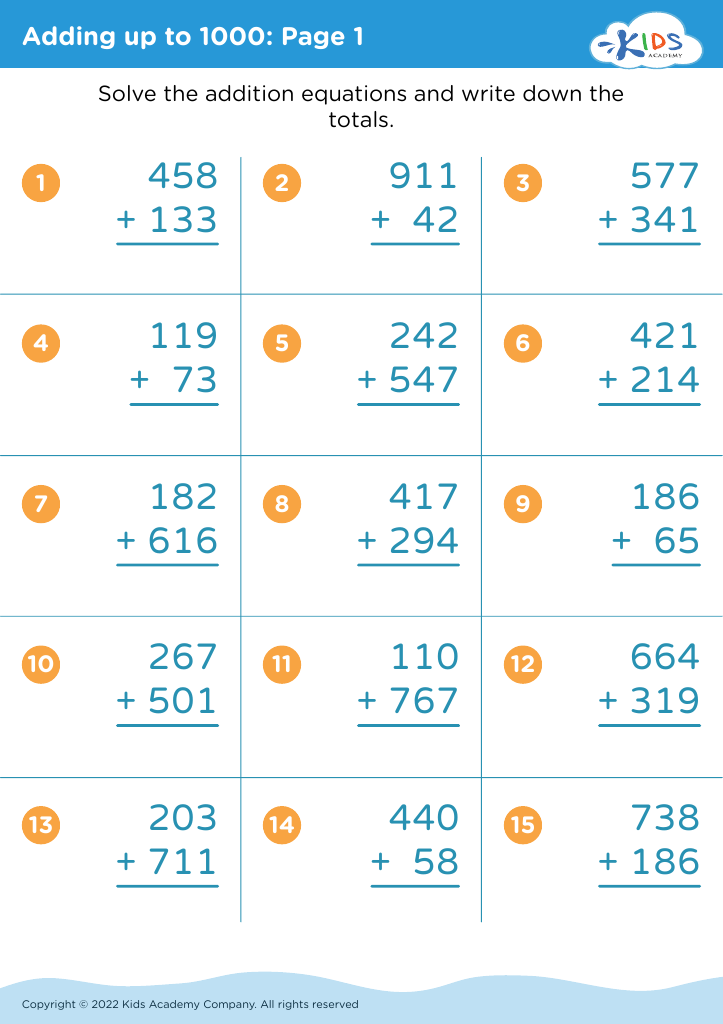
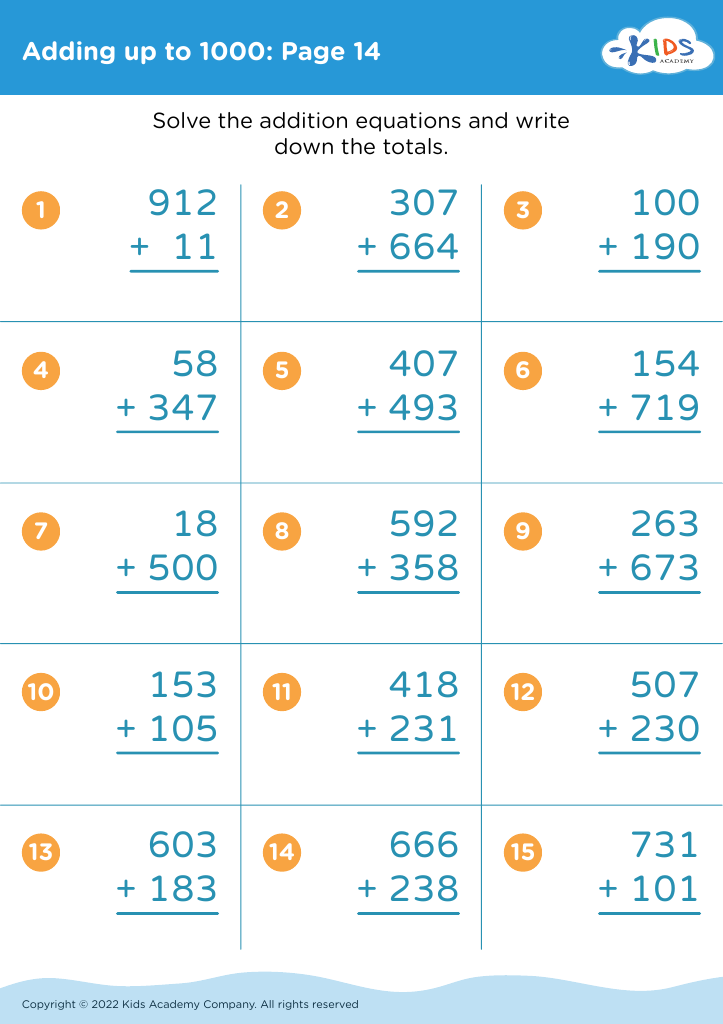
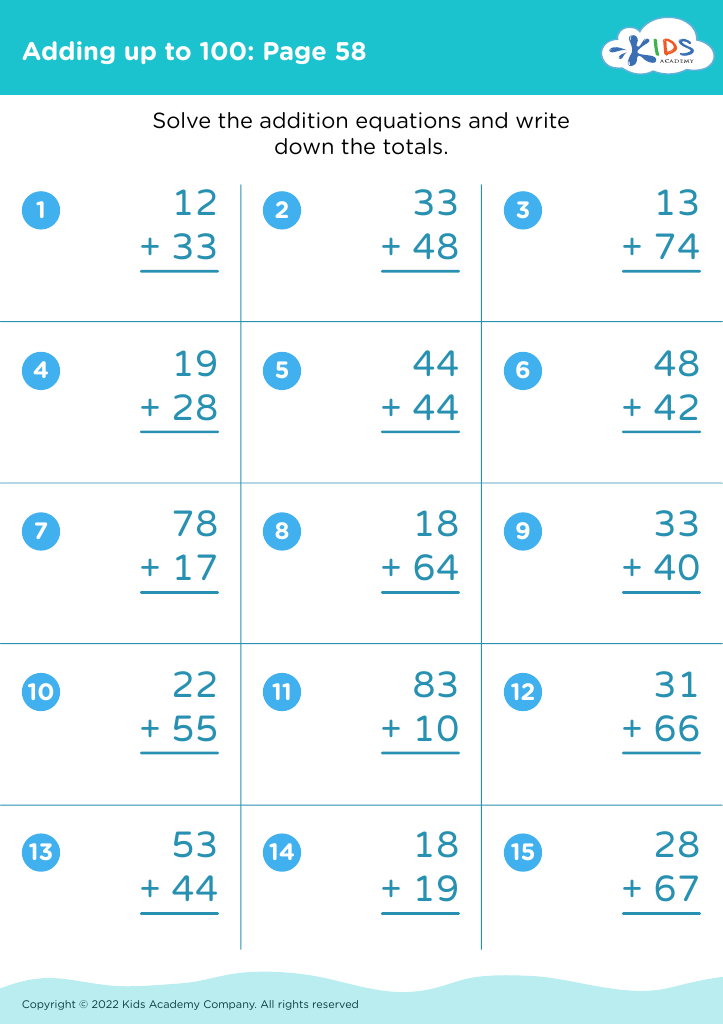
Boost your child's math abilities with our engaging Addition Worksheets designed specifically for ages 5-8! These worksheets provide a fun and interactive way to enhance basic addition skills, featuring colorful illustrations and relatable themes to keep young learners motivated. Our resources cater to various learning levels, ensuring each child finds the right challenge for their progress. As they work through exciting exercises and puzzles, children naturally develop confidence and a strong foundation in math. Perfect for home or classroom use, these worksheets are an invaluable tool for parents and educators striving to improve essential math skills in early learners. Let’s make math fun!
Favorites
With answer key
Interactive
Join Kids Academy for Free
Who is primarily going to use this learning content?





.jpg)
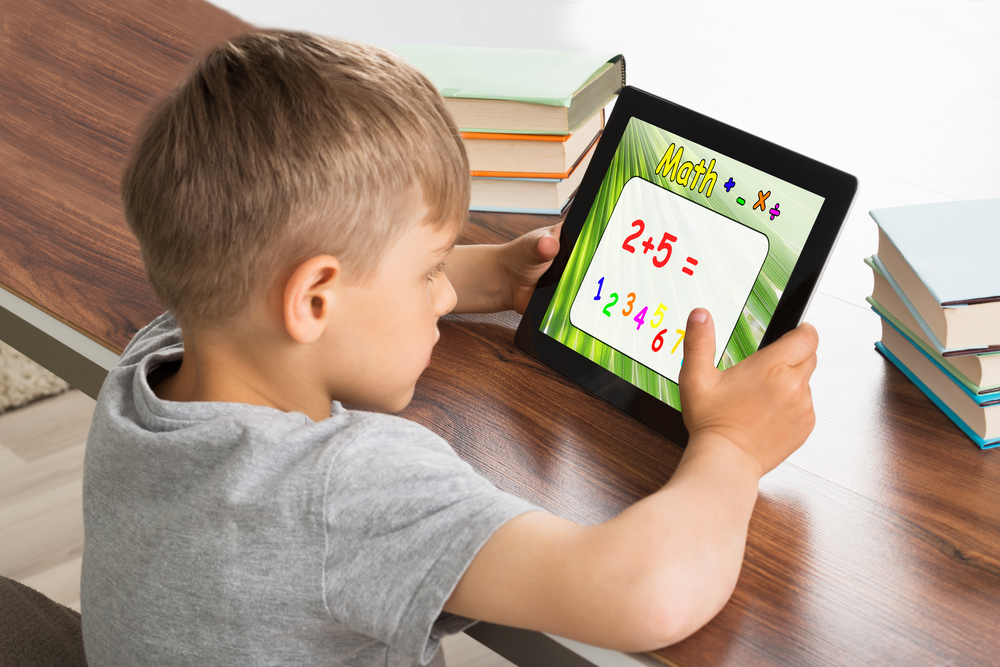

Parents and teachers should prioritize improving math skills in addition for children aged 5 to 8 because foundational math abilities significantly influence future learning and academic success. At this age, children are in a critical developmental stage where they can grasp essential concepts that form the building blocks of more complex mathematics. Mastery of addition helps foster logical thinking and enhances problem-solving skills, paving the way for understanding subtraction, multiplication, and division.
Additionally, strong arithmetic skills can boost children's confidence and their motivation to engage in mathematics. When children feel competent in addition, they are more likely to participate actively in math-related activities and discussions, creating a positive feedback loop that encourages continual learning.
Moreover, these skills enable children to develop everyday life skills, as basic math is used in scenarios like shopping or sharing with friends. Engaging with addition also provides opportunities for parents and teachers to connect with children, making math enjoyable through games, stories, and practical examples. This fun interaction can foster a lifelong appreciation for learning. Ultimately, supporting addition skills is an investment in children's educational paths, ensuring they are well-prepared for future academic challenges across various disciplines.








