Problem-Solving Skills Addition Worksheets for Ages 5-8 - Page 5
149 filtered results
-
From - To
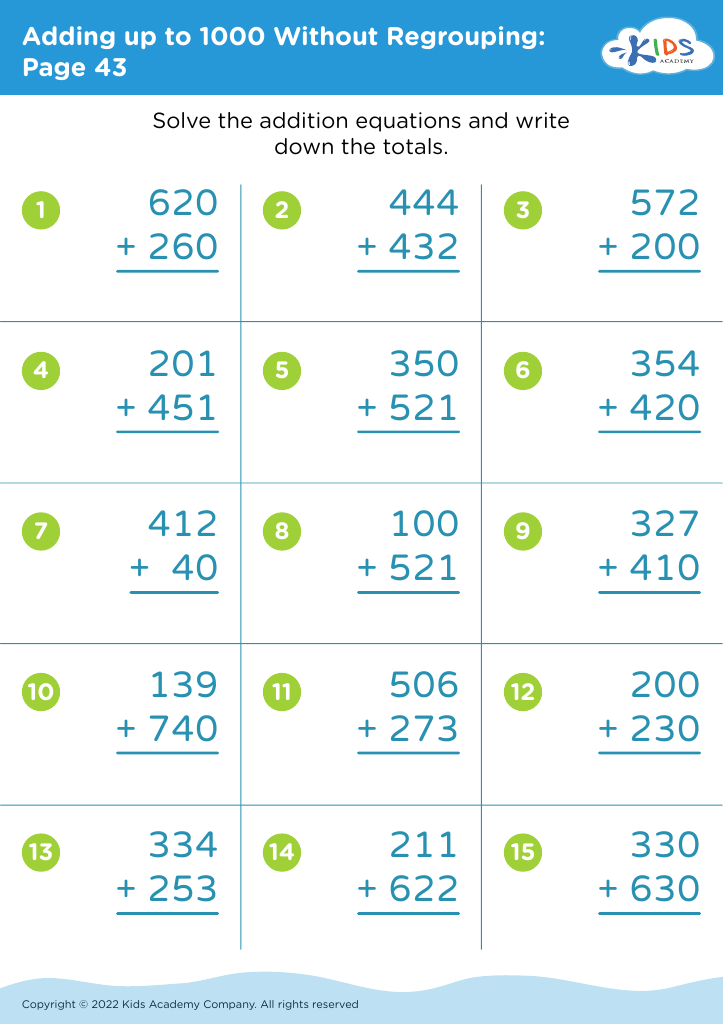
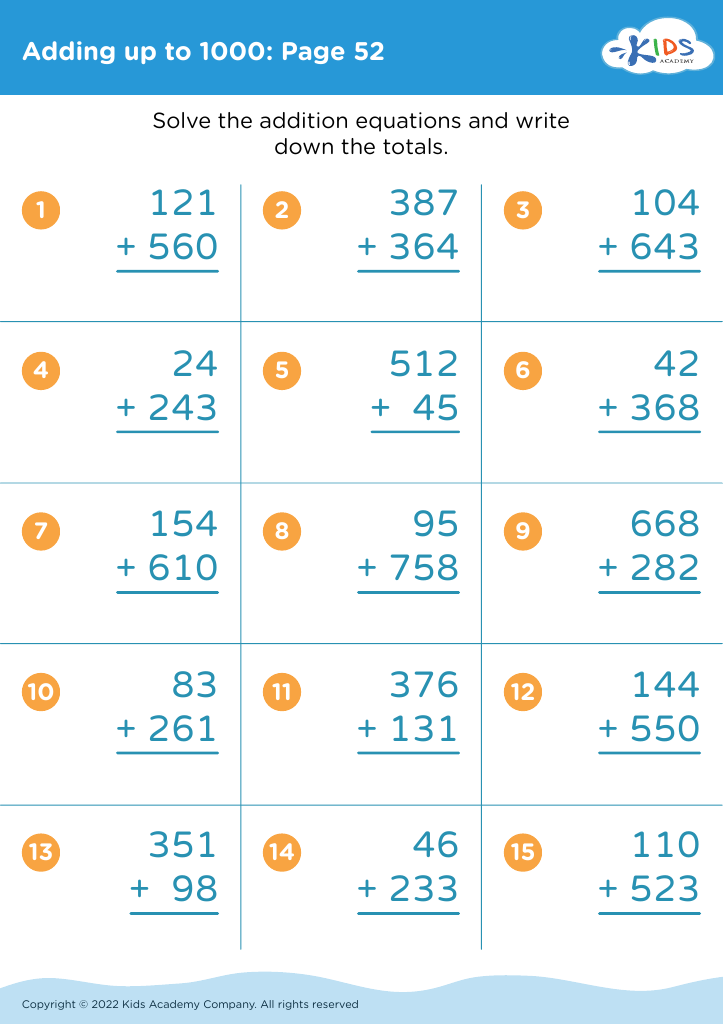
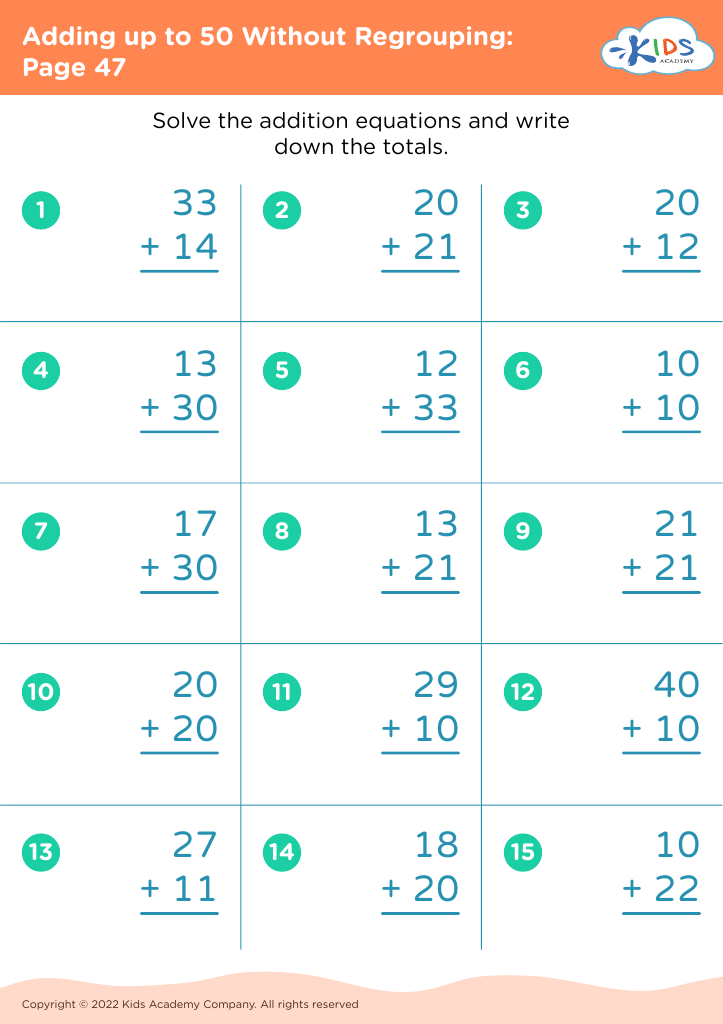
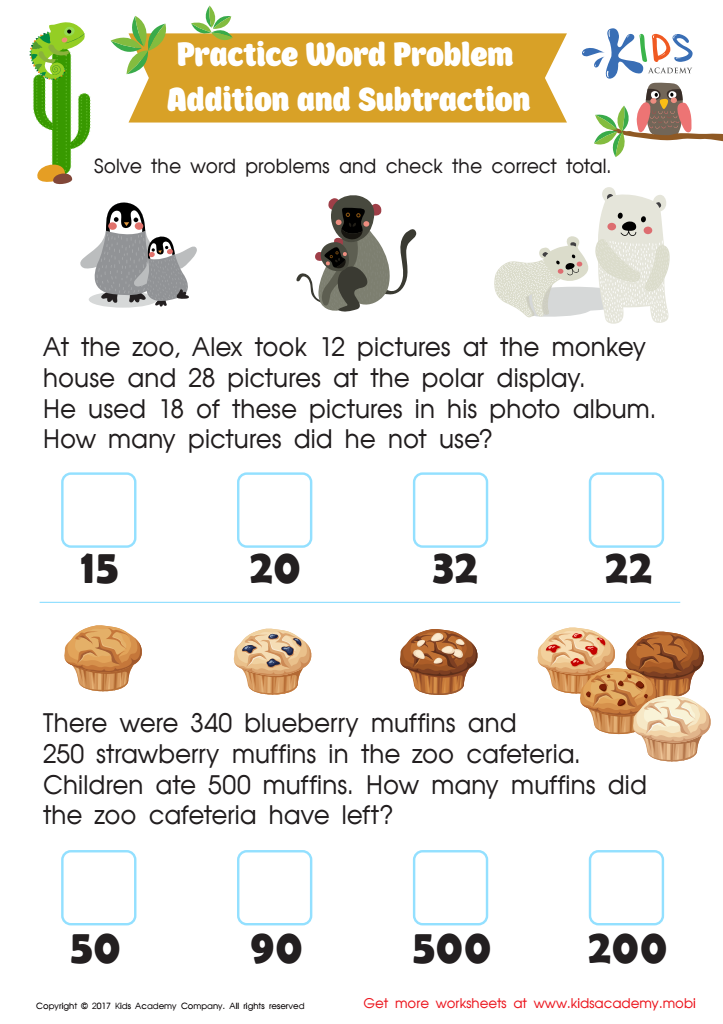
Addition and Subtraction: Word Problems Worksheet
 Assign to My Students
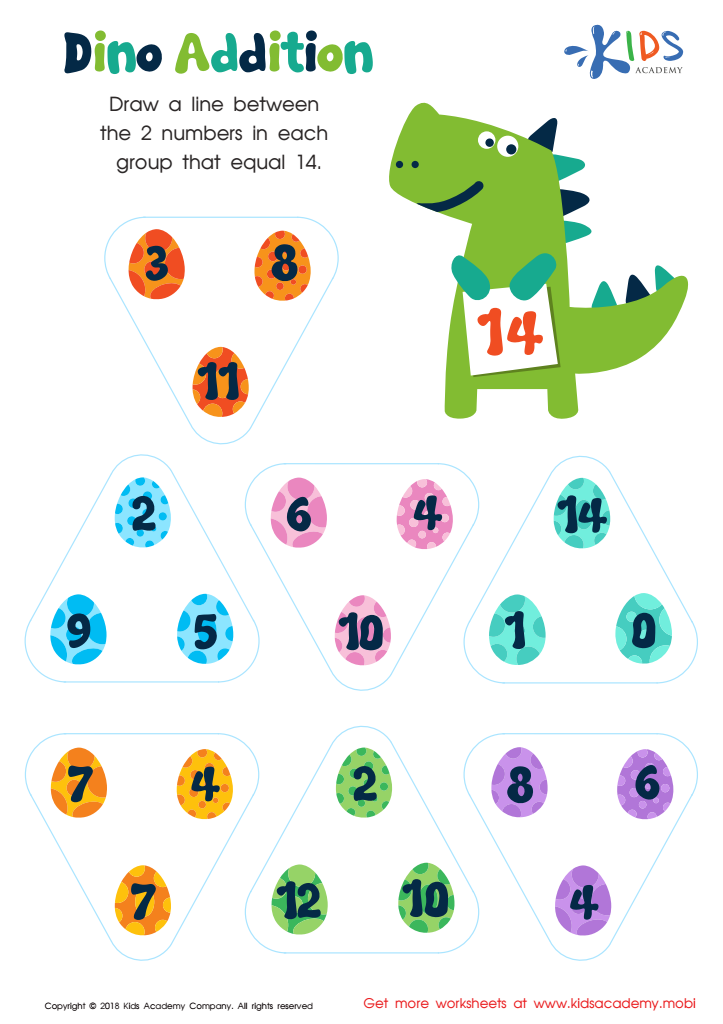
Dino Addition Worksheet
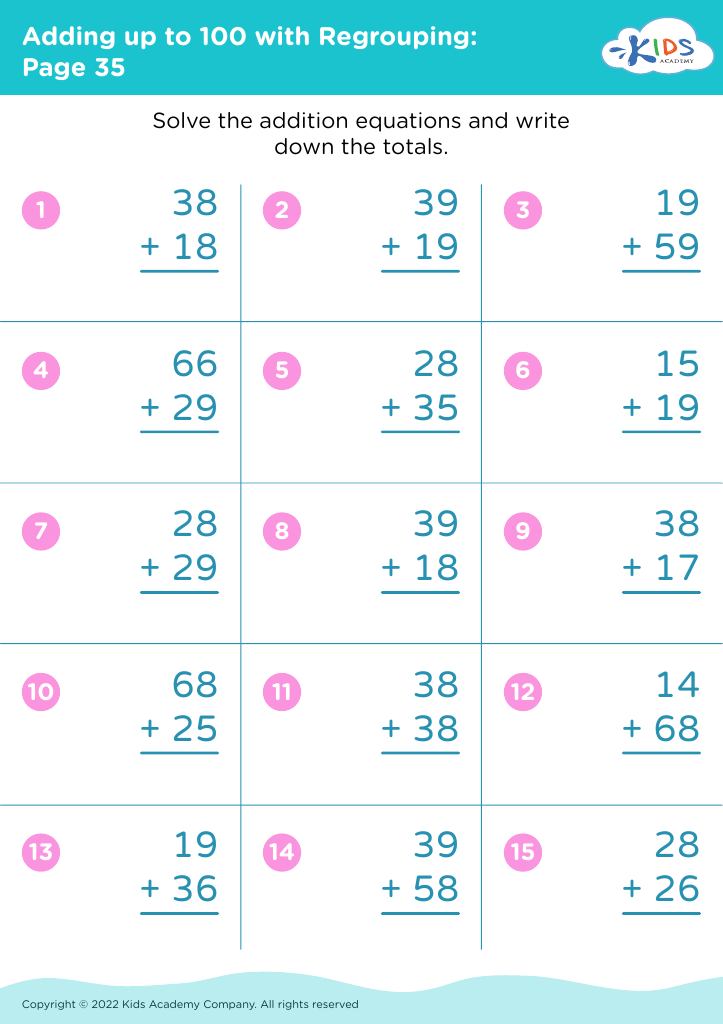
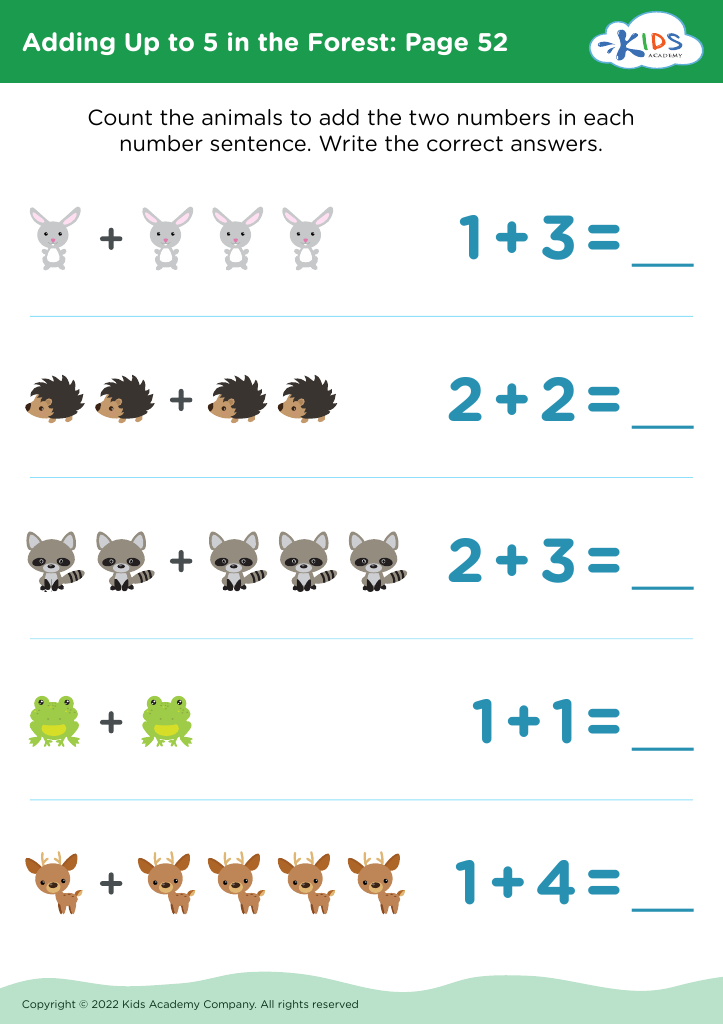
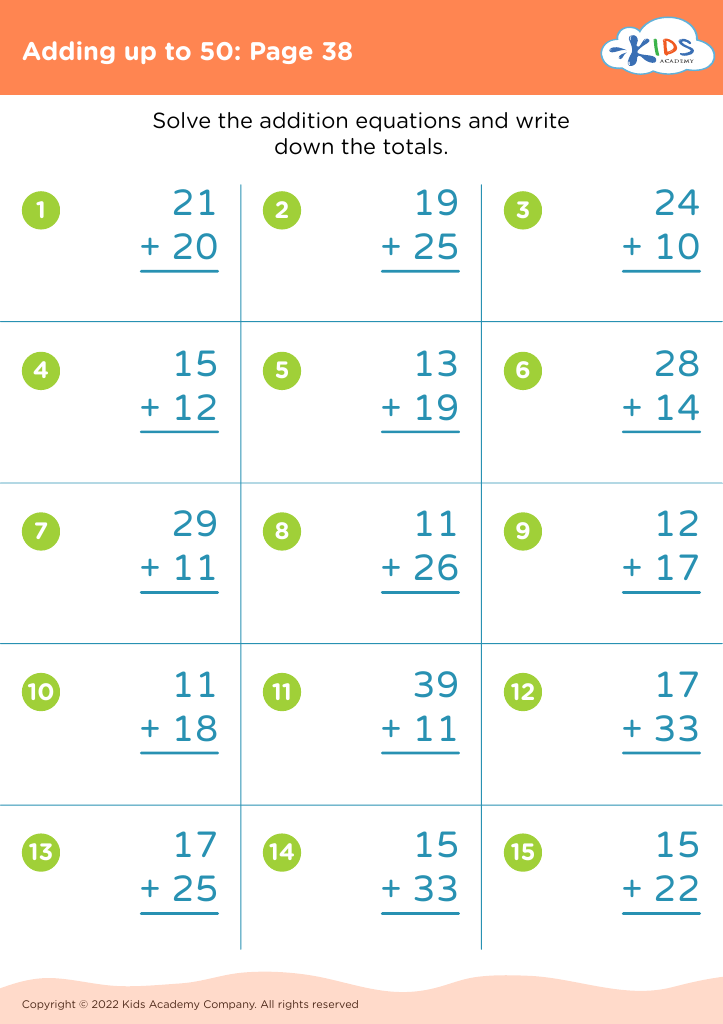
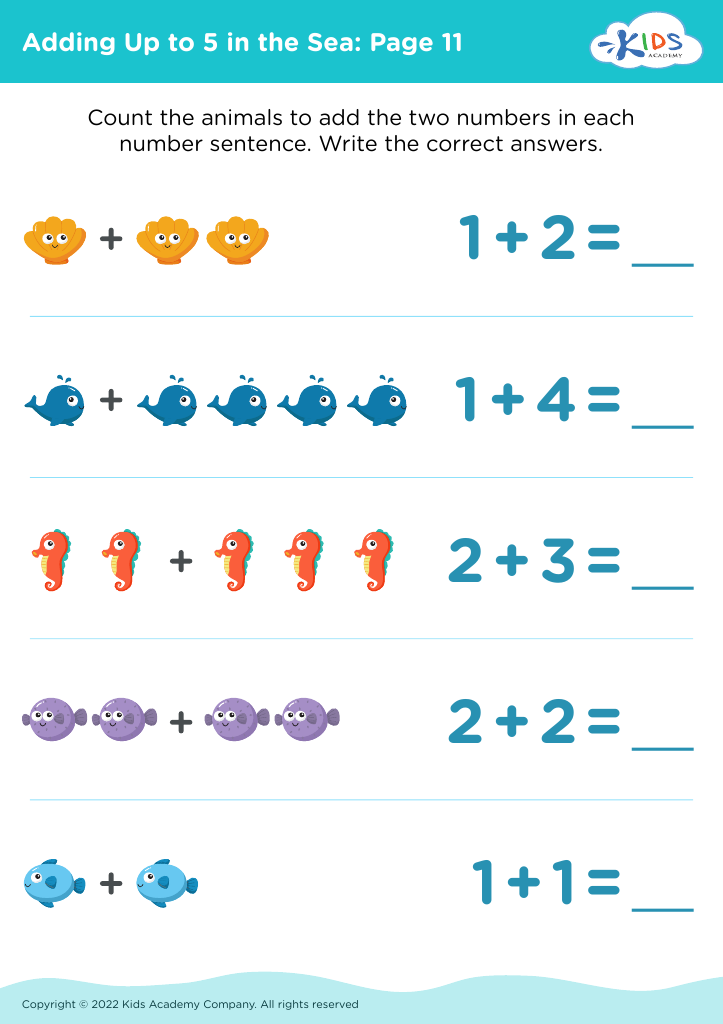
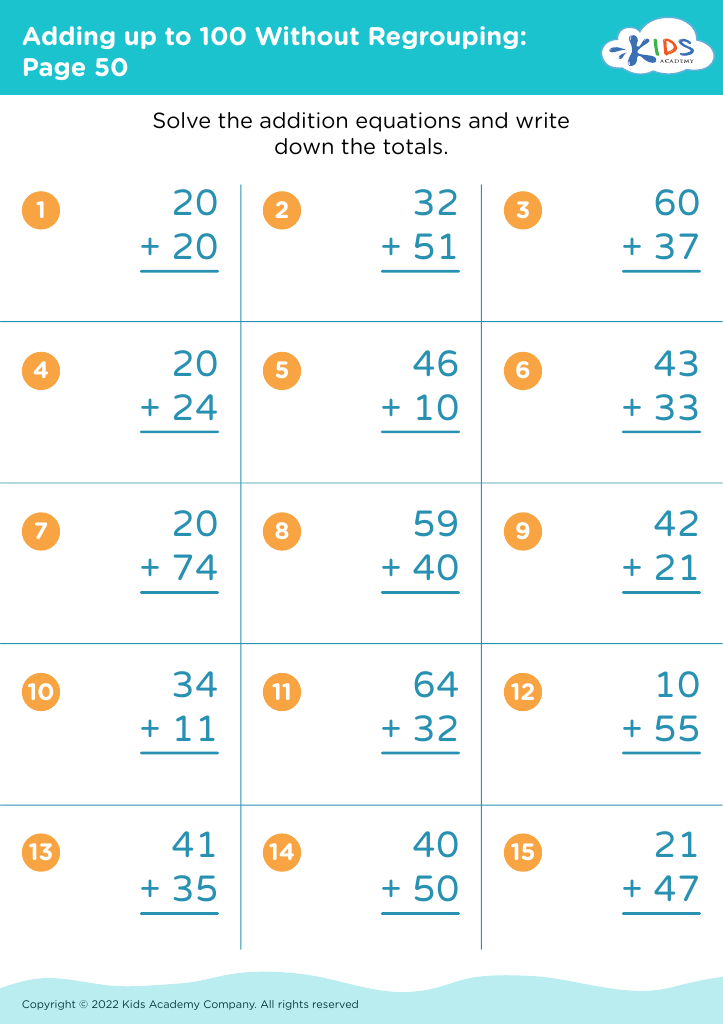
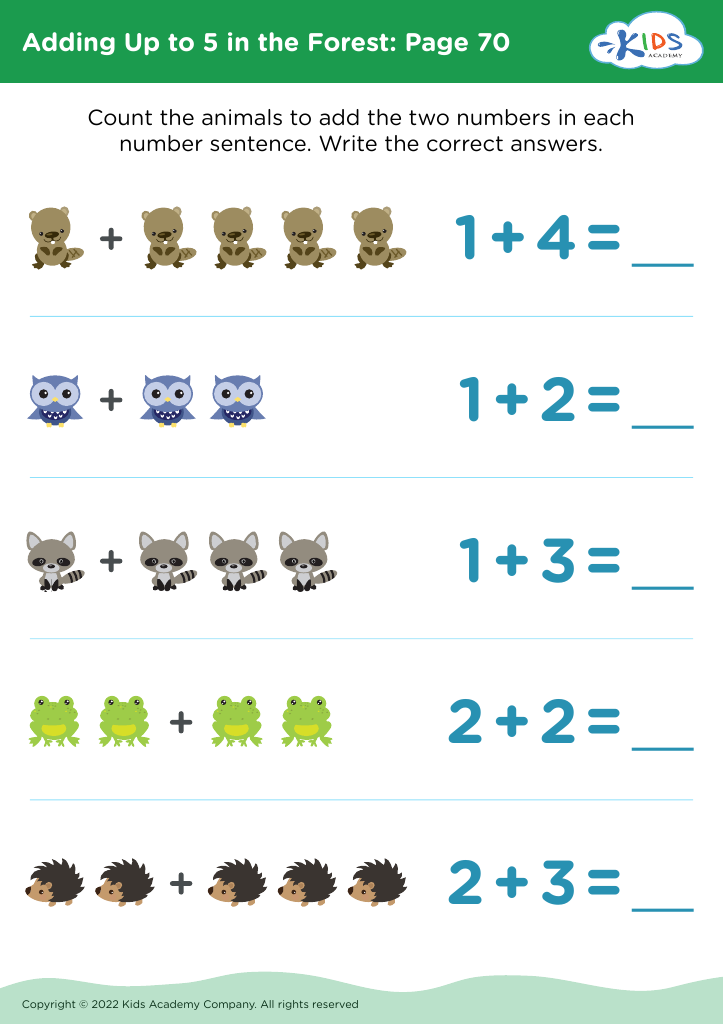
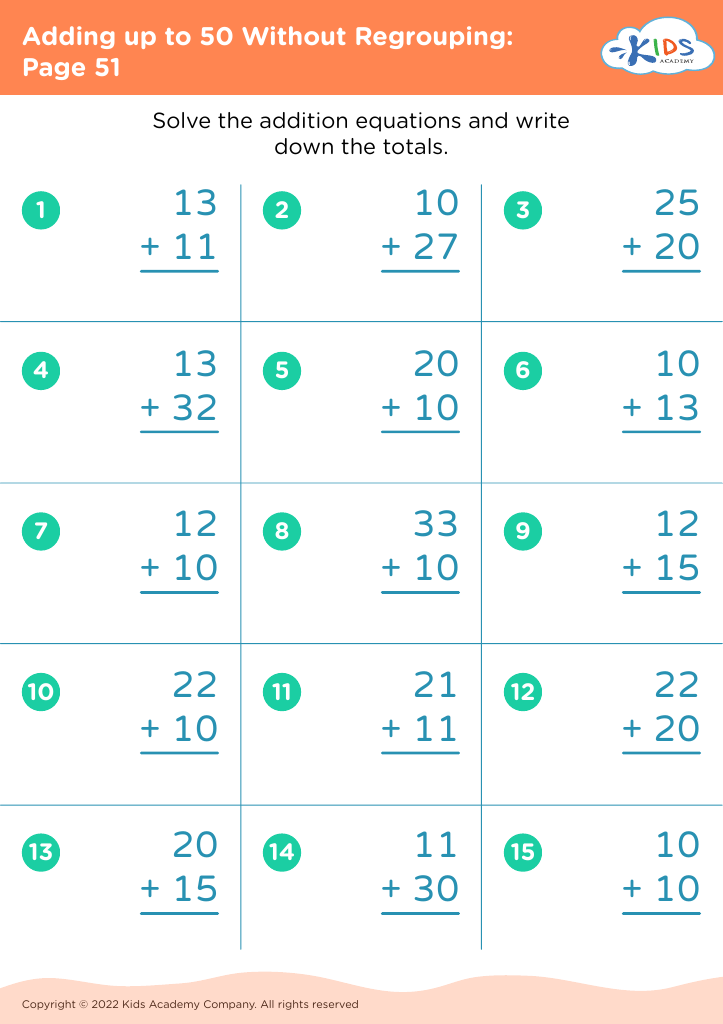
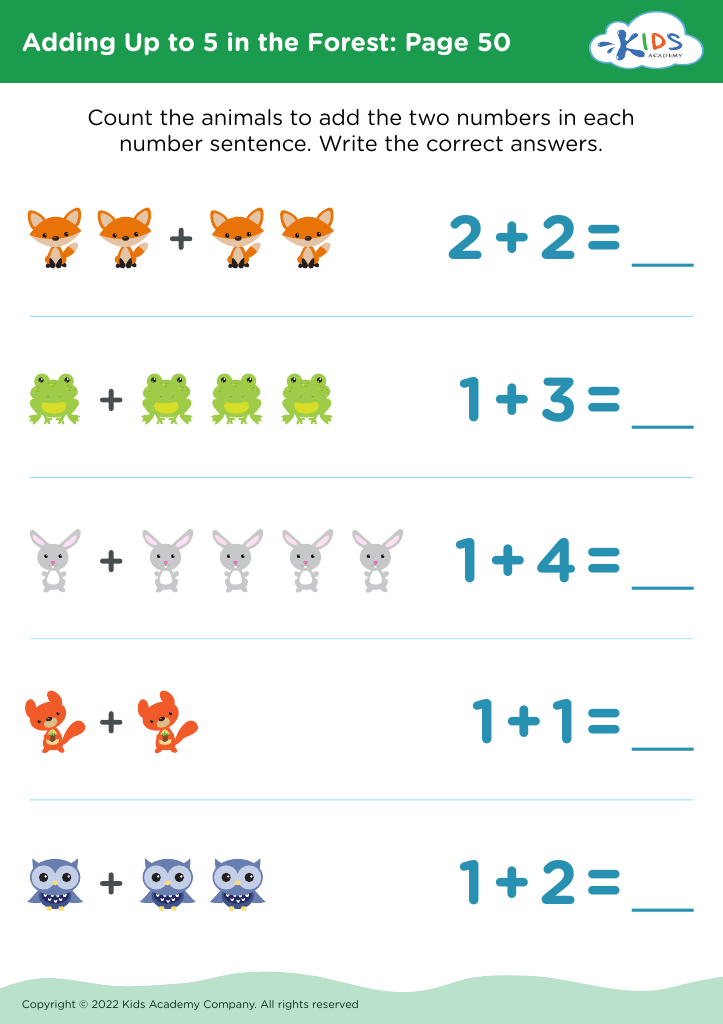
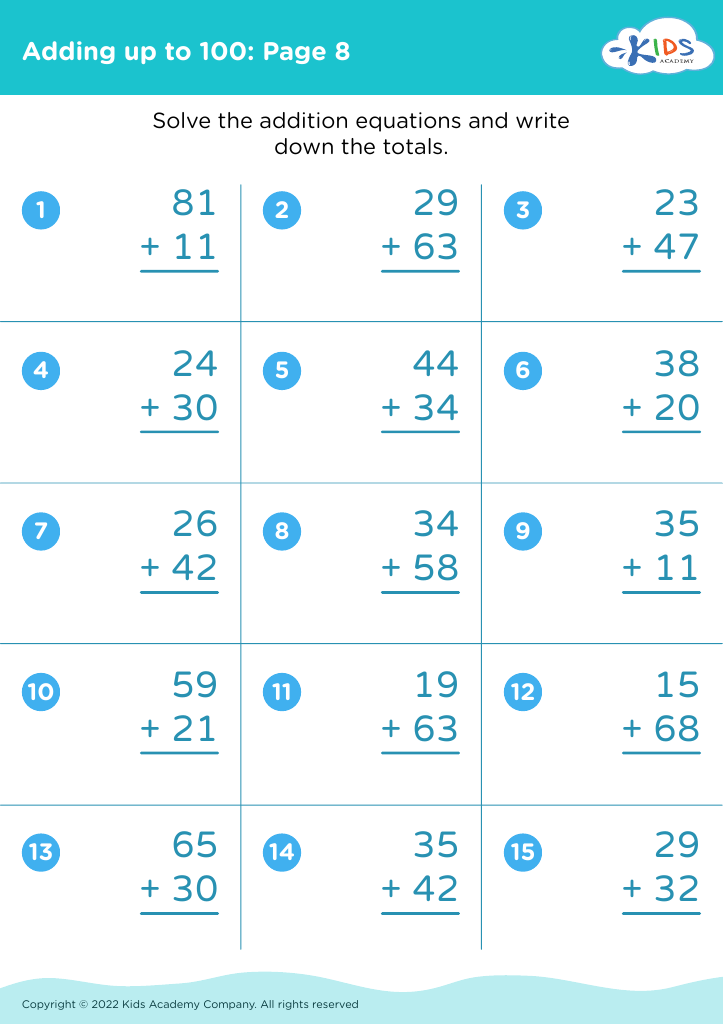
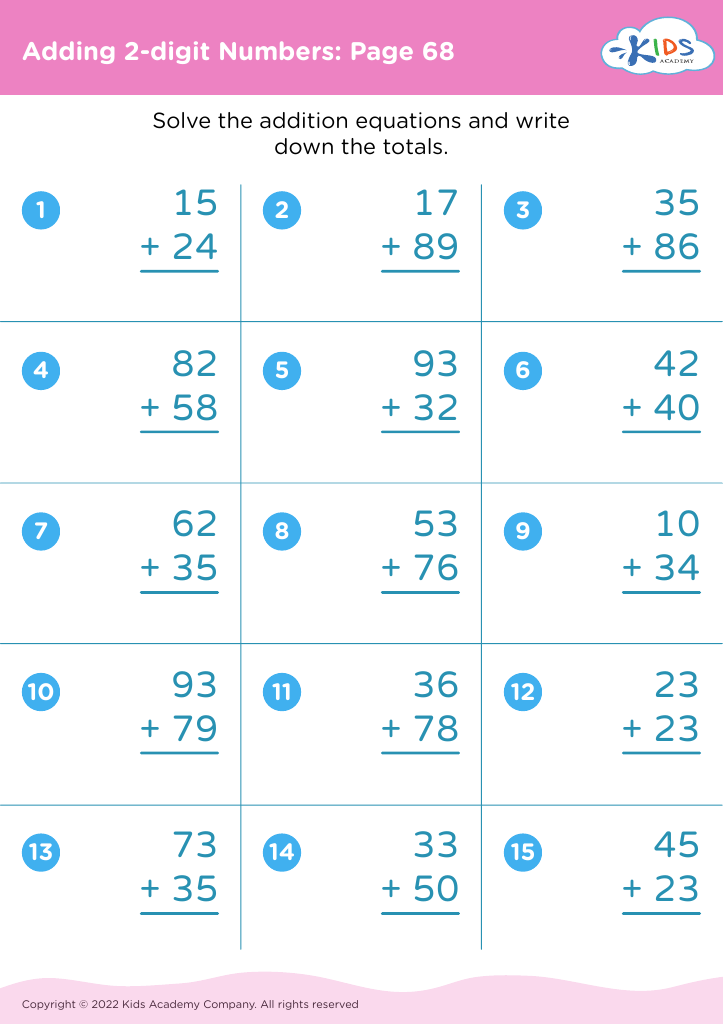
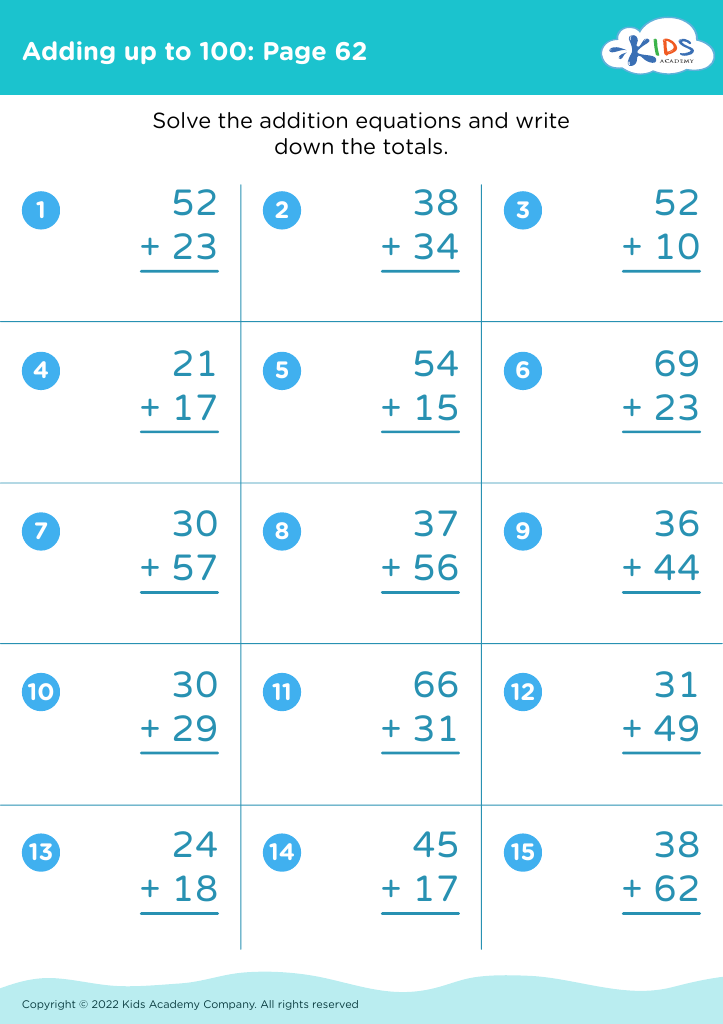
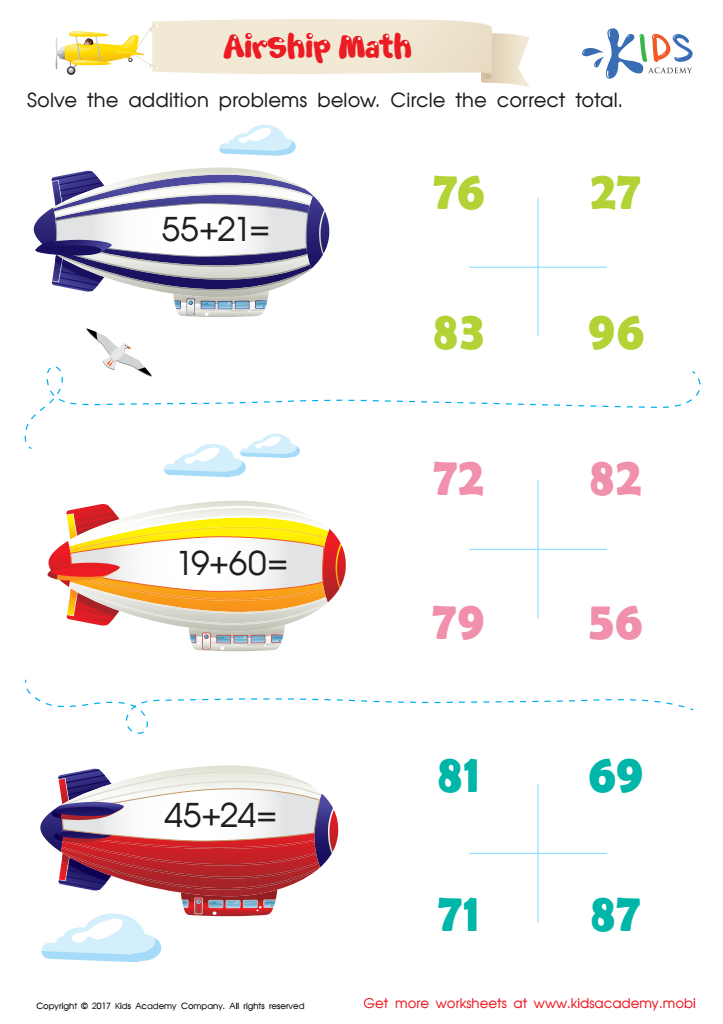
Airship Math Addition Printable








Problem-solving skills are essential for children aged 5-8 as they lay the groundwork for critical thinking and higher-order cognitive skills. At this developmental stage, children not only become more adept at basic arithmetic, such as addition, but also learn to approach challenges with curiosity and creativity. By nurturing these skills, parents and teachers empower children to constructively engage with problems rather than feel overwhelmed by them.
Fostering problem-solving through addition helps children make connections between concepts and enhances their number sense. When children learn to manipulate numbers, they develop perseverance and learn the importance of trial and error—key components of any problem-solving process. These skills extend beyond mathematics, influencing their ability to tackle everyday challenges and build resilience.
Additionally, as children work in collaborative settings, they enhance their social skills and learn to communicate effectively. This practice supports emotional growth by teaching them how to cope with frustration and celebrating their successes, motivating them to tackle new challenges. Encouraging problem-solving skills through addition equips children with the necessary tools to face an increasingly complex world and instills a lifelong love for learning. Hence, parents and teachers should be actively invested in developing these essential abilities.








