
Reading clocks Addition Worksheets for Ages 5-8
3 filtered results
Difficulty Level
Grade
Age
-
From - To
Subject
Activity
Standards
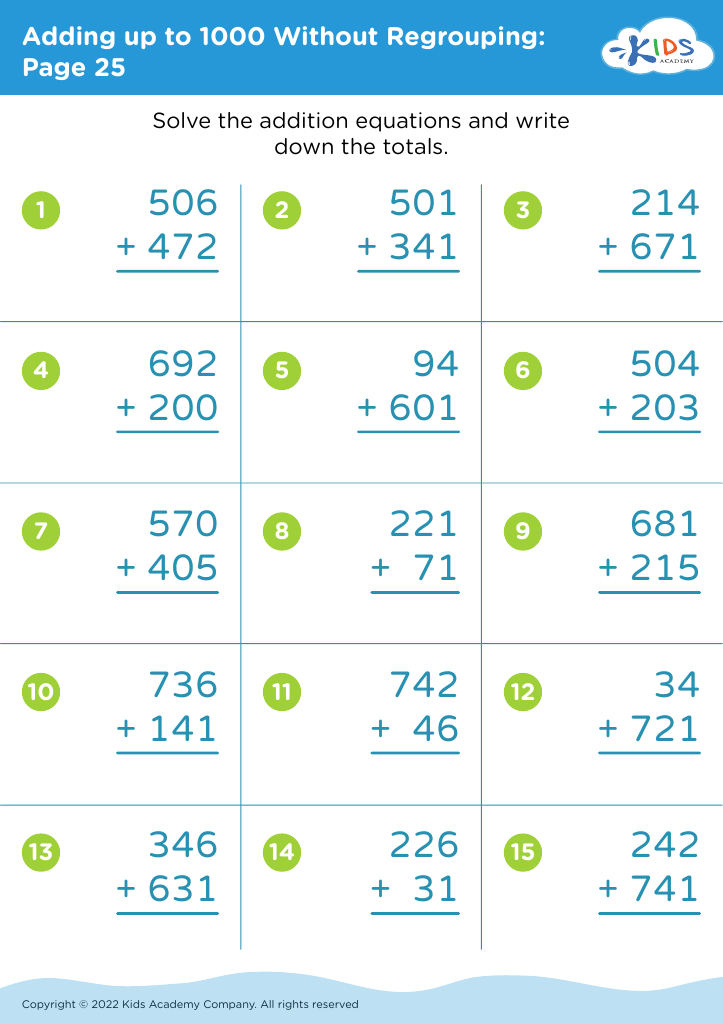
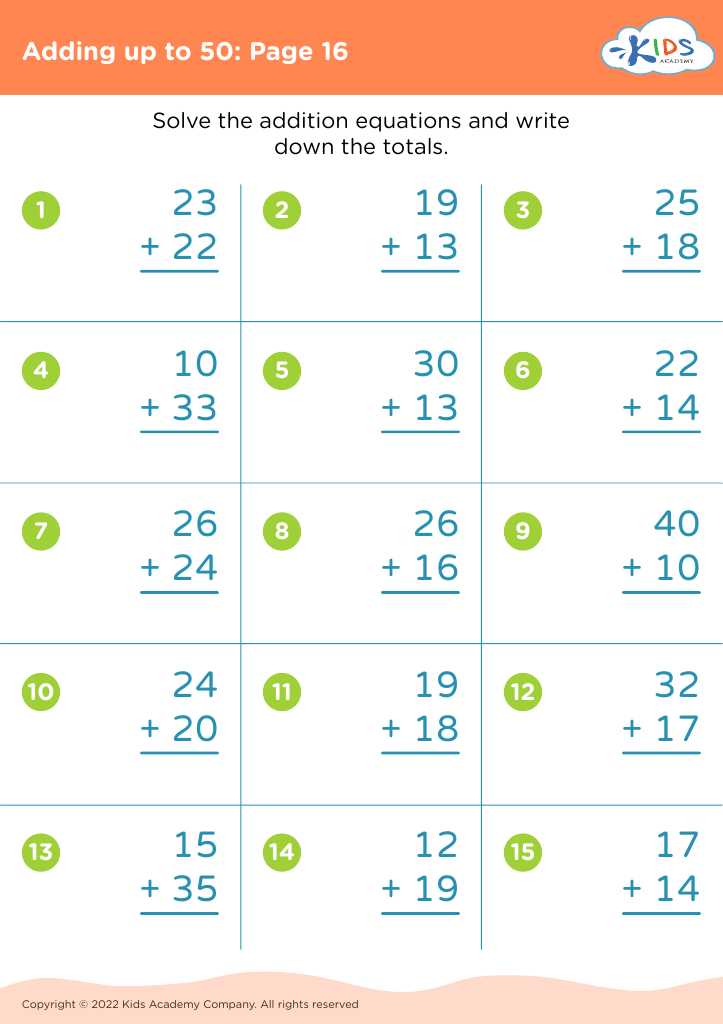
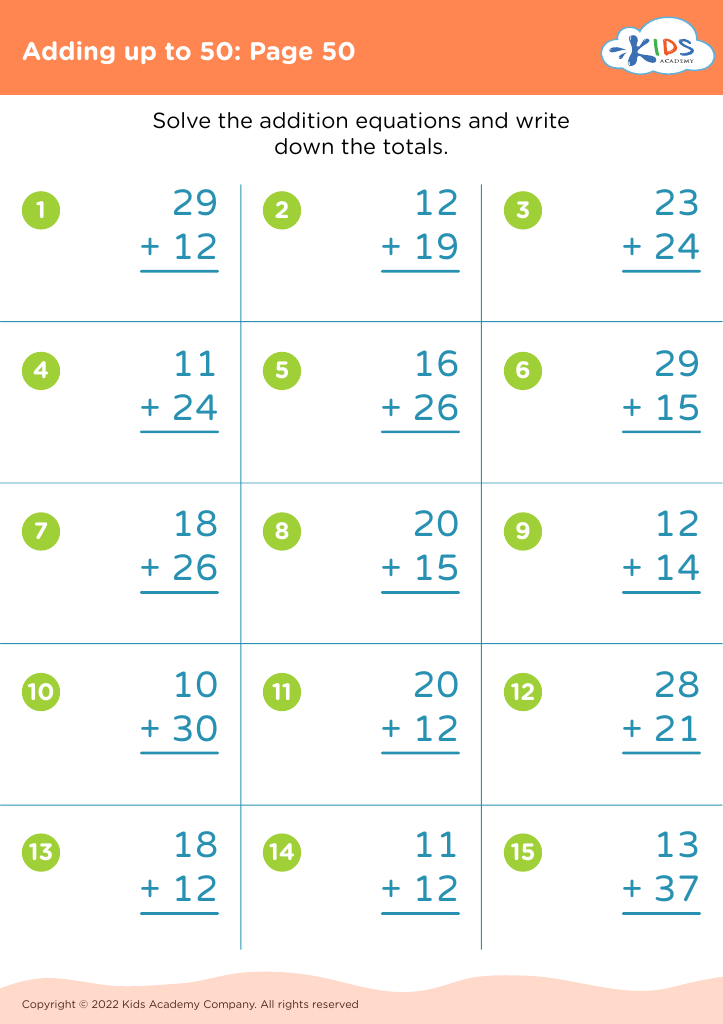
Enhance your child's time-telling skills with our "Reading Clocks Addition Worksheets" designed for ages 5-8. These engaging worksheets not only teach kids to read analog clocks but also help them master basic addition in a fun, interactive way. Perfect for kindergartners and first graders, the worksheets incorporate colorful clock illustrations and simple addition problems to keep young learners motivated. As they practice, children develop essential math and time-telling skills, boosting their confidence and academic success. Make learning enjoyable at home or in the classroom with our expertly crafted resources at Kids Academy. Explore and download today!
Favorites
With answer key
Interactive
Join Kids Academy for Free
Who is primarily going to use this learning content?







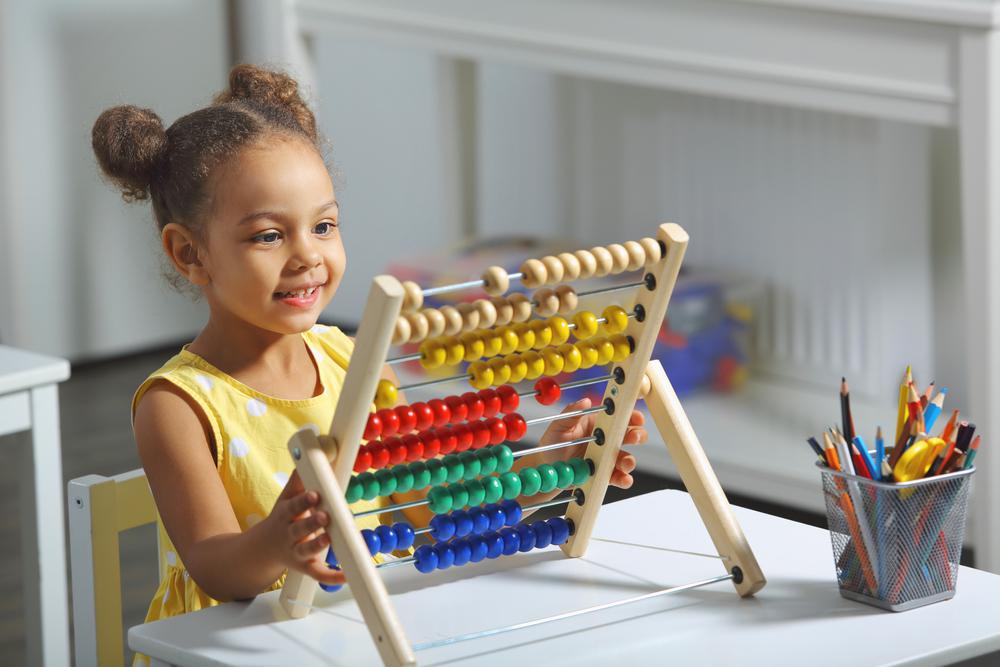
Teaching children ages 5-8 how to read clocks and perform addition is crucial for several compelling reasons. Firstly, reading clocks helps children develop a sense of time, which is vital for their daily routines and time management skills. Understanding the passage of time and being able to read both digital and analog clocks prepares them for punctuality and organizing activities throughout the day.
Engaging children in addition at an early age builds foundational mathematical understanding, essential for their future academic success. Addition is one of the four basic arithmetic operations that kids will utilize throughout their math journey. Early proficiency in addition not only boosts their confidence but also prepares them for more complex concepts like subtraction, multiplication, and division.
Both reading clocks and performing addition also stimulate cognitive development. These skills encourage critical thinking, problem-solving, and analytical skills. They improve not just mathematical reasoning but also spatial awareness and memory.
Additionally, these activities are practical life skills. Whether deciding when to start homework or calculating the total cost of items while shopping, these fundamental abilities integrate seamlessly into everyday decision-making processes. Parents and teachers, by emphasizing these skills, ensure children are well-equipped to handle real-world tasks, promoting independence and self-reliance as they grow.








