
Spelling practice Addition Worksheets for Ages 5-8
4 filtered results
Difficulty Level
Grade
Age
-
From - To
Subject
Activity
Standards
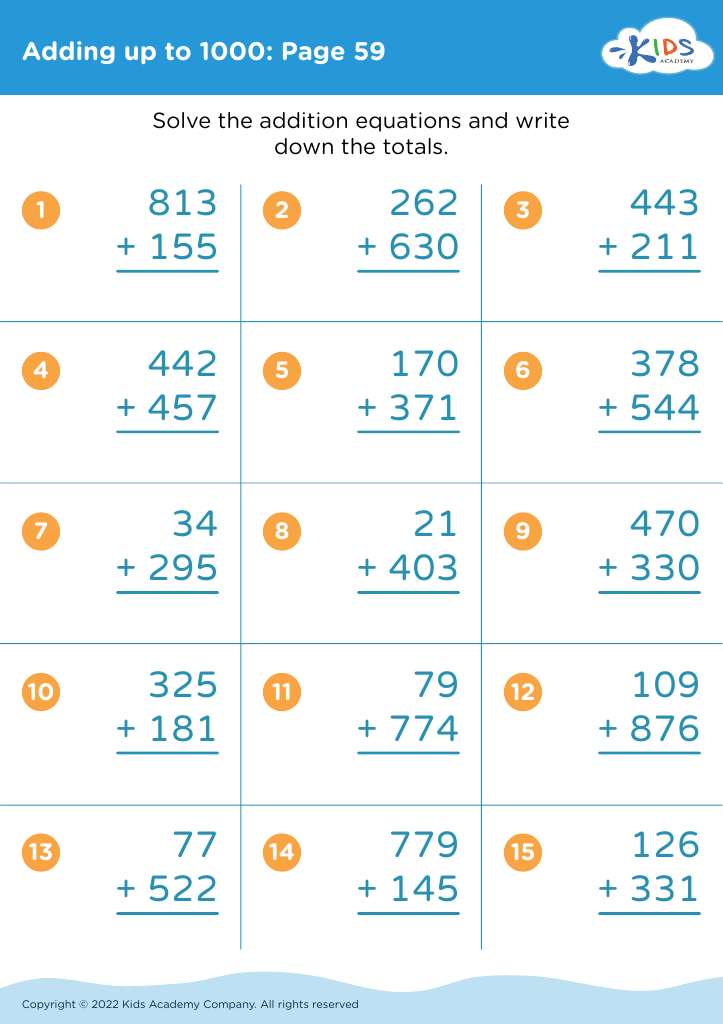
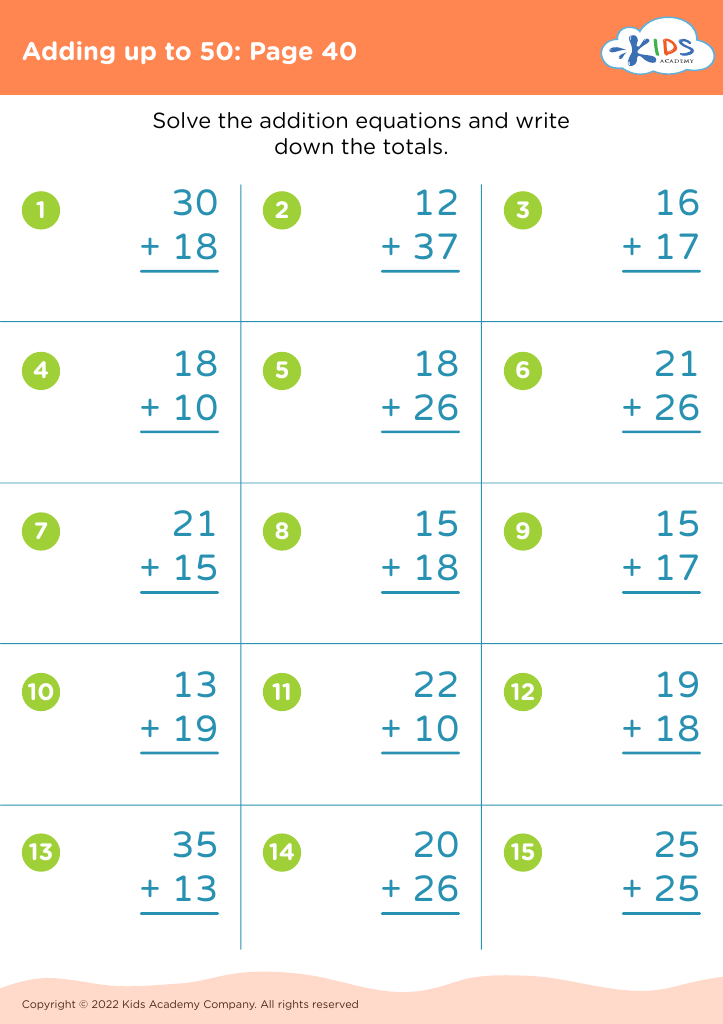
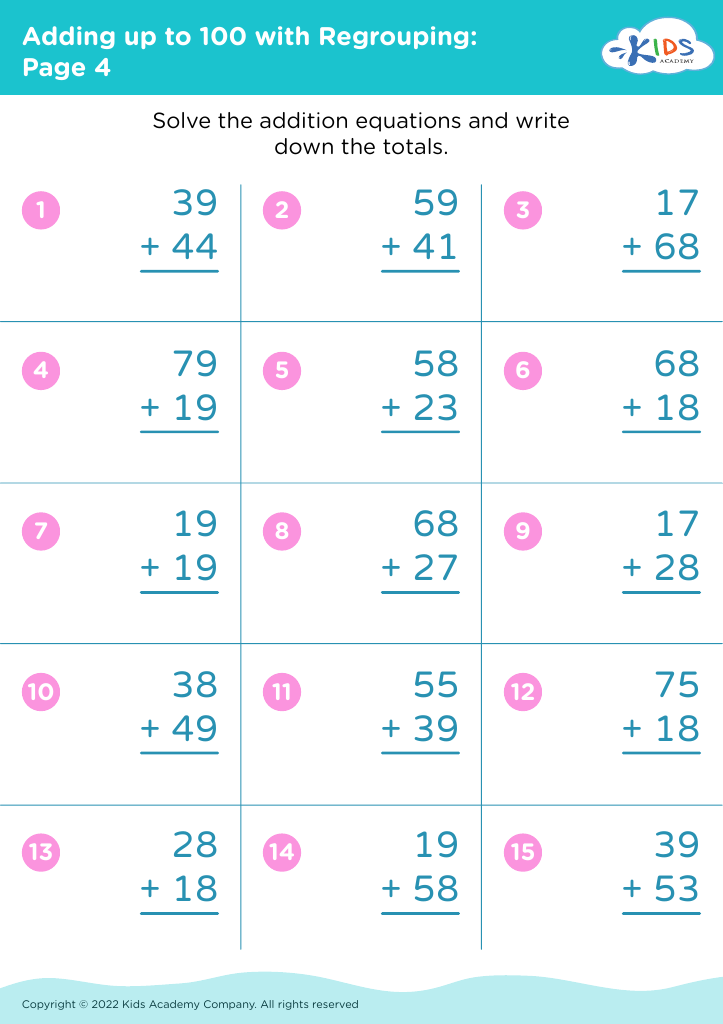
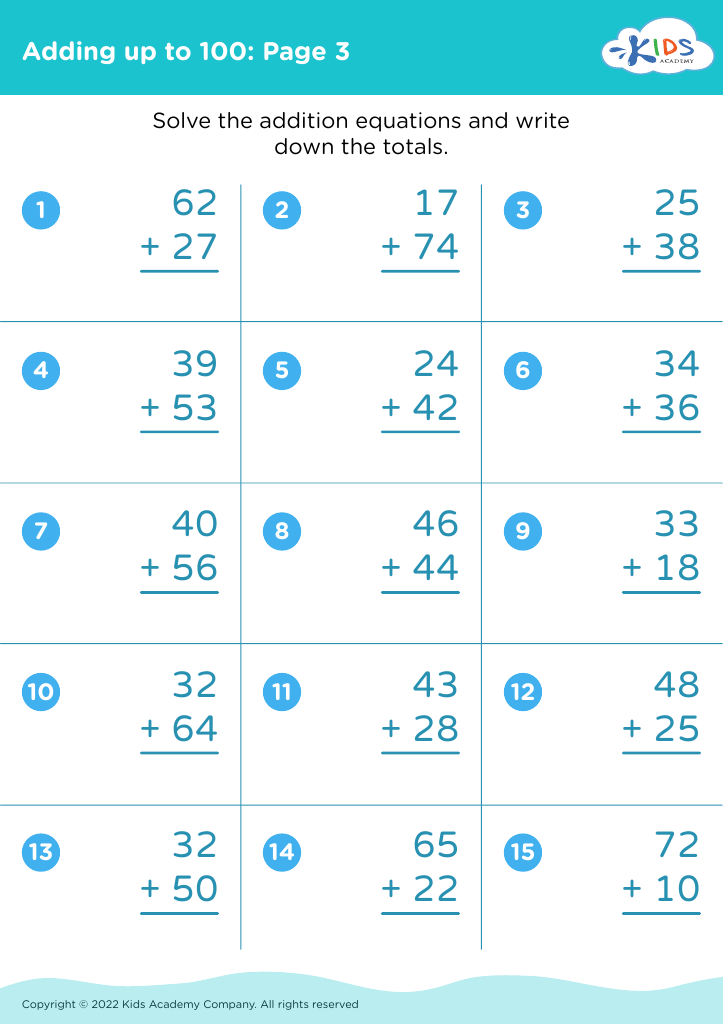
Enhance your child’s learning with our Spelling Practice Addition Worksheets designed for ages 5-8. These engaging and interactive worksheets seamlessly combine math and language skills, fostering literacy while reinforcing basic addition concepts. Each worksheet encourages students to spell out numbers and number words, promoting phonetic awareness as they solve fun math problems. Perfect for home or classroom use, our resources cater to various learning styles, ensuring an enjoyable educational experience. Boost your child's confidence in both spelling and math with our carefully crafted worksheets that make learning a delight! Start their journey to becoming curious and skilled learners today!
Favorites
With answer key
Interactive
Join Kids Academy for Free
Who is primarily going to use this learning content?








Spelling practice is a critical component of literacy development for children aged 5 to 8, and parents and teachers should prioritize it for several reasons. First, spelling skills enhance reading proficiency. Mastering spelling helps children recognize words more easily, leading to improved fluency and comprehension. This foundational skill sets the stage for successful communication and academic achievement.
Second, effective spelling practice fosters a sense of accomplishment. As children learn to spell and write words correctly, they gain confidence in their literacy abilities. This self-esteem boost encourages them to engage more actively in reading and writing activities.
Moreover, spelling practice can improve cognitive skills. It encourages children to pay attention to letter patterns and phonetic sounds, promoting critical thinking and problem-solving skills. Integrating spelling with creative writing exercises or fun games can make the learning process enjoyable.
Lastly, in our increasingly digital world, good spelling is essential for effective communication. It prepares kids for future academic challenges and enhances their ability to communicate clearly in both written and verbal forms. By prioritizing spelling practice, parents and teachers pave the way for children's long-term success in language arts and beyond.








