Comparing quantities Comparing Numbers Worksheets for Ages 5-8
3 filtered results
-
From - To
Discover interactive "Comparing Quantities Comparing Numbers Worksheets" designed for children aged 5-8. Engage young minds with fun and educational exercises that enhance their understanding of greater than, less than, and equal to concepts. These printable worksheets foster critical thinking and mathematical skills through visually stimulating activities. Perfect for early learners, our age-appropriate resources help kids grasp fundamental math principles while enjoying the learning process. Boost confidence and master comparing numbers with these expert-crafted materials from Kid’s Academy – your partner in fostering a passion for math at an early age.
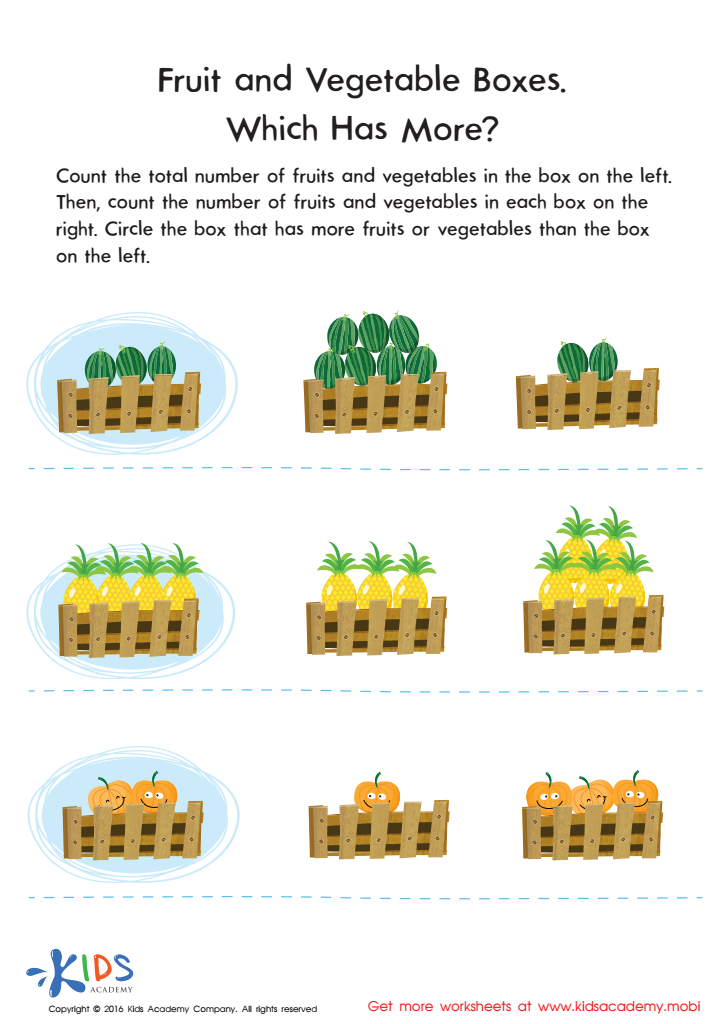
Which Has More? Size Worksheet
 Assign to My Students
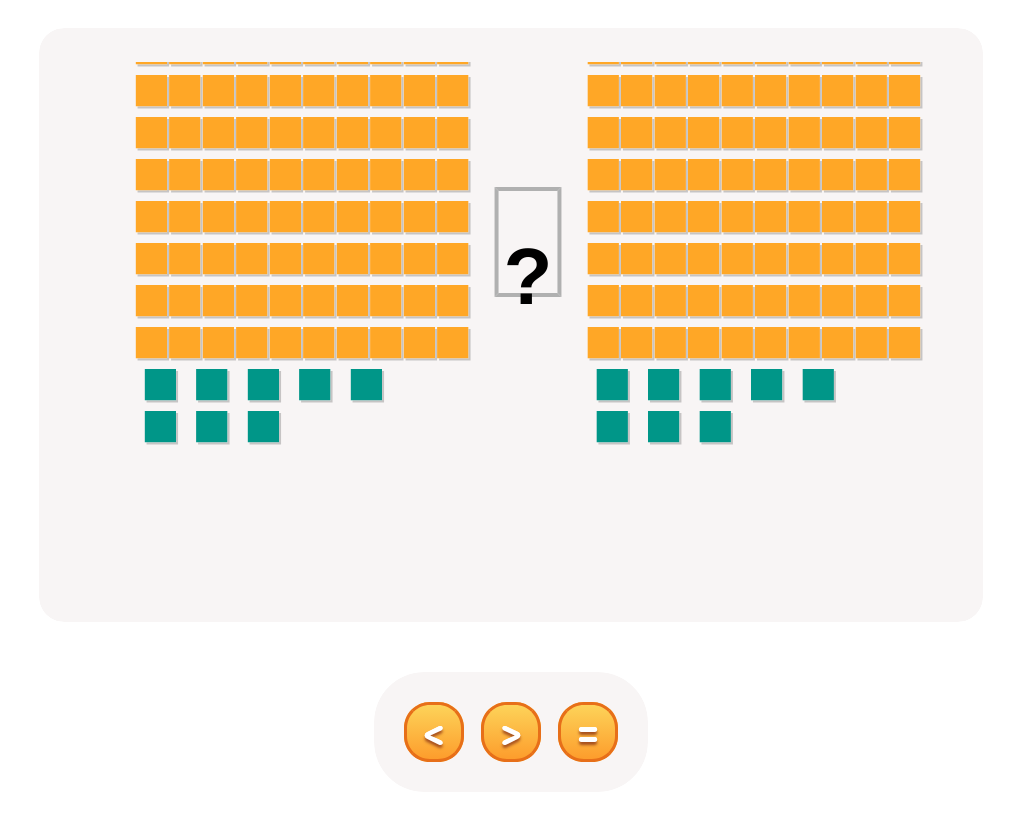

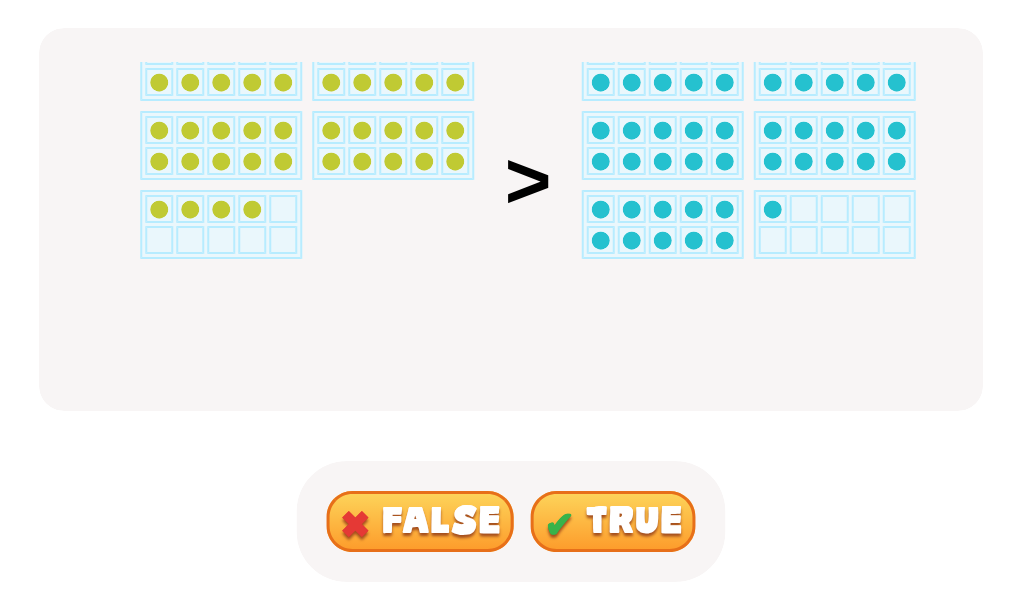
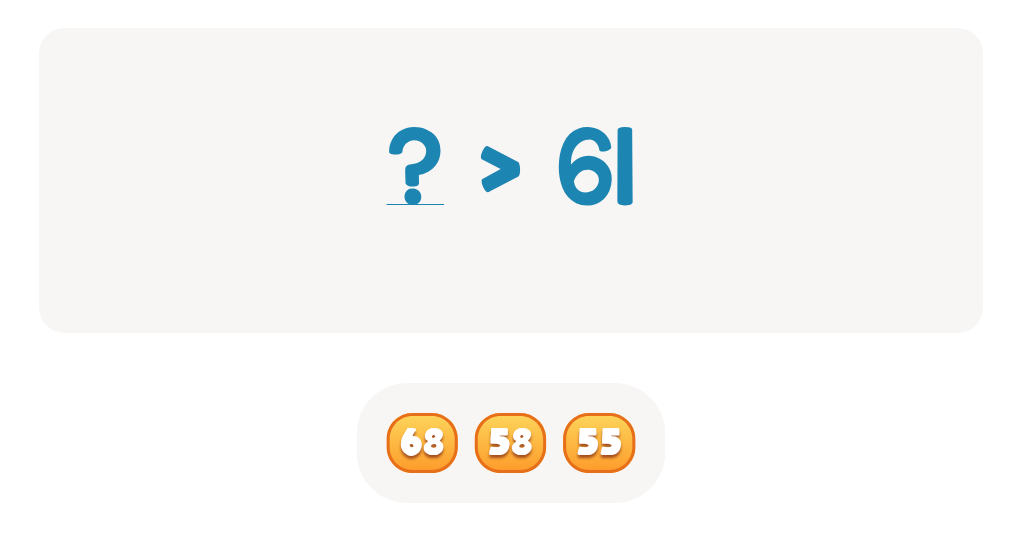
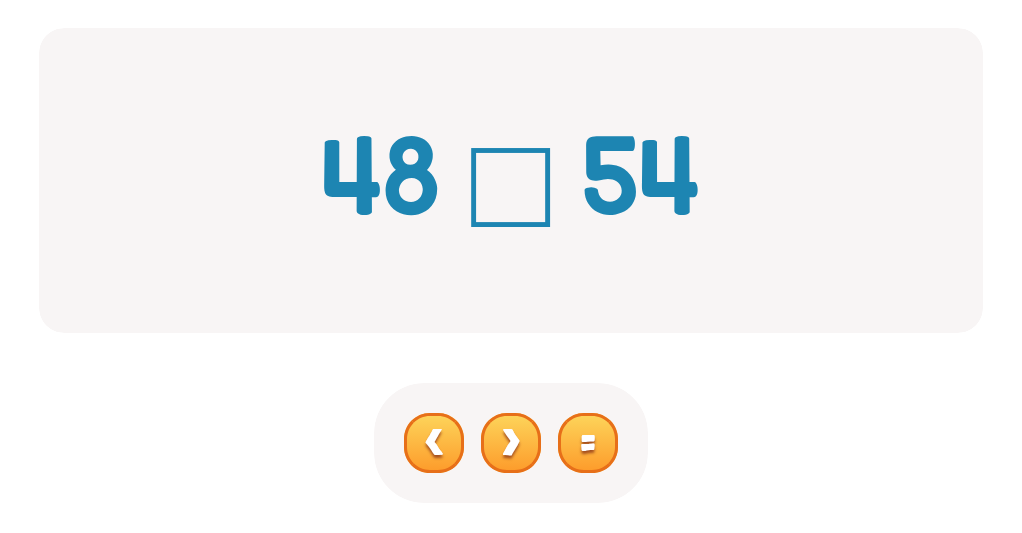
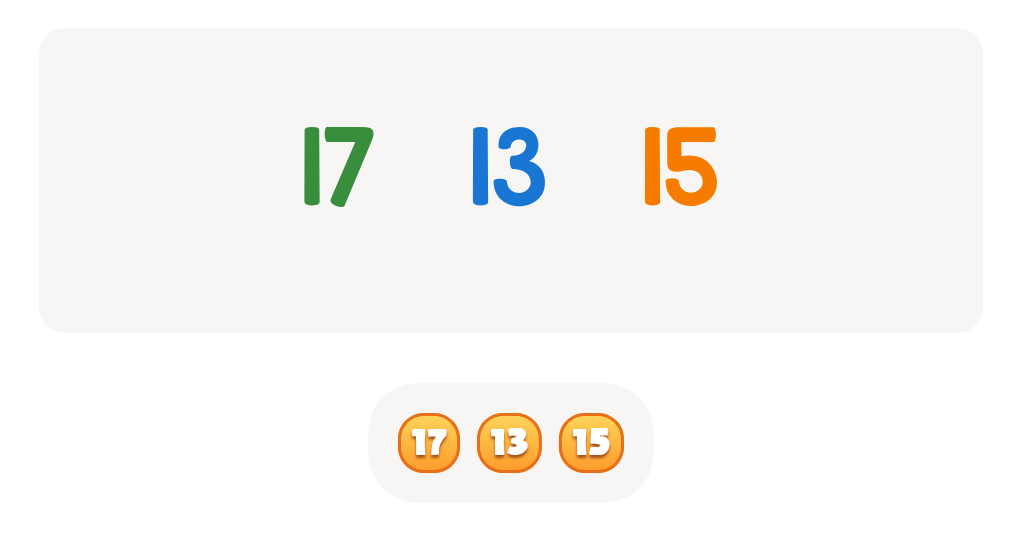
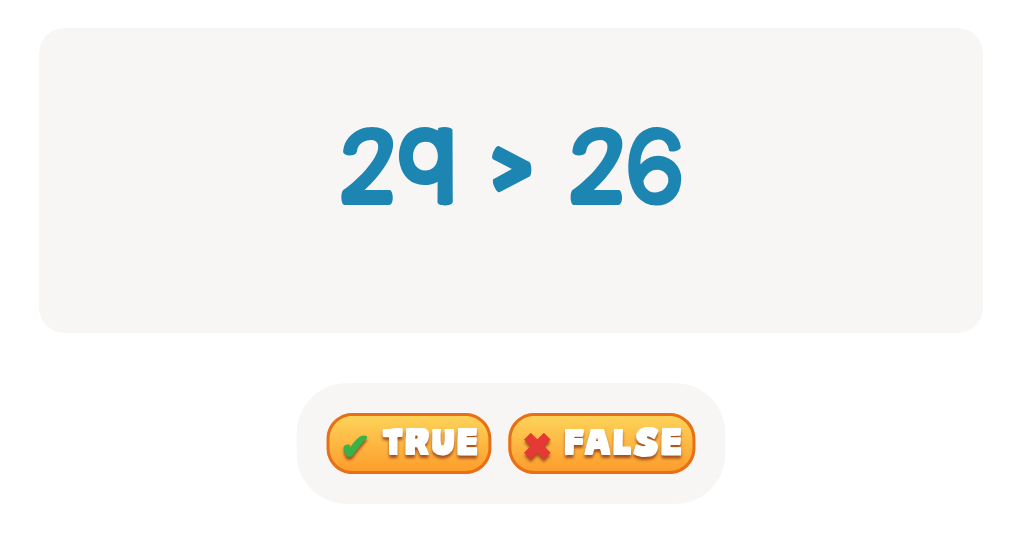
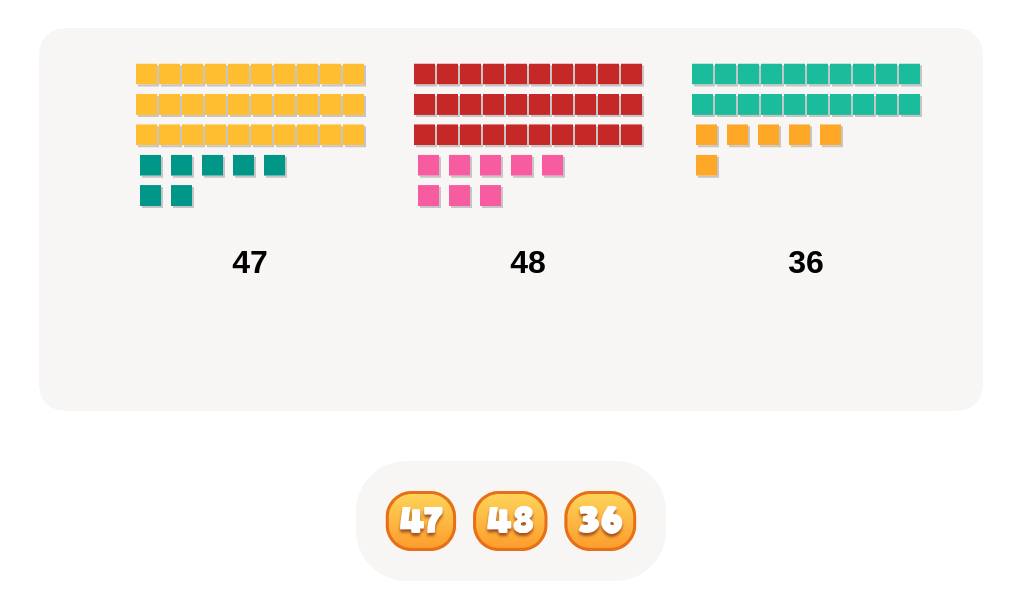
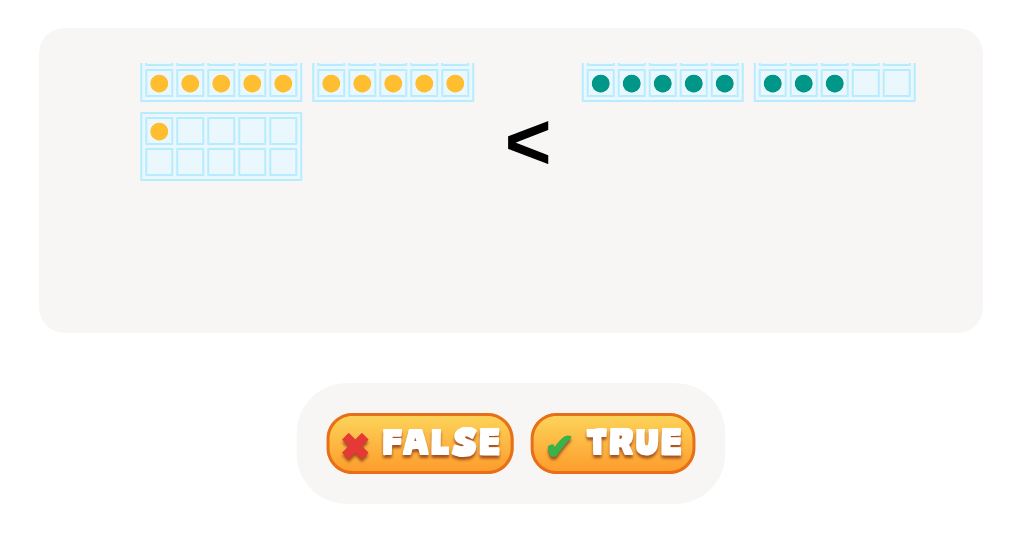
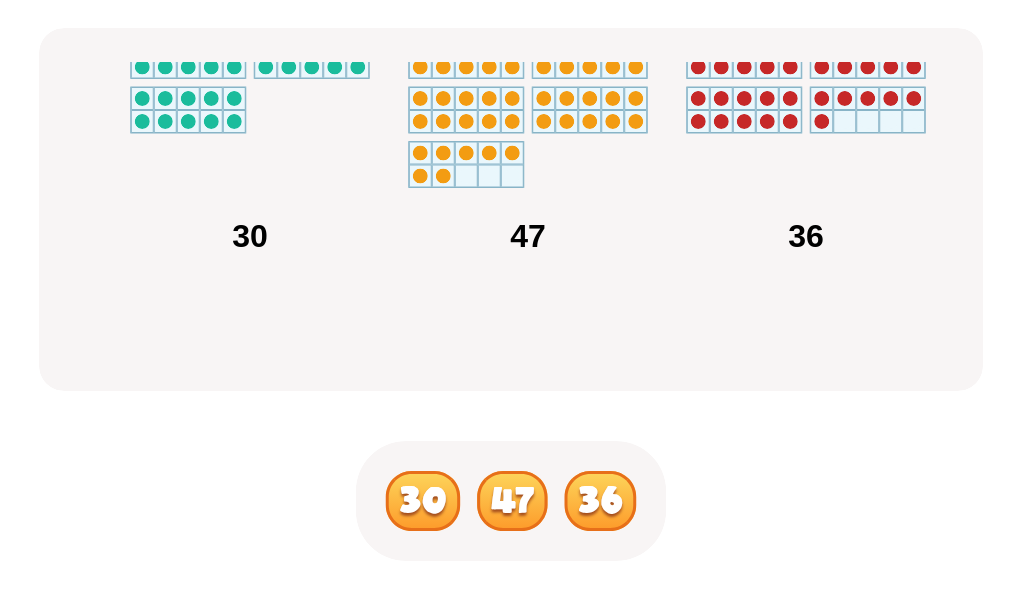
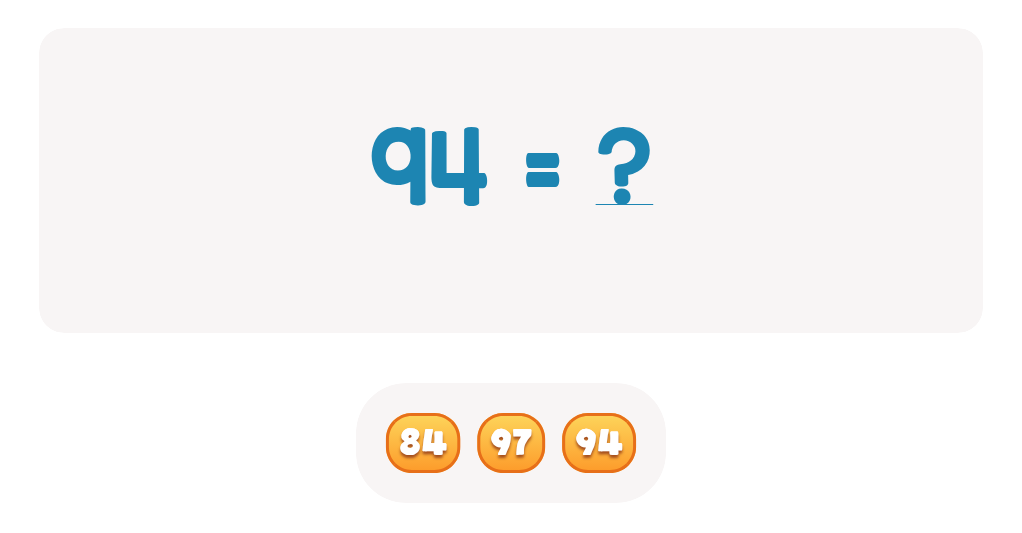
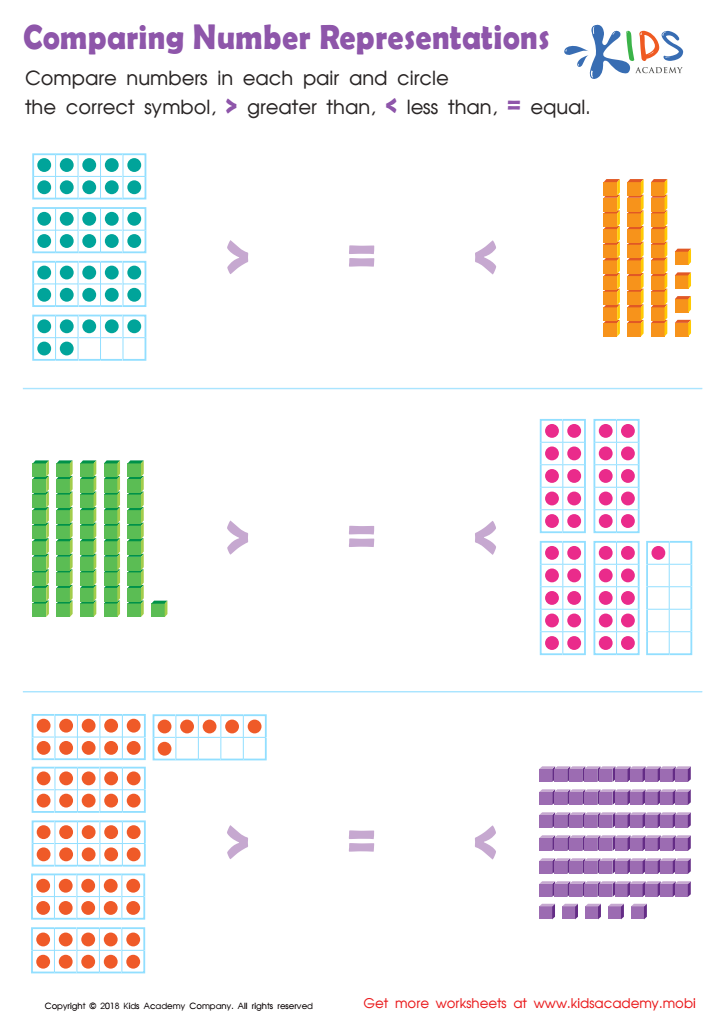
Comparing Number Representations Worksheet
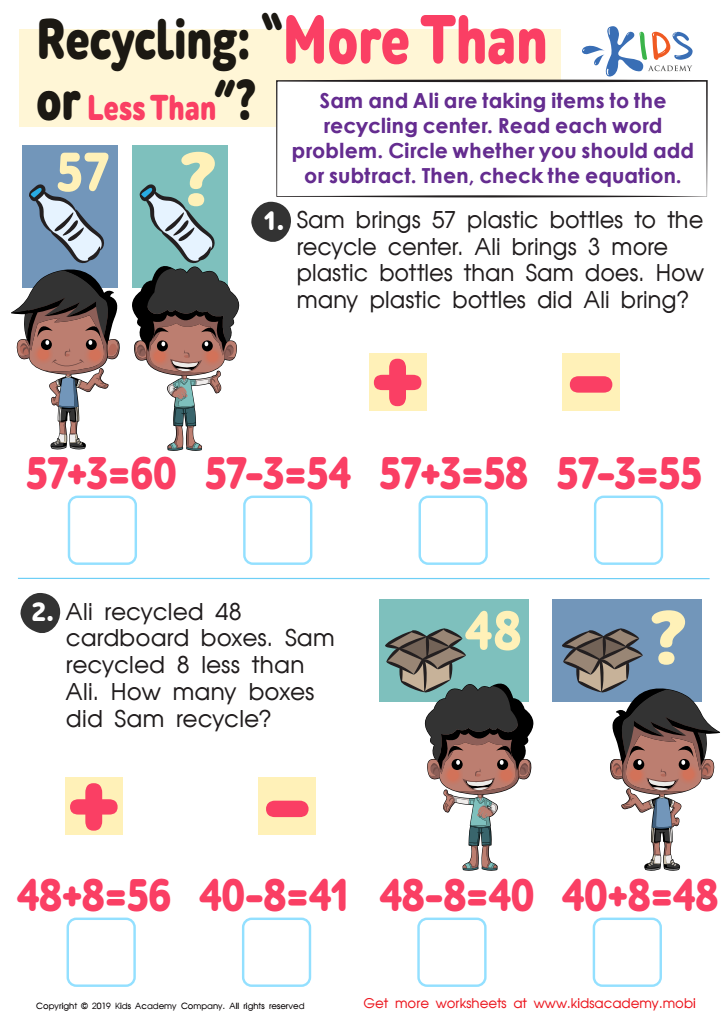
Recycling - More or Less Worksheet








Understanding how to compare quantities and numbers is fundamental for children aged 5-8, and both parents and teachers should prioritize it for numerous reasons. At this developmental stage, kids are building essential mathematical foundations they will rely on throughout their education and daily lives.
Firstly, comparing numbers helps young children to develop number sense, which is the intuitive understanding of numbers, their magnitude, relationships, and how they are affected by operations. By learning to compare numbers, children gain insights into the concepts of more than, less than, and equal to, which fosters logical thinking and problem-solving skills.
Secondly, many real-life situations require the ability to compare quantities, such as understanding who has more toys, how many more slices of pizza are needed to match everyone’s appetite, or identifying longer or shorter lines at amusement parks. This practical application makes math relevant and relatable, sparking interest and engagement in young learners.
Finally, mastering these skills early can boost a child's confidence and academic performance in mathematics. Early competence in comparing numbers is often linked to future success in more complex mathematical concepts like addition, subtraction, multiplication, and division.
In summary, comparing quantities and numbers equips children with crucial intellectual tools, practical life skills, and the confidence needed for future mathematical challenges, making it a vital component of early education.