Associative learning Math Worksheets for Ages 5-8
5 filtered results
-
From - To
Discover our Associative Learning Math Worksheets designed for ages 5-8, perfect for young learners to build foundational math skills! These engaging worksheets help children understand math concepts effortlessly by connecting numbers, patterns, and shapes through fun activities. Our resources foster critical thinking, problem-solving, and a love for learning while aligning with educational standards. Kids will enjoy interactive exercises that make math exciting and accessible. Boost your child's confidence and proficiency in math—explore our free printable associative learning worksheets today and set them on a path to success! Download now at Kids Academy, where learning meets play.
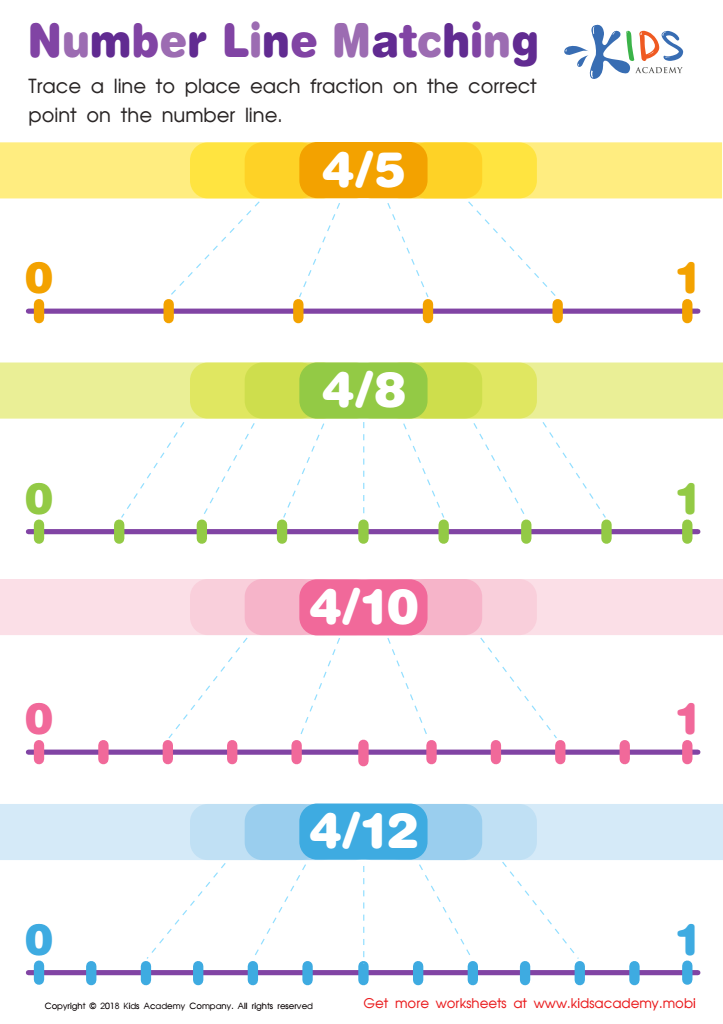
Number Line Matching Worksheet
 Assign to My Students
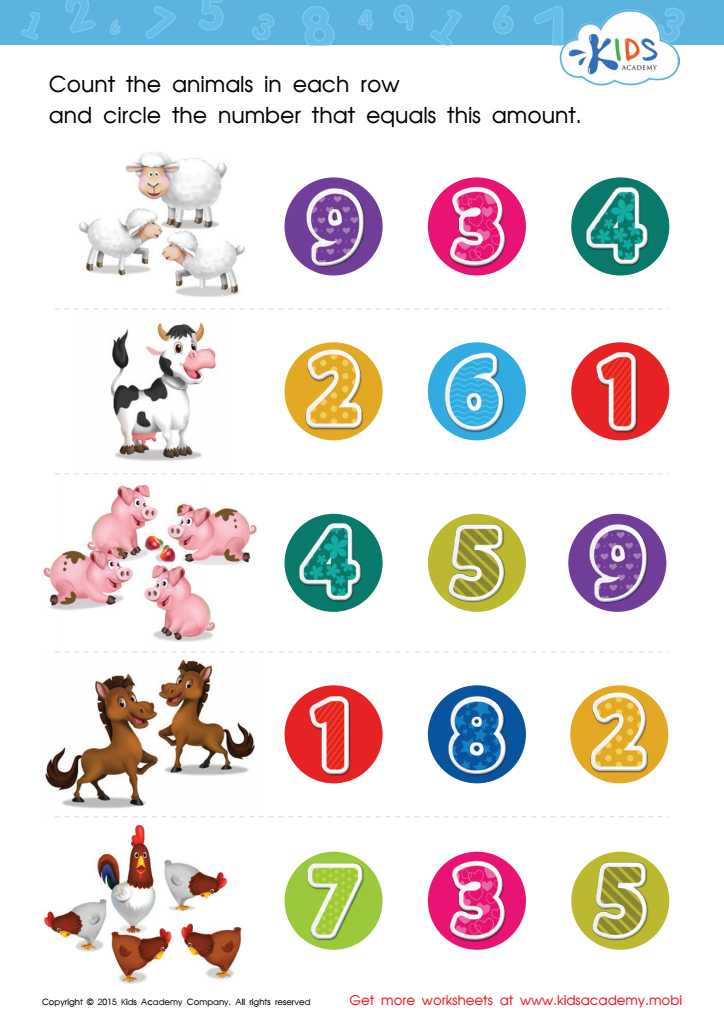
Count and Match 1 – 5 Math Worksheet
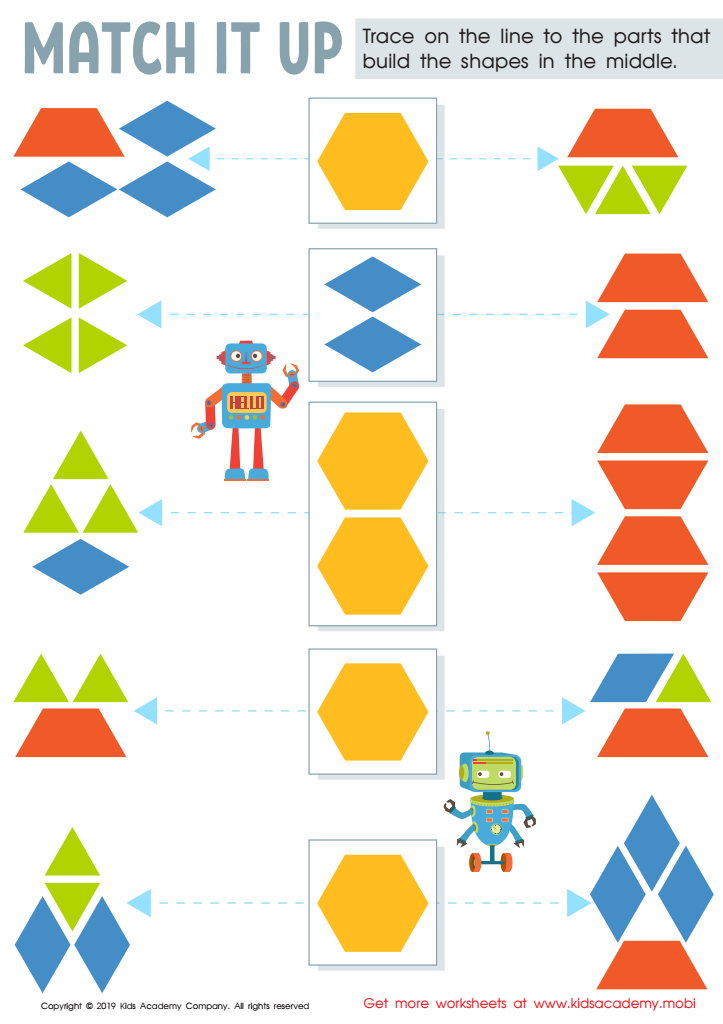
Match It up Worksheet
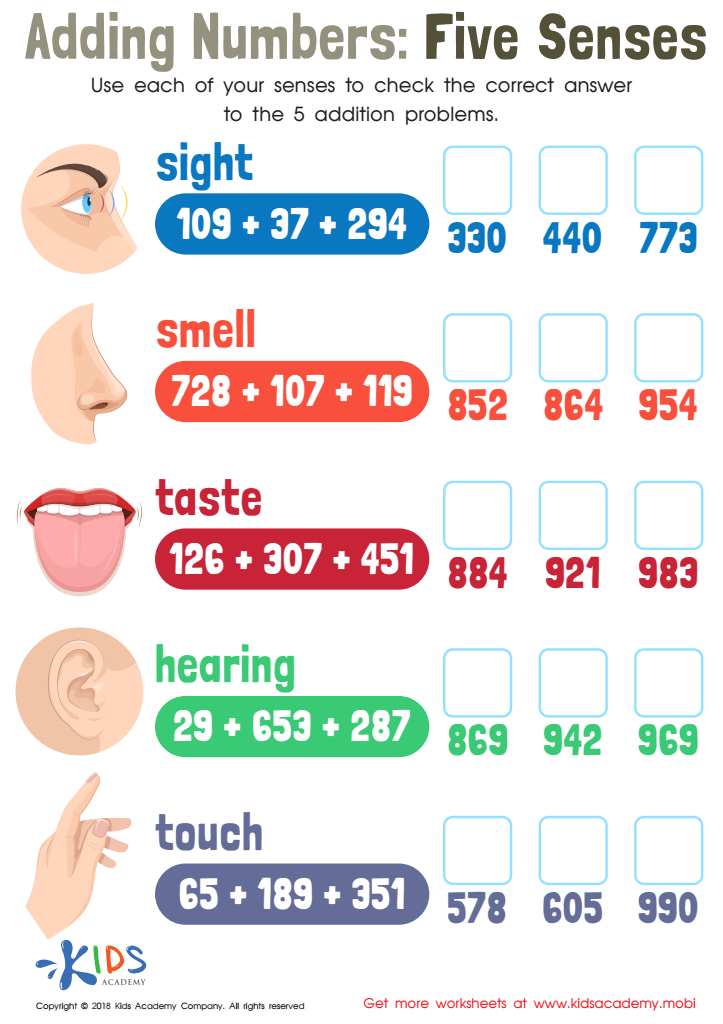
Adding Numbers: Five Senses Worksheet
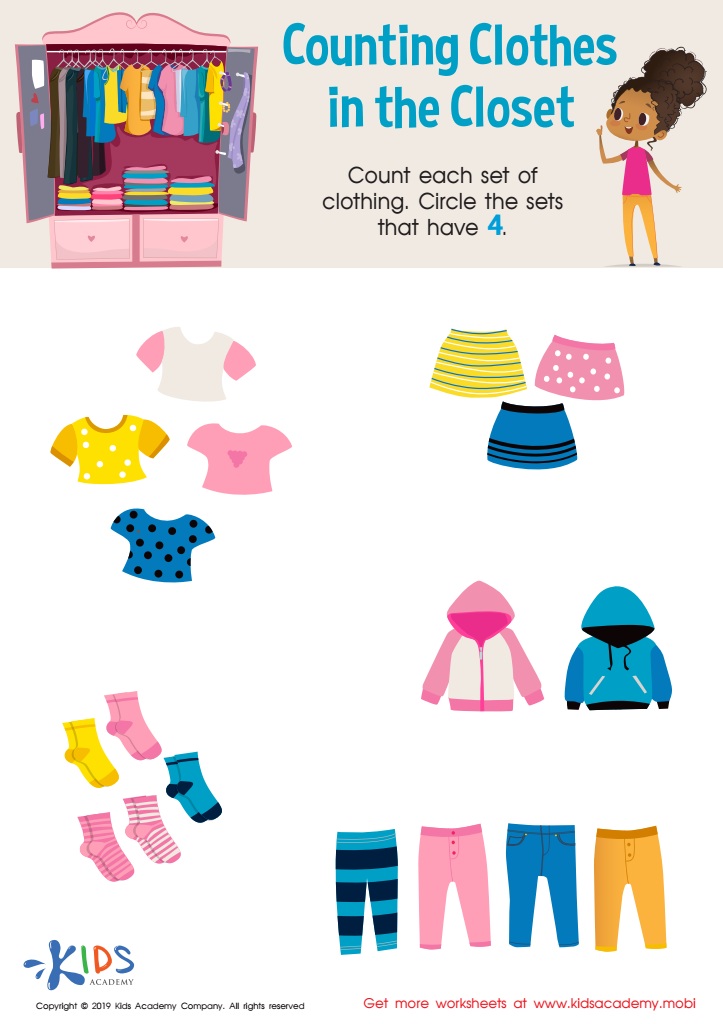
Counting Clothes Worksheet






Associative learning math is important for young children aged 5-8 because it builds strong foundational skills crucial for their overall cognitive development. This form of learning engages children's natural curiosity and allows them to make connections between different concepts by observing and interacting with their environment. When parents and teachers prioritize associative learning math, they are providing children with opportunities to grasp the basics of numbers, patterns, and simple arithmetic through everyday experiences and play.
By associating math with familiar contexts, such as counting objects during playtime or recognizing patterns in nature, children begin to perceive math as a part of their daily lives rather than an abstract subject. This can reduce anxiety around math and foster a positive attitude towards the subject. Moreover, associative learning encourages critical thinking and problem-solving skills as children learn to reason and make predictions based on observed patterns and relationships.
Parents and teachers can support this approach by creating a rich, interactive learning environment where math is seamlessly integrated into various activities. Simple tasks like cooking can involve measuring ingredients or sorting items by size and shape, making learning enjoyable and practical. Investing in associative learning math at an early age not only strengthens math skills but also builds a solid foundation for future academic success and lifelong critical thinking.








