Basic arithmetic comprehension Math Worksheets for Ages 5-8
6 filtered results
-
From - To
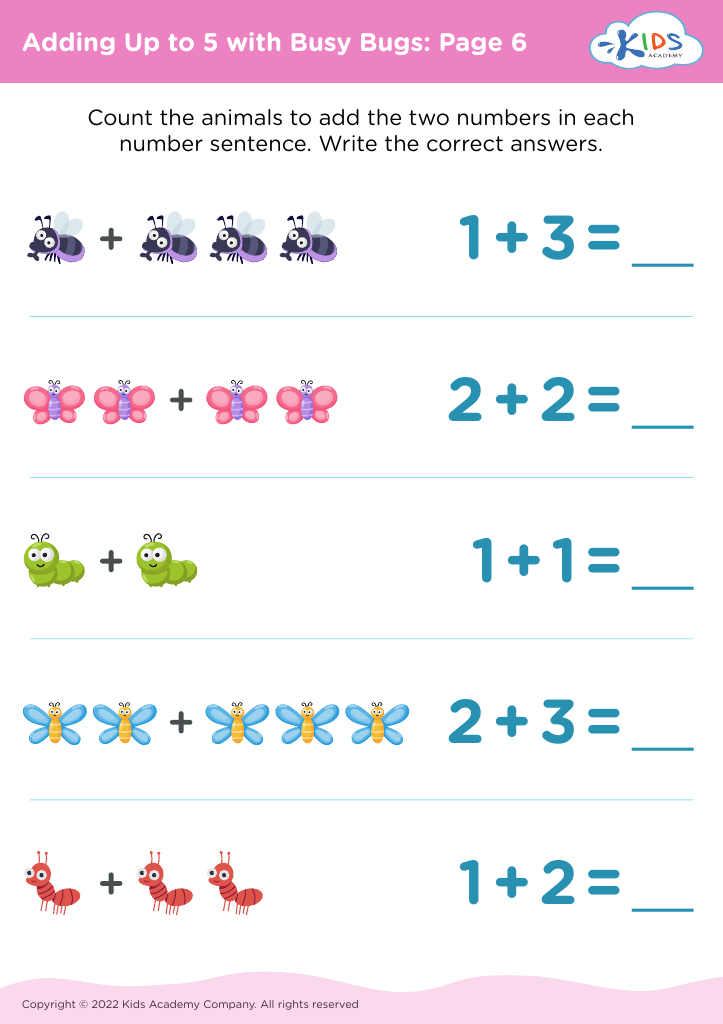
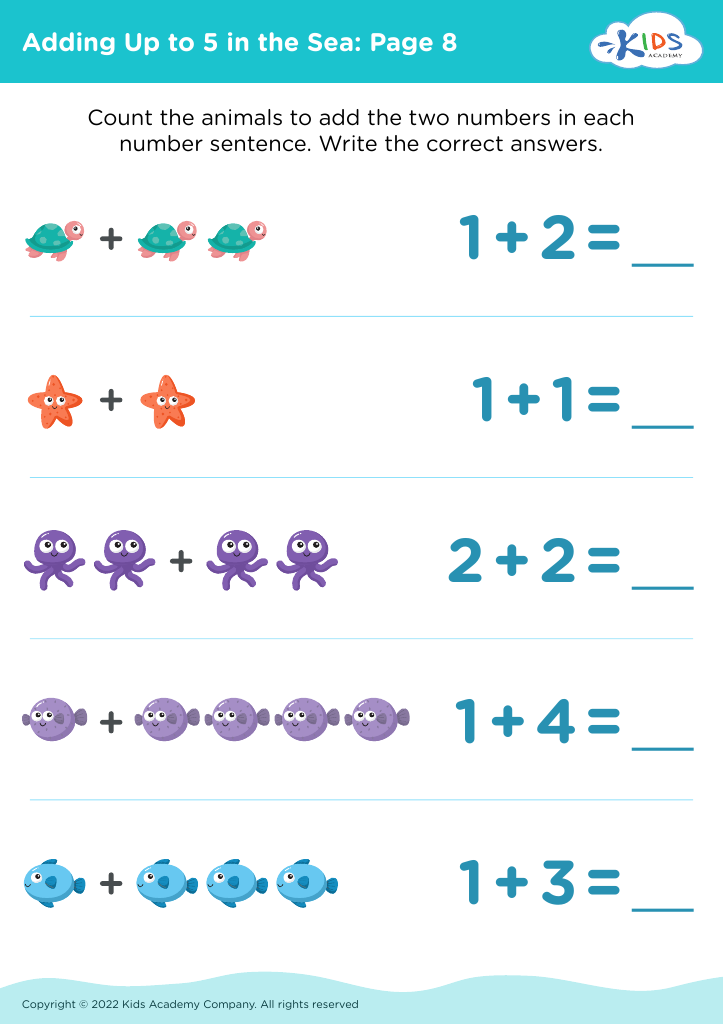
Discover our comprehensive collection of Basic Arithmetic Comprehension Math Worksheets designed specifically for children ages 5-8. These engaging worksheets promote essential math skills, including addition, subtraction, counting, and number recognition, while ensuring an enjoyable learning experience. Each activity is aligned with educational standards, fostering critical thinking and problem-solving abilities. Ideal for classroom use or at-home practice, our worksheets provide clear instructions, colorful visuals, and fun practice exercises to reinforce understanding. Encourage mathematical confidence in your early learners as they strengthen their arithmetic skills with our high-quality resources, tailored to spark curiosity and promote a lifelong love for math. Explore today!
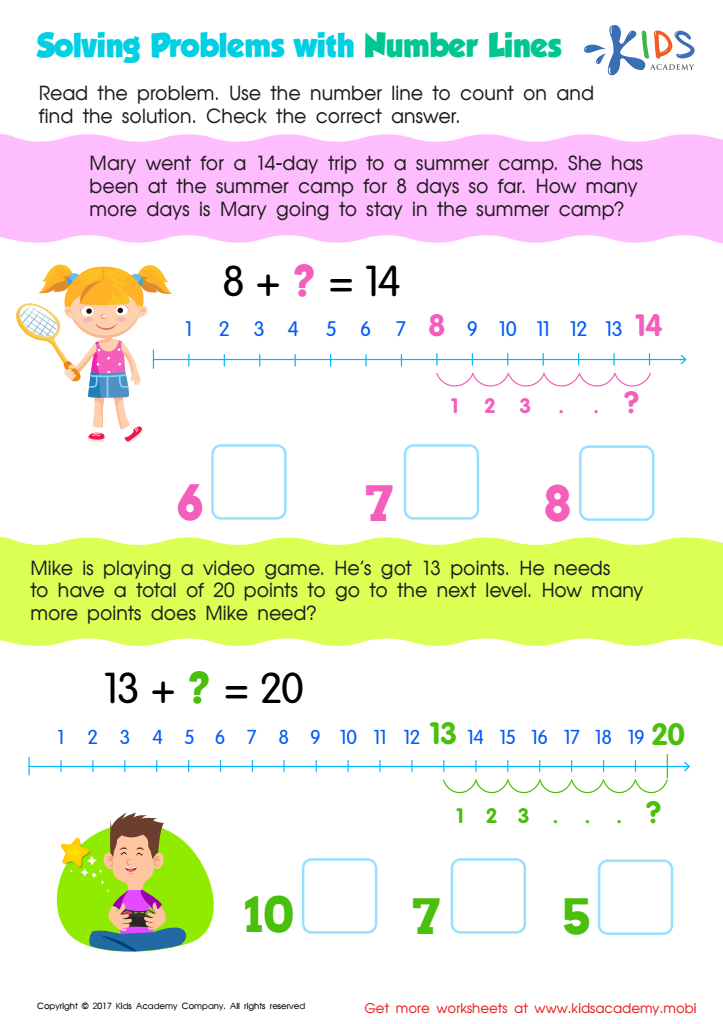
Solving Problems: Number Lines Worksheet
 Assign to My Students
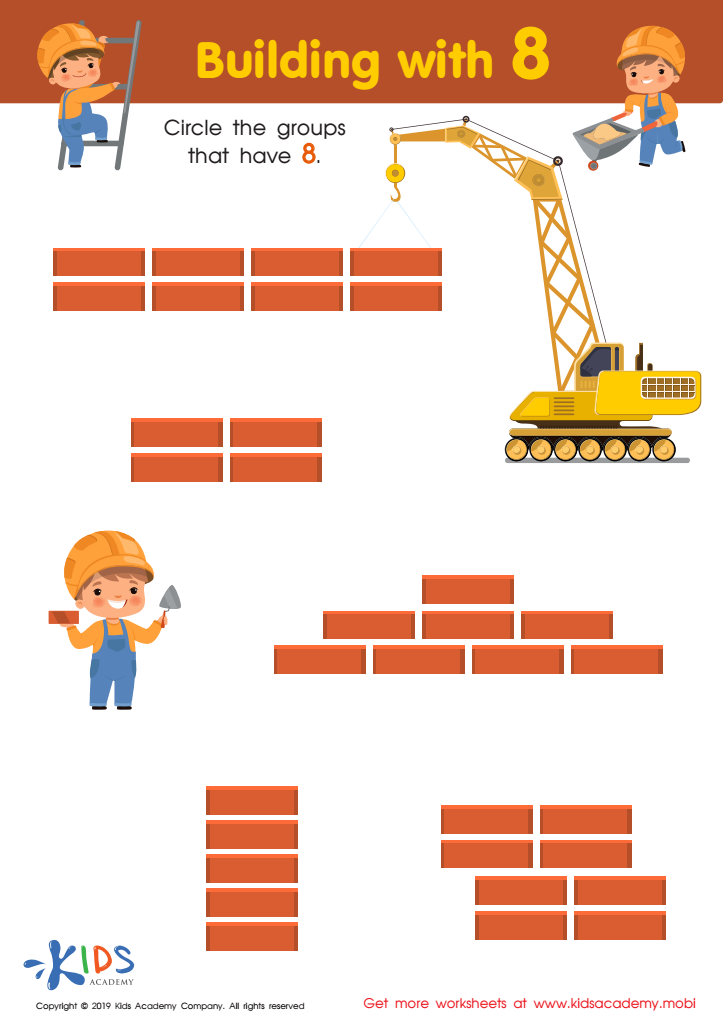
Building with 8 Worksheet
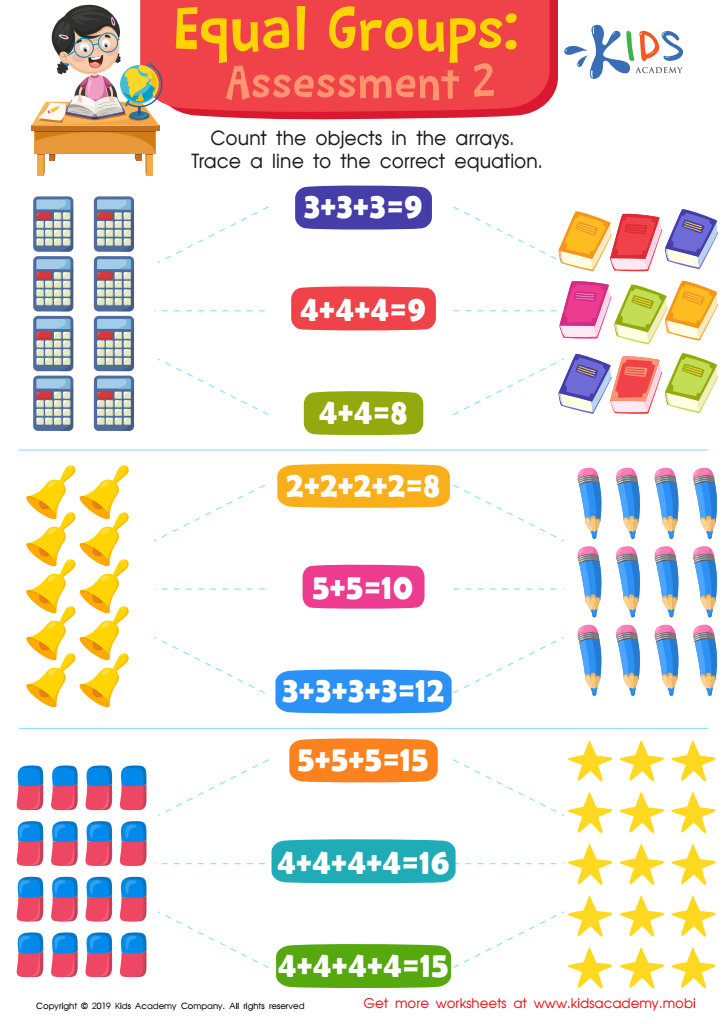
Equal Groups: Assessment 2 Worksheet
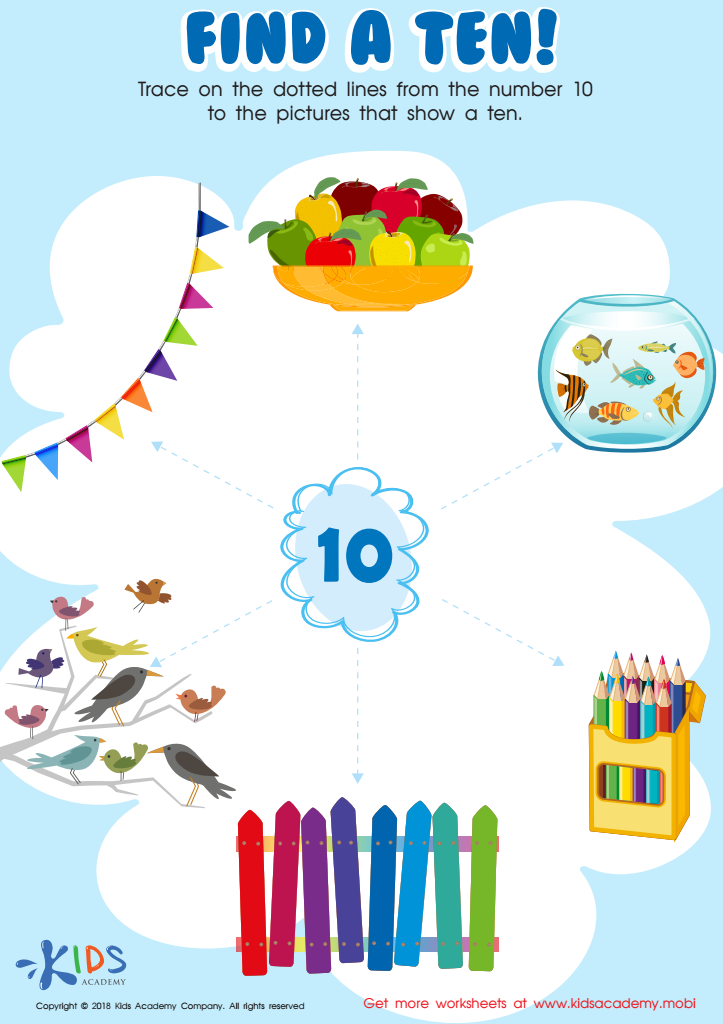
Kindergarten Math Worksheet: Find a Ten







Basic arithmetic comprehension is crucial for children aged 5-8 as it lays the foundational skills necessary for future mathematical success and overall academic achievement. At this age, children begin to understand core concepts such as addition, subtraction, and simple problem-solving. Mastering these skills fosters critical thinking and analytical abilities that transcend mathematics, contributing to development in other subject areas such as science, economics, and even language arts.
Moreover, early math comprehension helps children build confidence. When students grasp basic arithmetic, they feel capable and motivated to tackle more complex challenges later on. This confidence is vital, as it influences their attitudes towards learning and shapes their educational journey.
Additionally, basic arithmetic serves practical life skills. From budgeting a small allowance to measuring ingredients for cooking, math is a vital tool in everyday scenarios. By supporting children in mastering basic arithmetic, parents and teachers provide them with essential life skills, allowing them to navigate and succeed in real-world situations.
Ultimately, investing time and resources in arithmetic comprehension during these formative years helps ensure a well-rounded education, cultivates a positive approach to learning, and prepares children for future academic pursuits and practical life experiences.








