Basic arithmetic skills Math Worksheets for Ages 5-8 - Page 2
27 filtered results
-
From - To
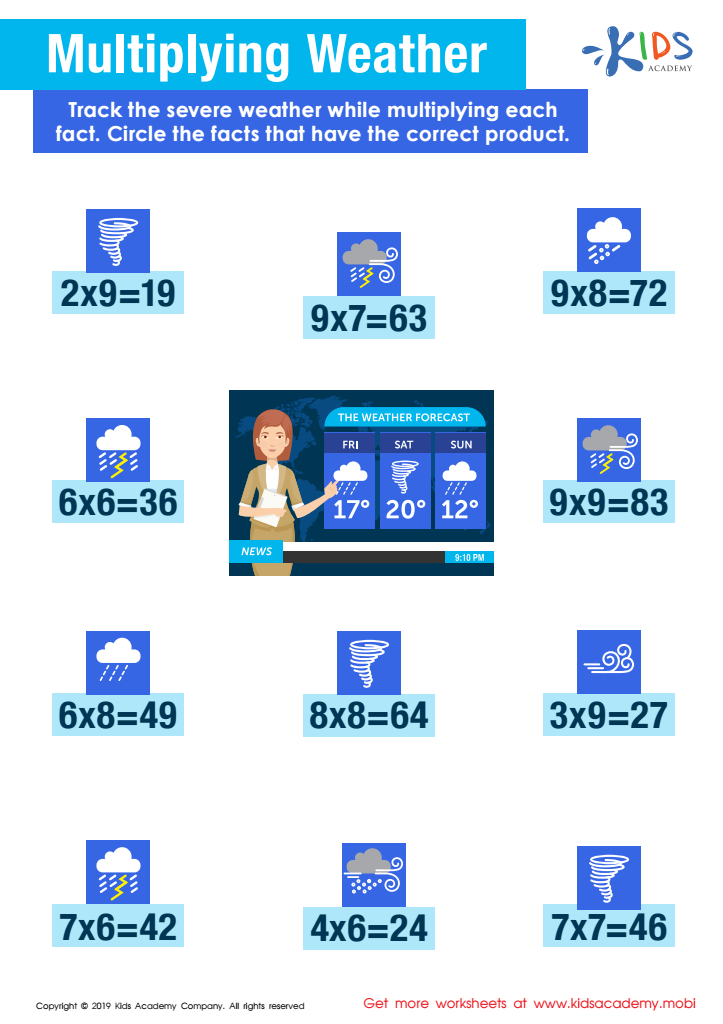
Multiplying Weather Worksheet
 Assign to My Students
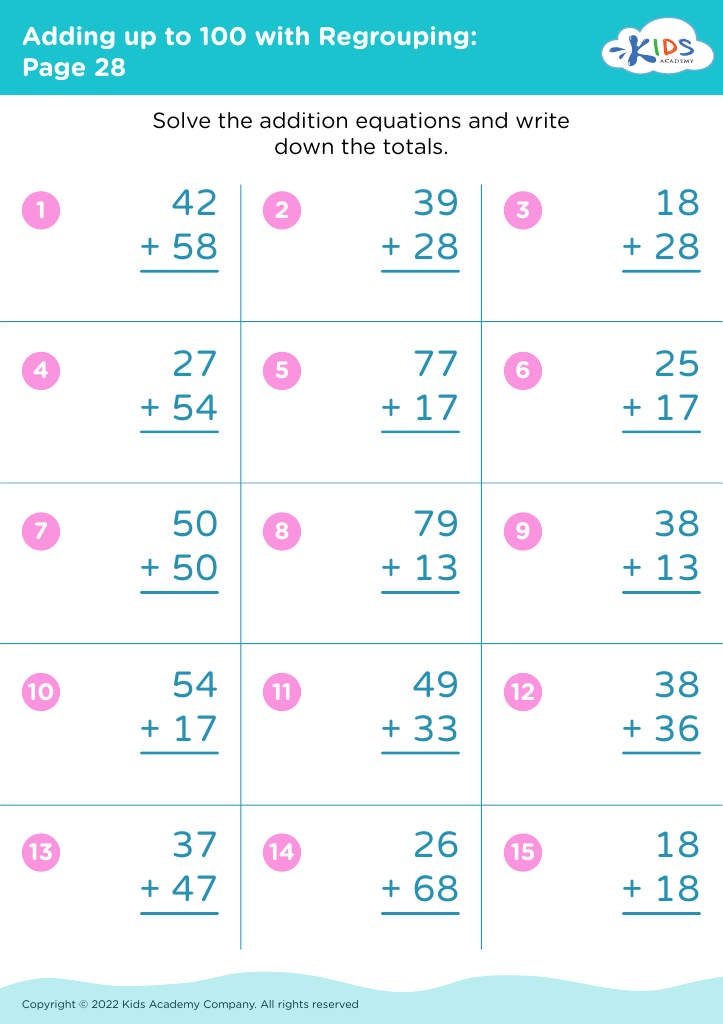
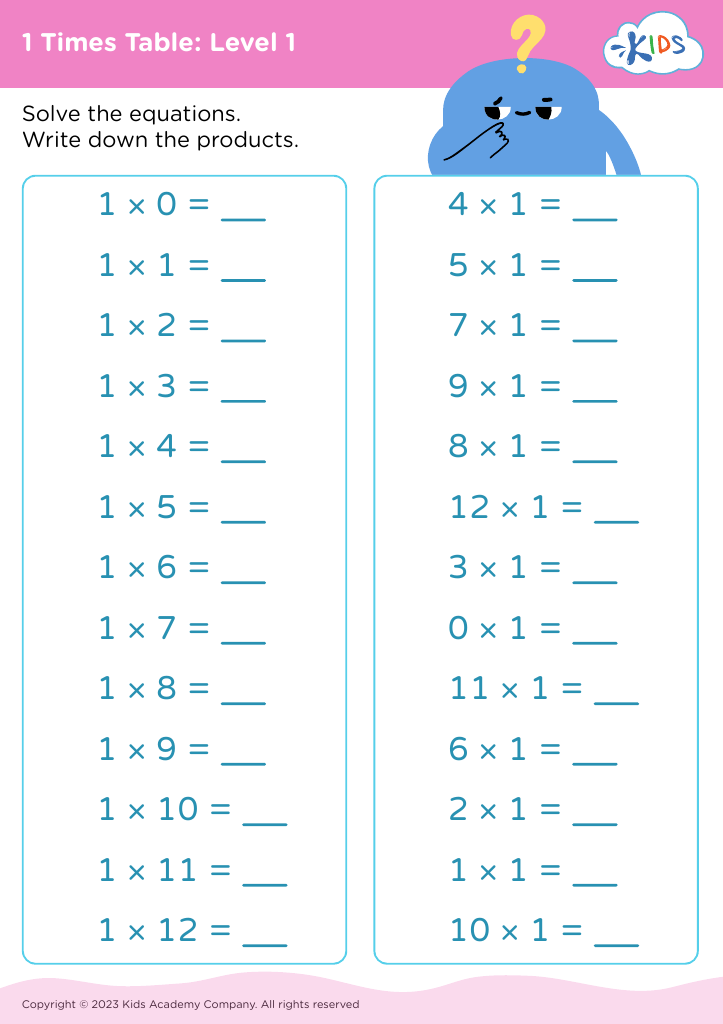








Basic arithmetic skills form the foundation for all subsequent mathematical learning and are crucial for ages 5-8, a critical period of cognitive development. For starters, arithmetic skills provide children with essential tools for daily life, enabling them to perform basic tasks like counting money, telling time, and measuring ingredients in a recipe. Proficiency in arithmetic also boosts self-confidence and reduces anxiety related to math later in life.
Moreover, arithmetic fosters logical thinking and problem-solving abilities. As young children begin to understand concepts like addition, subtraction, multiplication, and division, they develop skills in reasoning and critical thinking that are transferable to other subjects. These skills also strengthen their capacity to approach problems methodically and find solutions efficiently.
Parents and teachers play a pivotal role in nurturing these abilities through engaging, age-appropriate methods and resources that inspire curiosity and enjoyment in math. Through games, interactive lessons, and hands-on projects, they can help demystify concepts and cultivate a positive attitude towards math.
Neglecting basic arithmetic skills can have long-term educational repercussions, potentially causing difficulties in higher-level math and other STEM (science, technology, engineering, and mathematics) subjects. Consequently, adults should prioritize and emphasize the development of arithmetic skills during these formative years to set the stage for lifelong learning and success.








