
Develop critical thinking Math Worksheets for Ages 5-8
13 filtered results
Difficulty Level
Grade
Age
-
From - To
Subject
Activity
Standards
Enhance your child's problem-solving abilities with our engaging Critical Thinking Math Worksheets designed specifically for ages 5-8! These worksheets aim to cultivate essential cognitive skills while making learning fun. With a variety of activities, children will tackle challenges that promote logical reasoning, pattern recognition, and analytical skills. Each worksheet is tailored to develop critical thinking through interactive and contextual math problems, ensuring a comprehensive understanding of mathematical concepts. Perfect for both classroom and home use, our resources support young learners in building a solid foundation for future academic success. Encourage your child to think critically and excel in mathematics today!
Favorites
With answer key
Interactive
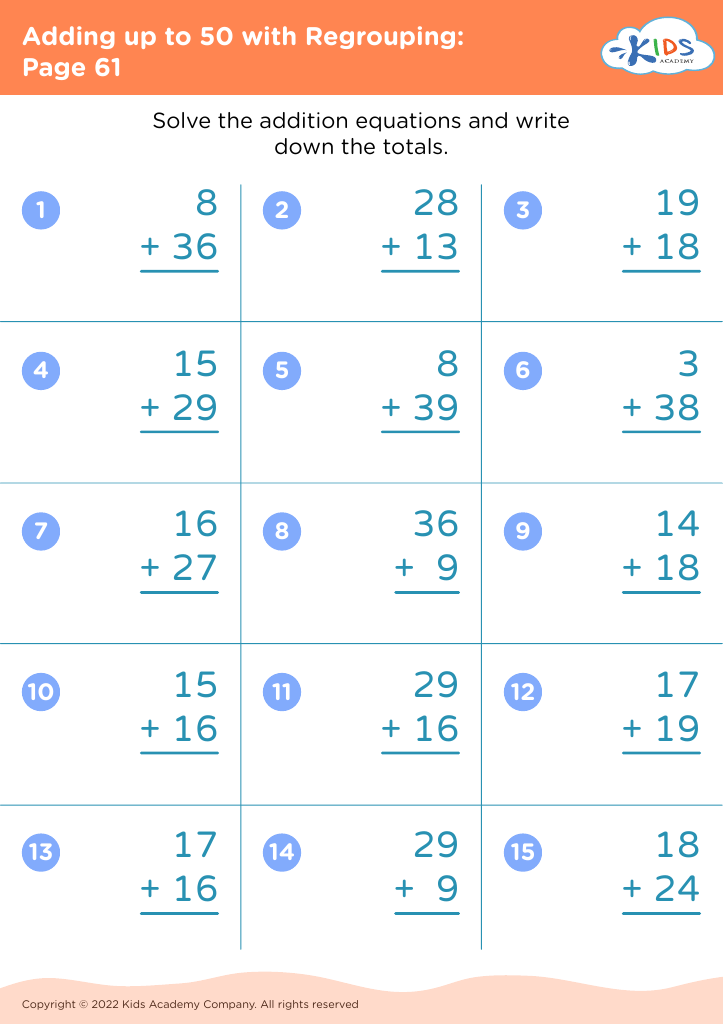
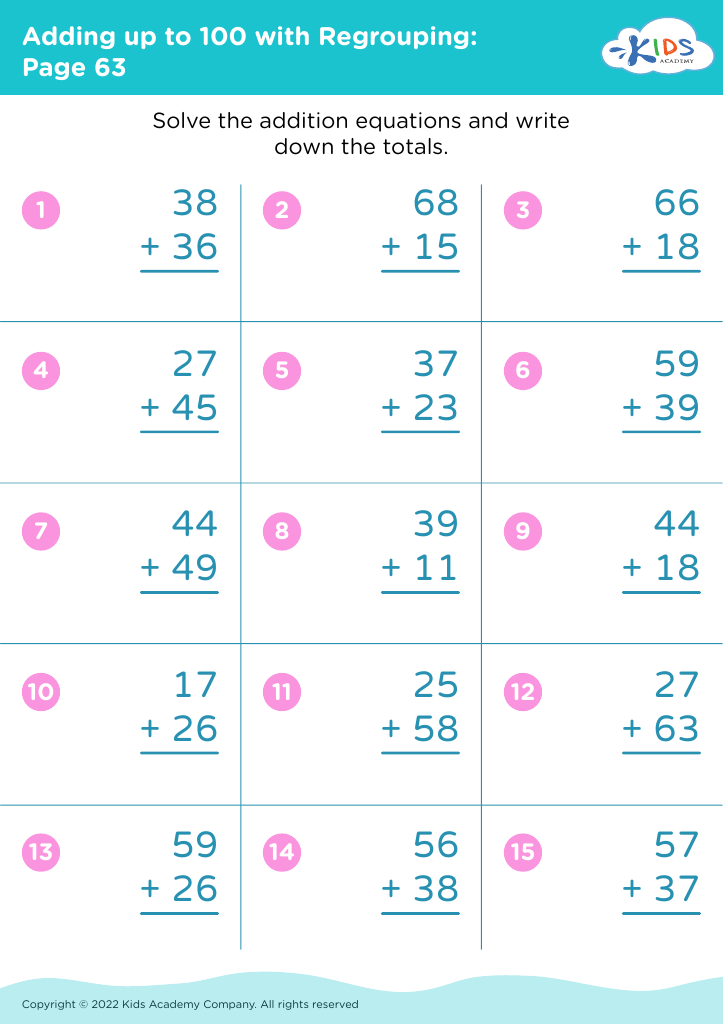
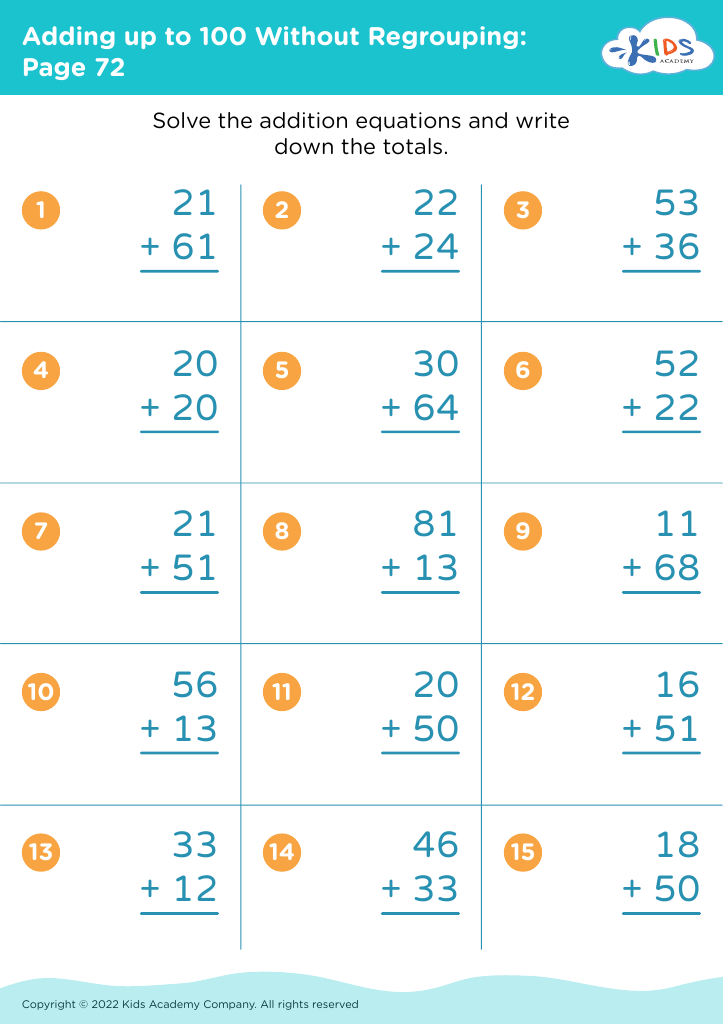
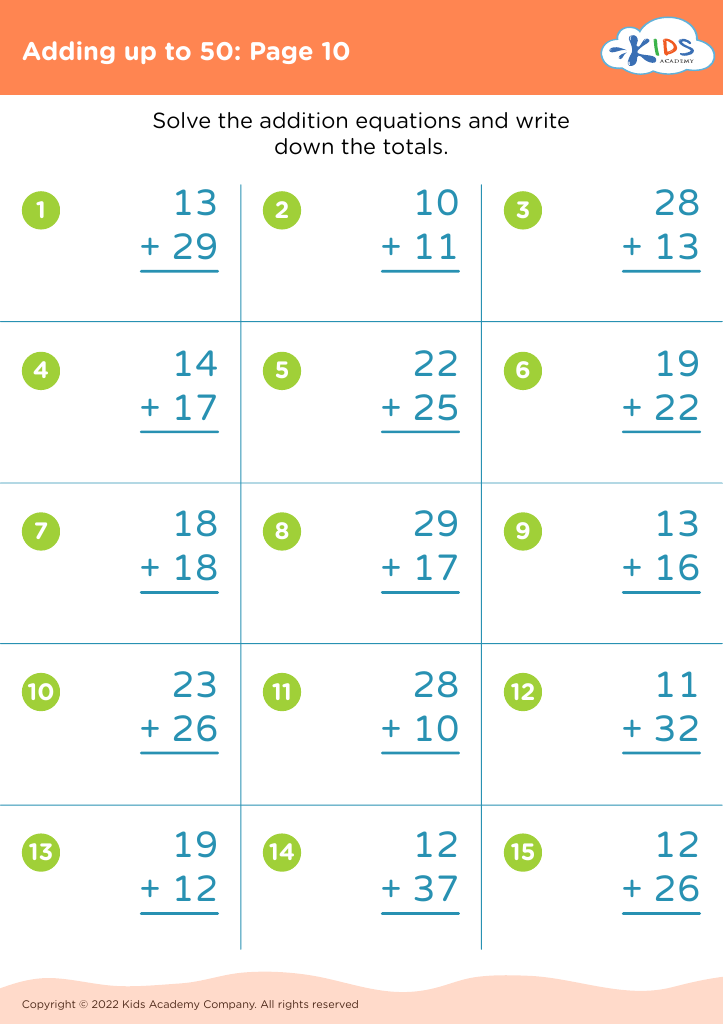
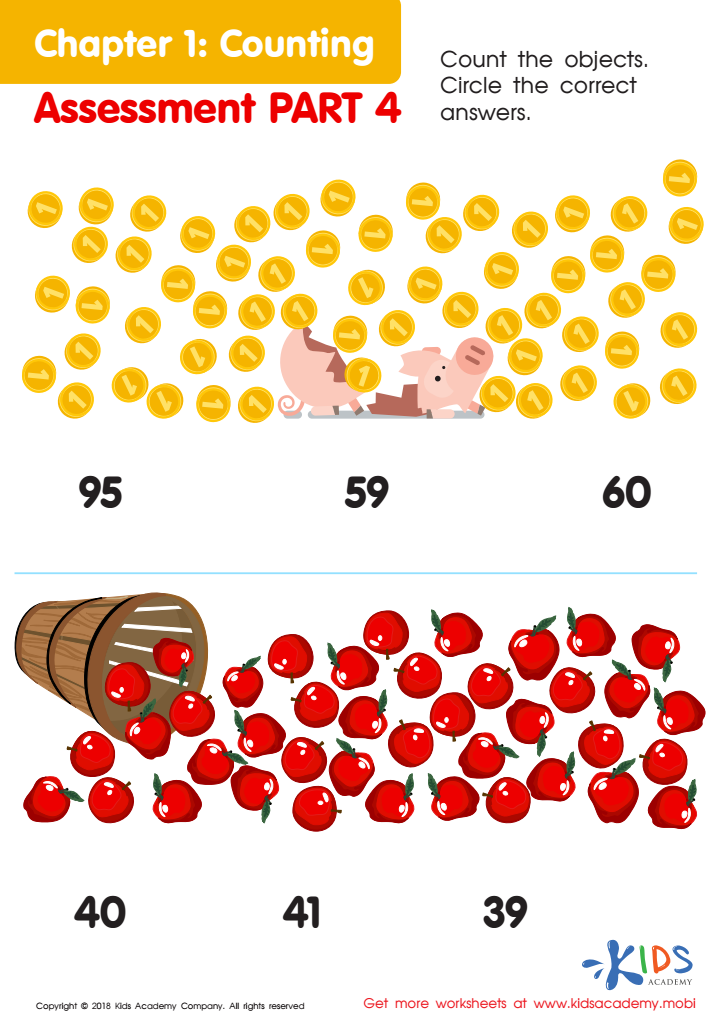
Counting: Assessment 4 Worksheet
Encourage your students to count objects in this colorful worksheet. Ask them to circle the correct answers from the options given. See how much their counting skills have improved with your guidance. Have fun!
 Assign to My Students
Counting: Assessment 4 Worksheet
Worksheet
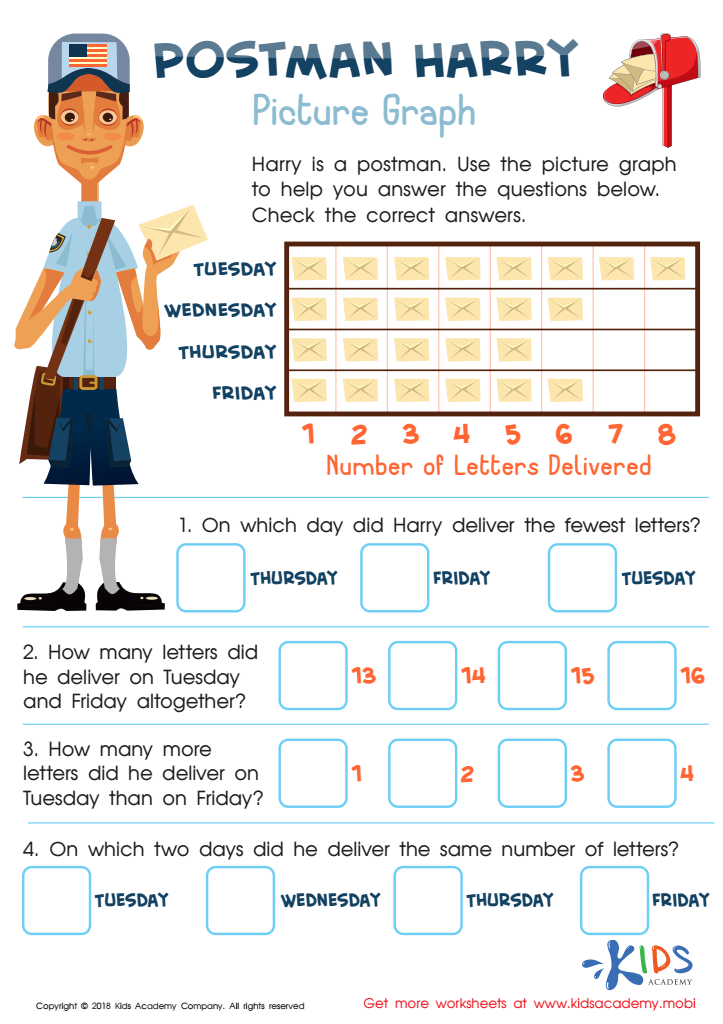
Postman Harry: Picture Graph Worksheet
Show your kids a picture of Harry the Postman and ask if they can identify his profession. Then, with this simple picture graph worksheet, help Harry out by having your kids answer the questions below the picture graph. It shows the number of letters he delivered, and on what day. Get your kids to use the picture graph to solve it.
Postman Harry: Picture Graph Worksheet
Worksheet
Join Kids Academy for Free
Who is primarily going to use this learning content?








Developing critical thinking skills in mathematics for children aged 5-8 is crucial for their overall cognitive development and future academic success. At this age, children are naturally curious and eager to explore concepts, making it the ideal time to nurture their problem-solving abilities. Encouraging critical thinking in math helps children learn to assess problems, make connections, and think independently—a skill that extends beyond mathematics into all areas of learning.
When parents and teachers emphasize critical thinking in math, they empower children to approach challenges with confidence and creativity. This approach fosters a growth mindset, enabling students to embrace mistakes as valuable learning opportunities rather than setbacks. An ability to think critically will enable young learners to understand complex concepts in higher math as they progress in their education.
Furthermore, critical thinking aids in developing decision-making skills—essential in everyday life. By encouraging analytical thinking, parents and teachers prepare children to navigate real-world problems, fostering resilience and adaptability. Ultimately, establishing a strong foundation in critical thinking mathematics equips young learners with the tools they need to succeed academically and socially, laying the groundwork for lifelong learning and personal growth.








