Develop problem-solving skills Math Worksheets for Ages 5-8
10 filtered results
-
From - To
Enhance your child’s math journey with our "Develop Problem-Solving Skills" worksheets, specifically designed for ages 5-8. These engaging printable resources foster critical thinking while reinforcing essential math concepts. Children will tackle fun challenges that encourage logical reasoning, analysis, and creative problem-solving. With a variety of interactive activities, your little learners will build confidence as they navigate through engaging exercises meant to stimulate their minds. Ideal for home or classroom use, our worksheets provide an exciting way to strengthen math skills while keeping learning enjoyable. Start unlocking your child's potential today with our thoughtfully crafted problem-solving worksheets!
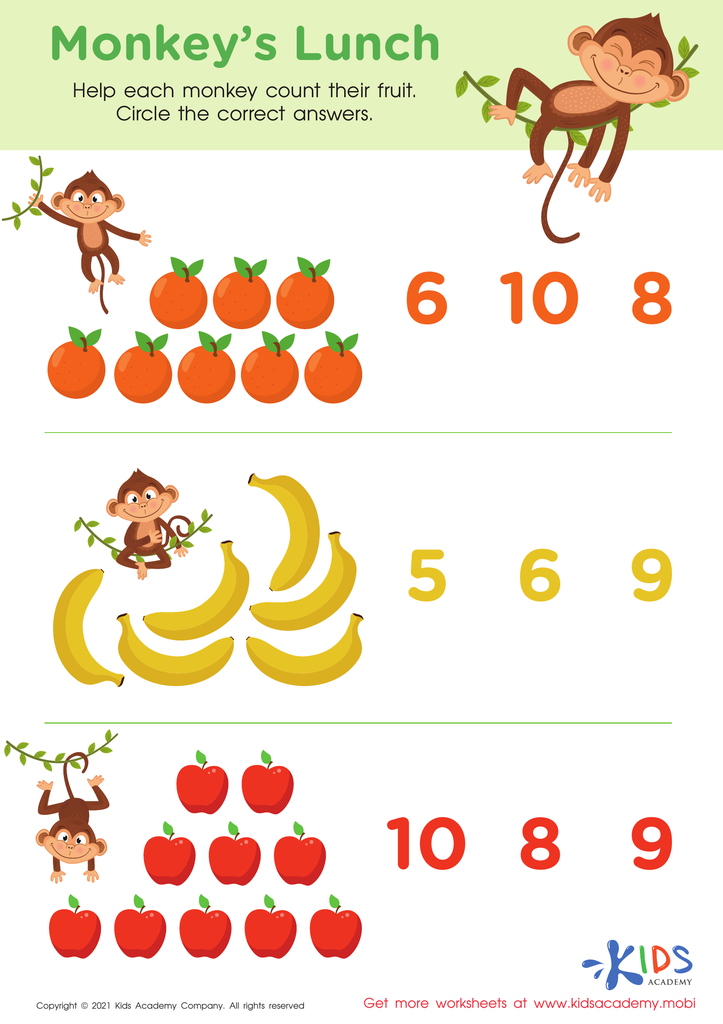
Monkey’s Lunch Worksheet
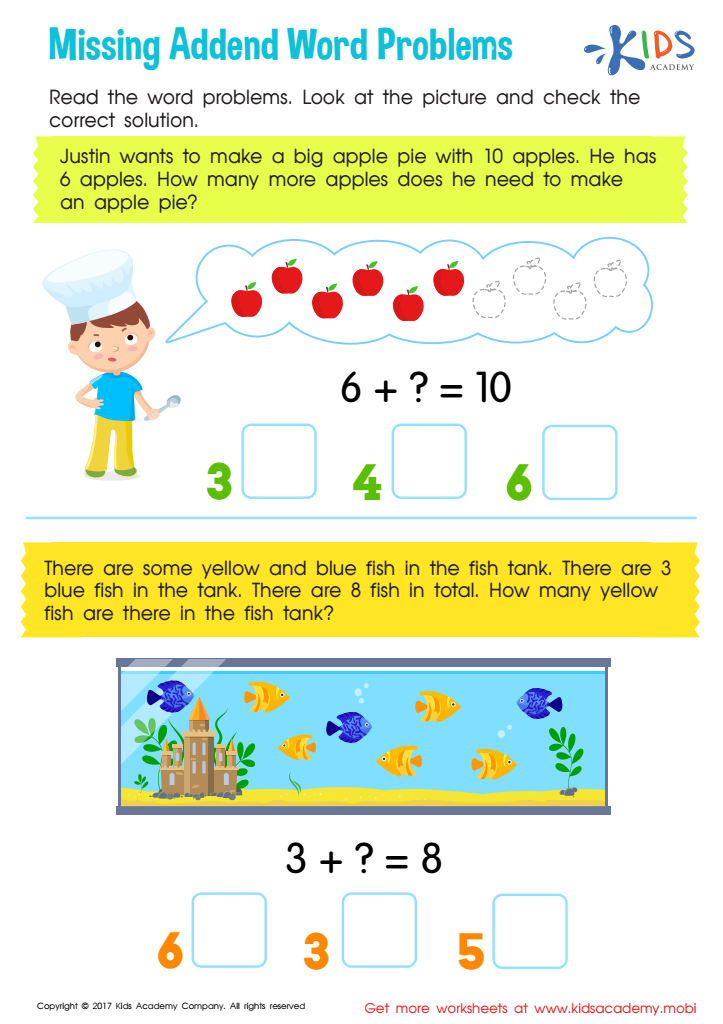
Missing Addend Word Problems Worksheet
 Assign to My Students

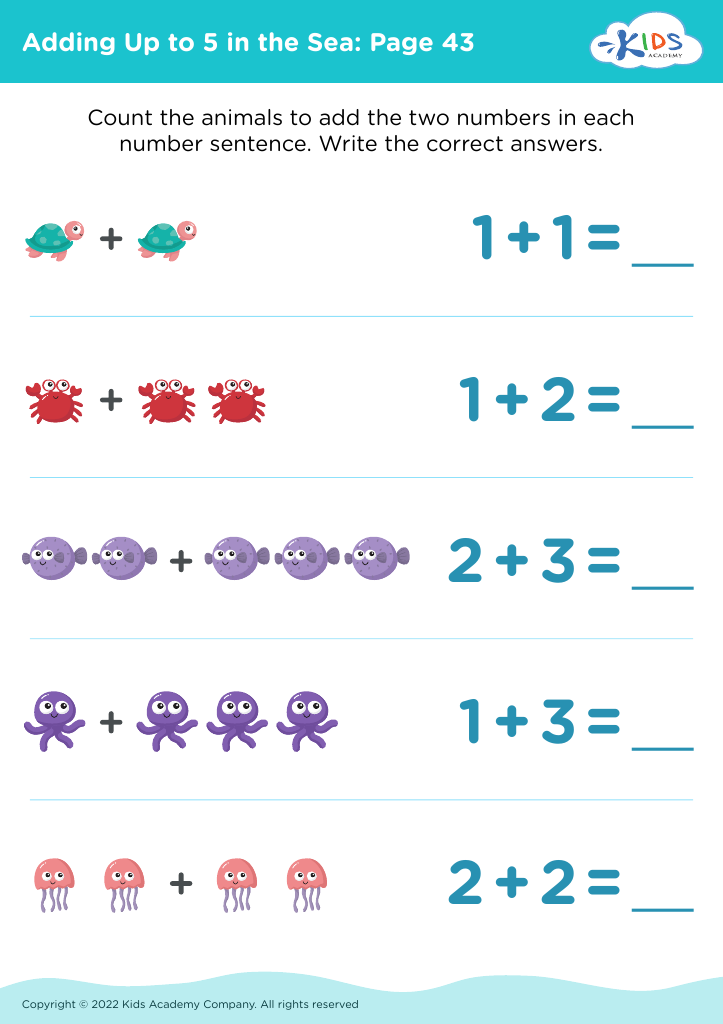
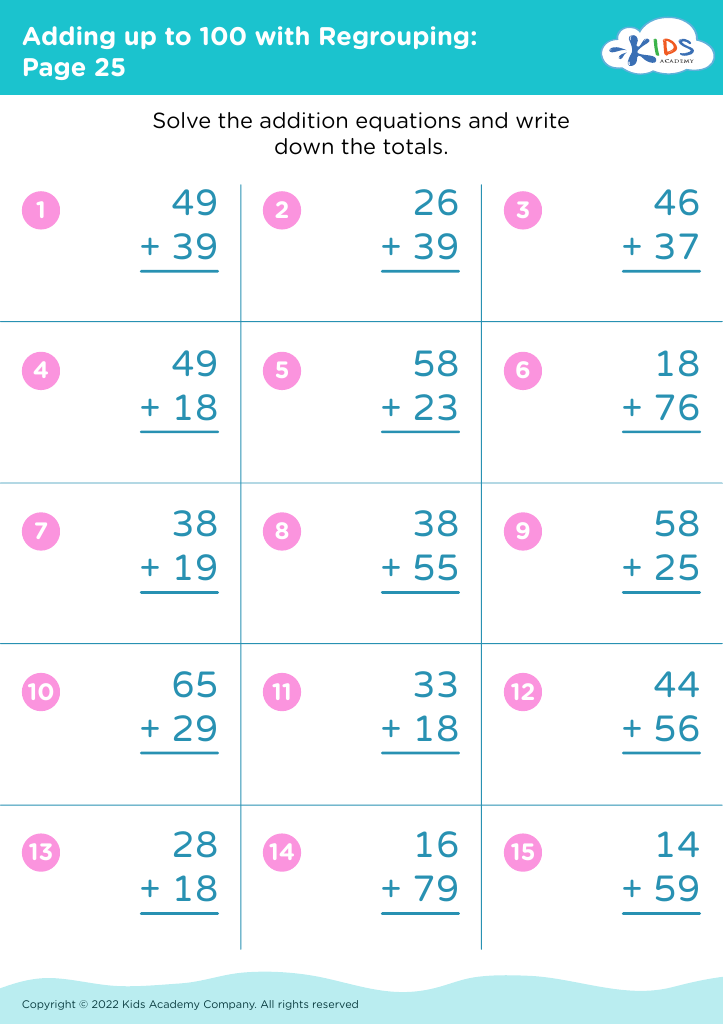
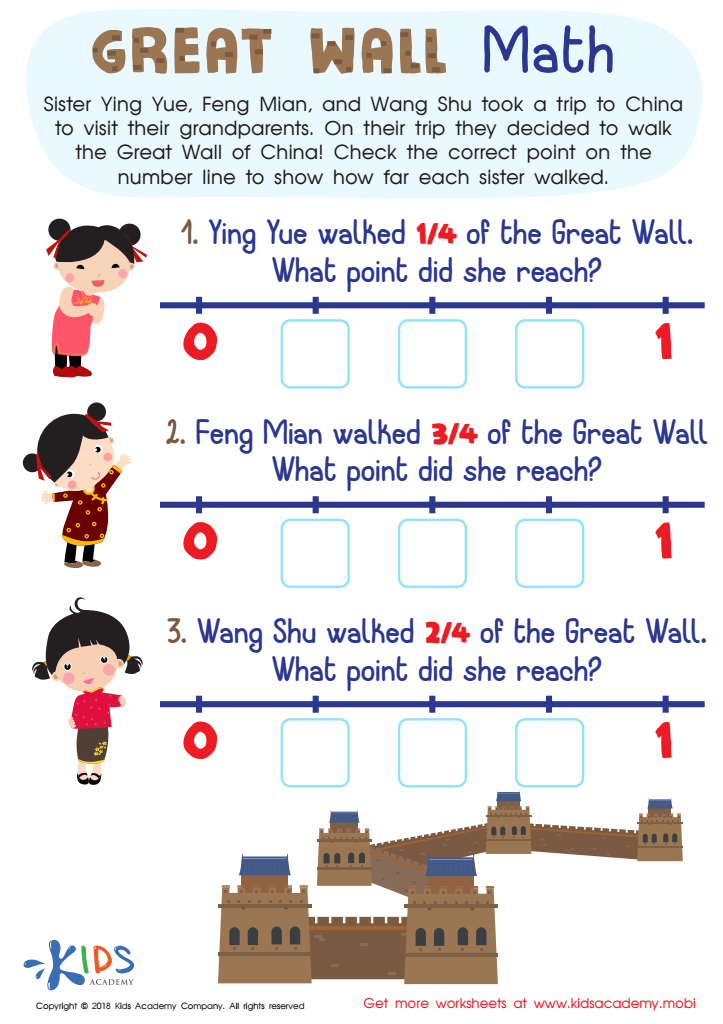
Great Wall Math Worksheet










Developing problem-solving skills in mathematics for children aged 5-8 is crucial as it lays the foundation for their lifelong learning and critical thinking abilities. At this age, children are especially curious and eager to engage with new concepts. Encouraging them to tackle mathematical problems helps enhance their analytical skills, fostering both their cognitive development and confidence.
Problem-solving activities teach children how to think logically and systematically tackle challenges. These skills transcend mathematics, benefiting them in science, language arts, and everyday situations. Moreover, mastering basic math concepts helps reduce anxiety around numbers, making future learning experiences more enjoyable.
Parents and teachers play a key role in nurturing these skills through interactive and engaging methods, such as puzzles, games, and real-life scenarios. By providing opportunities to explore mathematical ideas and encouraging perseverance, adults can prepare children for higher-level thinking as they grow.
Creating an environment where children feel safe to experiment and articulate their thought processes promotes intellectual curiosity and resilience. Ultimately, fostering problem-solving skills not only enhances academic success but also equips children with essential tools for lifelong challenges and decision-making. As future leaders and innovators, cultivating these skills early is paramount.








