Developing logical thinking Math Worksheets for Ages 5-8
7 filtered results
-
From - To
Explore our engaging and effective Developing Logical Thinking Math Worksheets designed for children ages 5-8. Our expertly crafted worksheets aim to boost critical thinking and problem-solving skills through fun math activities. With a variety of exercises tailored to young learners, your child will enhance their understanding of patterns, sequences, and reasoning while enjoying the learning process. Perfect for classroom use or at-home practice, these worksheets provide a strong foundation for mathematical success. Give your child the tools they need to excel in math and beyond with our engaging printables. Download and watch their skills grow!
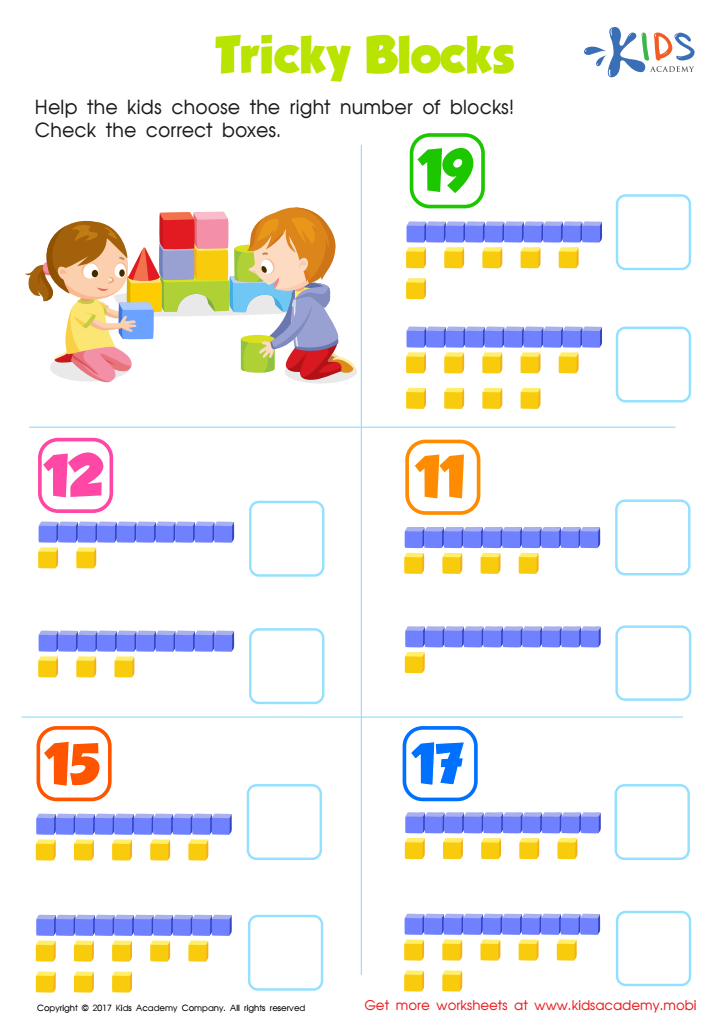
Tricky Blocks Worksheet
 Assign to My Students
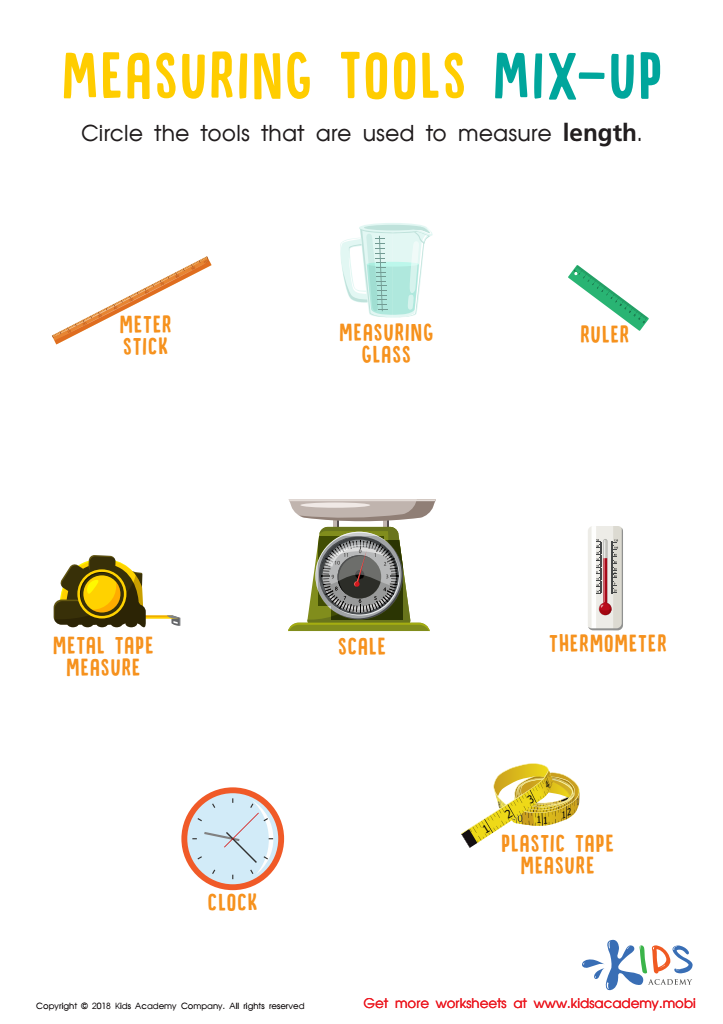
Measuring Tools Mix–up Worksheet
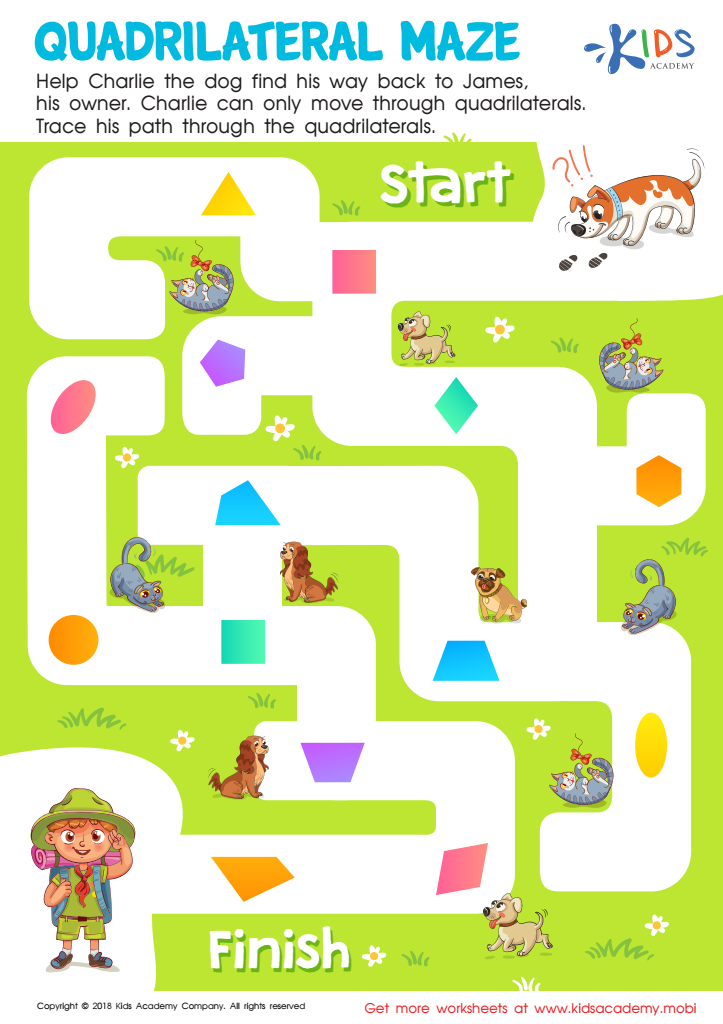
Quadrilateral Maze Worksheet
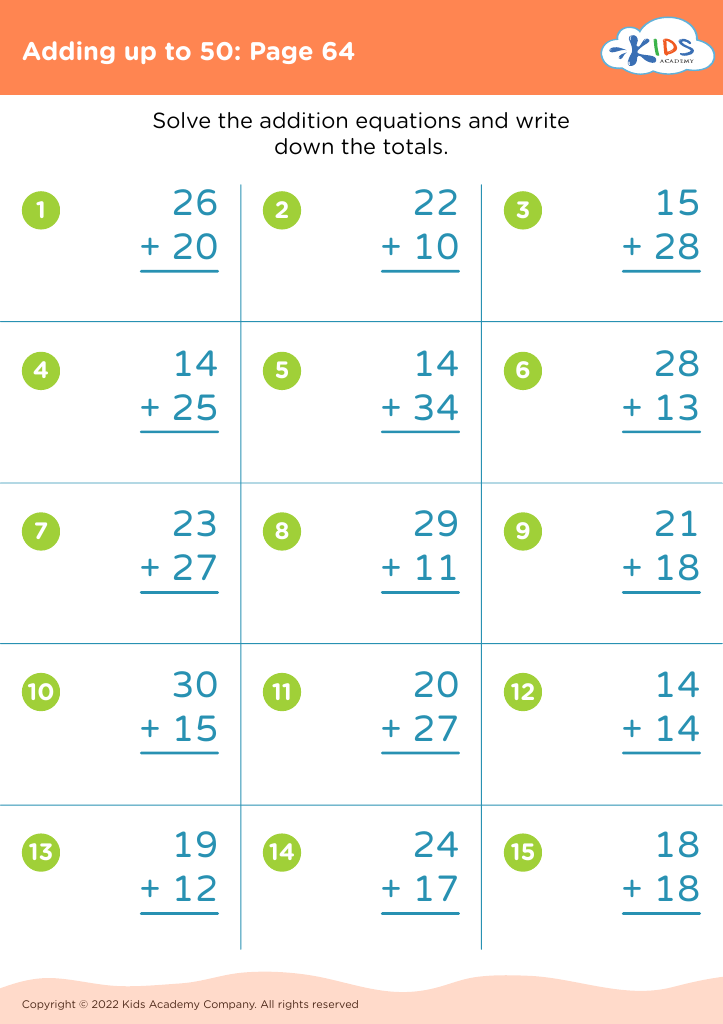
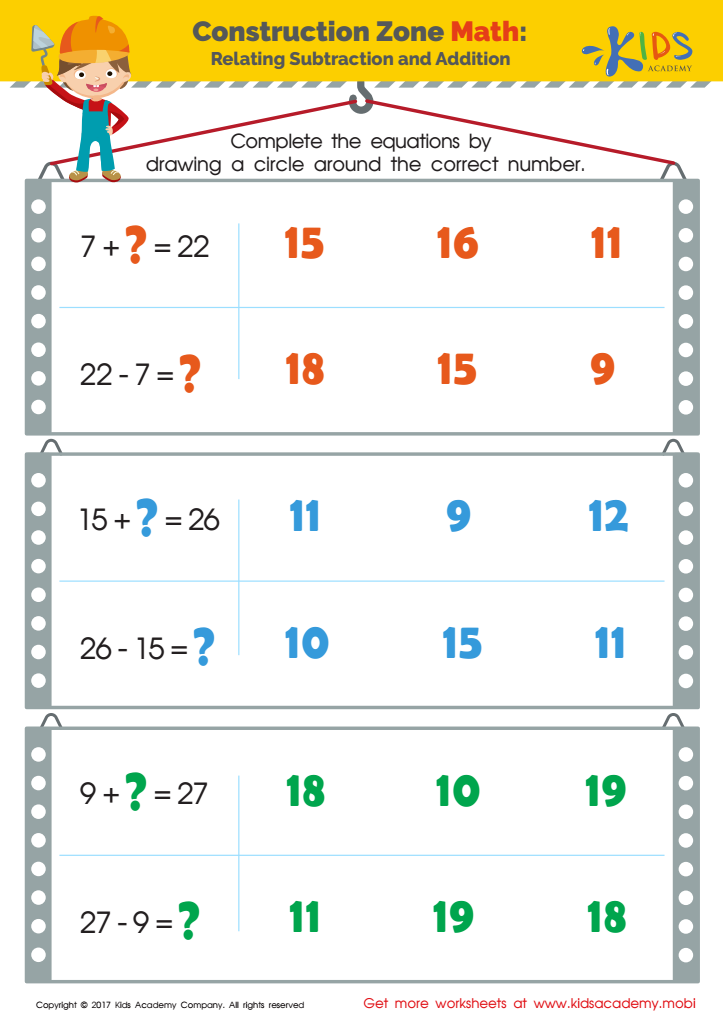
Related Addition and Subtraction Facts Worksheet








Developing logical thinking in mathematics for children aged 5-8 is crucial for several reasons. At this stage, children's brains are exceptionally receptive to learning foundational skills that set the groundwork for future academic success. Logical thinking enhances problem-solving and critical thinking abilities, which are essential not only in math but across all subjects.
Early engagement with math concepts helps children recognize patterns, understand sequencing, and grasp cause-and-effect relationships. This fosters a strong sense of number sense and spatial awareness, critical competencies that support later learning in more complex math topics and beyond.
Moreover, developing logical thinking skills boosts children's confidence and independence. When they encounter new problems, they are better equipped to analyze the situation, devise a plan, and arrive at a solution. This not only applies to academic tasks but also to everyday situations, where kids learn to think through challenges methodically.
In the social realm, children who engage in logical thinking activities often demonstrate improved communication skills. Explaining their reasoning requires children to articulate their thought processes clearly, fostering language development and encouraging collaborative learning.
In essence, fostering logical thinking in early math helps children build a robust cognitive framework, essential for lifelong learning and adaptability. Parents and teachers play a pivotal role in providing the supportive environment and engaging activities necessary to nurture these vital skills.








