Enhancing creativity Math Worksheets for Ages 5-8
8 filtered results
-
From - To
Unlock your child's imagination with our Enhancing Creativity Math Worksheets designed for ages 5-8! These engaging worksheets blend essential math skills with creative activities, making learning fun and interactive. Tailored for young learners, our unique resources encourage problem-solving, critical thinking, and artistic expression, ensuring a well-rounded educational experience. Whether solving puzzles, creating patterns, or exploring shapes, each worksheet offers opportunities to foster creativity in mathematics. Parents and educators alike will appreciate the emphasis on instilling a love for learning while reinforcing foundational math concepts. Explore our collection today to inspire creativity and confidence in your child's math journey!
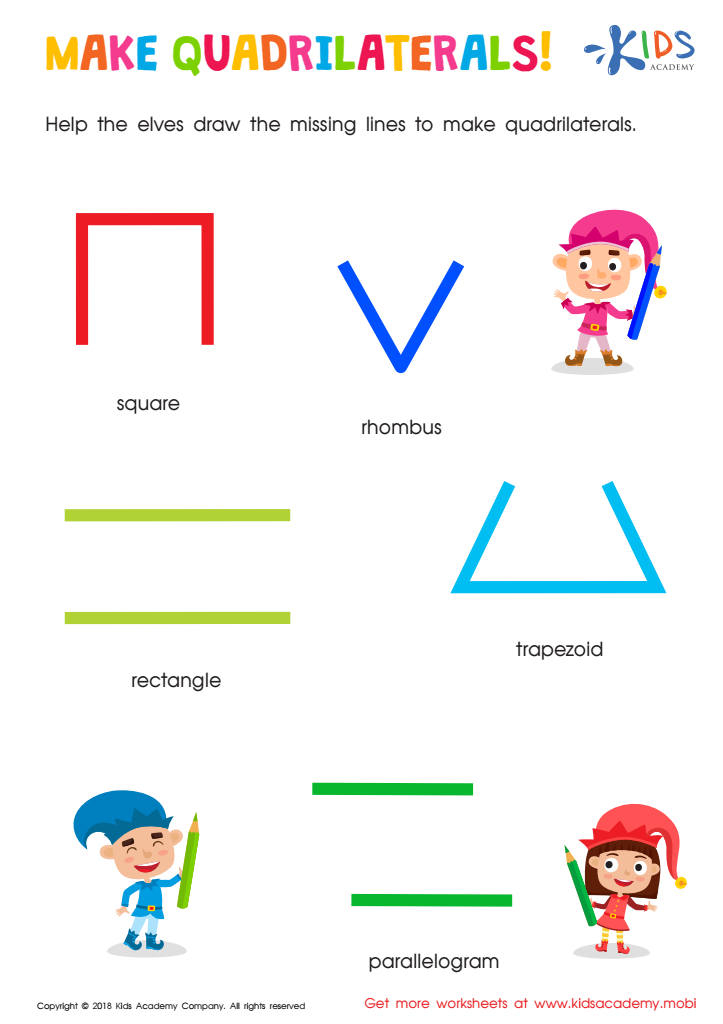
Make Quadrilaterals Worksheet
 Assign to My Students
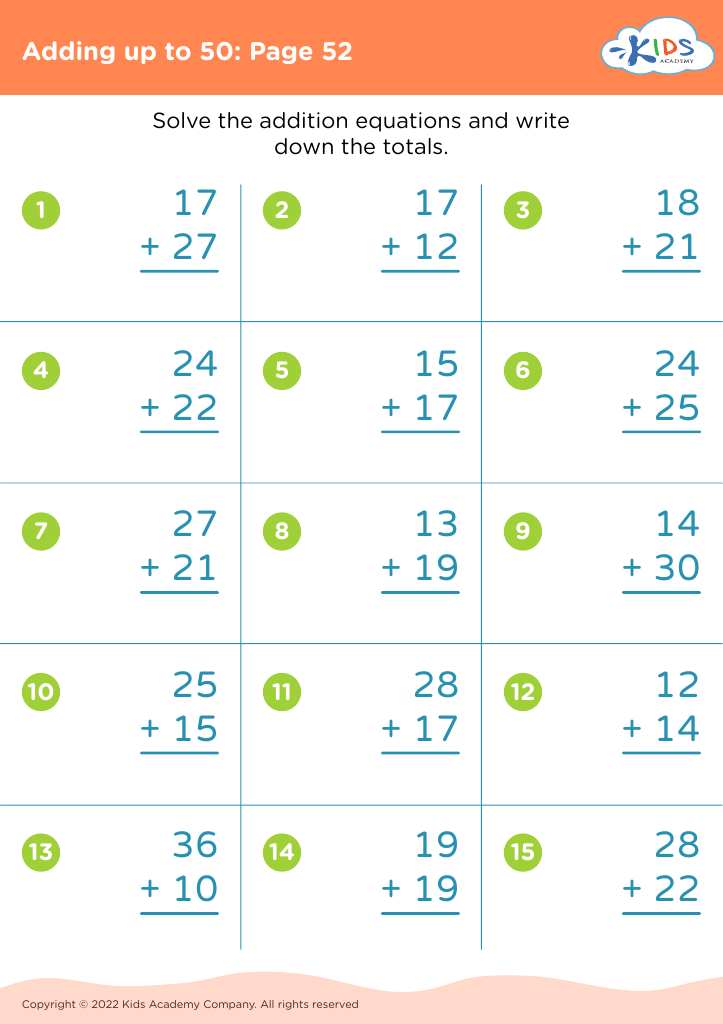
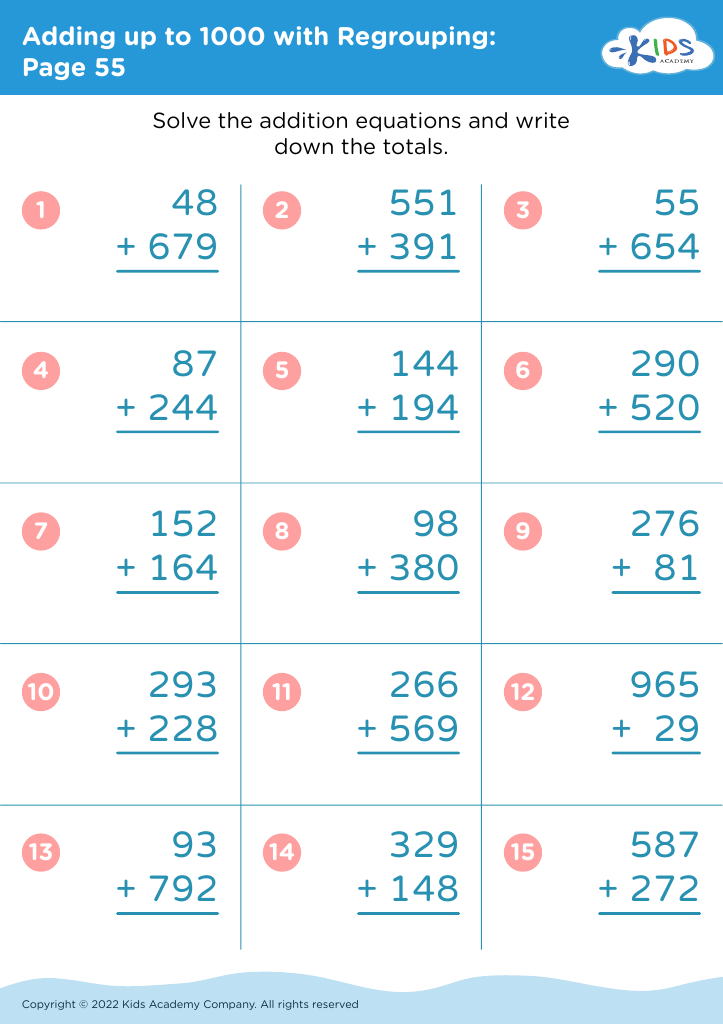
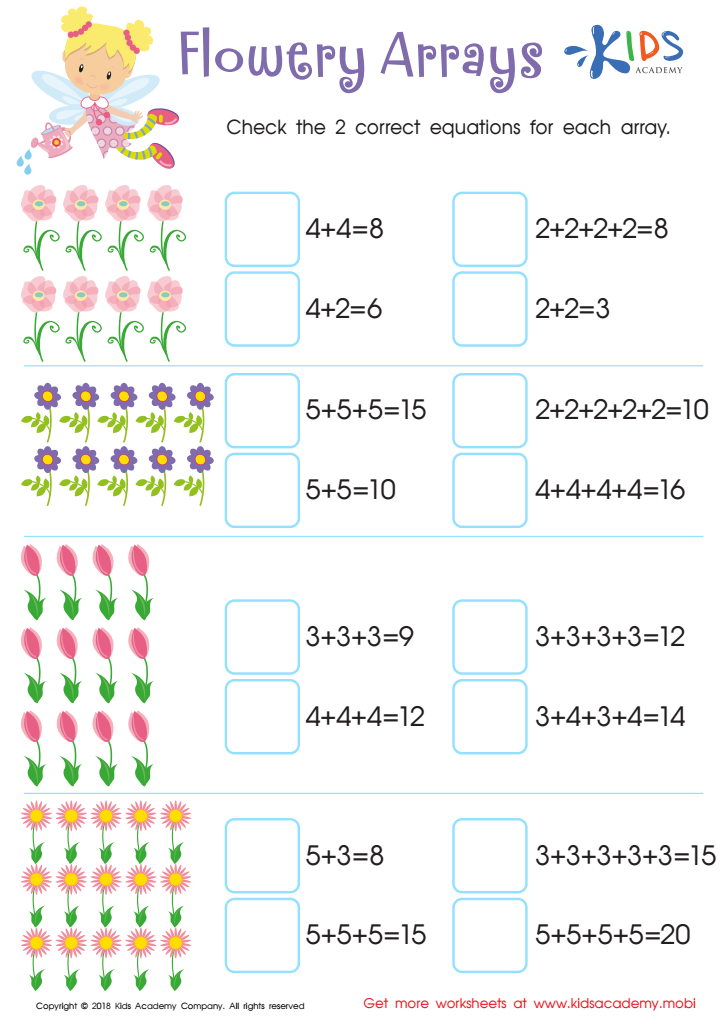
Flowery Arrays Worksheet
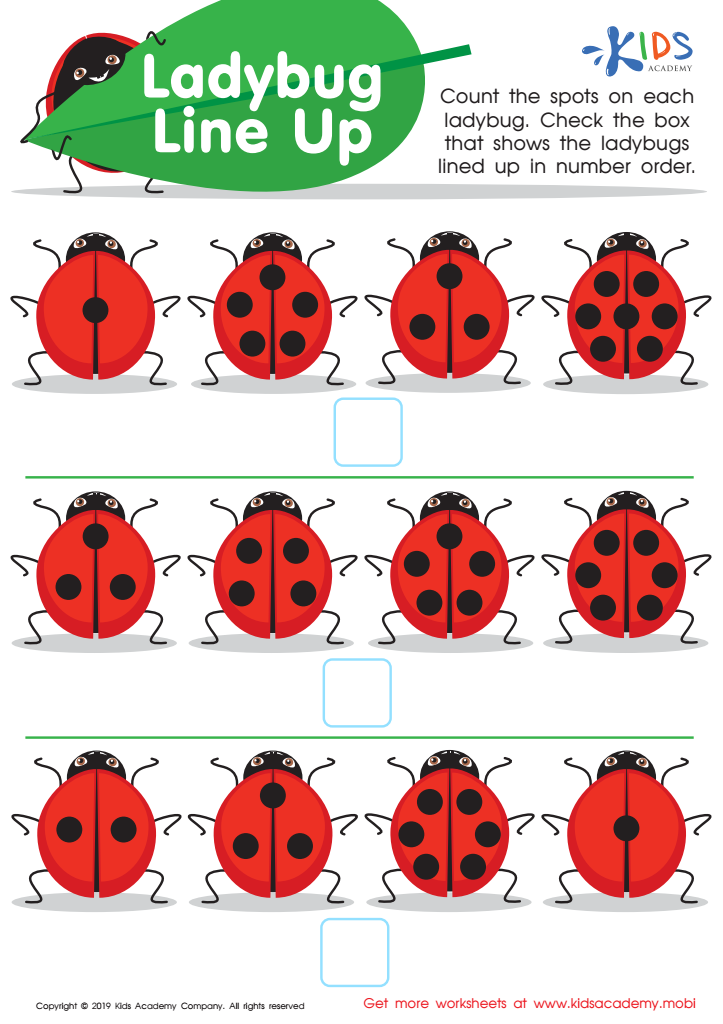
Ladybug Line Up Worksheet
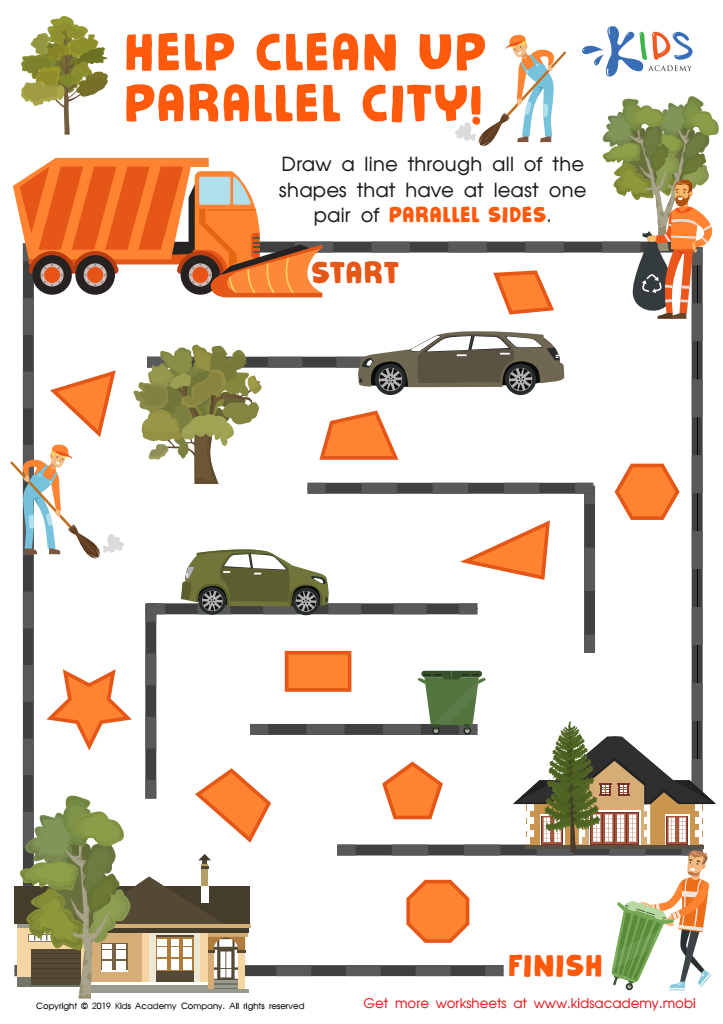
Help Clean Up Parallel City Worksheet
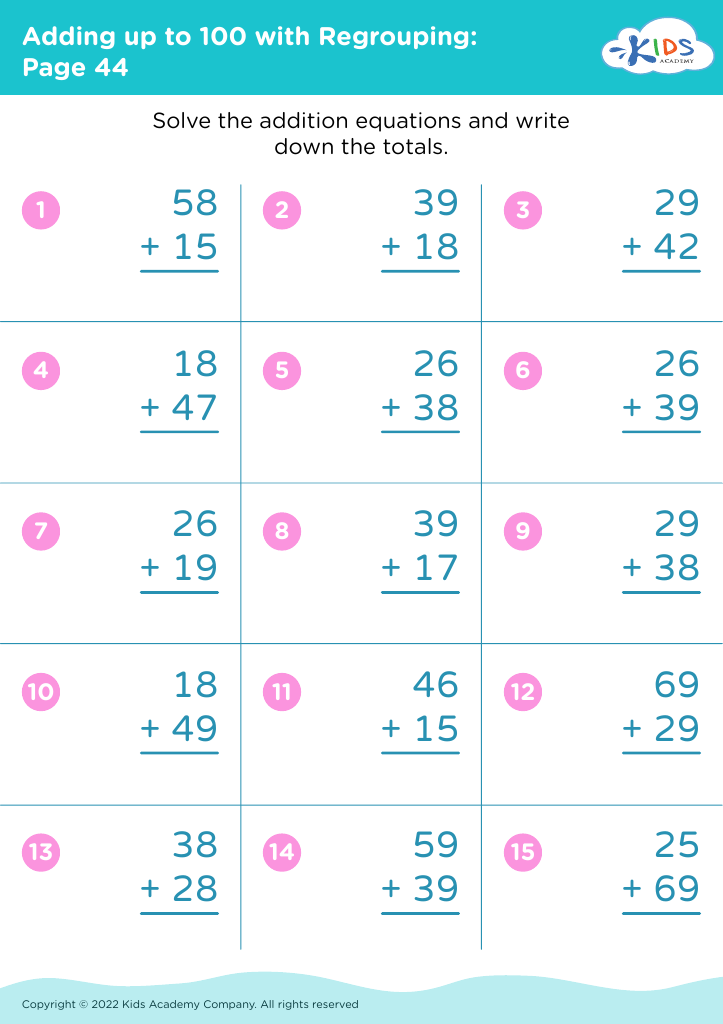



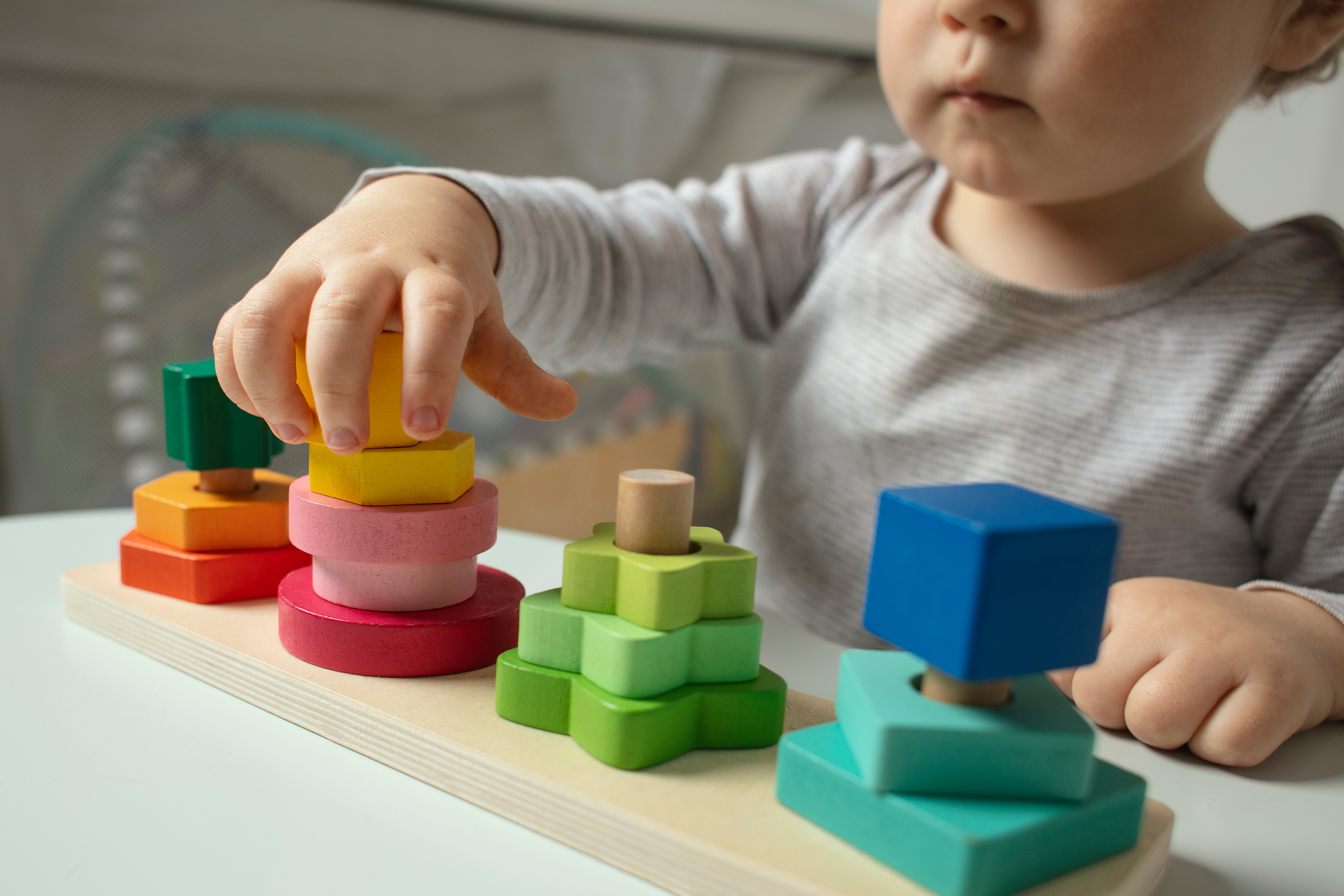




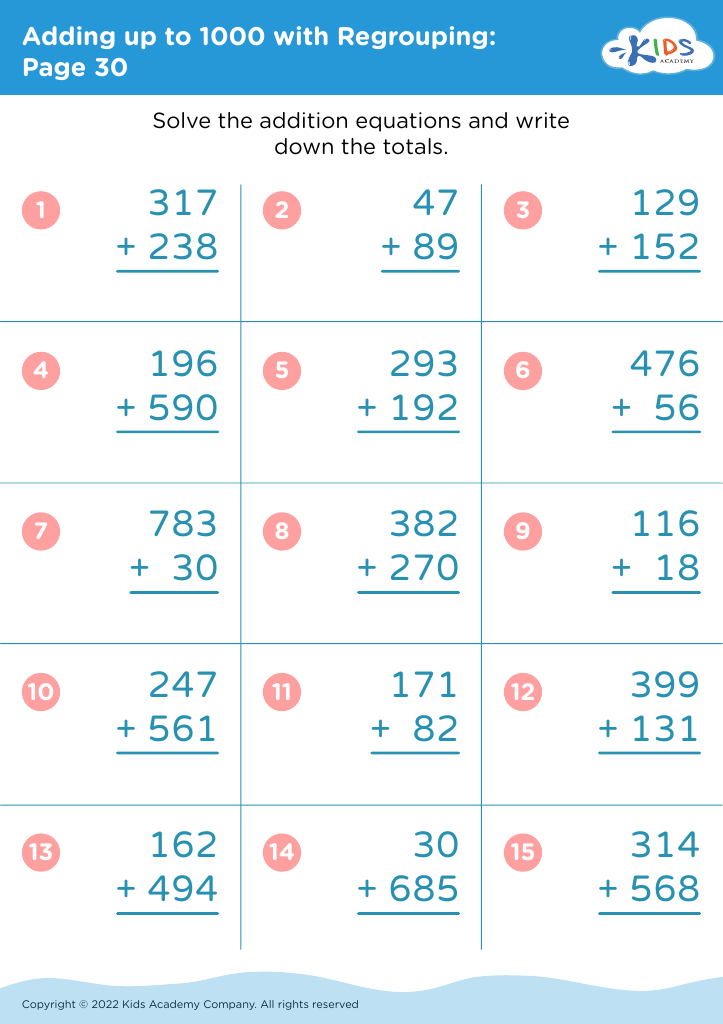
Enhancing creativity in math for children aged 5-8 is crucial for fostering a positive attitude toward learning and problem-solving skills that carry into their educational journeys. During these formative years, kids develop foundational skills, and incorporating creativity into their math practice makes the subject more engaging and enjoyable. When parents and teachers cultivate creative math experiences, they help children see numbers and patterns in diverse, real-world contexts, encouraging them to think outside the box.
Creative math inspires critical thinking, as it often involves exploration, experimentation, and innovation rather than rote memorization. Activities like math games, visual arts integrated with counting, or using everyday objects for problem-solving not only enhance numeracy but also stimulate curiosity and resourcefulness. This approach empowers children to tackle challenges with confidence and resilience.
Moreover, encouraging creativity in math supports a growth mindset; children learn that making mistakes is a valuable part of learning. As they engage with math through playful exploration, they become more willing to experiment with new ideas, fostering a lifelong love for learning and personal growth. Ultimately, investing in creative math methods equips children with essential skills that go beyond numbers, preparing them for future success in academics and beyond.








