
Enhancing fine motor skills Math Worksheets for Ages 5-8
3 filtered results
Difficulty Level
Grade
Age
-
From - To
Subject
Activity
Standards
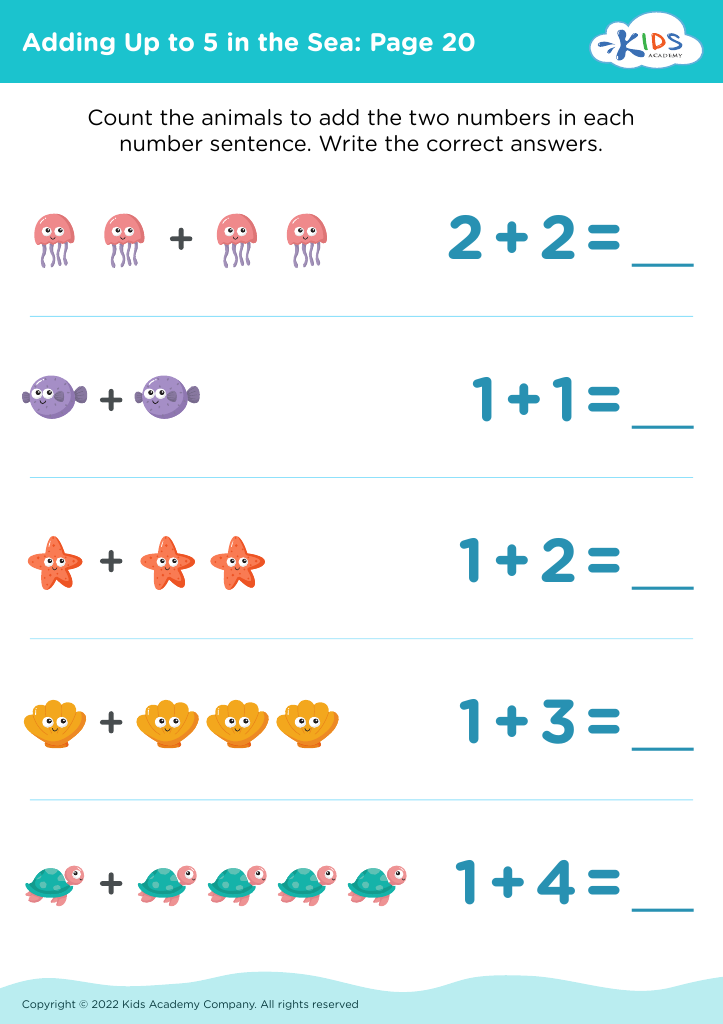
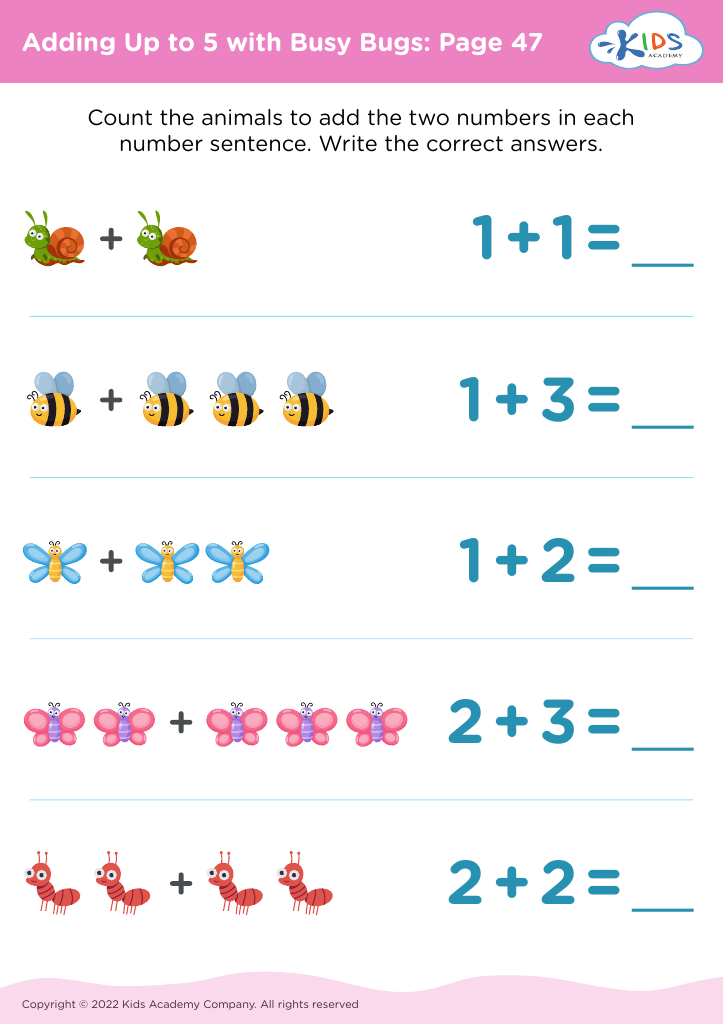
Discover our "Enhancing Fine Motor Skills Math Worksheets" designed specifically for children ages 5-8. These engaging worksheets combine math practice with fun activities to support skill development in a hands-on way. Each worksheet encourages little hands to grasp, trace, and manipulate materials, fostering dexterity as they tackle early math concepts. From cutting and pasting to coloring and connecting dots, your child will enhance their fine motor skills while improving number recognition and basic arithmetic. Ideal for home learning or in the classroom, these worksheets create a dynamic learning environment that nurtures both math and motor development. Unlock your child's potential today!
Favorites
With answer key
Interactive
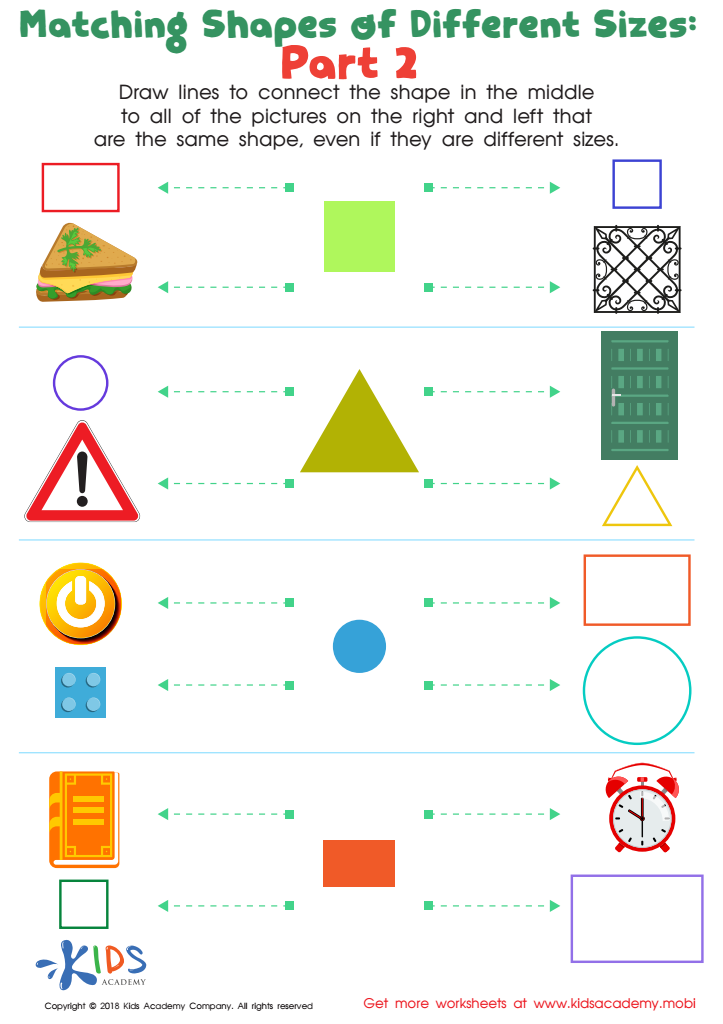
Geometry: Part 2 Worksheet
Third grade geometry gets a challenge with this free worksheet. Kids match shapes to everyday objects like sandwiches, alarm clocks and books for a better understanding of geometry in their lives. Printable pdf is included.
 Assign to My Students
Geometry: Part 2 Worksheet
Worksheet
Join Kids Academy for Free
Who is primarily going to use this learning content?








Enhancing fine motor skills in young children, particularly in the context of math, is crucial for their overall development. For ages 5-8, this stage is pivotal as they transition from preschool to more formal educational settings. Fine motor skills, which involve the coordinated use of small muscles in the hands and fingers, are foundational for various tasks, such as writing numbers, manipulating tools, and engaging in hands-on activities.
In math, strong fine motor skills enable children to comfortably perform tasks like counting objects, sorting shapes, and using tools like scissors, rulers, or calculators. When children can physically engage with materials—like counting blocks or creating graphs—they not only learn mathematical concepts more effectively but also experience deeper comprehension through tactile interaction.
Parents and teachers play a crucial role in fostering these skills by providing activities that promote dexterity, such as crafting, using playdough, or engaging in puzzles. When fine motor skills are honed, children tend to feel more confident and capable in academics, leading to better performance and a positive attitude towards learning. Ultimately, enhancing fine motor skills is about setting the stage for a successful educational journey, ensuring children build the necessary foundation for not only math but also future academic pursuits.








