Fine motor development Math Worksheets for Ages 5-8
7 filtered results
-
From - To
Enhance your child's fine motor skills with our engaging Math Worksheets designed specifically for ages 5-8. These worksheets combine fun activities with essential math concepts, allowing children to practice problem-solving while strengthening their hand-eye coordination and dexterity. Each worksheet features vibrant illustrations and hands-on tasks that encourage creativity and spark curiosity. From counting and sorting to tracing and drawing, our materials provide interactive learning experiences that support developmental growth. Perfect for homeschooling, classroom use, or supplemental practice, our resources help kids build confidence in math while developing key fine motor skills necessary for future learning. Explore our collection today!
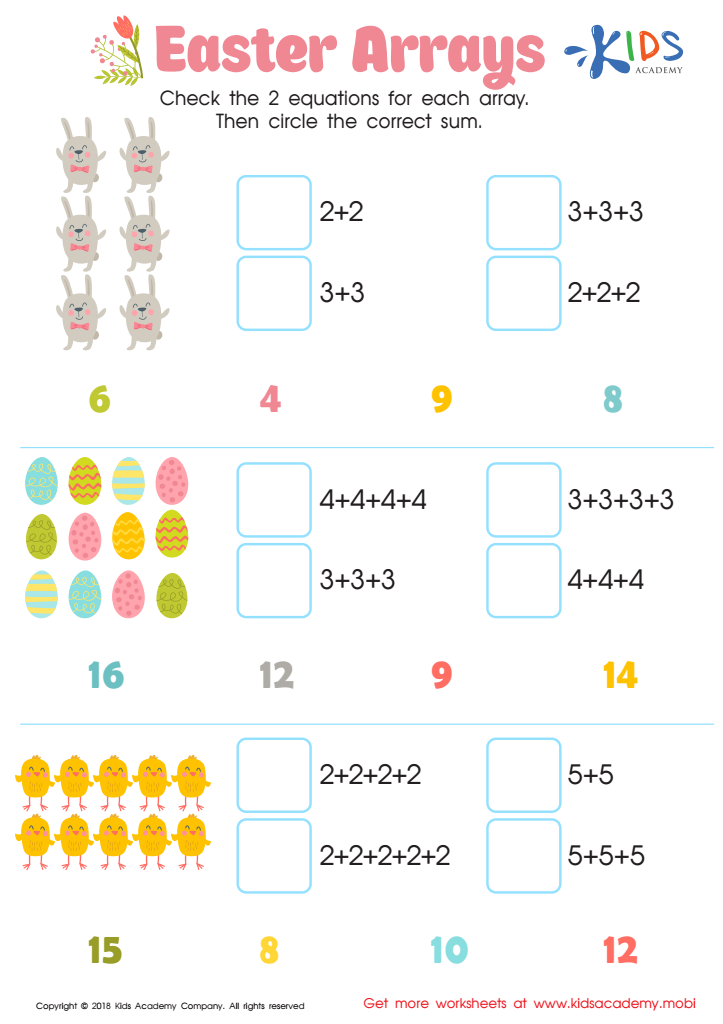
Easter Arrays Worksheet
 Assign to My Students
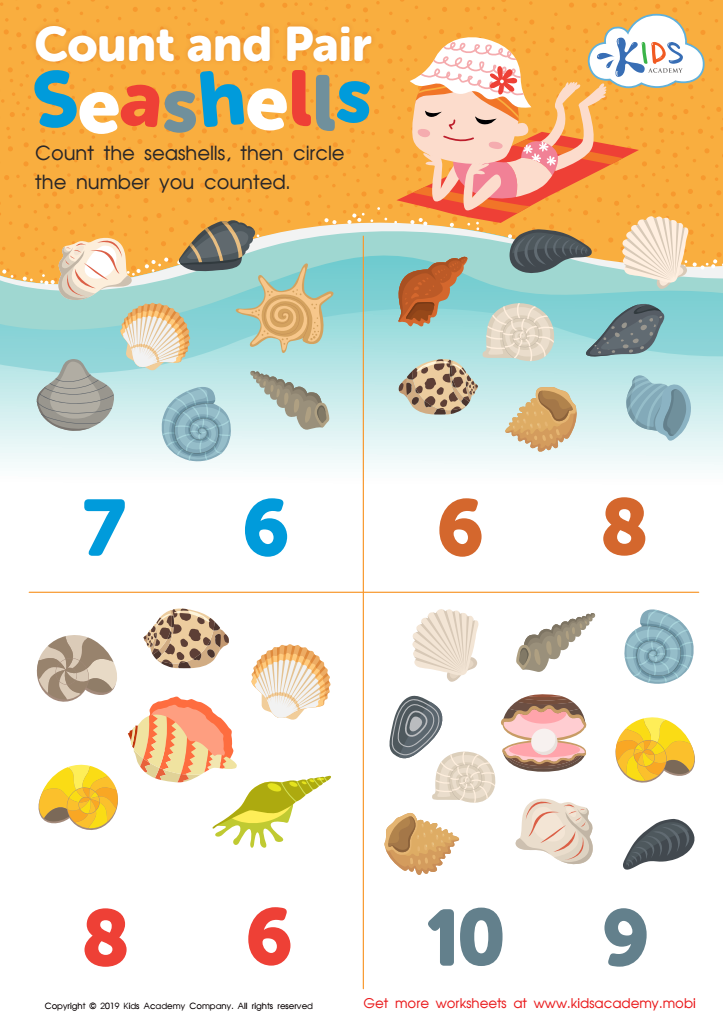
Count and Pair Seashells Worksheet
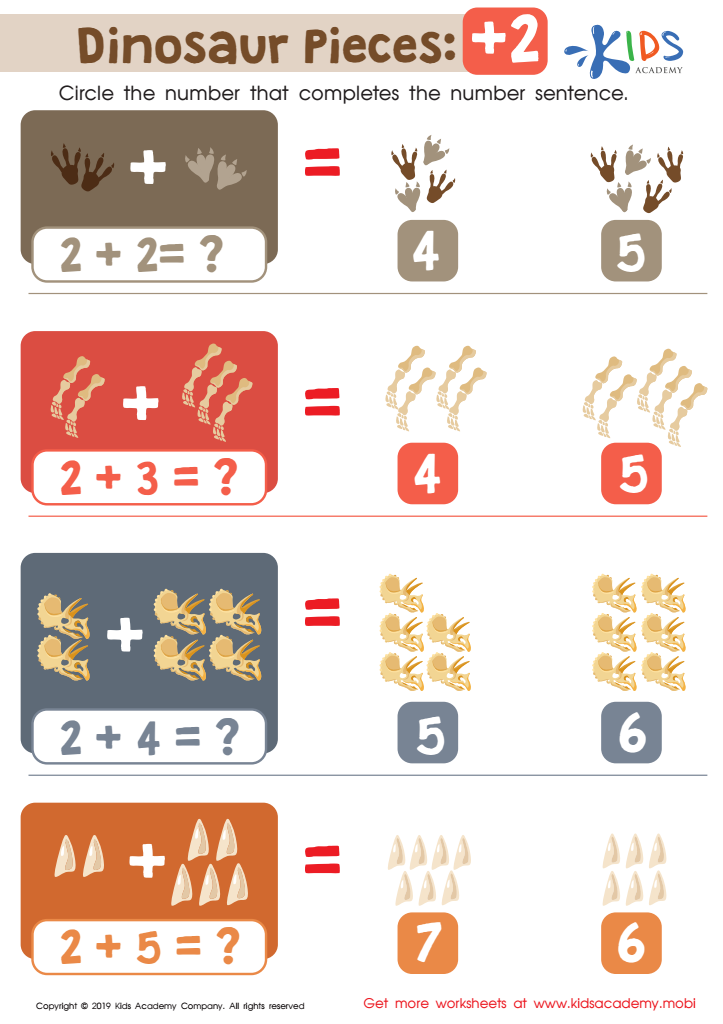
Dinosaur Pieces: +2 Worksheet
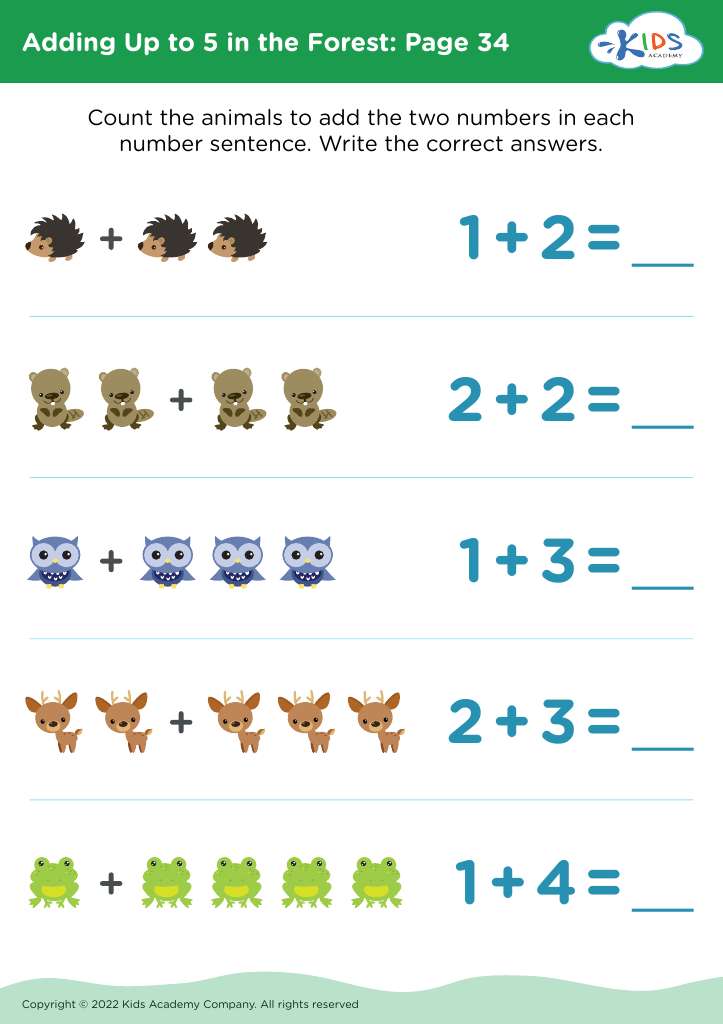
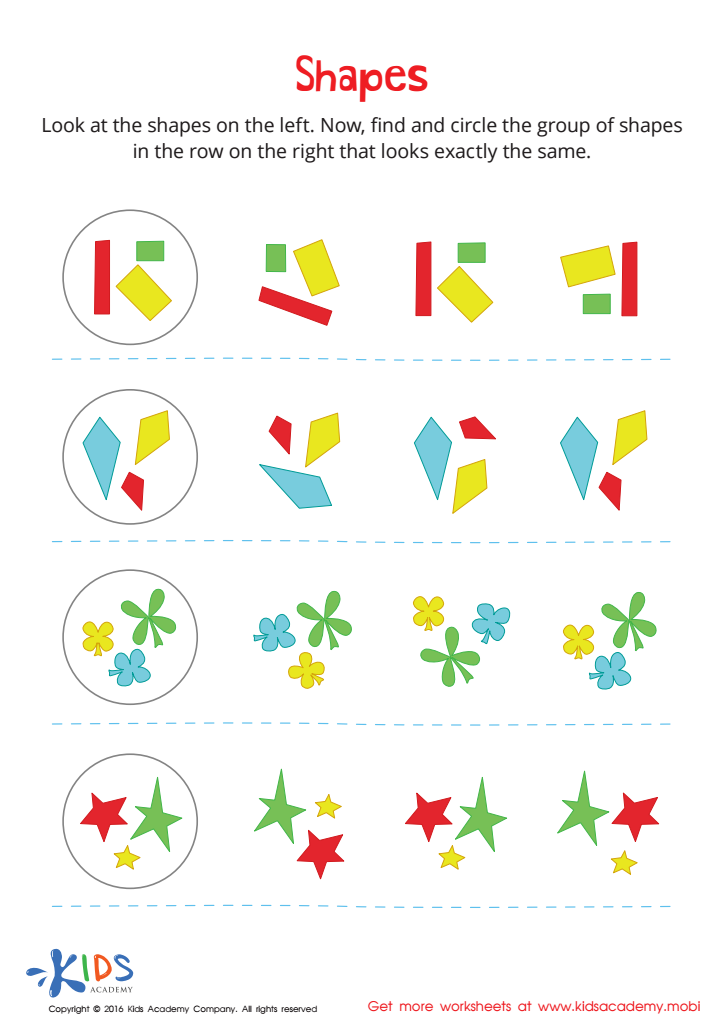
Shapes Worksheet

Kindergarten Number Tracing: Medow Flowers Worksheet








Parents and teachers should prioritize fine motor development in mathematics for children aged 5-8 because it lays the foundation for both academic success and essential life skills. Fine motor skills involve the coordination of small muscles in the hands and fingers, crucial for tasks like writing, manipulating objects, and performing precise tasks—all of which are integral to math learning. For example, cutting shapes, using manipulatives to solve problems, or even drawing graphs depend on strong fine motor abilities.
Furthermore, as children engage in hands-on math activities, such as sorting, measuring, or building shapes with blocks, they're not only practicing fine motor skills but also reinforcing mathematical concepts. This combination enhances their understanding of numbers, patterns, and spatial relations, fostering a more comprehensive grasp of math.
Moreover, activities that improve fine motor skills can boost children's confidence—when they can physically manipulate items and successfully solve problems, it encourages a positive attitude toward learning. This nascent confidence will benefit them beyond the classroom, influencing their approach to challenges throughout life. Therefore, supporting fine motor development in math is a dual investment in both cognitive and motor skills, essential for holistic child development.








