Improve counting skills Math Worksheets for Ages 5-8 - Page 3
53 filtered results
-
From - To
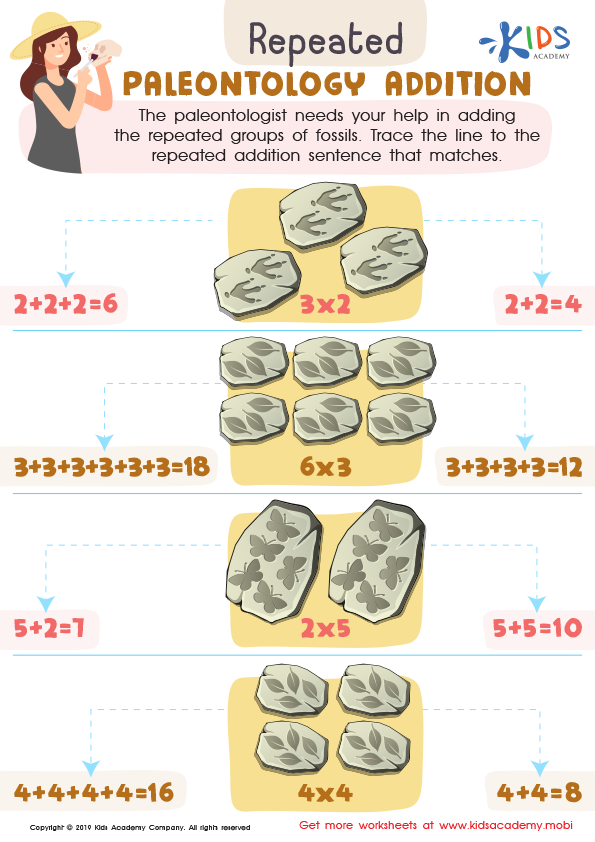
Repeated Archaeology Addition Worksheet
 Assign to My Students
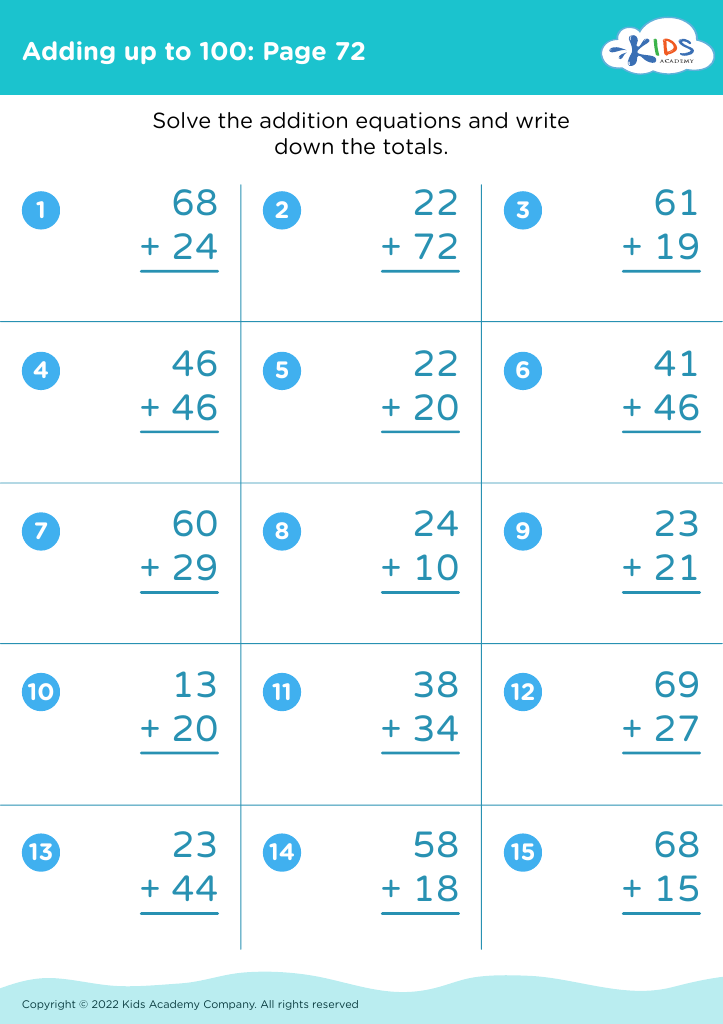
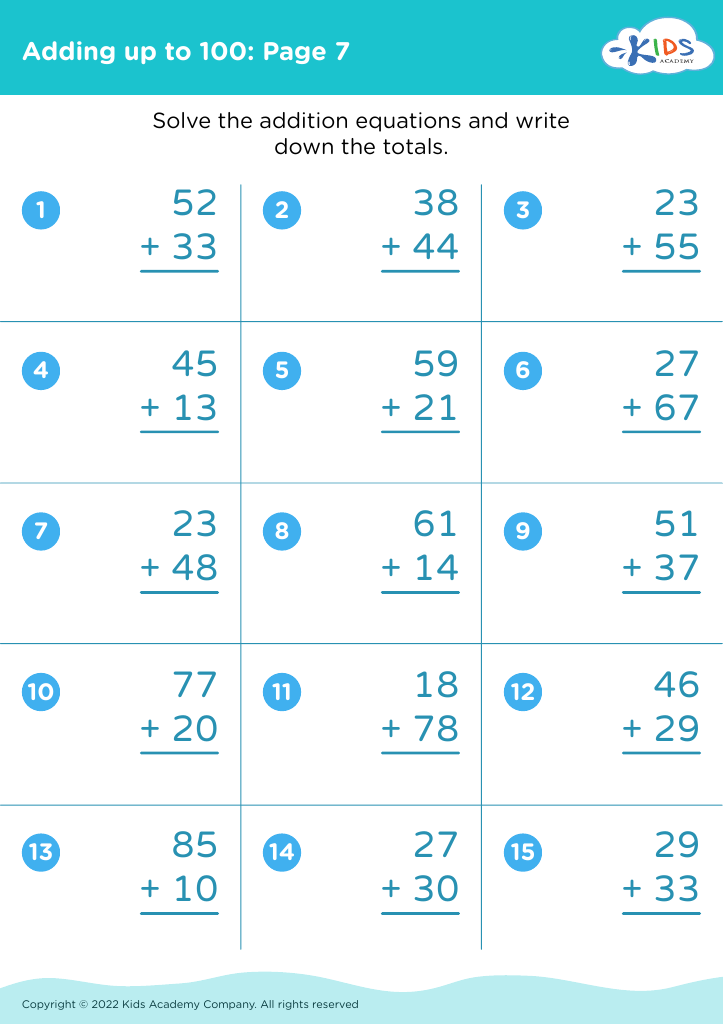
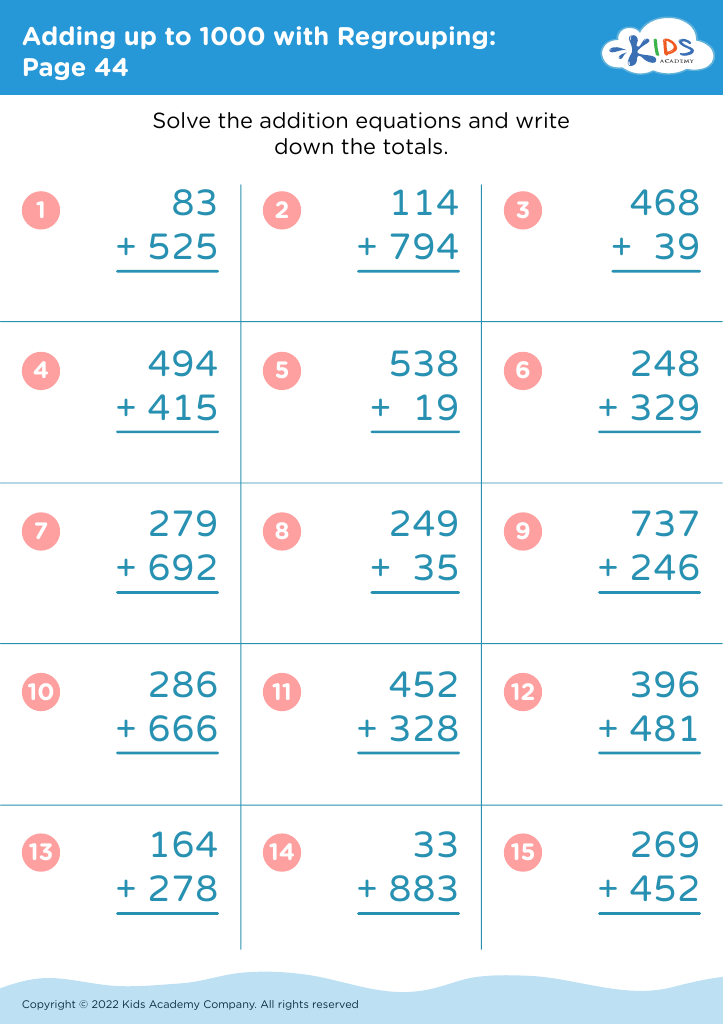
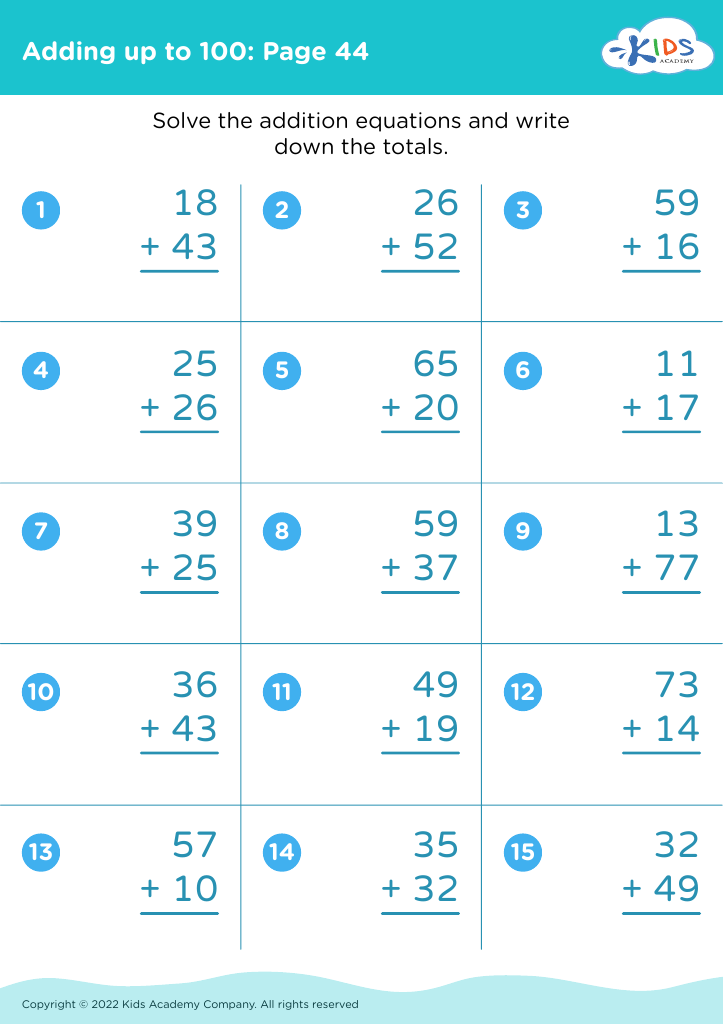








Improving counting skills in children aged 5 to 8 is essential for their overall development and future success in mathematics. During this critical period, foundational math skills are established, laying the groundwork for more advanced concepts. Mastering counting enhances a child's ability to recognize numbers and understand quantity, providing them with essential tools for learning addition, subtraction, and later, multiplication and division.
Moreover, counting skills promote cognitive development and problem-solving abilities. Engaging in activities that involve counting helps children develop logic and reasoning, skills that extend beyond math into other areas of learning. Parents and teachers can foster a love for numbers by incorporating fun counting games into everyday interactions, thus making math enjoyable rather than intimidating.
Additionally, strong counting skills contribute to increased confidence in young learners. When children grasp basic math concepts, they feel more empowered to tackle challenging subjects, reducing anxiety as they progress through school. Since math is often seen as a crucial component of academic success, investing time in improving counting skills ensures that children are well-prepared for future studies and real-life scenarios. Fostering these skills will lead to lifelong benefits, helping shape thoughtful problem solvers for the future.








