
Improving mental arithmetic Math Worksheets for Ages 5-8
3 filtered results
Difficulty Level
Grade
Age
-
From - To
Subject
Activity
Standards
Enhance your child’s mathematical abilities with our "Improving Mental Arithmetic" math worksheets, specifically designed for ages 5-8. Tailored to develop quick thinking and problem-solving skills, these printable activities transform learning math into an exciting adventure. Featuring colorful and engaging exercises that focus on addition, subtraction, multiplication, and division, these worksheets are perfect for fostering a love for numbers. Structured to support kids at different learning stages, they build a strong foundation in mental arithmetic. Whether at home or in the classroom, watch your young learners gain confidence and achieve rapid progress in their math skills!
Favorites
With answer key
Interactive
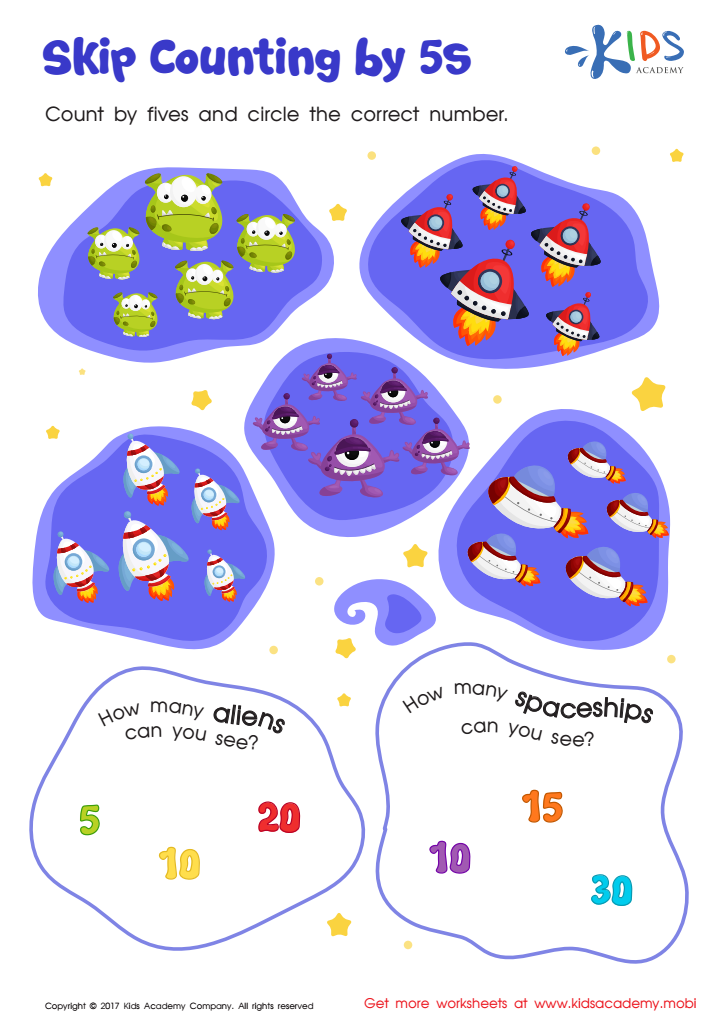
Skip Counting by 5s: Aliens and Spaceships Printable
Your child will love taking an intergalactic adventure as they practice skip counting by 5's with this worksheet! It'll help them identify and recognize large groups of numbers, categorize objects to count them, and prepare them for math concepts like multiplication. And with silly space graphics, they'll be motivated for more practice!
 Assign to My Students
Skip Counting by 5s: Aliens and Spaceships Printable
Worksheet
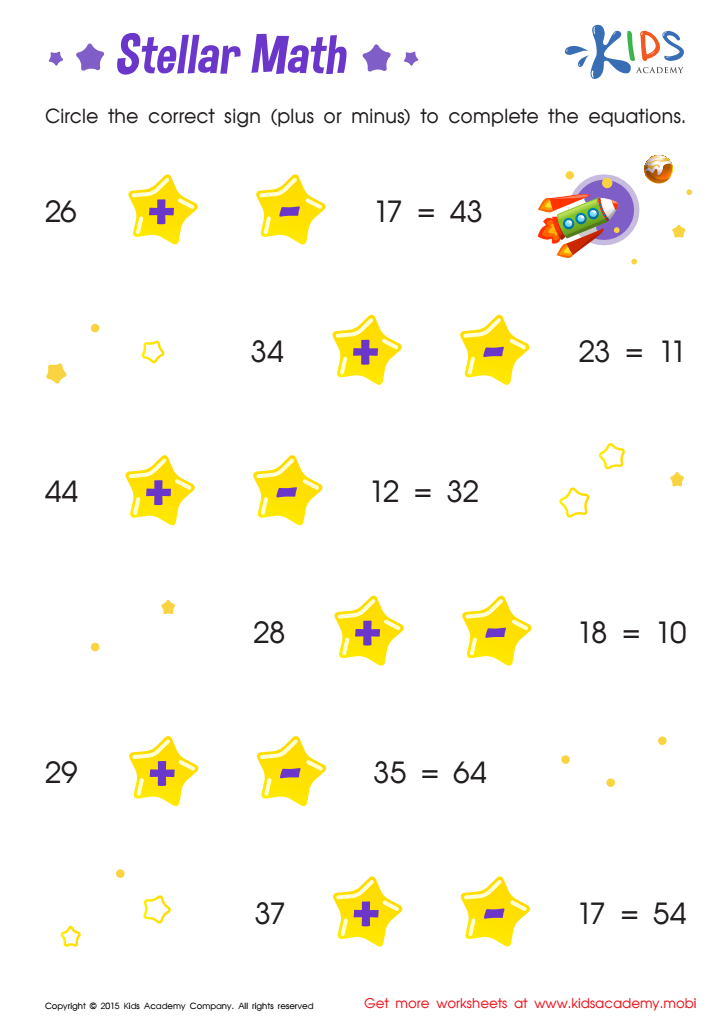
Stellar Math Substraction Worksheet
This worksheet offers more than just subtraction- your little learner can practice addition too! It will help them use number sense and mental math, as well as logical reasoning strategies, to complete the equations. With this worksheet, they'll use higher level thinking skills to determine which sign (plus or minus) is needed. Plus, they'll improve their cognitive skills too! Check out our rich collection of math worksheets for a fun and exciting math experience.
Stellar Math Substraction Worksheet
Worksheet
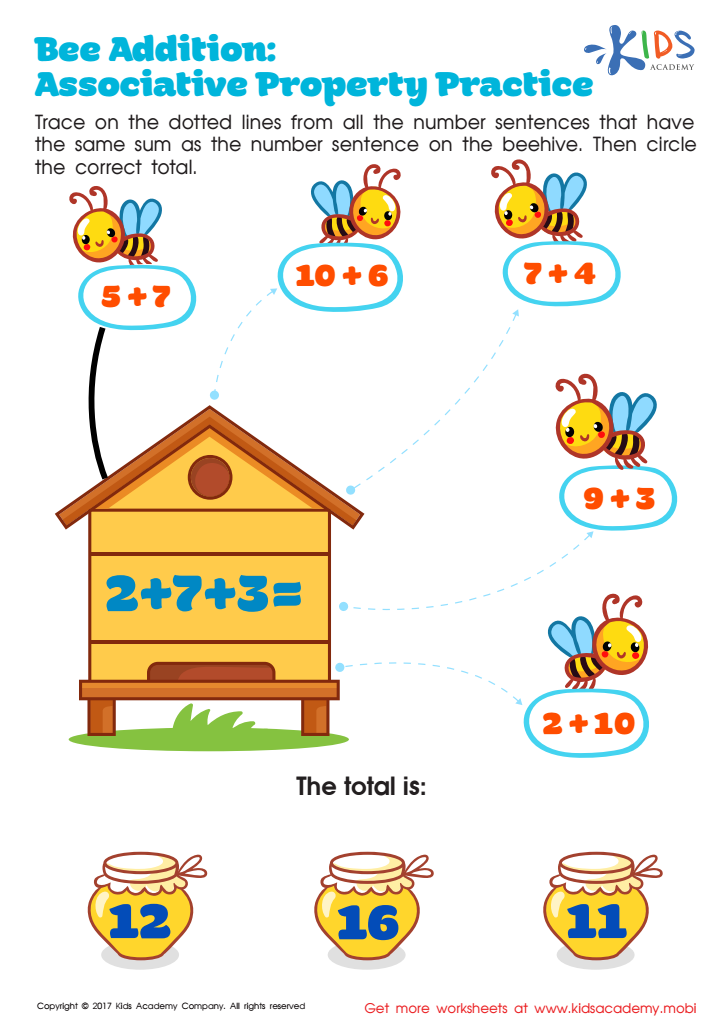
Bee Addition: Associative Property Practice Worksheet
Come to the beehive to practice the associative property of addition! This worksheet will help your child better understand addition facts. Compare equations to the 3-digit problem in the hive, solve each to find the correct answers, and trace the dotted line to show the worker bees home. Complete the sheet to find all the matching equations!
Bee Addition: Associative Property Practice Worksheet
Worksheet
Learning Skills
Join Kids Academy for Free
Who is primarily going to use this learning content?


.jpg)
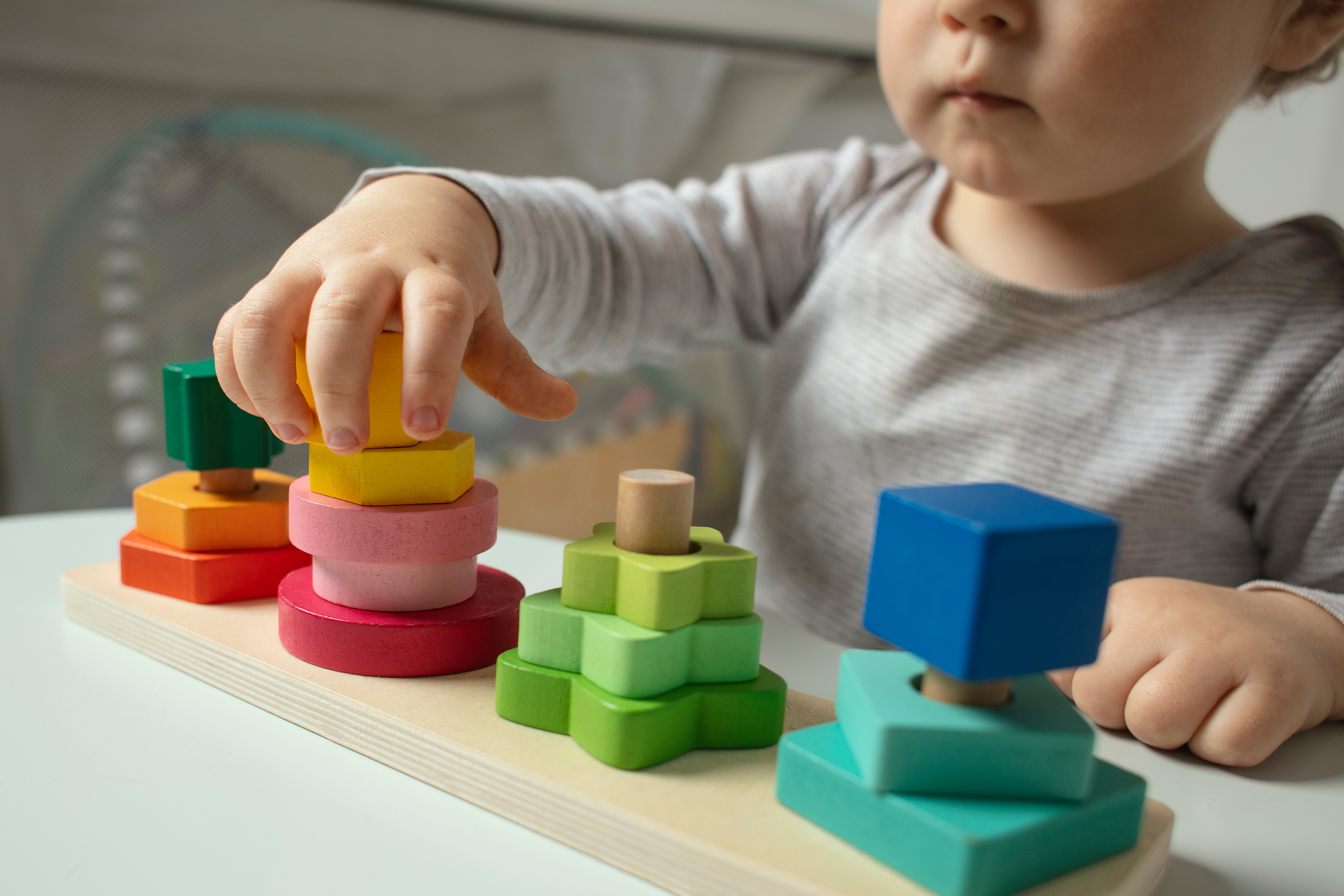




Improving mental arithmetic in children ages 5-8 is crucial for several reasons. During these formative years, children's brains are highly receptive and capable of developing foundational skills that will support their future learning. Enhanced mental arithmetic ability helps promote cognitive development by improving memory, concentration, and problem-solving skills. When children practice mental math, they develop critical thinking skills, learn to make connections between numbers, and recognize patterns, which are essential for higher-level math concepts.
Moreover, mastering mental arithmetic boosts children's confidence and fosters a positive attitude toward math. Early success in math can create a sense of achievement that encourages a lifelong interest in the subject. This confidence extends beyond mathematics, as it influences their overall academic performance and willingness to tackle new challenges.
For parents and teachers, focusing on mental arithmetic also means equipping children with practical life skills. Quick mental calculations are useful in daily situations such as counting change, measuring ingredients in recipes, or keeping track of time. As such, promoting mental arithmetic helps children become more independent and proficient in practical tasks.
In summary, emphasizing mental arithmetic for young children enhances cognitive development, builds confidence, sparks interest in math, and equips them with valuable life skills essential for academic and personal success.








