
Improving reading skills Math Worksheets for Ages 5-8
6 filtered results
Difficulty Level
Grade
Age
-
From - To
Subject
Activity
Standards
Boost your child's reading and math abilities with our specially designed "Improving Reading Skills Math Worksheets for Ages 5-8." These worksheets seamlessly integrate reading comprehension and math problems, helping young learners strengthen both skills simultaneously. Each activity challenges children to read, understand, and solve math problems, enhancing critical thinking and problem-solving abilities. By blending literacy and numeracy objectives, our worksheets provide a balanced approach to learning, ensuring kids stay engaged and motivated. Ideal for early grade students, these resources are perfect for parents and teachers aiming to support their child's educational journey. Unlock their potential today!
Favorites
With answer key
Interactive
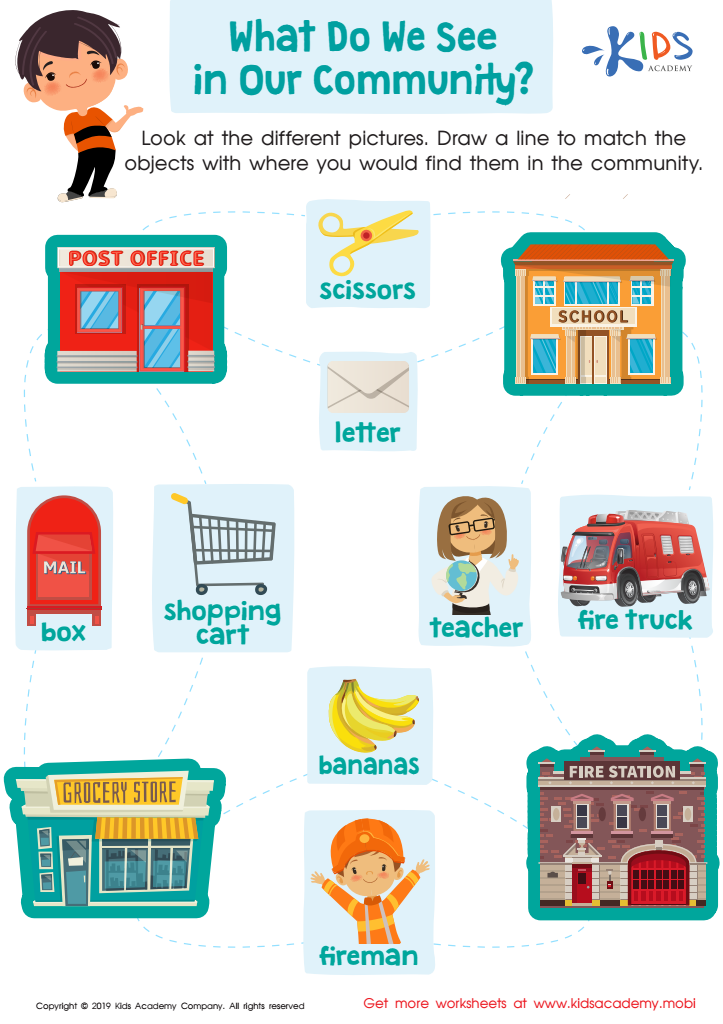
What Do We See in our Community? Worksheet
Kids can learn about citizenship and their place in the world by studying their communities. This free worksheet is a fun way to do it - kids match pictures to what they find in their local community. They can trace the lines to show where they would spot the objects. It's an excellent way to get to know their environment!
 Assign to My Students
What Do We See in our Community? Worksheet
Worksheet
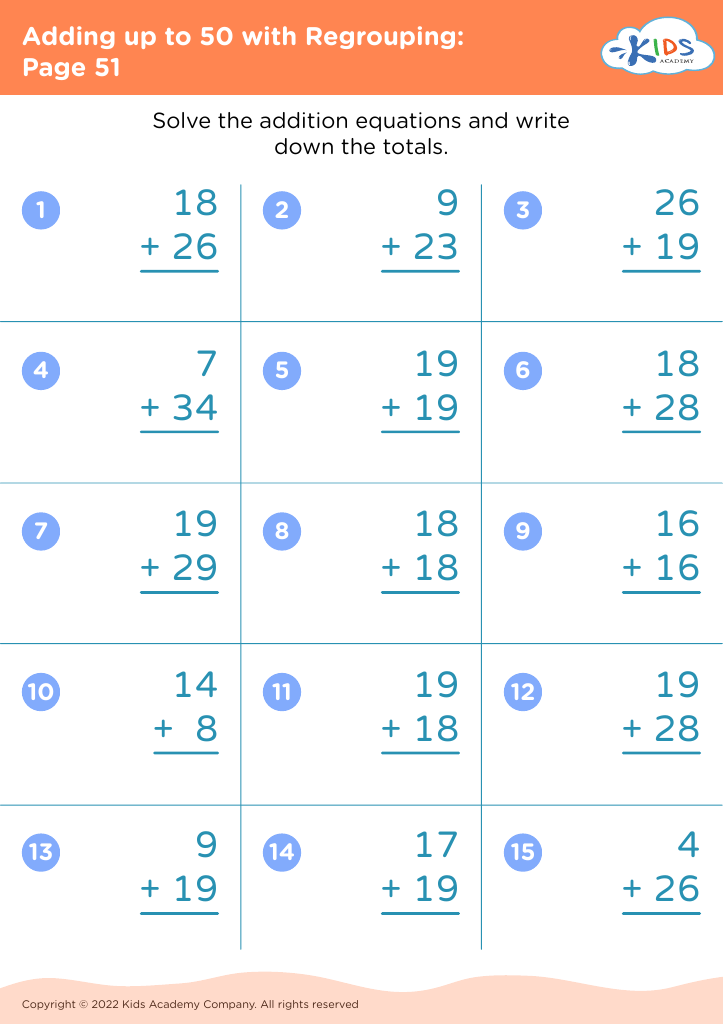
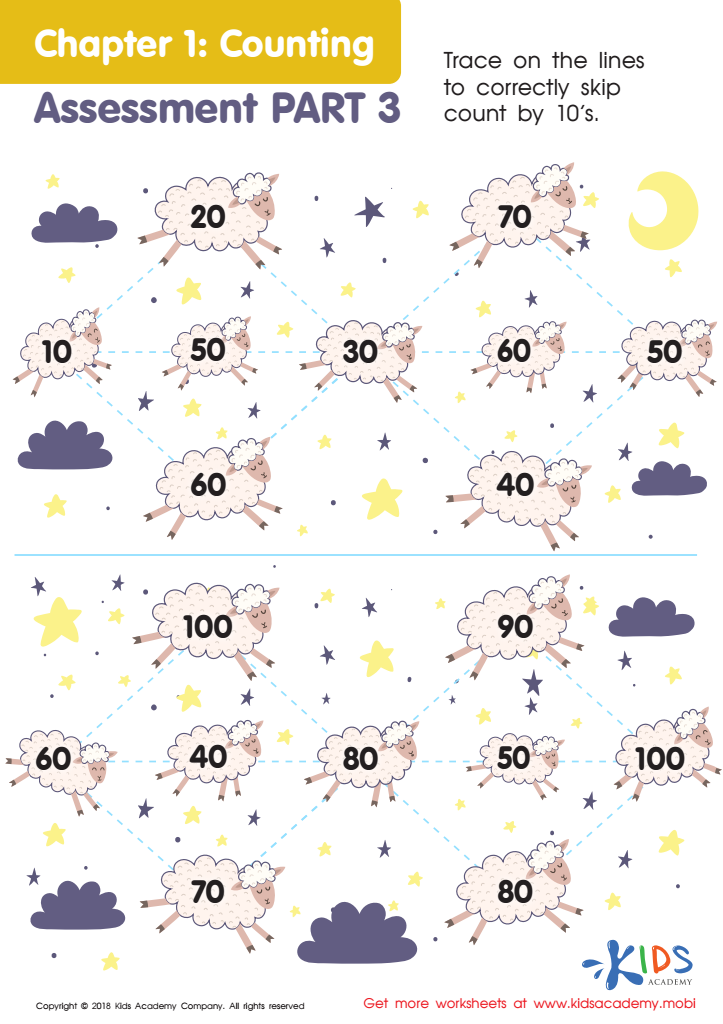
Counting: Assessment 3 Worksheet
This worksheet is great for assessing your child's counting skills. It's a bit more challenging than the usual 'count to fifty' exercises. Have them trace the lines and skip count by 10's to help them learn counting in tens.
Counting: Assessment 3 Worksheet
Worksheet
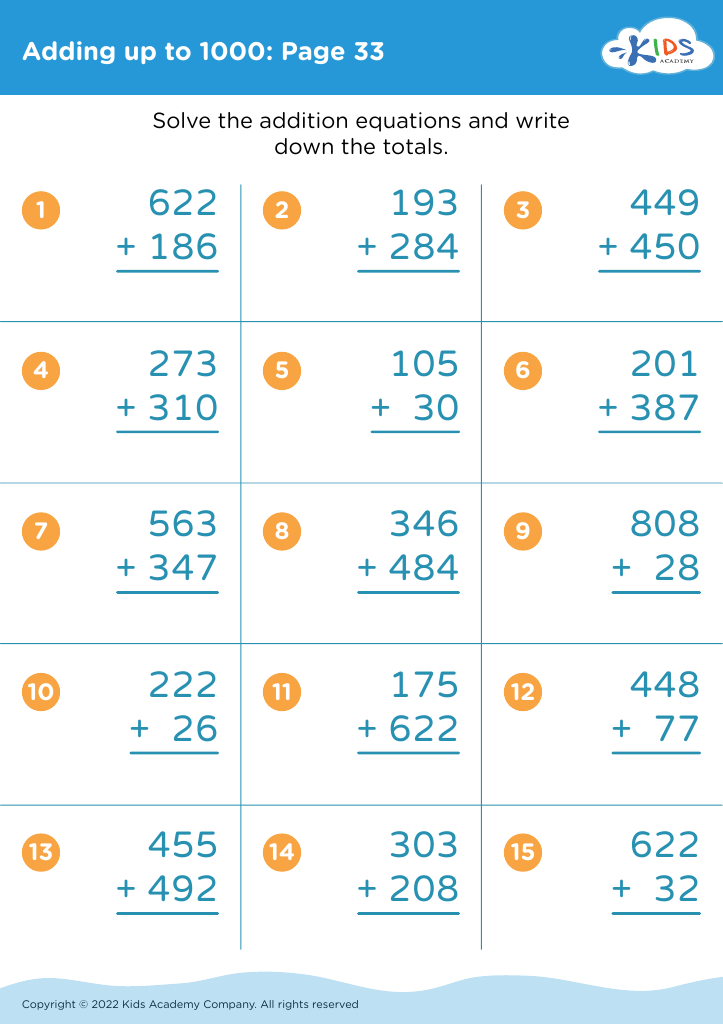
Join Kids Academy for Free
Who is primarily going to use this learning content?







Parents and teachers play a critical role in developing reading and math skills in children ages 5-8 because these foundational years set the stage for all future learning. During this period, children's brains are highly pliable and absorb new information quickly. Strong reading skills enhance language development, comprehension, and cognitive abilities, fostering a love for learning and improving academic performance across all subjects. Early proficiency in reading enables children to understand instructions, solve problems, and interact more effectively with their environment.
Math skills are equally vital; early math proficiency predicts later academic success even more than early reading skills. Fundamental math concepts such as addition, subtraction, and understanding numbers build the groundwork for complex problem-solving and logical reasoning. Developing early math skills supports brain development linked to reasoning, memory, and effective processing of information.
Moreover, these skills promote self-confidence and independence. Children who struggle early on may experience frustration and develop a negative attitude toward education, which can have long-term impacts. Thus, improving reading and math skills at this crucial age not only equips children with the tools for academic success but also fosters essential life skills that contribute to their overall development and well-being. By investing time and effort in nurturing these skills, parents and teachers set children on a path of lifelong learning and achievement.








