Letter Tracing Practice Math Worksheets for Ages 5-8
3 filtered results
-
From - To
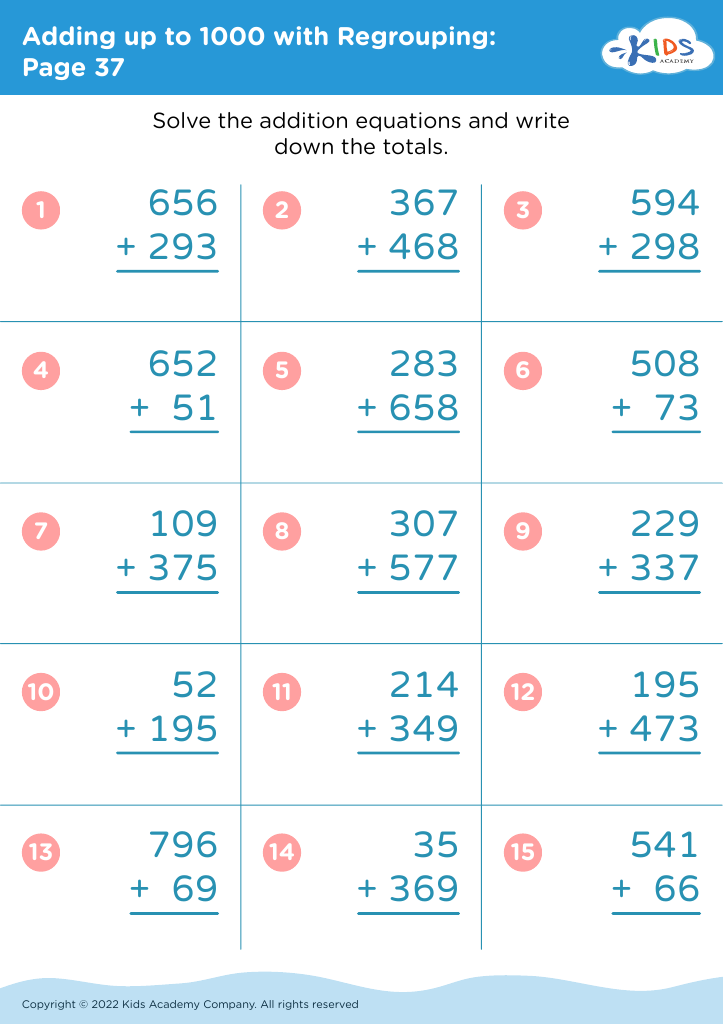
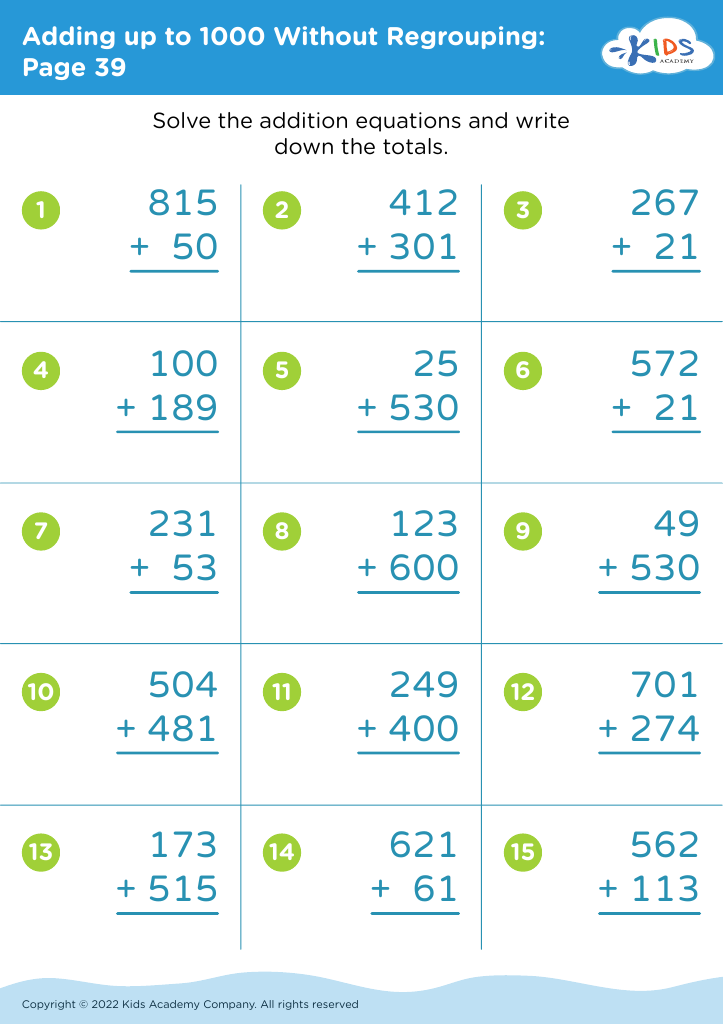
Boost your child's writing and math skills with our comprehensive Letter Tracing Practice Math Worksheets, tailored for ages 5-8. These engaging worksheets combine essential letter tracing with fundamental math concepts, offering a dual approach to learning. Each worksheet provides a fun, interactive way for young learners to improve their handwriting while reinforcing basic math skills such as counting, simple addition, and pattern recognition. Perfect for both classroom and home use, our well-structured activities support kids in mastering core skills through practice and repetition in an entertaining format they’ll enjoy. Download, print, and watch your child’s skills flourish!
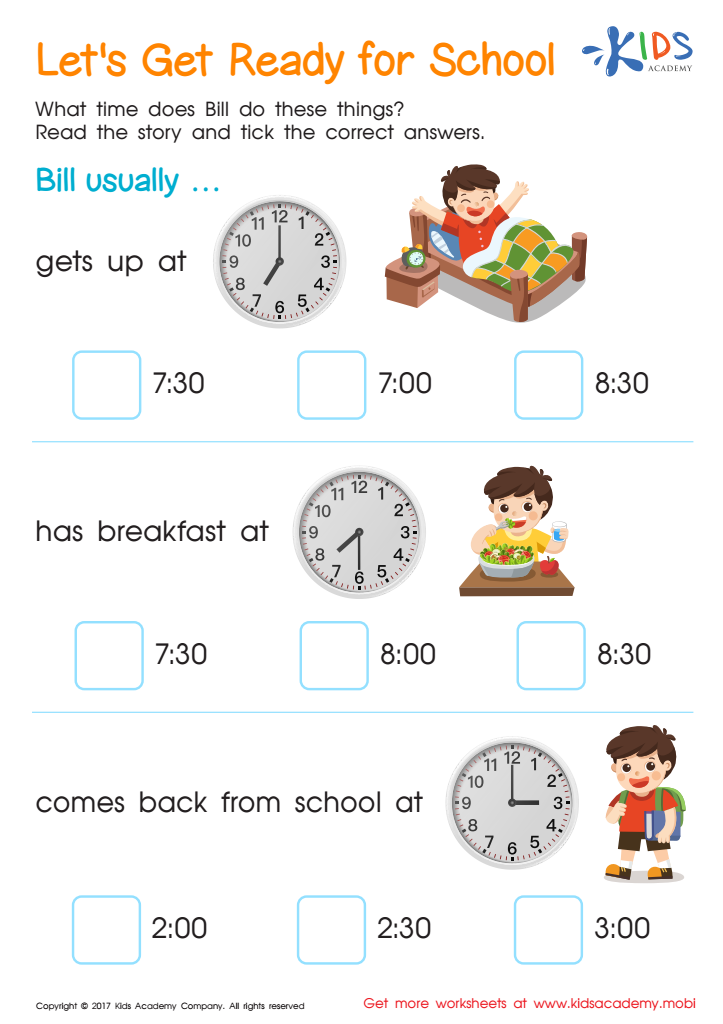
Lets Get Ready For School Time Printable
 Assign to My Students








Parents and teachers should be invested in Letter Tracing Practice Math for children aged 5-8 because it serves as a foundation for critical academic skills. At this formative age, children are developing fine motor skills, cognitive abilities, and early literacy and numeracy skills, all of which are crucial for their future educational success.
Firstly, letter tracing helps improve fine motor skills by guiding children to form letters correctly through repetition. This practice not only hones their hand-eye coordination but also promotes better handwriting, which is essential for effective communication.
Secondly, combining letter tracing with math concepts introduces children to a dual approach to learning essential skills. Tracing numbers and letters simultaneously reinforces number recognition and math literacy, fostering a balanced approach to learning. Activities like these can make abstract math concepts more concrete and relatable.
Moreover, these practices help enhance concentration and discipline, as tracing requires focused effort and attention to detail. When children engage in such learning activities, they experience a sense of accomplishment, boosting their confidence and motivation for learning.
In summary, Letter Tracing Practice Math equips children with necessary academic tools that lay a strong foundation for future learning. It supports the development of key skills, preparing them for more complex tasks and subjects in higher grades.








