Mathematical reasoning Math Worksheets for Ages 5-8
63 filtered results
-
From - To
Discover our engaging "Mathematical Reasoning Math Worksheets" designed specifically for children ages 5-8. These worksheets support young learners in developing essential skills such as problem-solving, logical thinking, and reasoning through fun and interactive activities. With a range of topics including shapes, patterns, and basic arithmetic, our resources make learning math enjoyable. Perfect for home or classroom use, these printable worksheets cater to diverse learning styles and levels, ensuring every child can thrive. Help your child build a solid mathematical foundation while fostering a love for learning. Start exploring today and watch their confidence grow alongside their math skills!
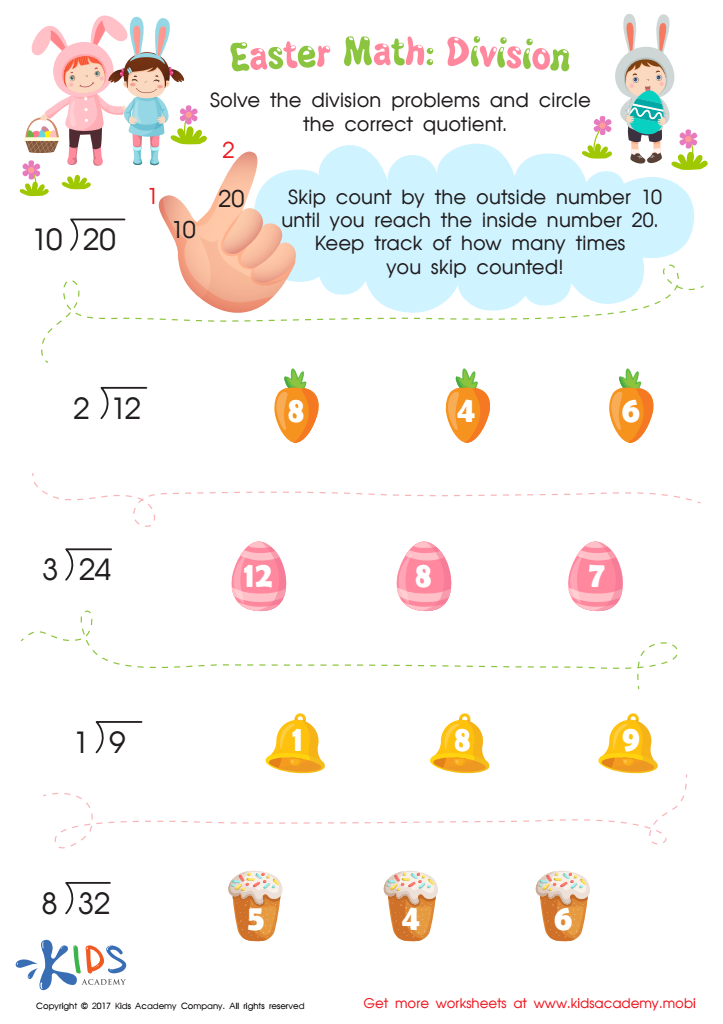
Division Worksheet
 Assign to My Students
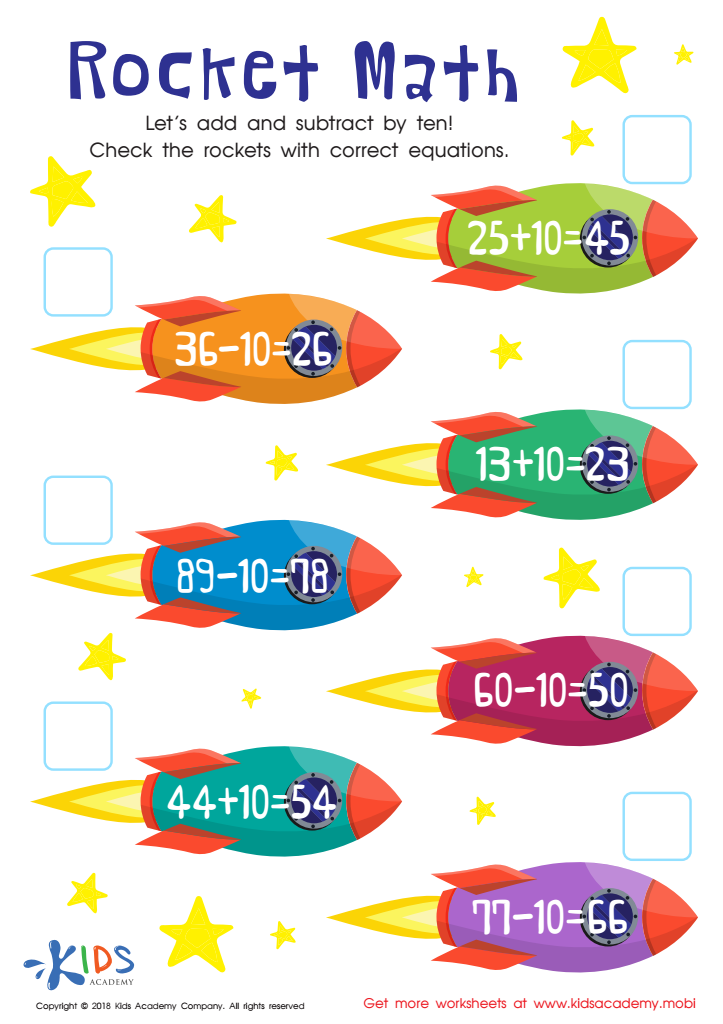
Rocket Math Worksheet
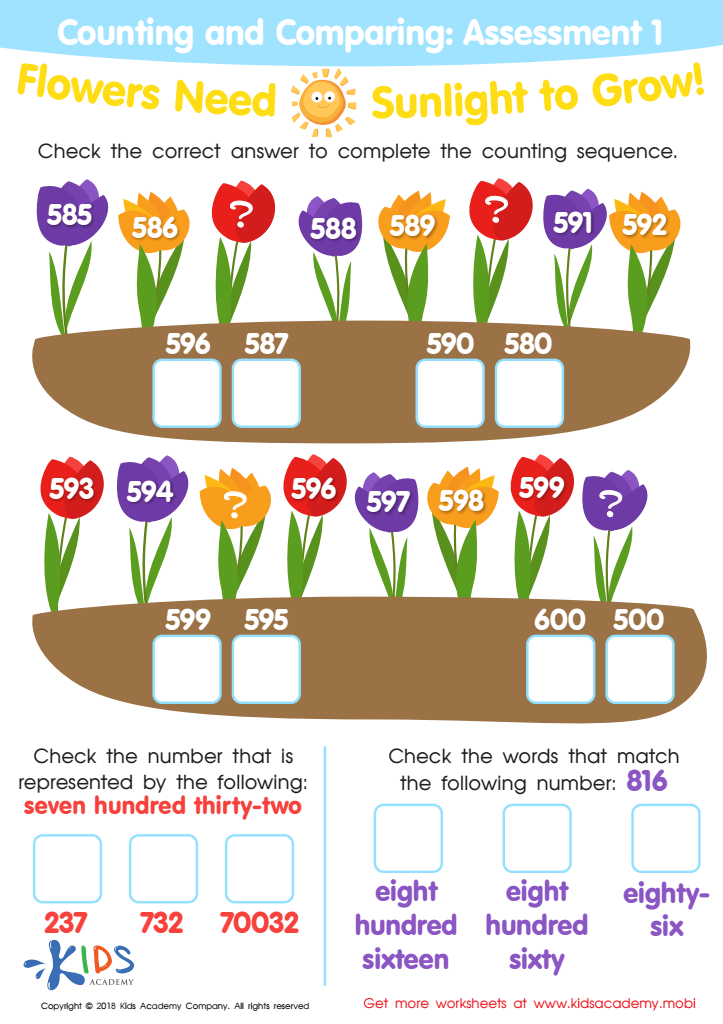
Counting and Comparing: Assessment 1 Worksheet
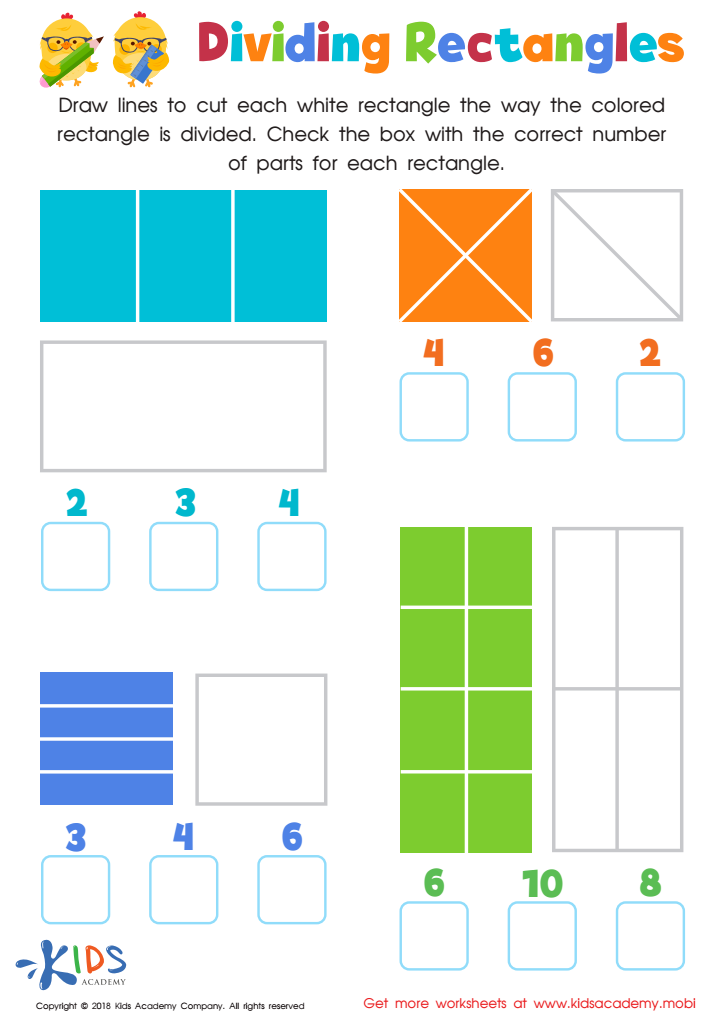
Dividing Rectangles Worksheet
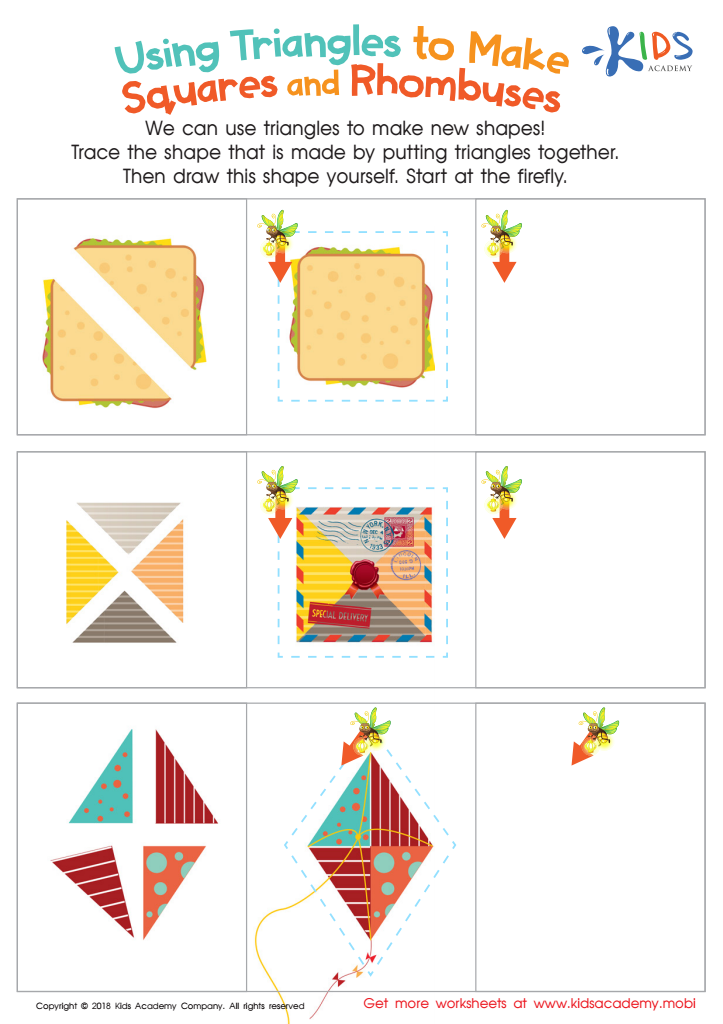
Using Triangles to Make Squares and Rhombuses Worksheet
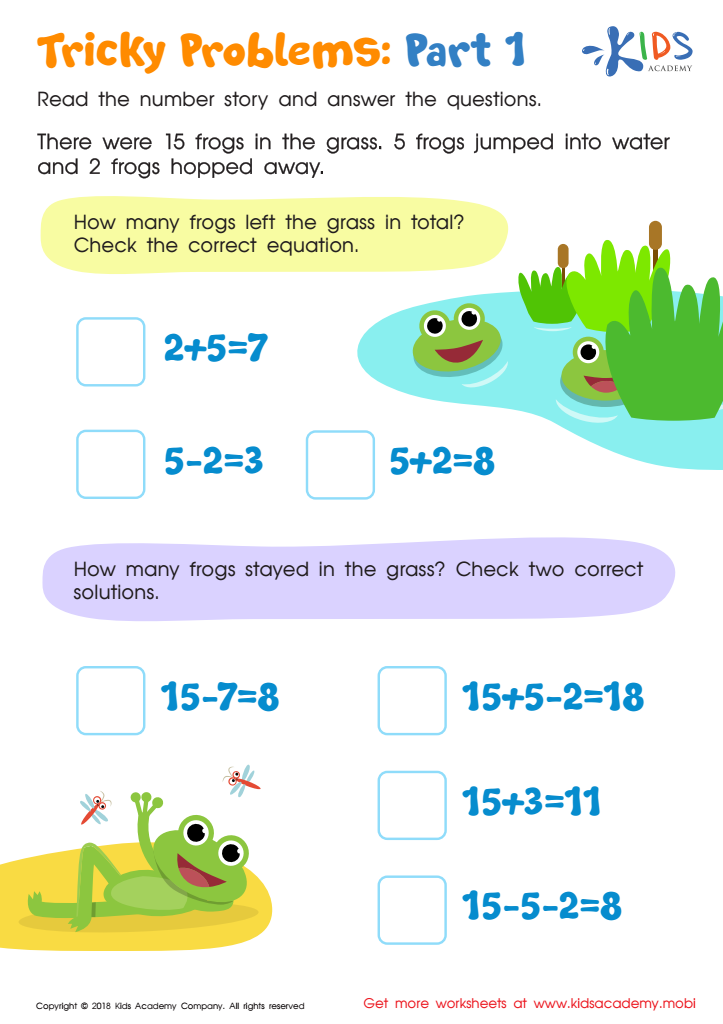
Tricky Problems Worksheet: Part 1
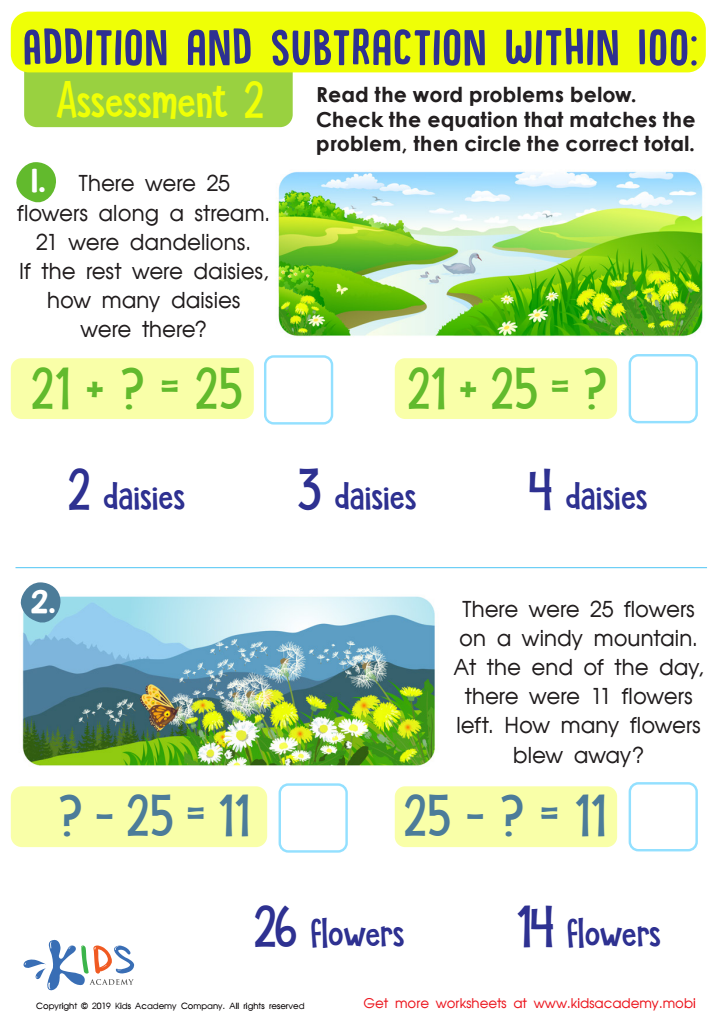
Assessment 2 Math Worksheet
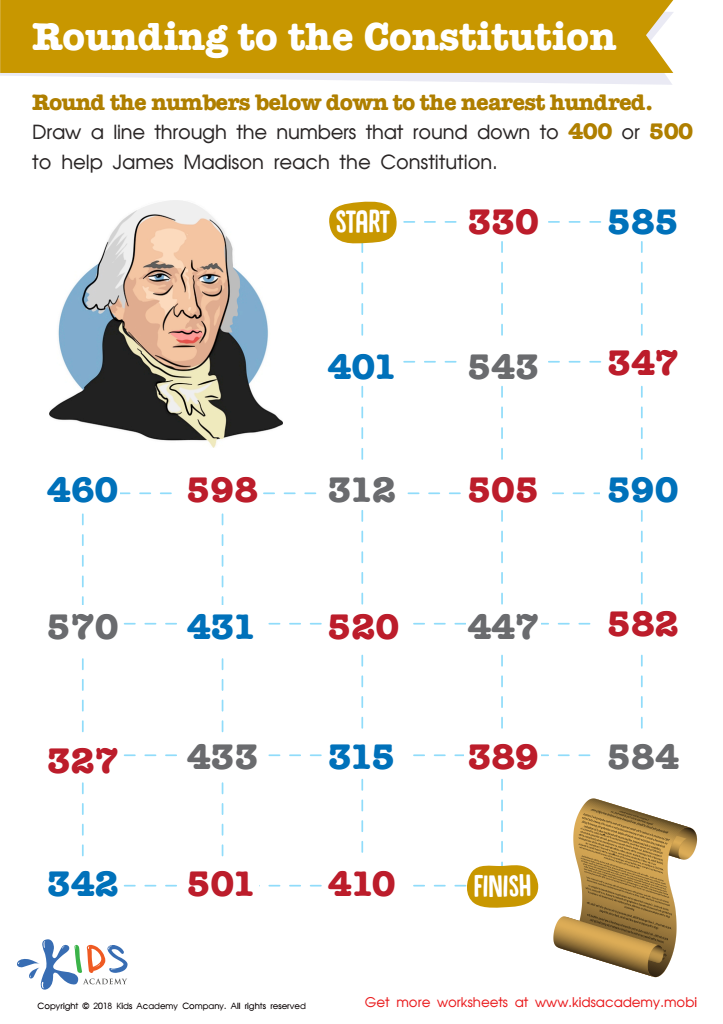
Rounding to the Constitution Worksheet
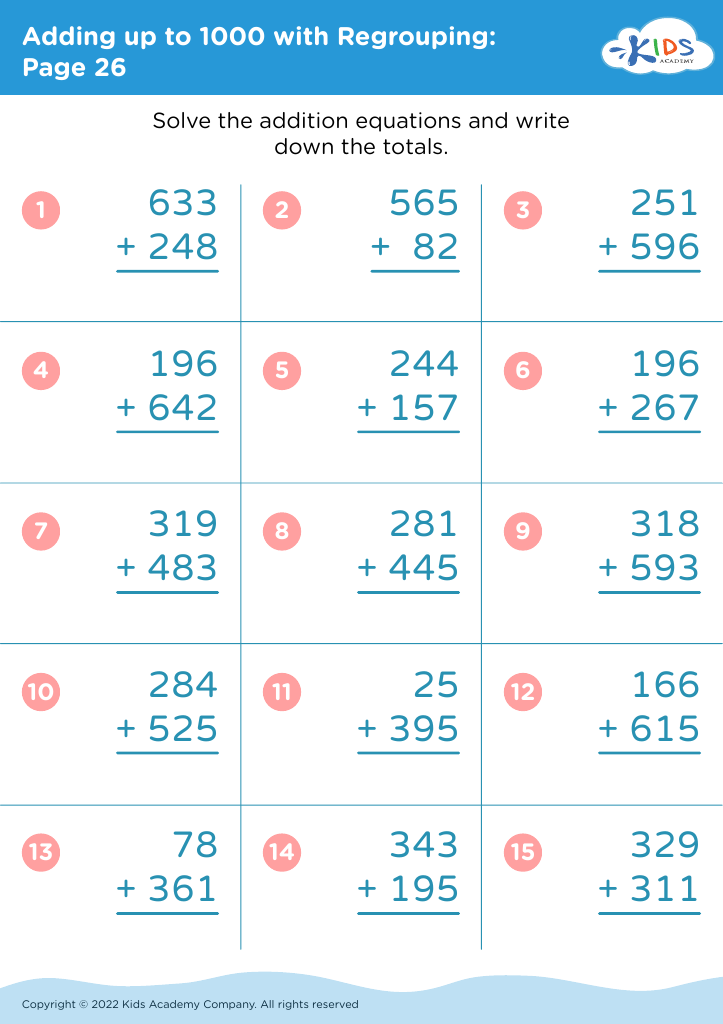
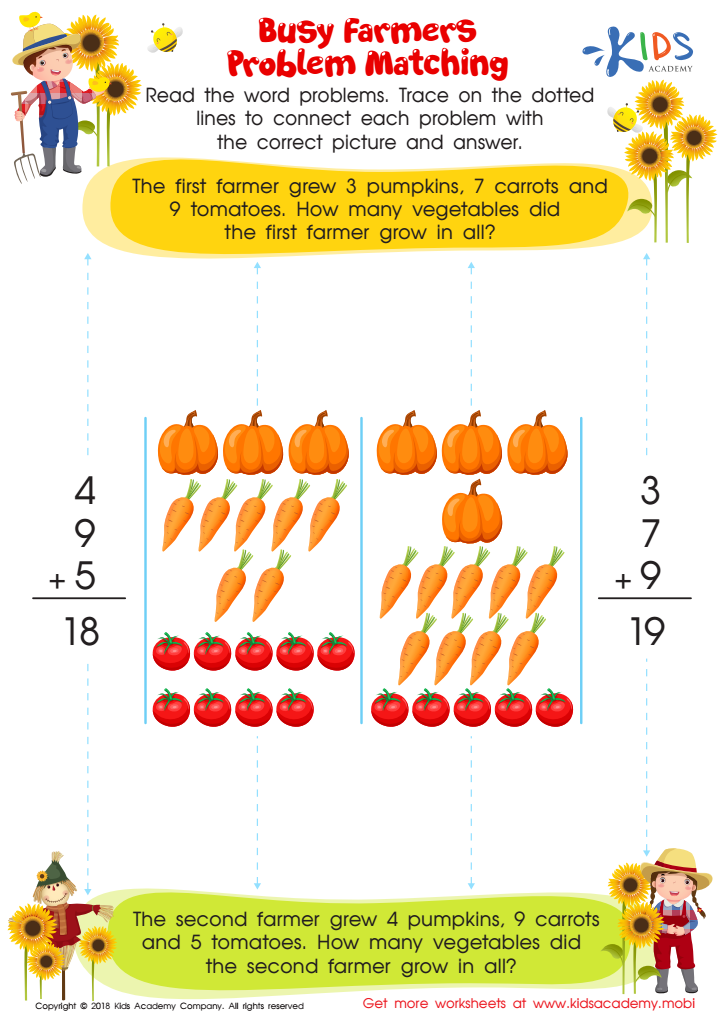
Busy Farmers: Problem Matching Worksheet
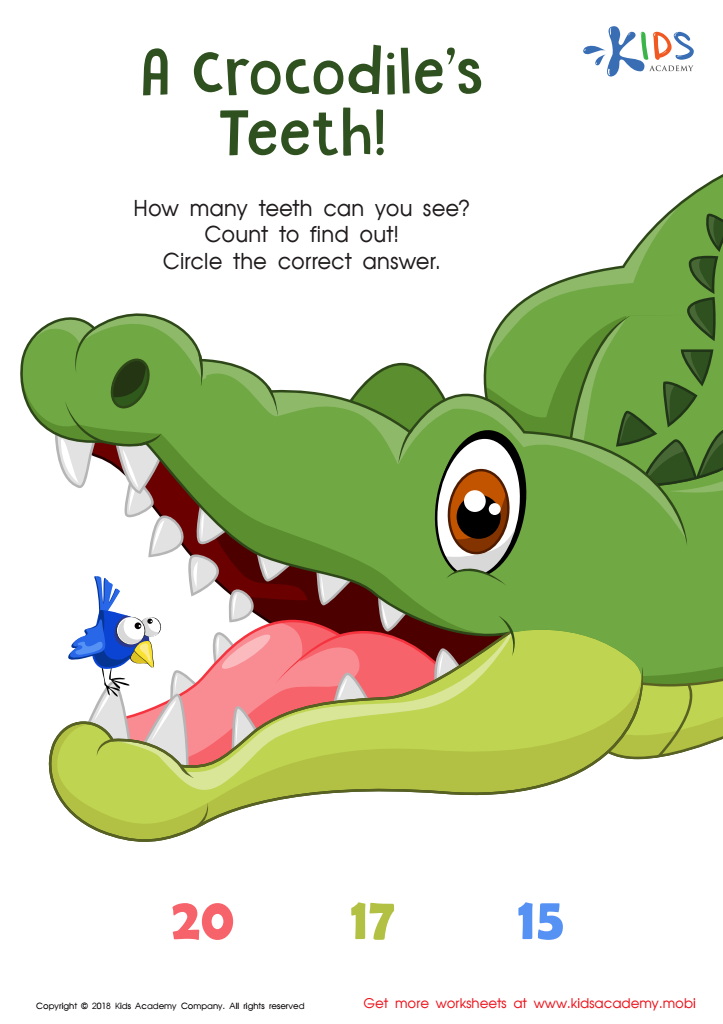
A Crocodile's Teeth Worksheet
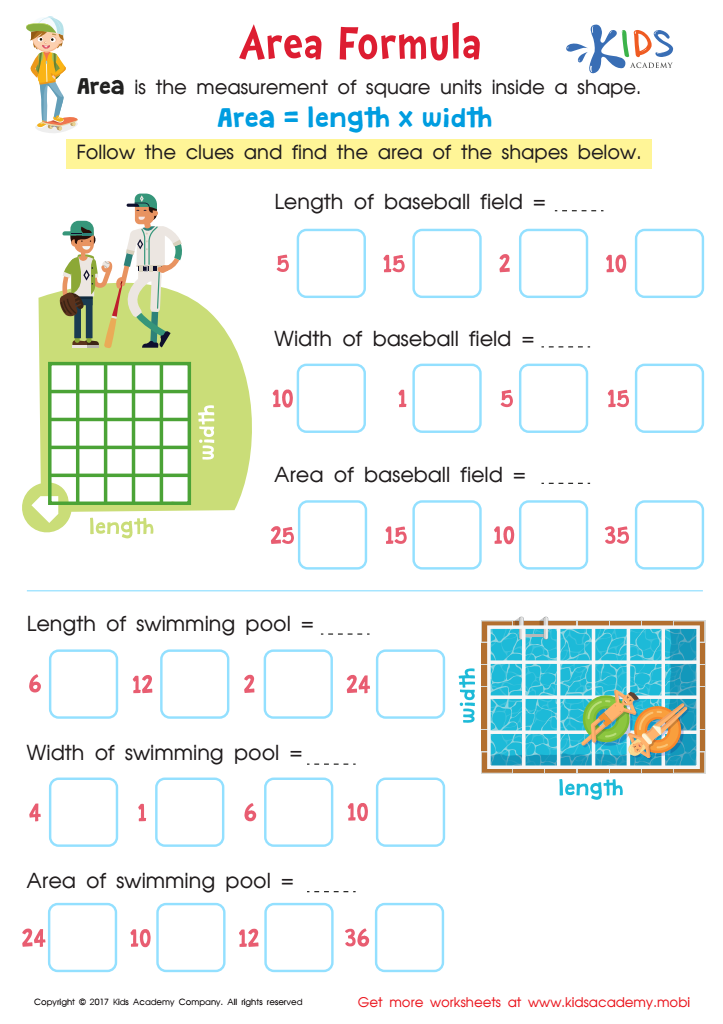
Area Formula Worksheet
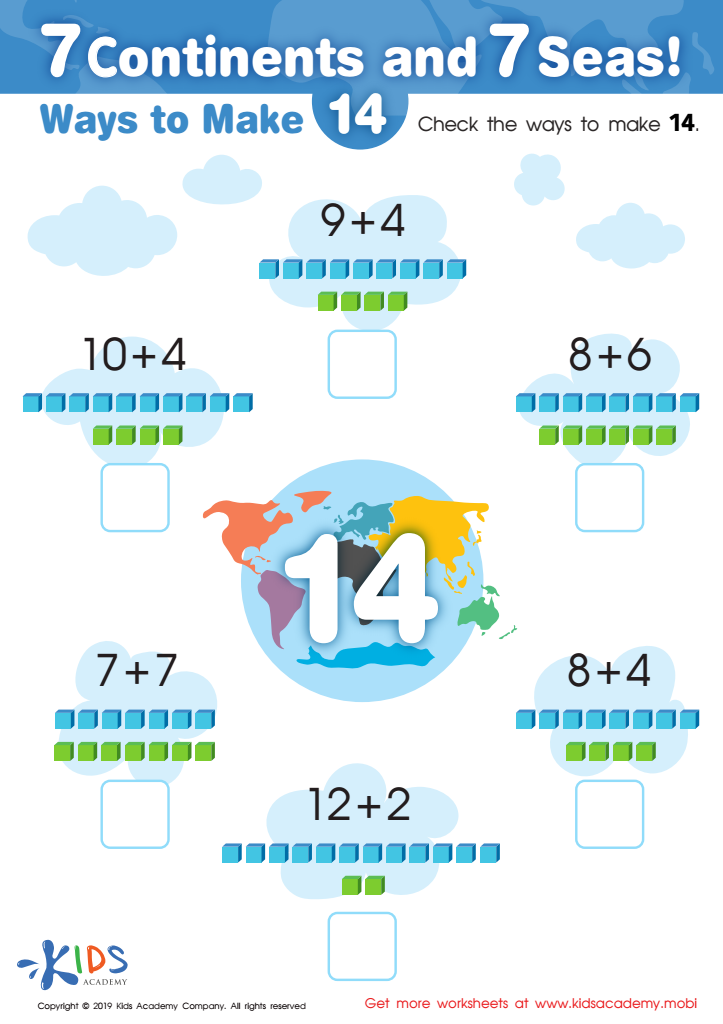
7 Continents and 7 Seas Worksheet
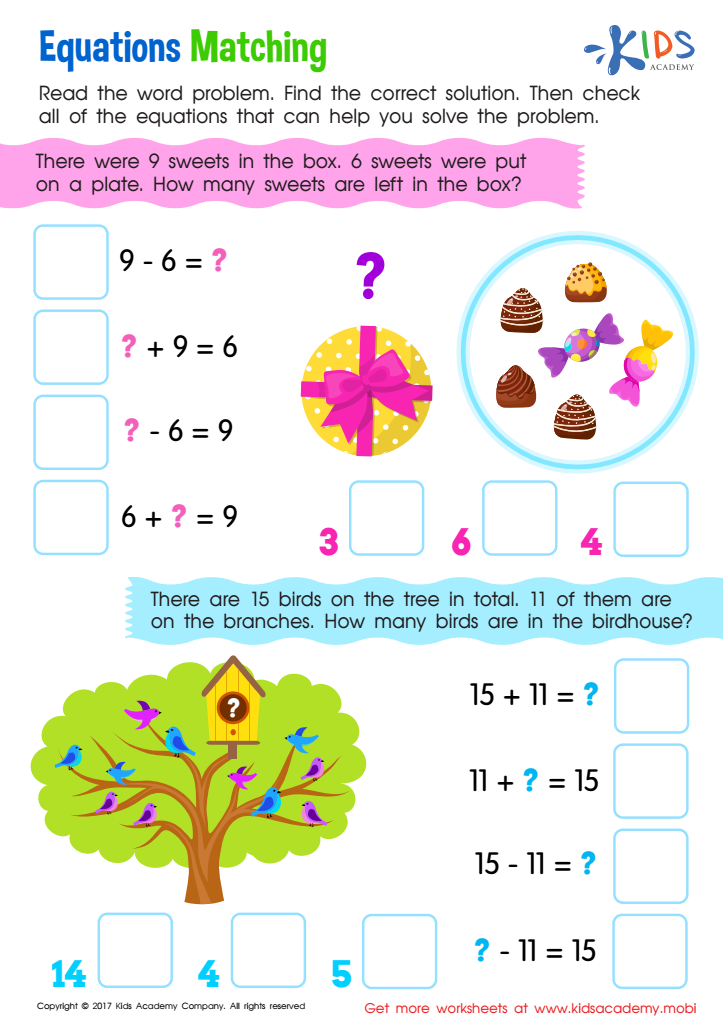
Equations Matching Word Problems Worksheet
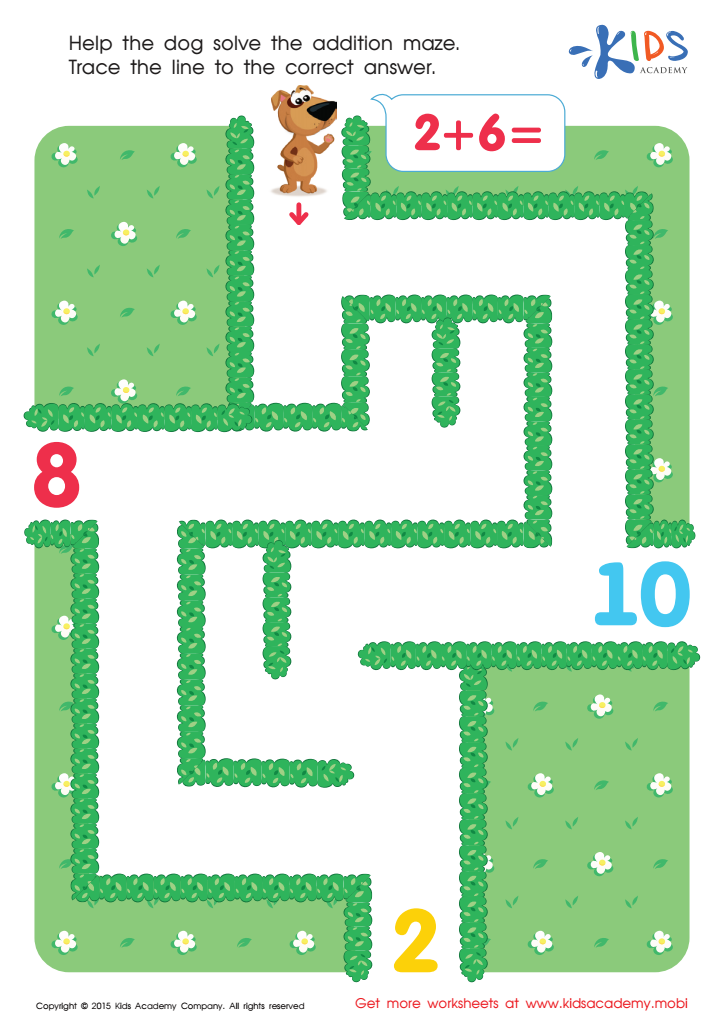
Two Plus Six Addition Worksheet
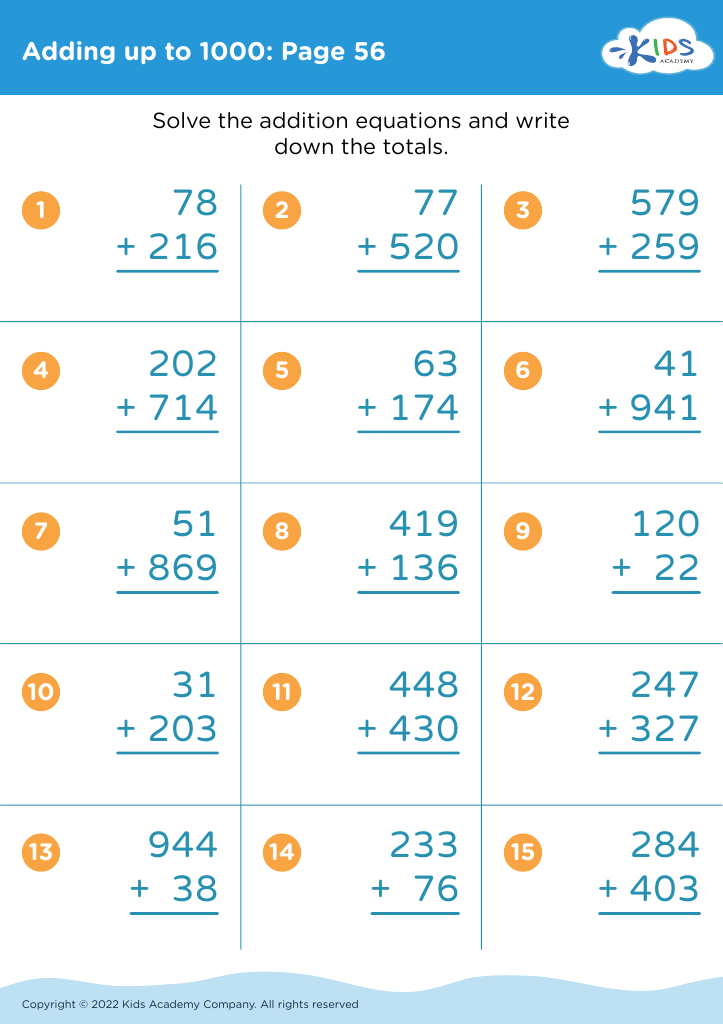
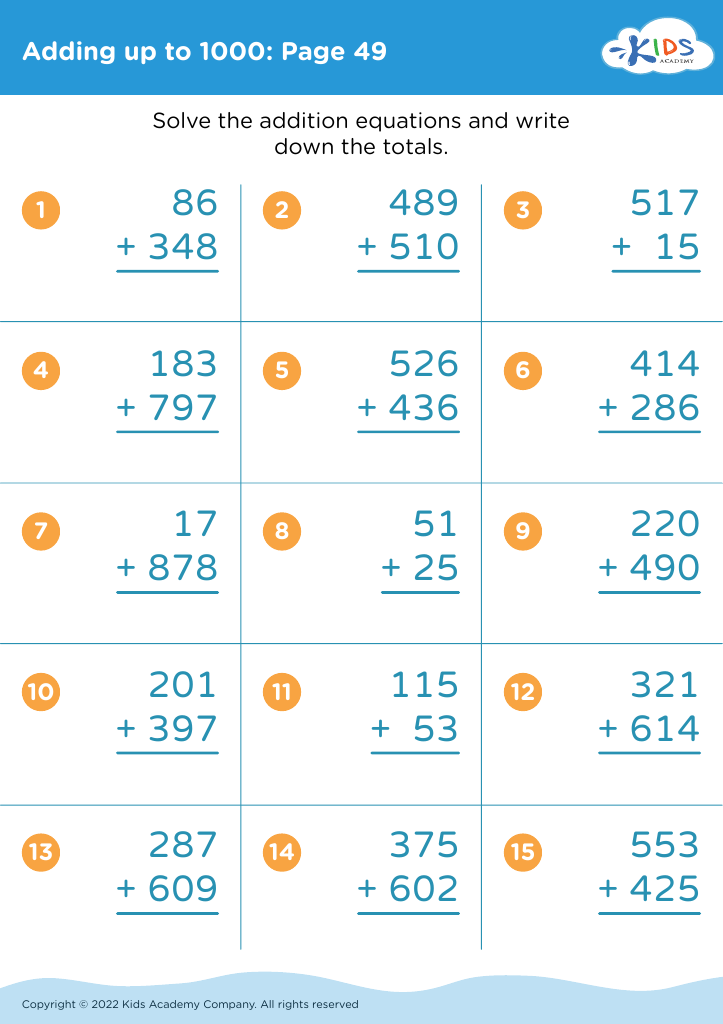
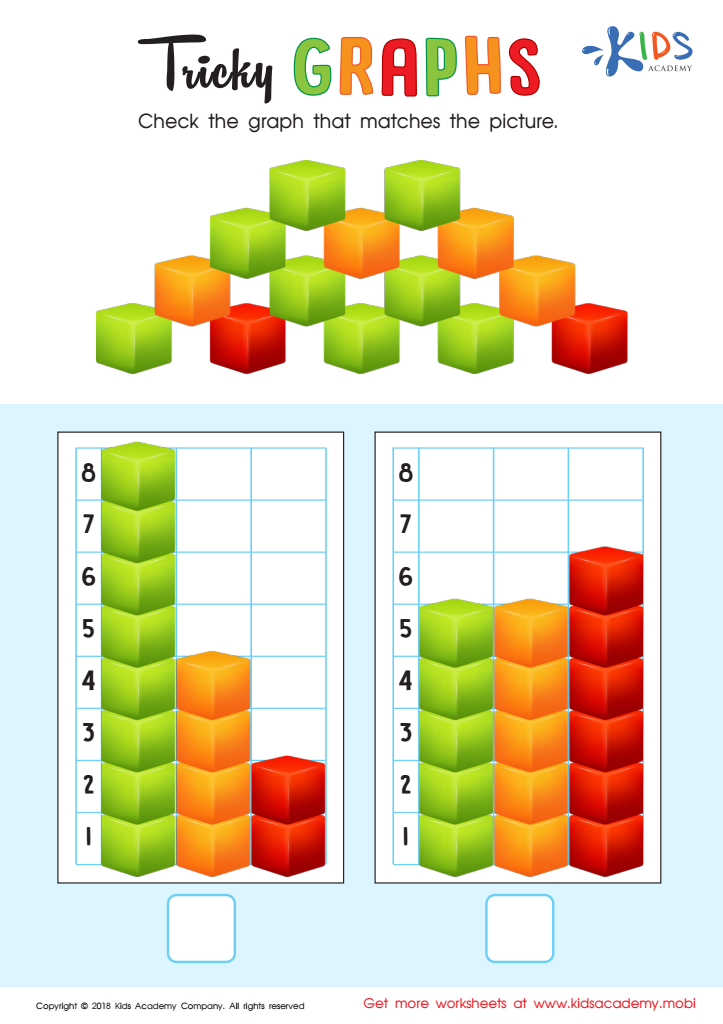
Tricky Graphs Worksheet



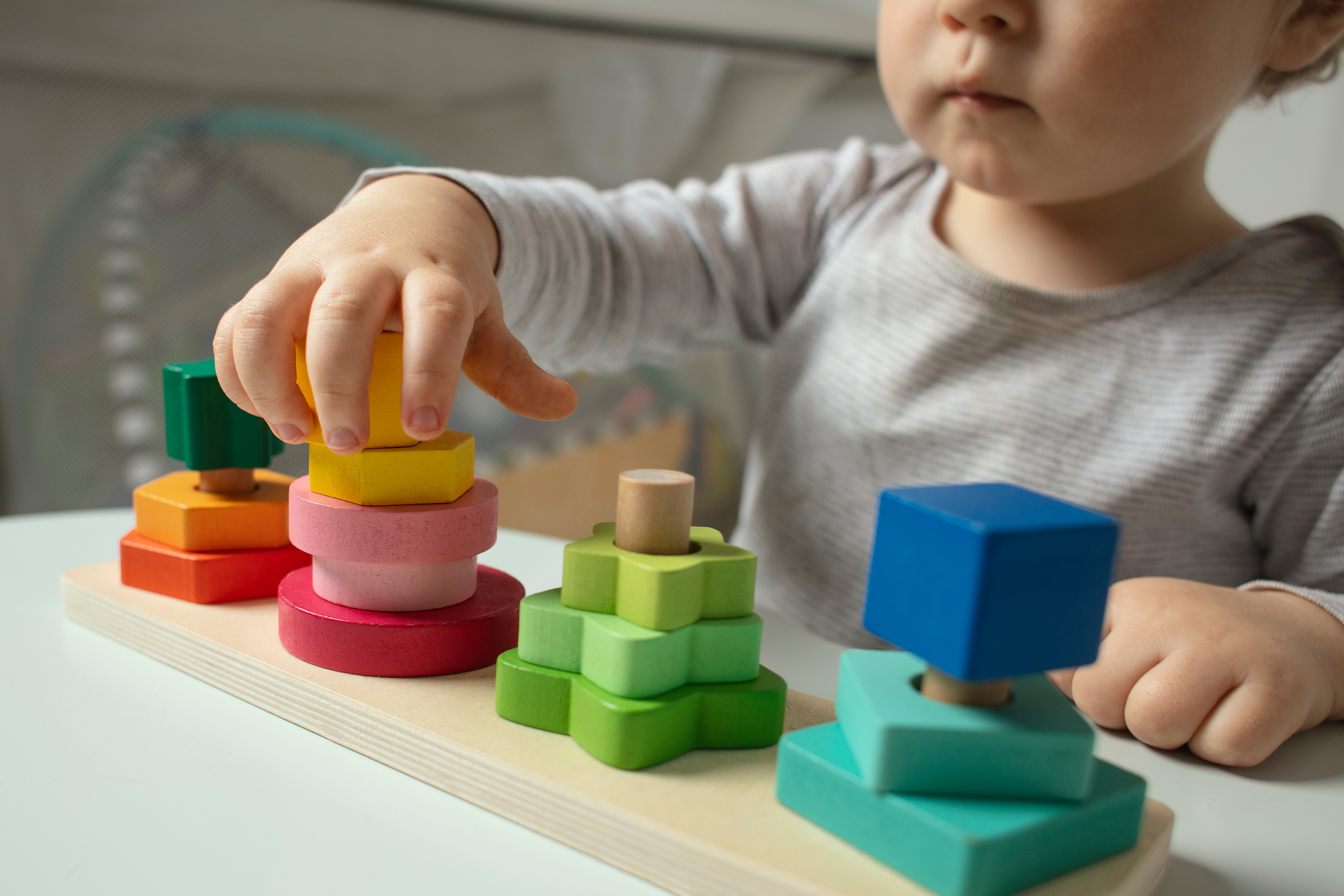




Mathematical reasoning for ages 5-8 forms a crucial foundation for children’s cognitive development and future learning. At this stage, children begin to make sense of numbers, patterns, and relationships, which aids in developing critical thinking skills. Parents and teachers should care about fostering mathematical reasoning because it doesn't just support math skills but enhances overall intellectual growth.
Encouraging mathematical reasoning helps children make connections between ideas and concepts. Through activities like sorting, comparing, and problem-solving, children learn to analyze situations, justify their thinking, and explore alternative solutions. Moreover, these skills are essential in everyday situations, preparing children for real-world challenges.
Additionally, a solid grasp of mathematical reasoning increases confidence and motivation in young learners. When children feel competent in math, they are more likely to engage with the subject positively, paving the way for lifelong learning.
Furthermore, strong mathematical skills can significantly impact a child's academic future, leading to better performance in higher education. Thus, it is vital for parents and teachers to cultivate these skills through engaging activities, supportive dialogue, and an encouraging atmosphere, ensuring that children are equipped to thrive both in math and in broader contexts.








