Recognize shapes Math Worksheets for Ages 5-8
9 filtered results
-
From - To
Unlock your child's creativity and cognitive skills with our "Recognize Shapes" math worksheets designed for ages 5-8. These engaging and colorful worksheets foster shape recognition, helping young learners identify and differentiate between various shapes, including circles, squares, triangles, and more. With fun activities such as tracing, coloring, and drawing shapes, children will enjoy practicing essential math skills while developing fine motor coordination. Perfect for at-home learning or classroom activities, our worksheets provide a comprehensive approach to make learning shapes enjoyable and effective. Start your child's journey into the world of mathematics today and watch their confidence soar!
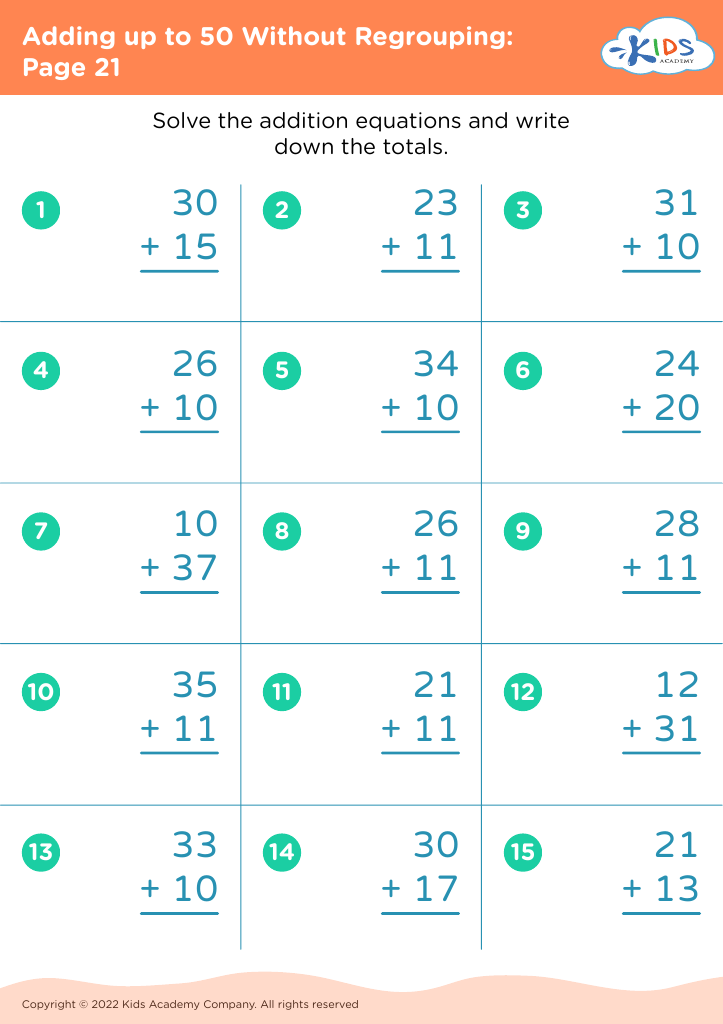
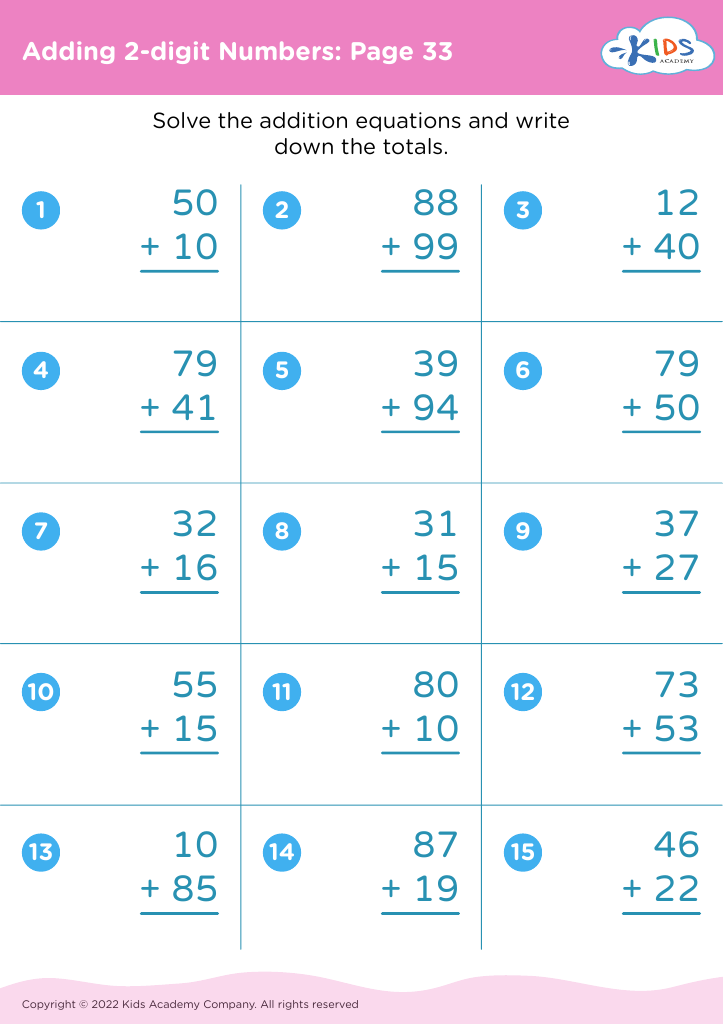
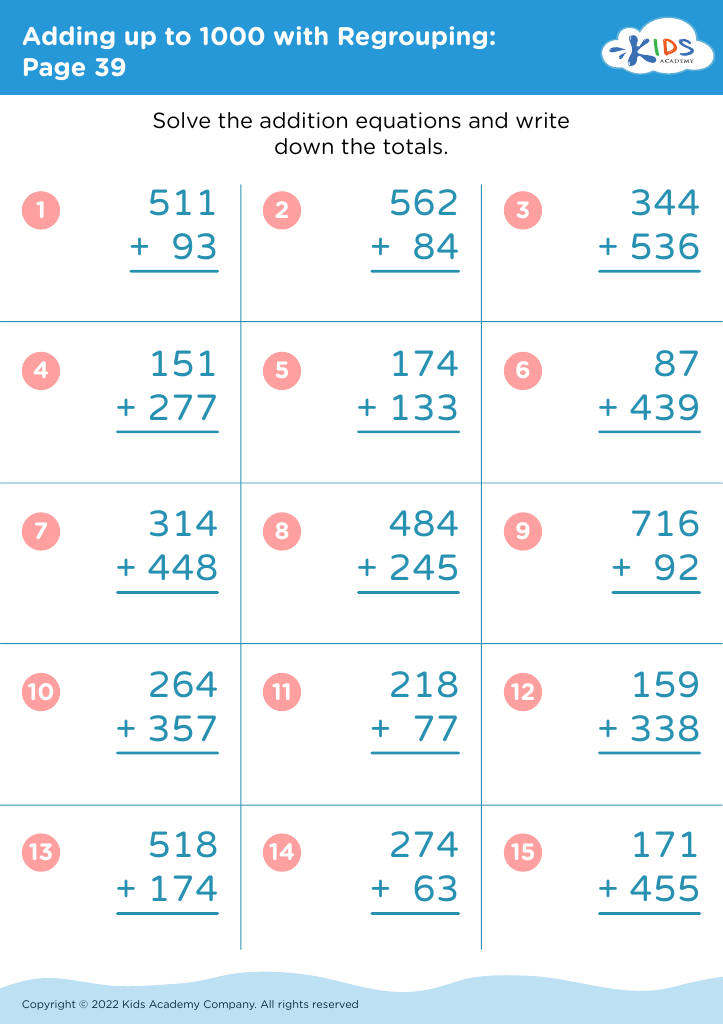
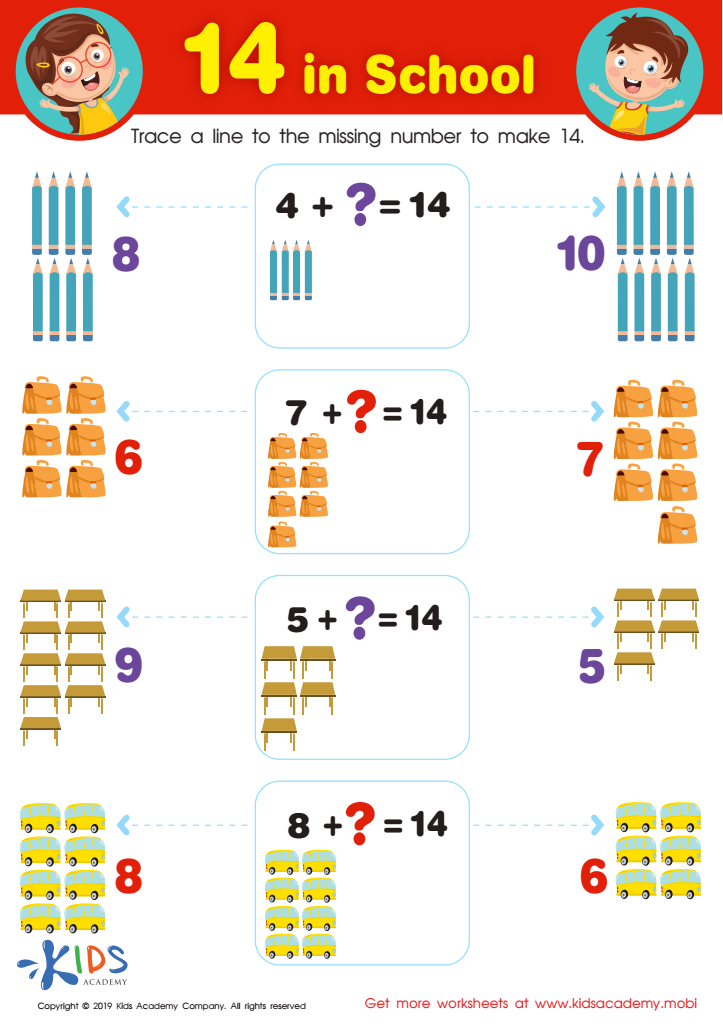
14 in School Worksheet
 Assign to My Students







Recognizing shapes is a foundational skill in early mathematics that is crucial for young learners aged 5 to 8. This stage of development lays the groundwork for more advanced mathematical concepts, contributing significantly to a child's overall cognitive development. Understanding shapes helps children to classify objects, an essential skill for problem-solving and critical thinking. It fosters spatial awareness, enabling kids to navigate their environment effectively, which is important for everyday tasks and activities.
Moreover, shape recognition enhances creativity and observational skills through art and play. Engaging in activities that involve identifying and manipulating shapes encourages active learning and curiosity. As children learn to differentiate between various shapes, they also improve their language skills by correctly naming and describing them, boosting their communication abilities.
For parents and teachers, prioritizing shape recognition means aiding in a child's readiness for school and building a solid mathematical foundation. Encouraging participation in shape-related activities can naturally promote a love for learning, setting positive attitudes towards mathematics later in life. Involving children in discussions about shapes during routine activities, such as cooking or building with blocks, not only reinforces their understanding but also fosters bonds through shared learning experiences.








