
Understanding gravity Math Worksheets for Ages 5-8
3 filtered results
Difficulty Level
Grade
Age
-
From - To
Subject
Activity
Standards
Explore the fascinating concept of gravity with our "Understanding Gravity" math worksheets, designed specifically for children aged 5-8. These engaging printables introduce young learners to the fundamental principles of gravity through fun and interactive activities. Each worksheet encourages critical thinking and problem-solving skills while seamlessly integrating math concepts with the science of gravity. Perfect for reinforcing classroom learning or enhancing home study, our resources make mastering gravity both enjoyable and educational. Whether kids are measuring weights, comparing objects, or solving simple equations, these worksheets are sure to ignite their curiosity and lay a solid foundation for future scientific explorations!
Favorites
With answer key
Interactive
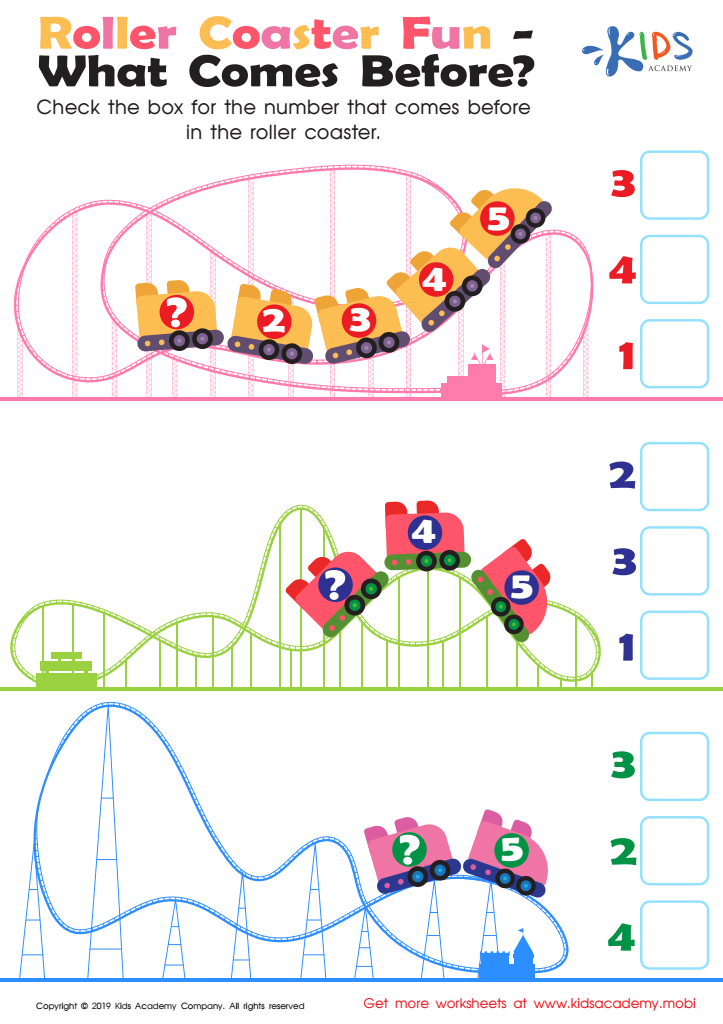
Roller Coaster Fun Worksheet
Ride a roller coaster and experience the thrill! Kids will love checking off the number that comes before each one on the worksheet. With three roller coasters to choose from, the fun never stops! Ask your kids if they've been on a roller coaster and where. Let them explore the excitement and joy of this thrilling ride!
 Assign to My Students
Roller Coaster Fun Worksheet
Worksheet
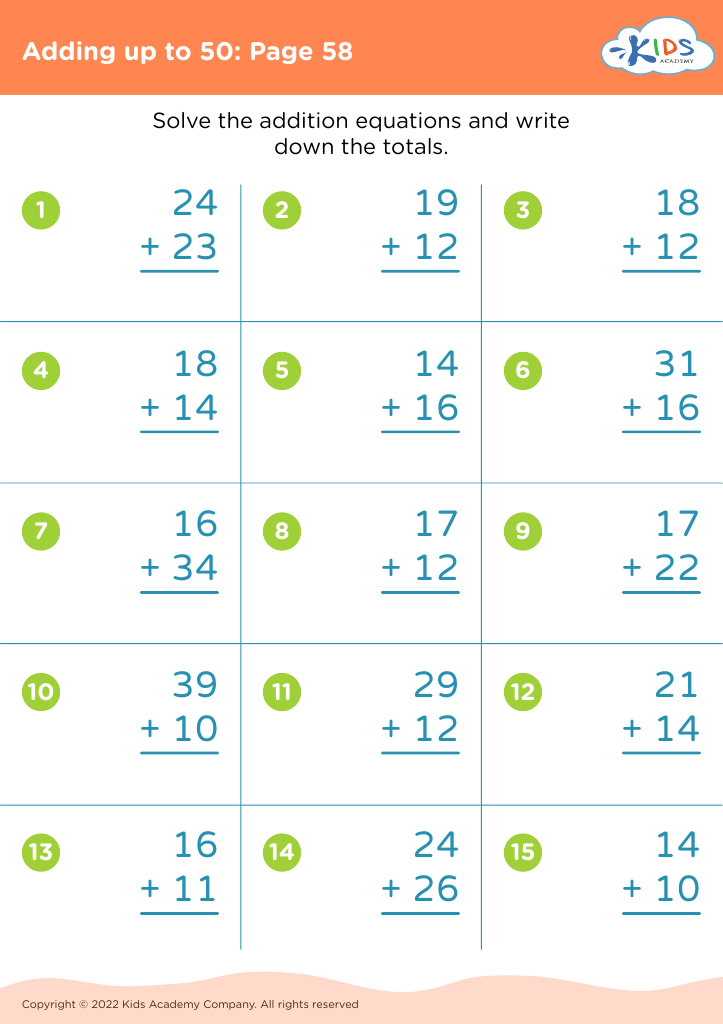
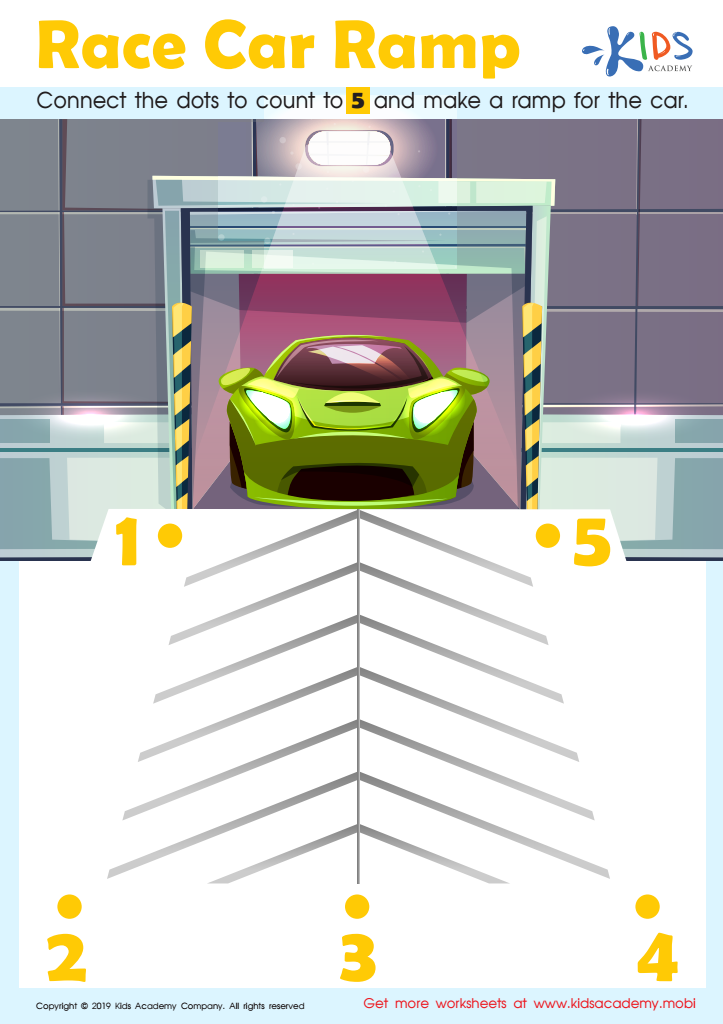
Race Car Ramp Worksheet
Kids can learn numbers quickly and have fun with this worksheet! It teaches preschoolers counting to 5 and allows them to draw a car ramp. It's a creative way to learn numbers, making them fun and easy to remember.
Race Car Ramp Worksheet
Worksheet
Join Kids Academy for Free
Who is primarily going to use this learning content?








Understanding gravity and its mathematical implications is vital for children ages 5-8, as it lays the foundation for scientific literacy and critical thinking skills. At this age, children are naturally curious about the world around them, and introducing them to concepts like gravity can spark exploration and inquiry. Teaching gravity not only enhances their knowledge of physical sciences but also seamlessly integrates mathematics through real-life applications.
For instance, when children learn how gravity affects objects falling or rolling, they can engage in counting, measuring, and comparing distances. This hands-on experience reinforces basic math concepts, such as addition and subtraction, while making math tangible and relevant. Moreover, understanding gravity fosters a sense of wonder and encourages problem-solving skills, as children start to grasp cause and effect in their experiments and experiences.
Encouraging this understanding also prepares children for advanced concepts in later years, promoting a growth mindset that can be applied across disciplines. By nurturing an early appreciation for gravity and its mathematical aspects, parents and teachers equip children with essential tools for their academic journeys and inspire a lifelong love of learning in science and mathematics. Thus, emphasizing gravity math is crucial for their holistic development.








