Understanding quantity Math Worksheets for Ages 5-8 - Page 2
30 filtered results
-
From - To
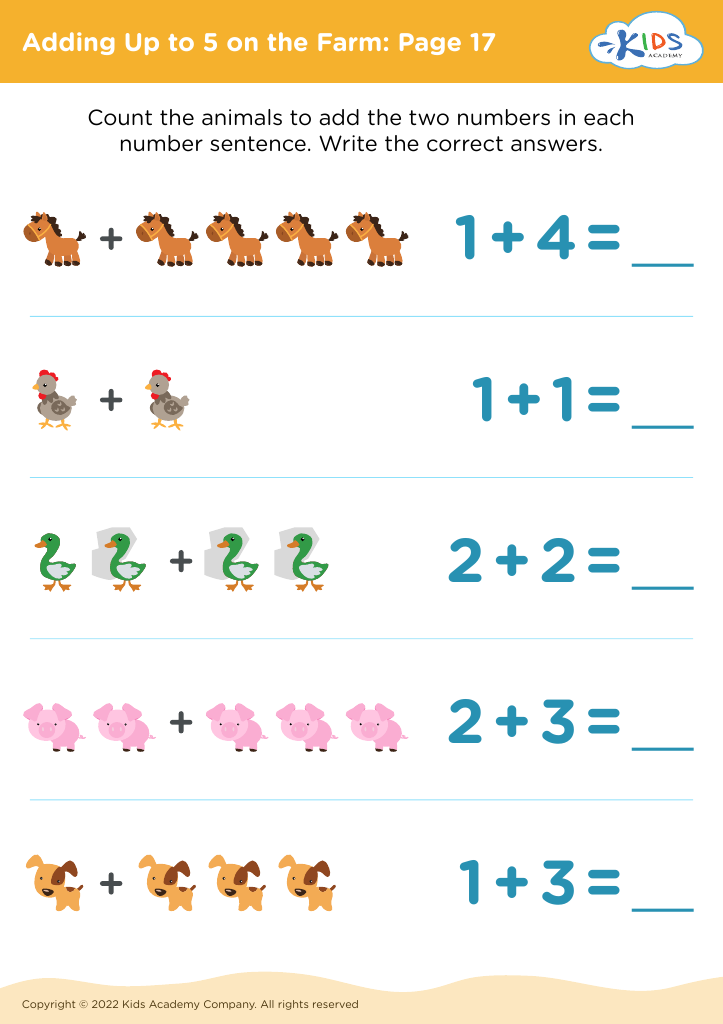
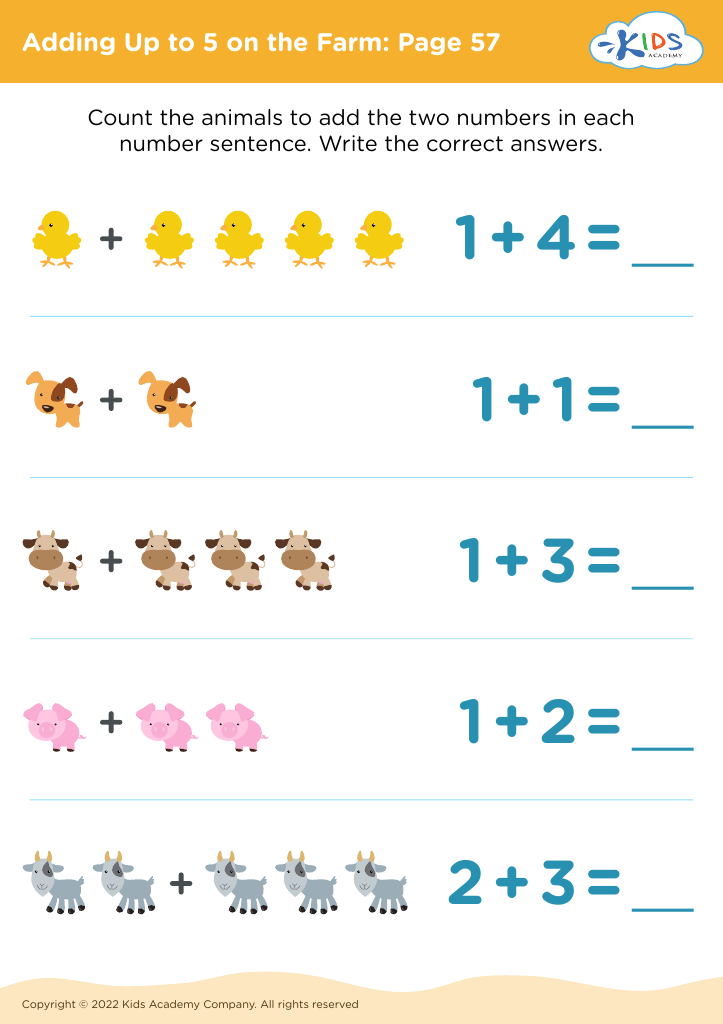
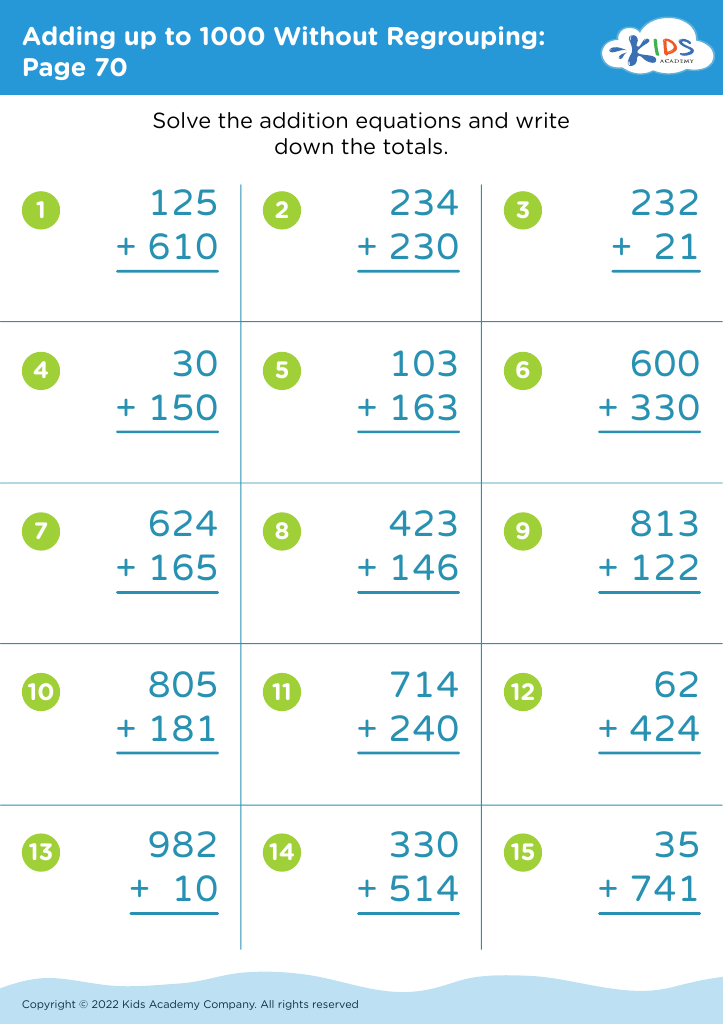
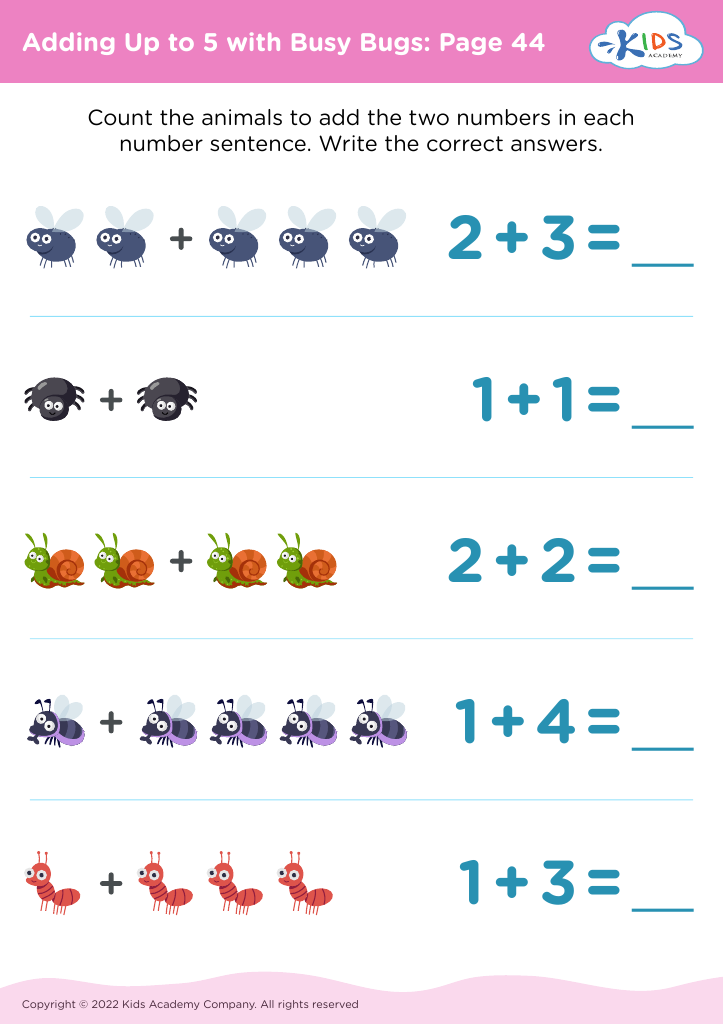
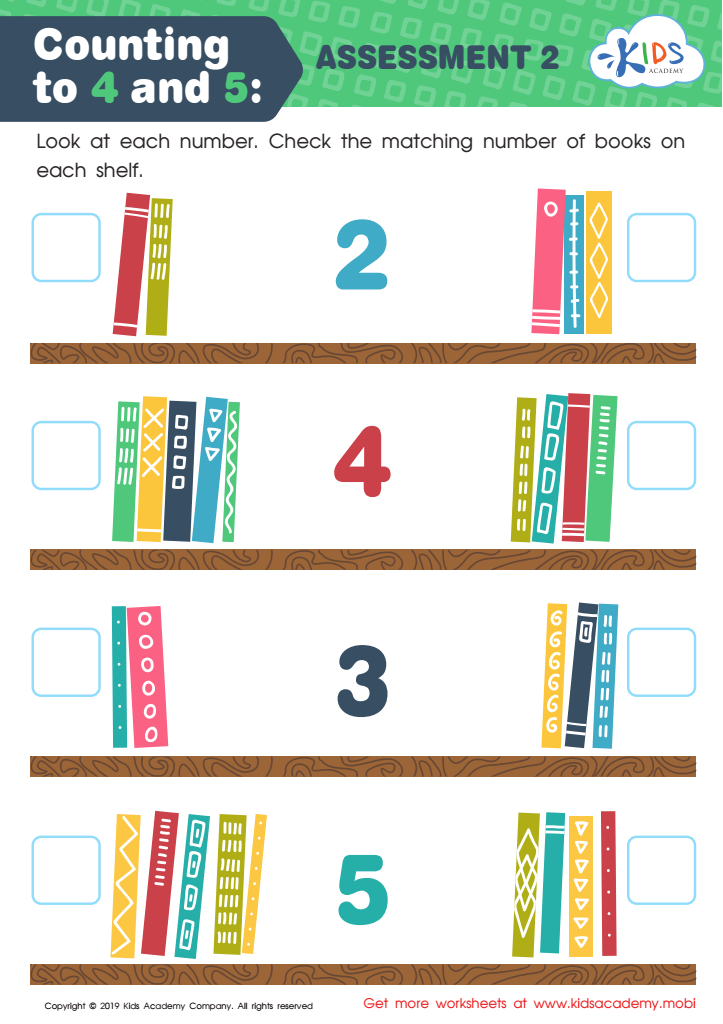
Counting to 4 and 5: Assessment 2 Worksheet
 Assign to My Students
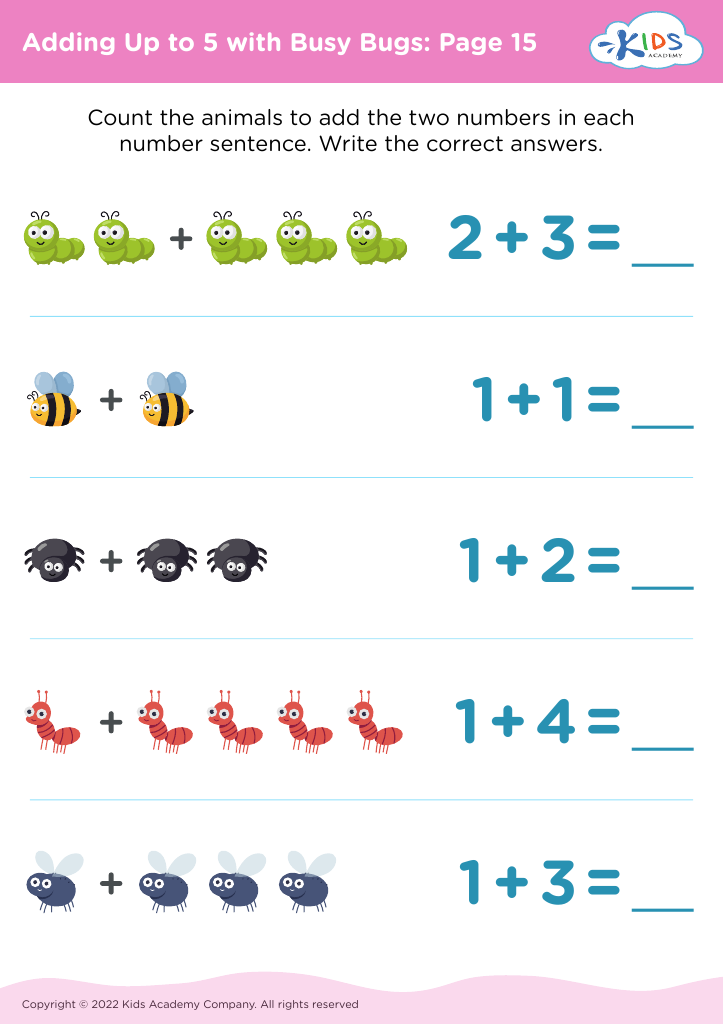


.jpg)





Understanding quantity, or the concept of number and its relevance in everyday situations, is essential for children aged 5-8. At this developmental stage, students build foundational skills that will shape their future learning in mathematics. When parents and teachers emphasize the importance of understanding quantity, they help children recognize numbers, grasp the idea of amounts, and develop their counting abilities—core components of early math education.
Moreover, cultivating a strong grasp of quantity encourages critical thinking and problem-solving skills. Children learn to compare and contrast quantities, which lays the groundwork for more complex mathematical concepts such as addition, subtraction, and even basic algebra later on. This encourages logical reasoning and instills confidence in their ability to tackle challenges.
In addition, an understanding of quantity supports children in real-life situations, such as applying math in shopping or sharing items among friends. By fostering a positive attitude toward math, parents and teachers can help children see math as an approachable and valuable tool, rather than a daunting subject. Ultimately, nurturing a solid understanding of quantity can lead to academic success, increased self-esteem, and a lifelong appreciation for the role mathematics plays in their everyday lives.








