Visual discrimination Matching Worksheets for Ages 5-8
3 filtered results
-
From - To
Enhance your child's learning experience with our Visual Discrimination Matching Worksheets designed specifically for ages 5-8. These engaging, printable sheets focus on developing essential visual skills, enabling kids to recognize details, differentiate shapes, colors, and patterns, and sharpen their observational abilities. Tailored to align with early educational standards, these worksheets promote critical thinking and attention to detail through fun matching activities. Perfect for classroom or home use, they provide an enjoyable way for young learners to boost their cognitive abilities while building confidence in their learning journey. Start unlocking your child's potential today with our interactive visual discrimination exercises!
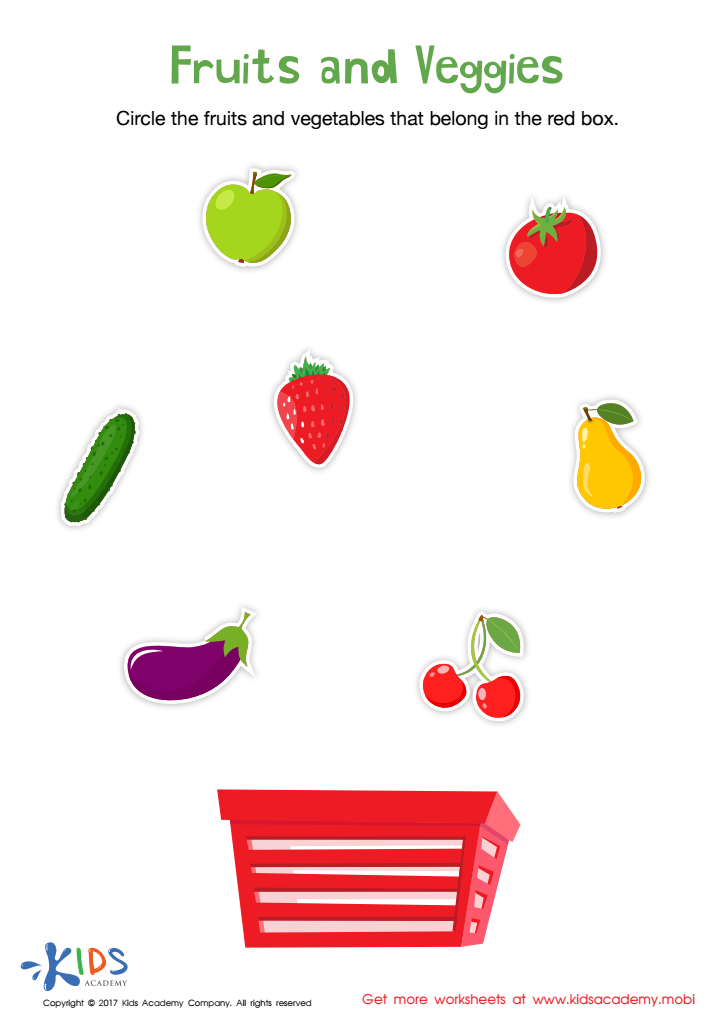
 Assign to My Students
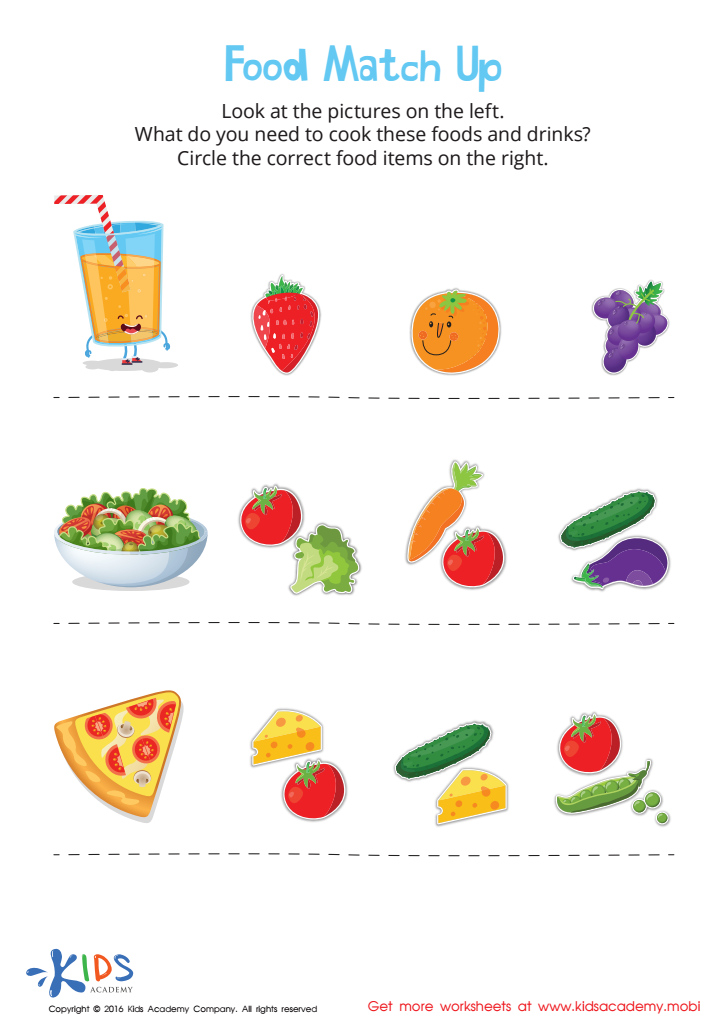
Food Match Up Worksheet
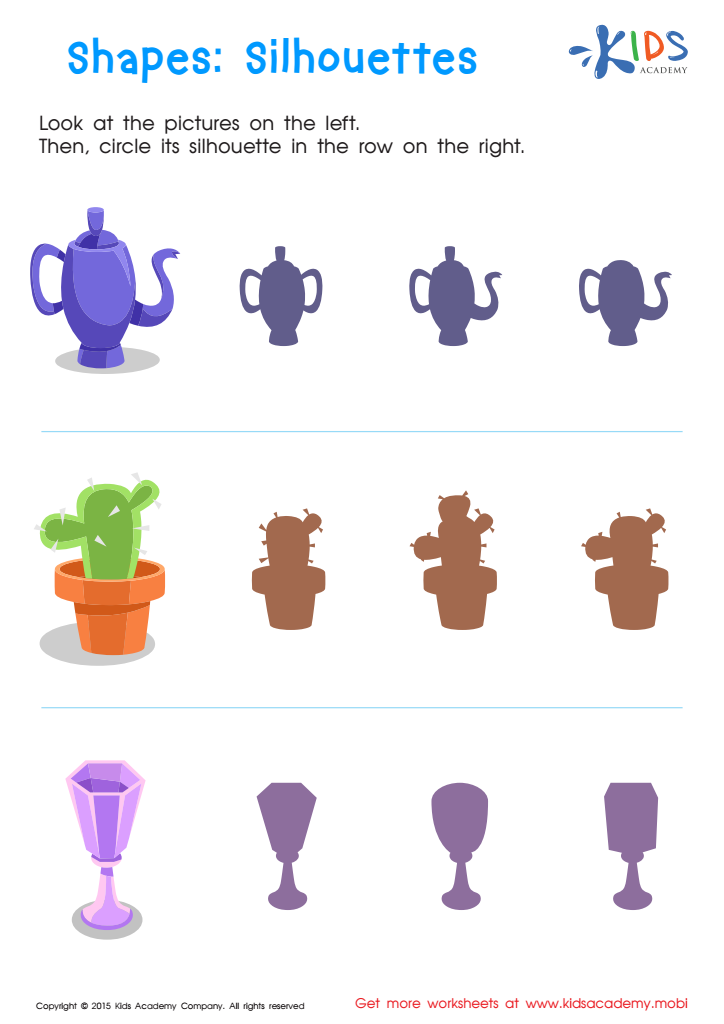
Silhouettes – Shapes Worksheet








Visual discrimination matching is an essential skill for children aged 5 to 8, playing a pivotal role in their cognitive and academic development. It involves the ability to distinguish and identify similarities and differences between visual stimuli, such as shapes, colors, and patterns. For parents and teachers, nurturing this skill is crucial for several reasons.
Firstly, visual discrimination enhances children’s reading abilities. Recognizing letters, words, and punctuation marks relies on distinguishing visual differences. Effective visual discrimination contributes to better literacy skills, which are foundational for successful learning.
Secondly, it supports mathematical learning. Recognizing patterns and shapes is fundamental in developing early math concepts, such as geometry and number recognition. Children who can efficiently match visuals are likely to excel in math-related tasks.
Furthermore, visual discrimination aids in fine motor skills development, as many activities like cutting, drawing, and organizing rely on recognizing visual details. This readiness fosters greater confidence in various learning environments.
In summary, emphasizing visual discrimination matching equips children with critical thinking and problem-solving skills, essential in and out of the classroom. Parents and teachers should care about this skill to ensure children thrive academically and socially as they develop.








