Mathematical reasoning Measurement Worksheets for Ages 5-8
4 filtered results
-
From - To
Discover our engaging Mathematical Reasoning Measurement Worksheets for children aged 5-8, designed to make learning fun and interactive! These worksheets help young learners develop essential skills in measurement while enhancing their logical thinking and problem-solving abilities. Aligned with early education standards, the worksheets cover a variety of topics, including length, weight, and capacity, using colorful visuals and relatable scenarios. Ideal for classroom use or home practice, they provide a comprehensive approach to understanding measurement concepts. Encourage your child to explore and excel in math with our expertly crafted resources, laying a solid foundation for future academic success!
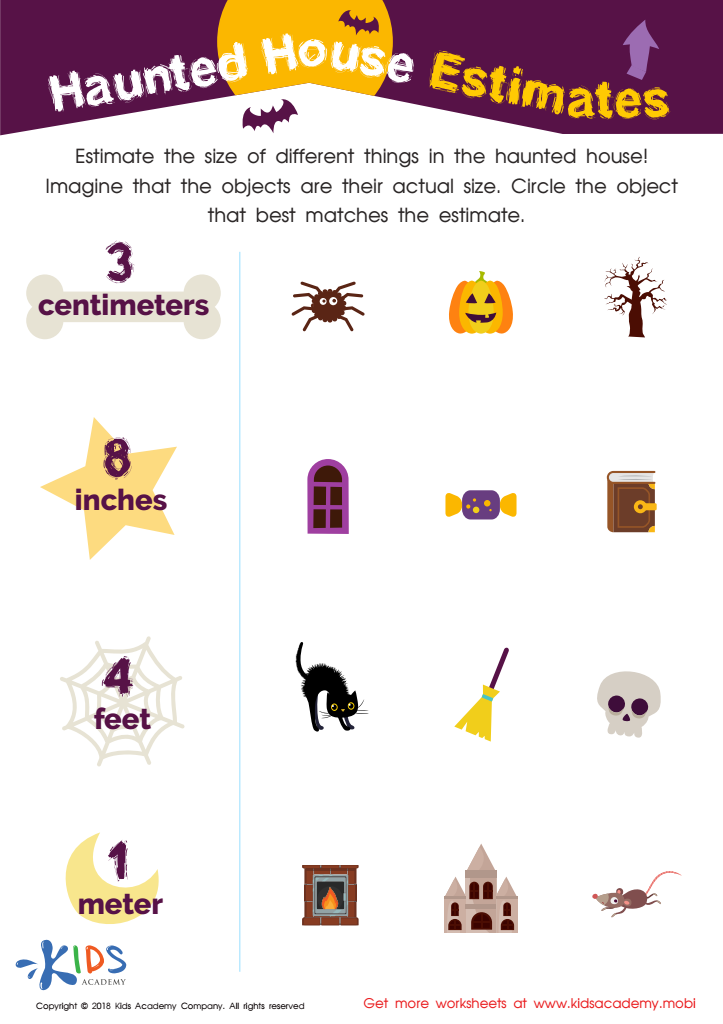
Haunted House Estimates Worksheet
 Assign to My Students
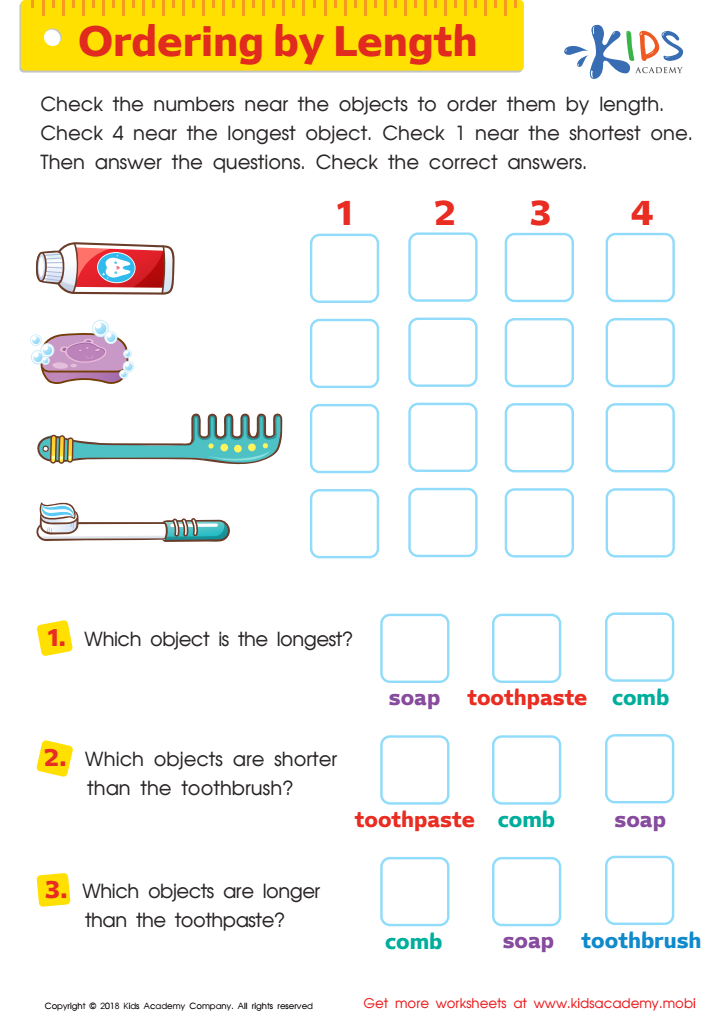
Ordering by Length Worksheet
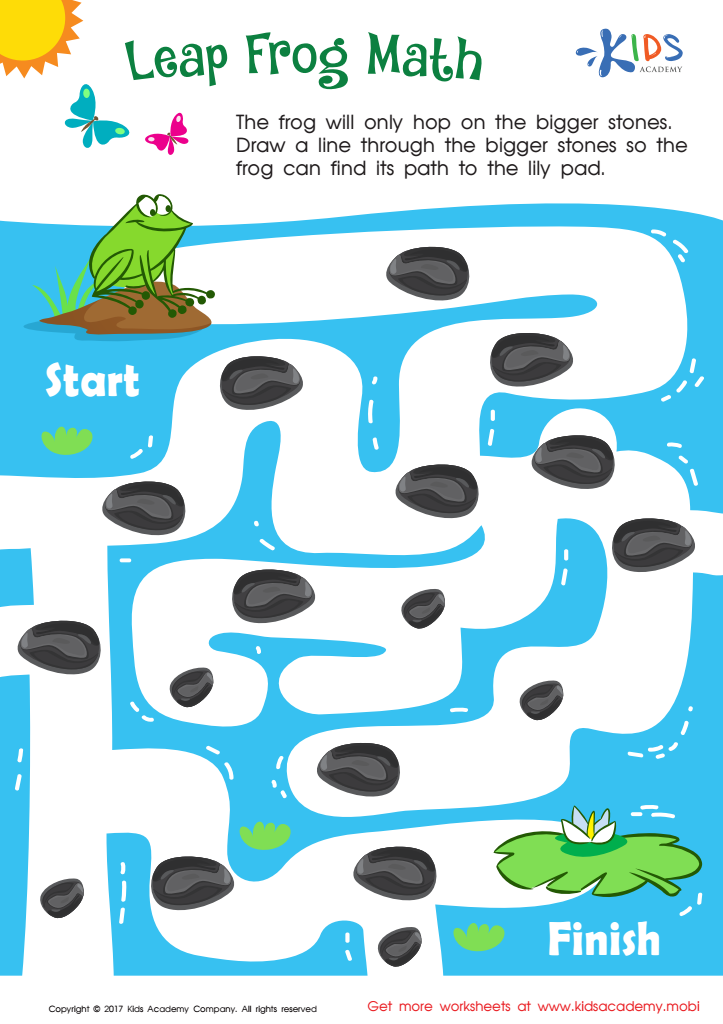
Math Puzzle Worksheet
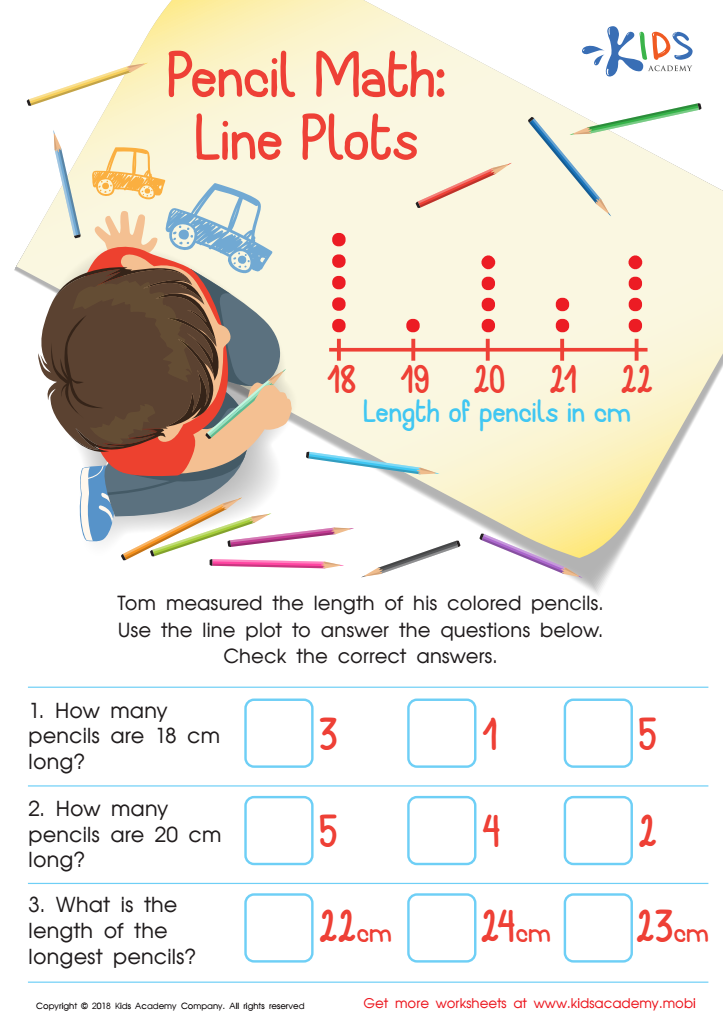
Pencil Math: Line Plots Worksheet








Mathematical reasoning and measurement are fundamental skills that lay the groundwork for a child’s future learning and problem-solving abilities, particularly for ages 5-8. During this developmental stage, children start to make sense of their world, and measurement concepts—like length, weight, time, and volume—help them draw connections between mathematics and everyday life.
Parents and teachers should care because these skills foster critical thinking. When children explore concepts like comparing sizes, measuring objects, or estimating quantities, they learn to reason logically and make informed decisions. For instance, cooking together can teach measuring ingredients, enhancing both math skills and practical knowledge.
Moreover, measurement activities stimulate curiosity and investigation. Engaging children in hands-on experiences—like measuring the length of their favorite toys or timing themselves in a race—encourages exploration in a fun and interactive manner. This not only boosts their confidence in math but also nurtures a positive attitude toward learning.
Furthermore, proficiency in these early mathematical skills is linked to later academic success. A strong foundation in mathematical reasoning and measurement can set the stage for more complex concepts, ensuring children not only succeed in school but also develop essential life skills. Supporting this development is an investment in their future.








