Handwriting practice Numbers 0–10 Worksheets for Ages 5-8
8 filtered results
-
From - To
Enhance your child's handwriting skills with our "Handwriting Practice Numbers 0–10 Worksheets" tailored for ages 5-8! These engaging worksheets are designed to help young learners develop essential fine motor skills while mastering number formation. Each sheet provides clear guidelines, stroke order, and ample practice space, enabling children to write numbers confidently and legibly. With fun themes and interactive elements, these worksheets keep kids motivated and excited about learning. Perfect for home or classroom use, our resources support early math comprehension alongside handwriting development, ensuring your child's readiness for future academic success. Download and print today for a hands-on educational experience!
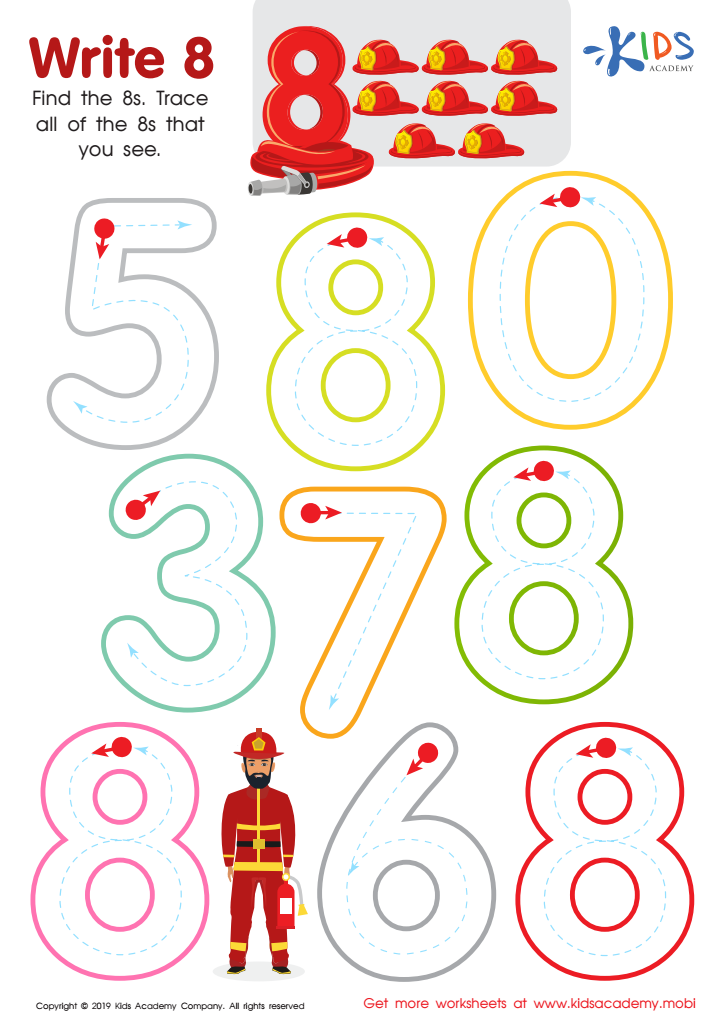
Write 8 Worksheet
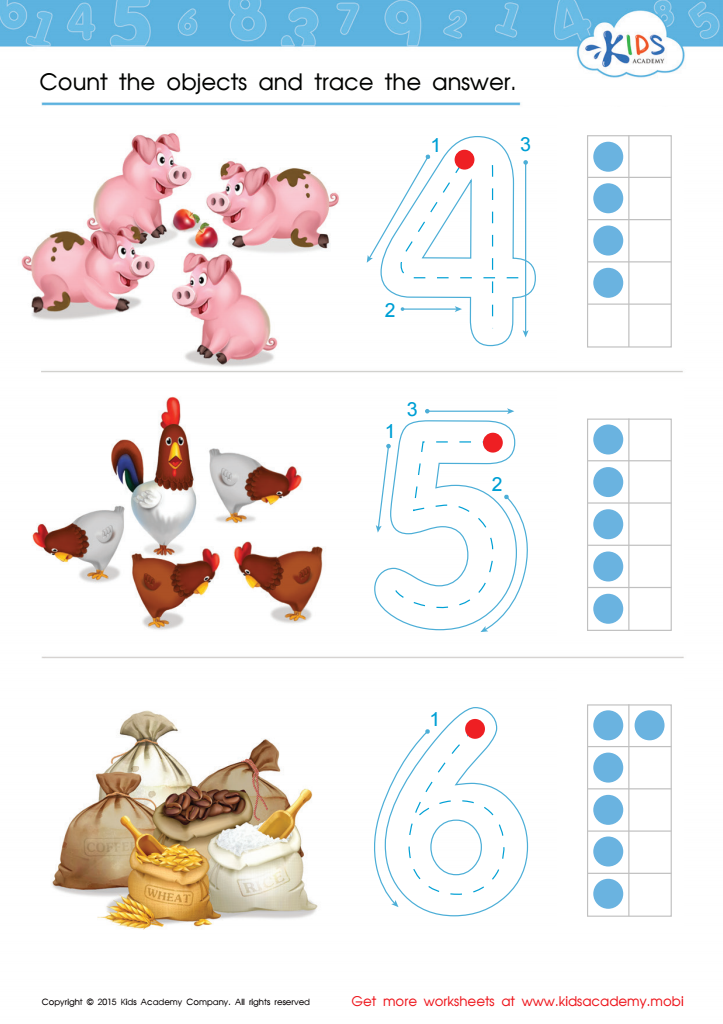
Count and Trace 4 – 6 Worksheet
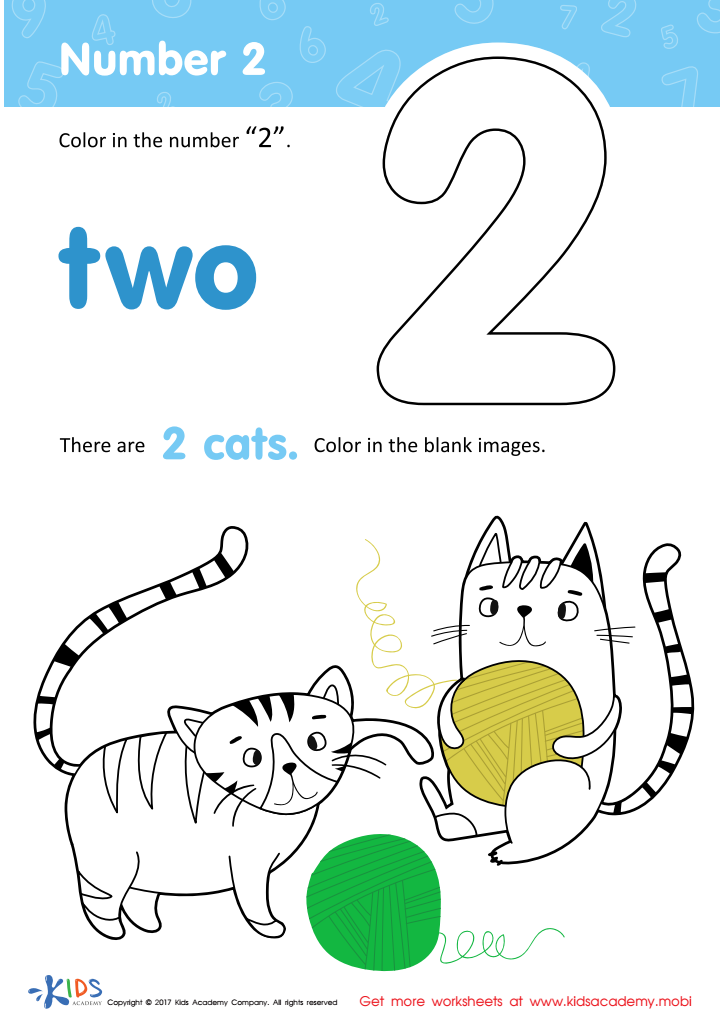
Number 2 Printable
 Assign to My Students

Count the Carrots and Trace the Number 7 Printable
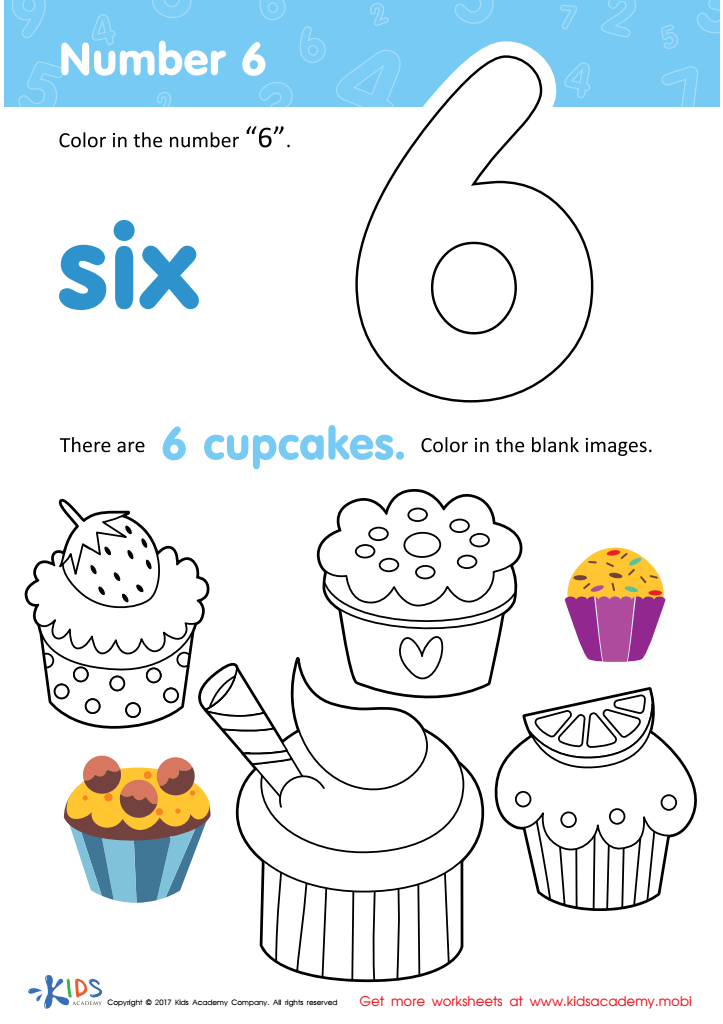
Number 6 Worksheet
Assign to My Students
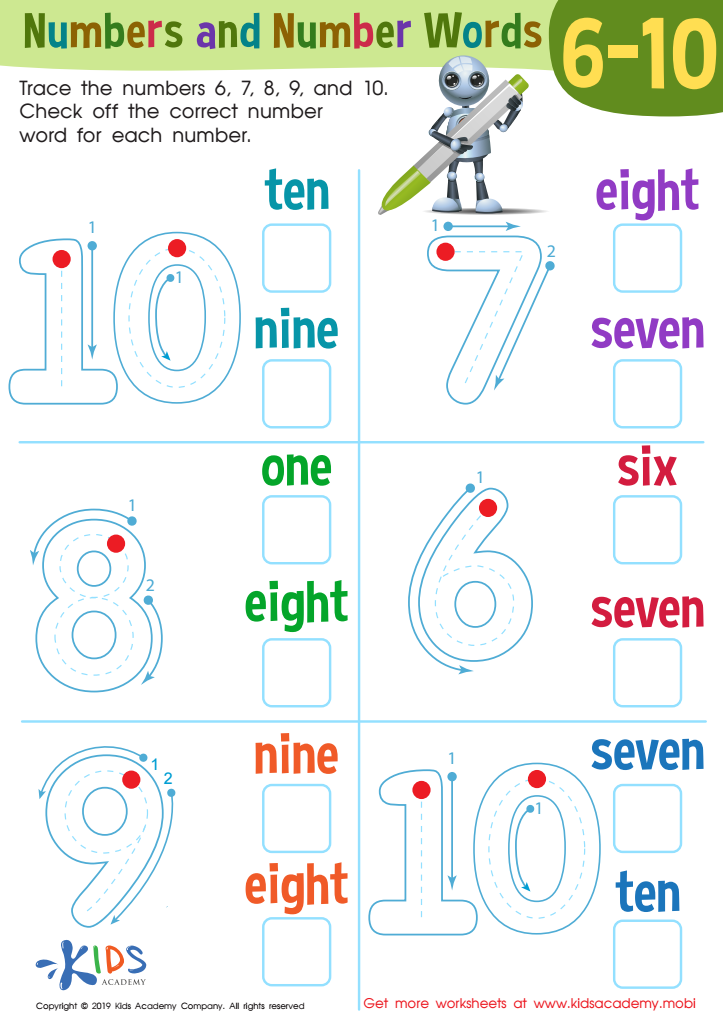
Numbers and Number Words 6–1 Worksheet
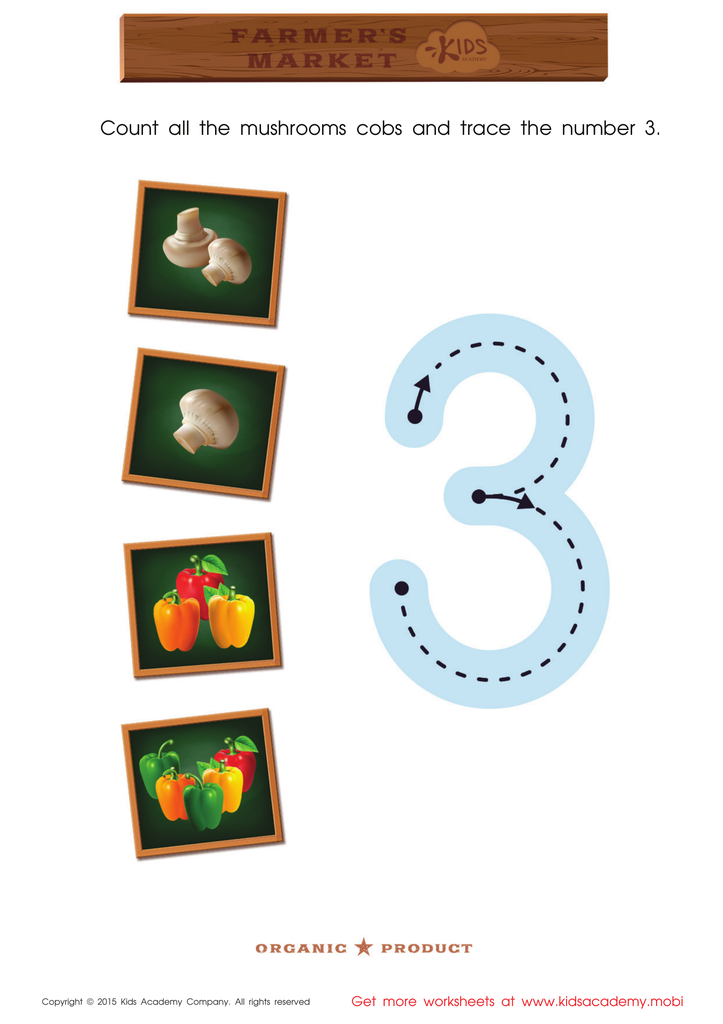
Count the Mushrooms and Trace the Number 3 Printable
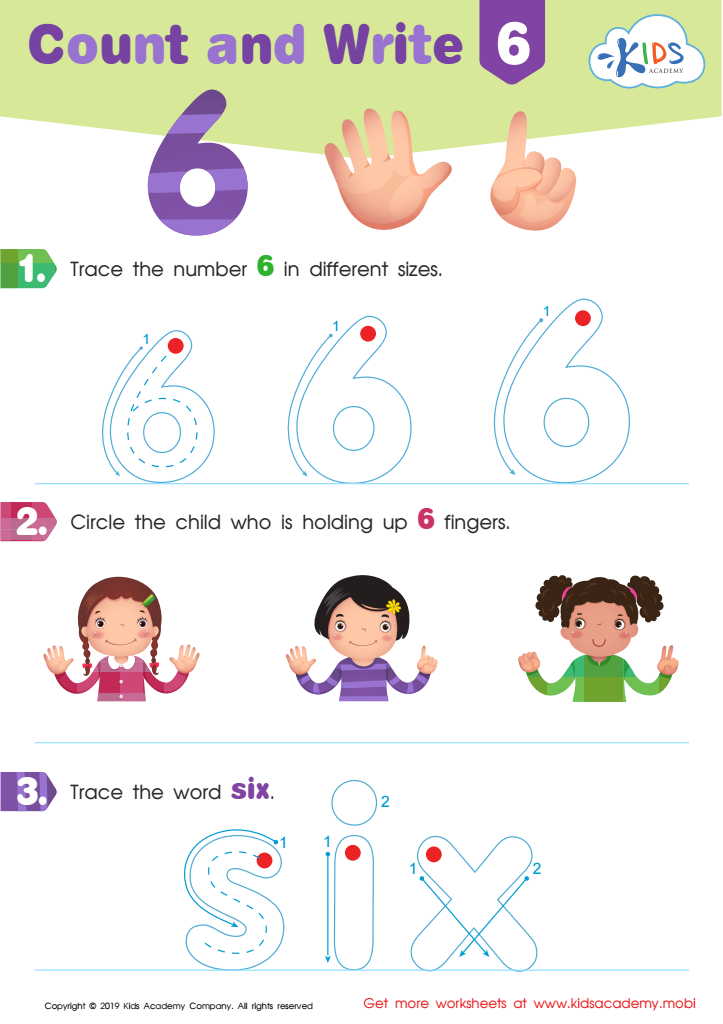
Count and Write 6 Worksheet








Handwriting practice for numbers 0-10 is essential for children aged 5-8 as it supports their cognitive, motor, and academic development. First and foremost, developing fine motor skills through handwriting activities helps children improve their hand-eye coordination and dexterity, which are foundational for various everyday tasks. When students physically write numbers, they engage multiple senses, reinforcing their understanding of numerical concepts.
Additionally, handwriting aids in the retention of information. Research shows that the act of writing numerals can enhance memory, helping children to better recall and recognize numbers. This skill is crucial as they begin to explore more complex mathematical concepts. Furthermore, a strong grasp of number formation is linked to future academic success; poor handwriting habits can lead to misunderstandings in math and hinder progress in more advanced topics.
Moreover, handwriting practice fosters patience and focus, encouraging children to take pride in their work and cultivate a sense of achievement. Parents and teachers can support this skill by integrating fun activities and providing consistent feedback, establishing a solid foundation for their children's learning journey. In essence, handwriting practice for numbers not only aids in mathematical understanding but also contributes to overall childhood development.








