Categorization skills Sorting Worksheets for Ages 5-8
5 filtered results
-
From - To
Enhance your child's categorization skills with our engaging Sorting Worksheets designed for ages 5-8! These fun, printable activities introduce young learners to the essential concept of sorting, helping them organize objects based on different attributes like color, size, and shape. Perfect for early grade teachers and parents, these worksheets promote critical thinking, cognitive development, and creativity. Your child will love sorting through vibrant images and exciting tasks, making learning a joyful experience. Foster foundational math skills and encourage independent learning in your little ones with our thoughtfully crafted worksheets. Explore our collection and watch them thrive as they categorize confidently!
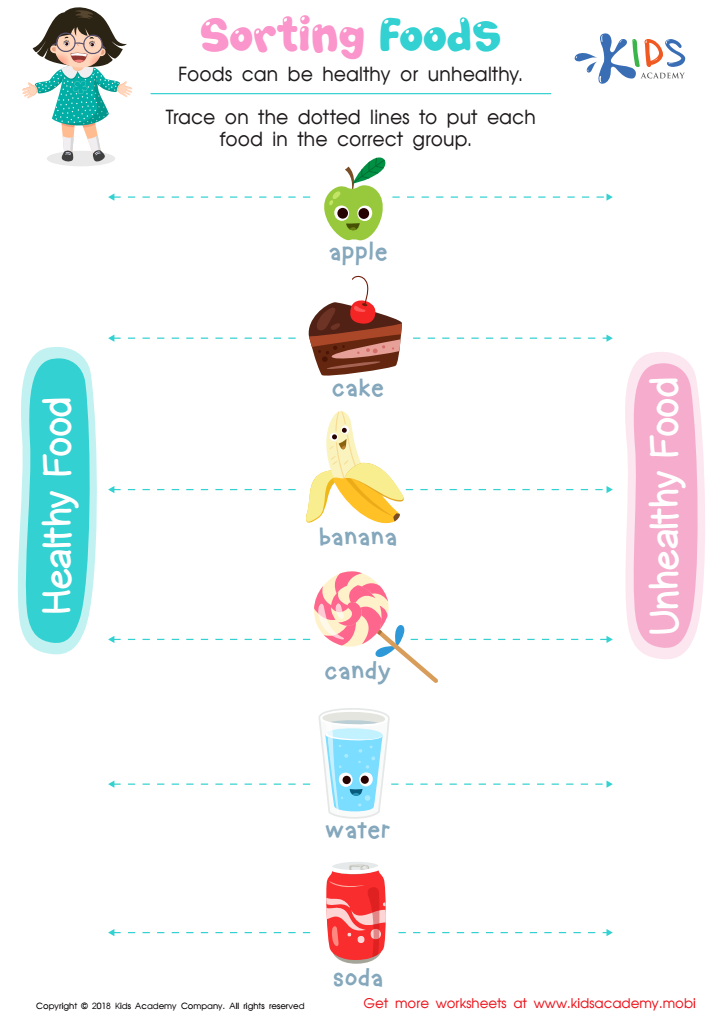
Sorting Food Worksheet
 Assign to My Students
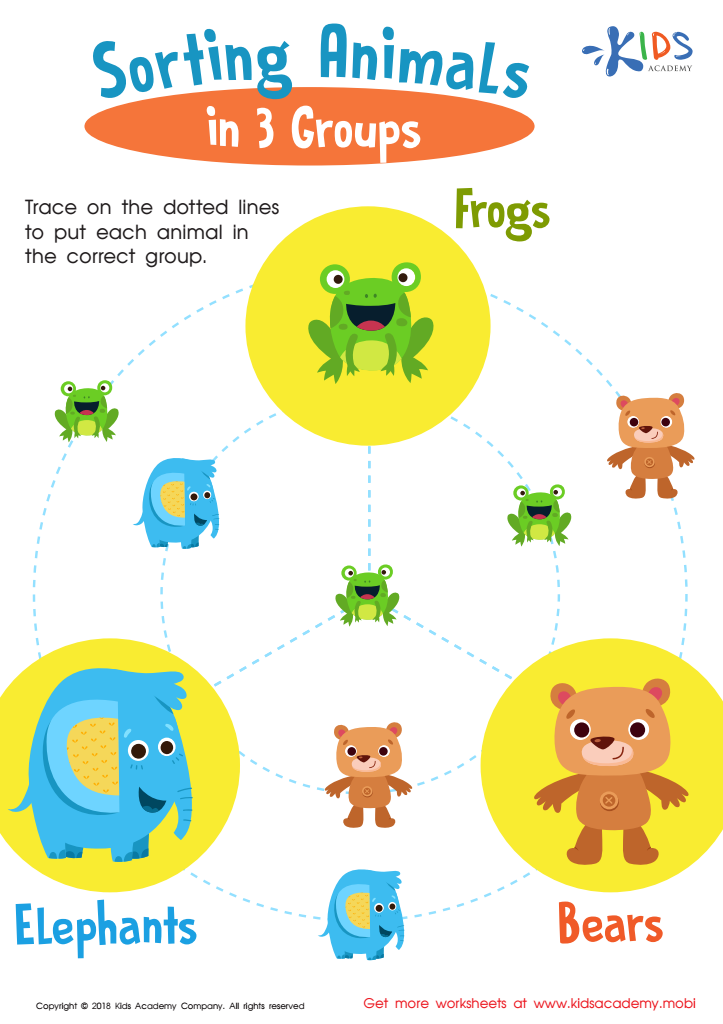
Sorting Animals in 3 Groups Worksheet
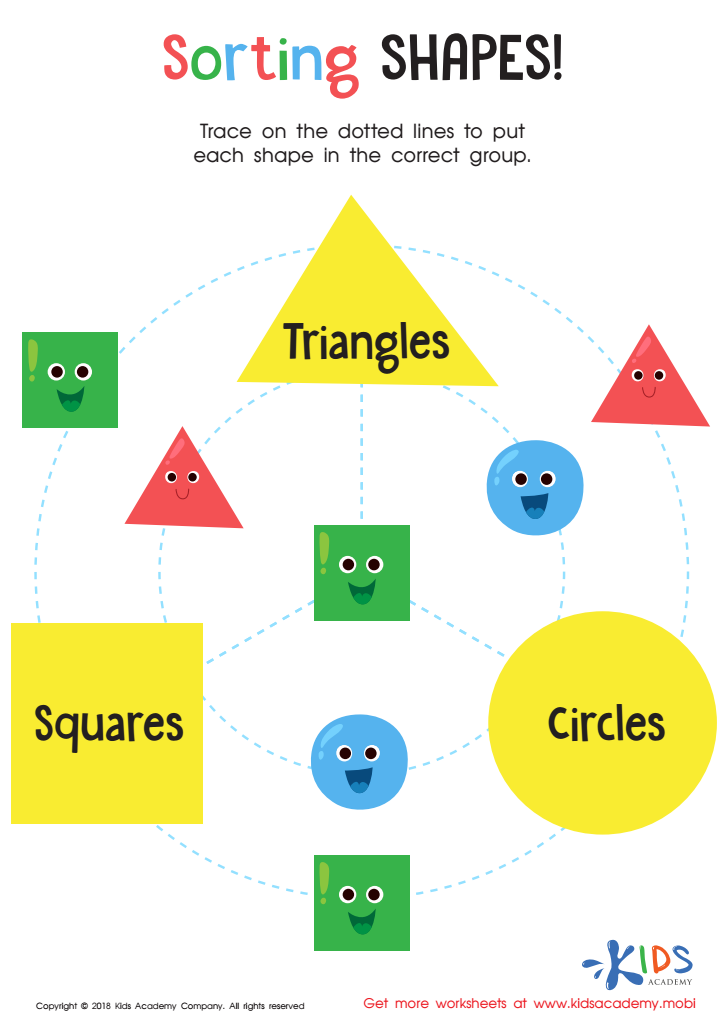
Sorting Shapes - Part 3 Worksheet
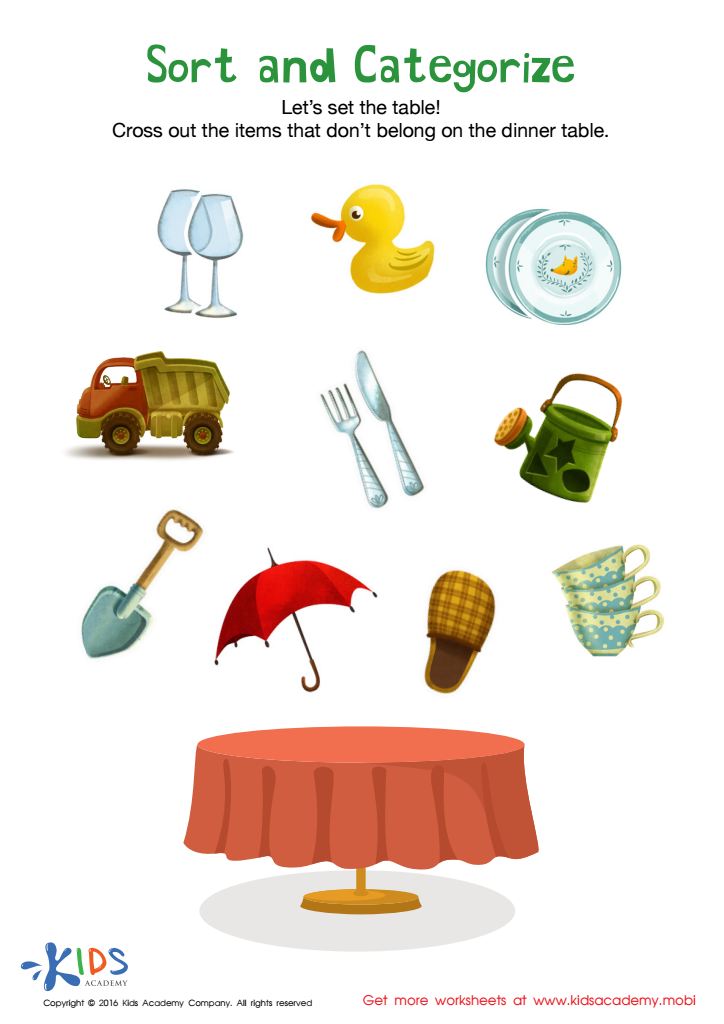
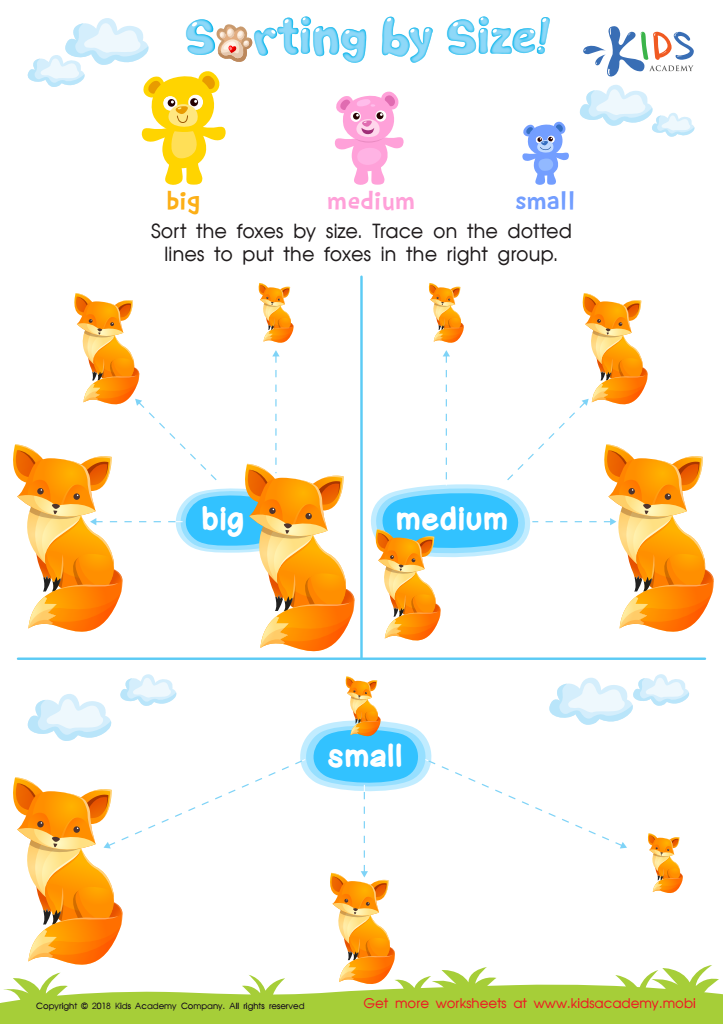
Sorting by Size Worksheet








Categorization skills, specifically sorting, play a crucial role in the cognitive development of children aged 5 to 8. These skills are foundational for later learning and critical thinking. Sorting helps children understand the world by allowing them to organize information, recognize patterns, and classify objects based on shared characteristics. This not only enhances cognitive abilities but also fosters problem-solving skills, enabling them to approach challenges methodically.
For parents and teachers, encouraging sorting activities means more than just securing a command over basic concepts; it lays the groundwork for future learning in subjects like math, science, and language. Sorting teaches children to classify objects by size, shape, color, or other attributes, which can enhance their understanding of concepts like number sense and grouping, vital for mathematical reasoning.
Furthermore, sorting activities cultivate social and emotional skills, promoting teamwork and communication when done in groups. As children share their reasoning behind sorting choices, they engage in critical discourse, learning to express and defend their ideas.
In summary, fostering categorization skills through sorting activities equips children with essential cognitive, social, and emotional tools that are crucial for their overall development, academic success, and everyday life. Parents and teachers should prioritize these skills to help children thrive in their formative years.








