Addition Practice Building Vocabulary Worksheets for Ages 5-8
8 filtered results
-
From - To
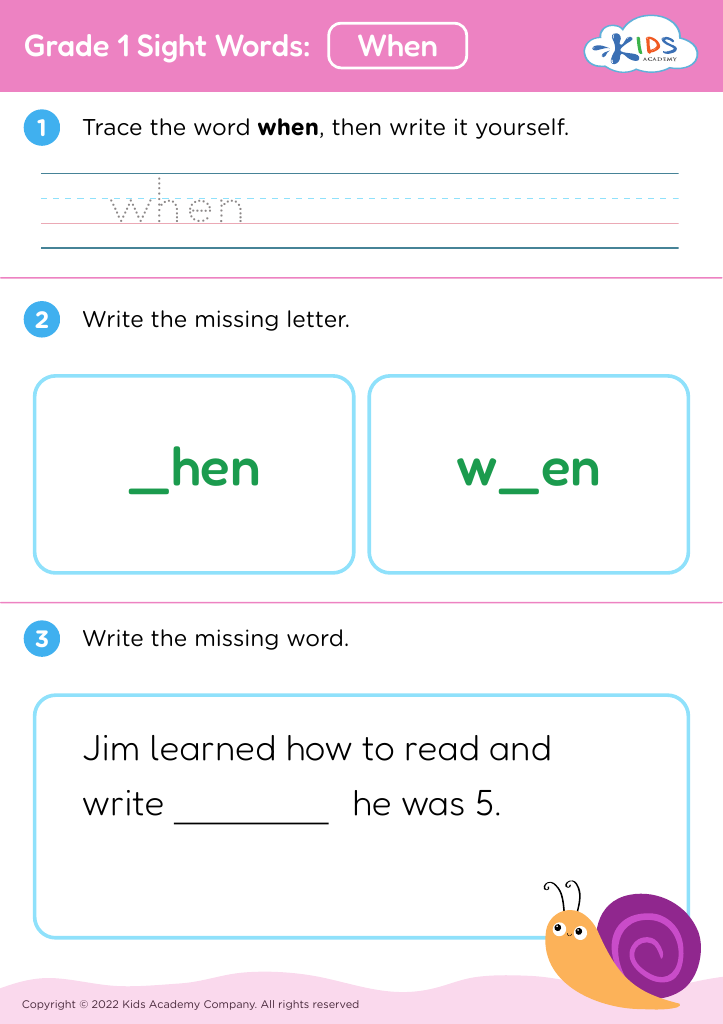
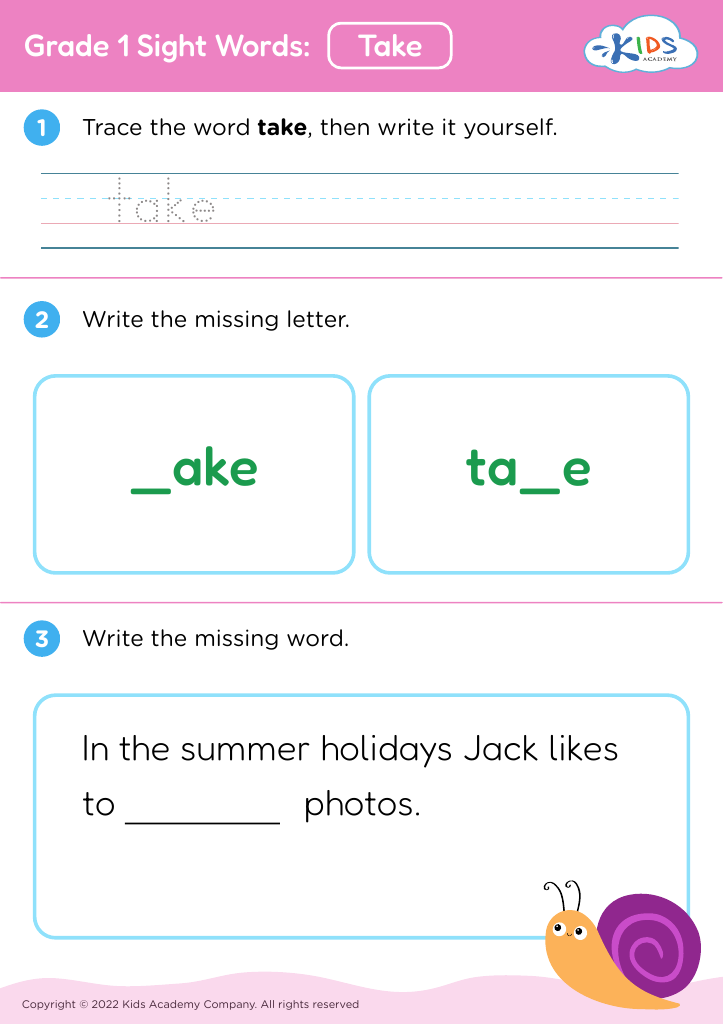
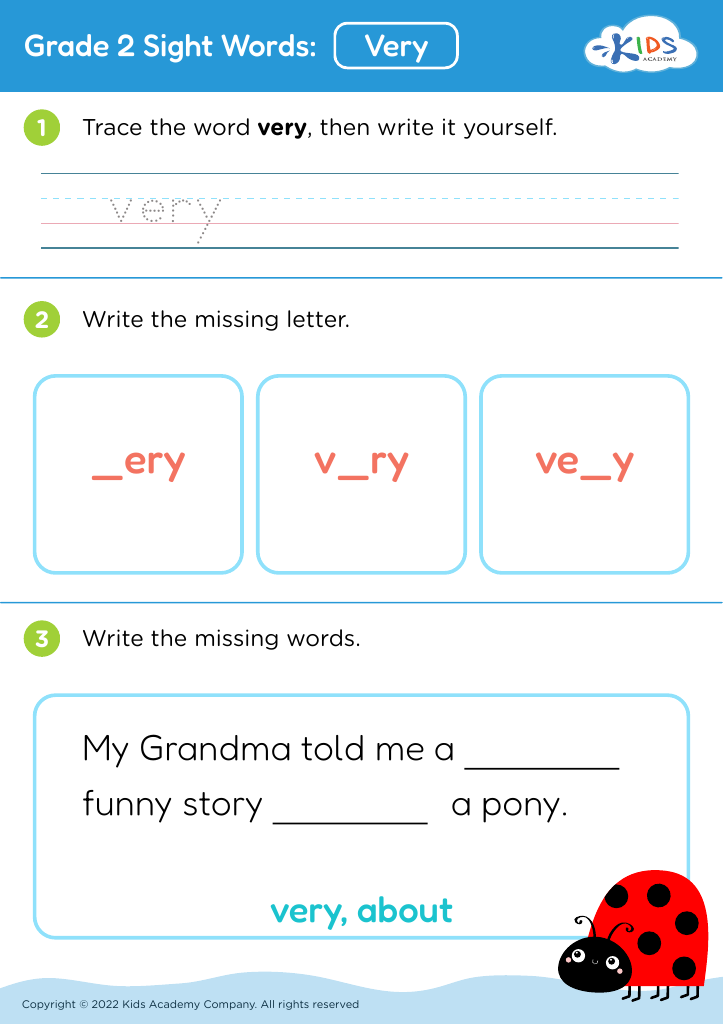
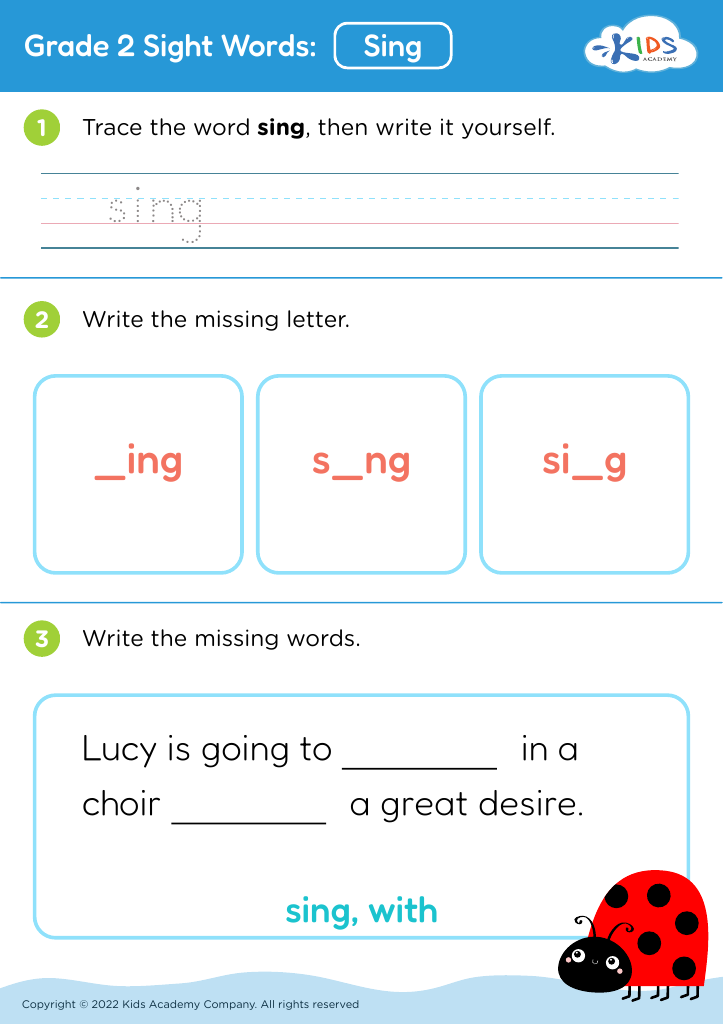
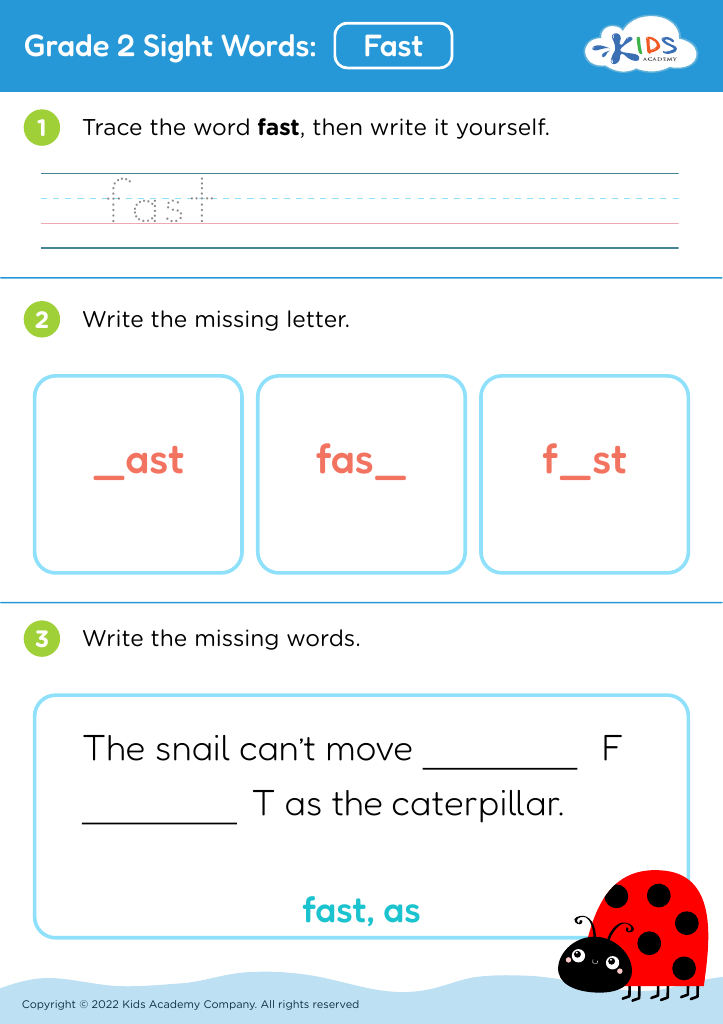
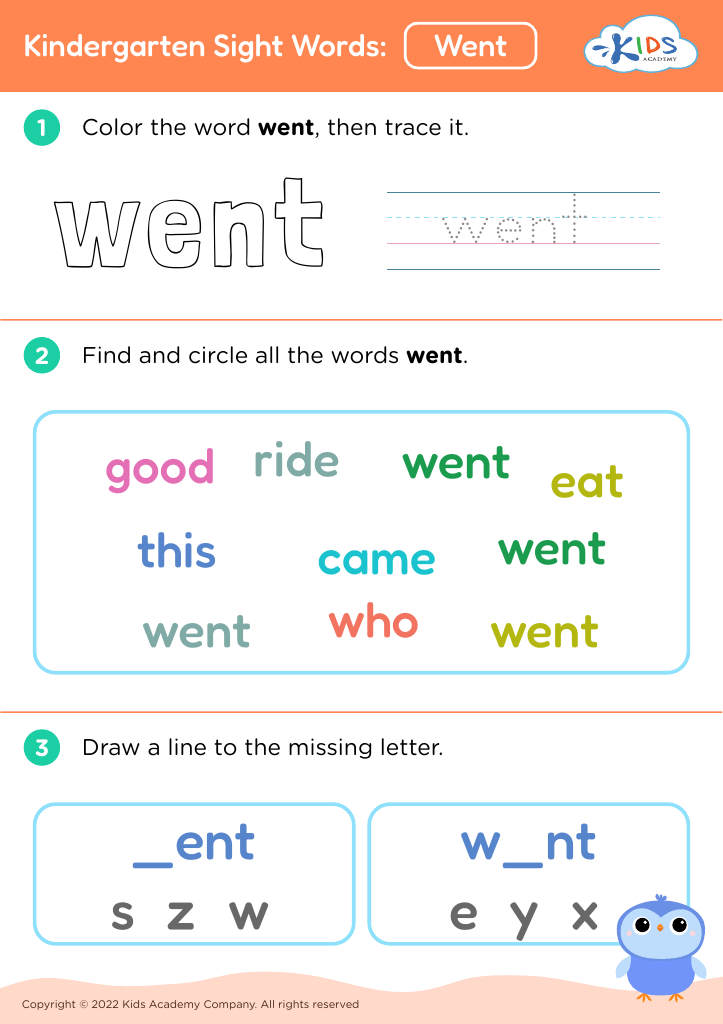
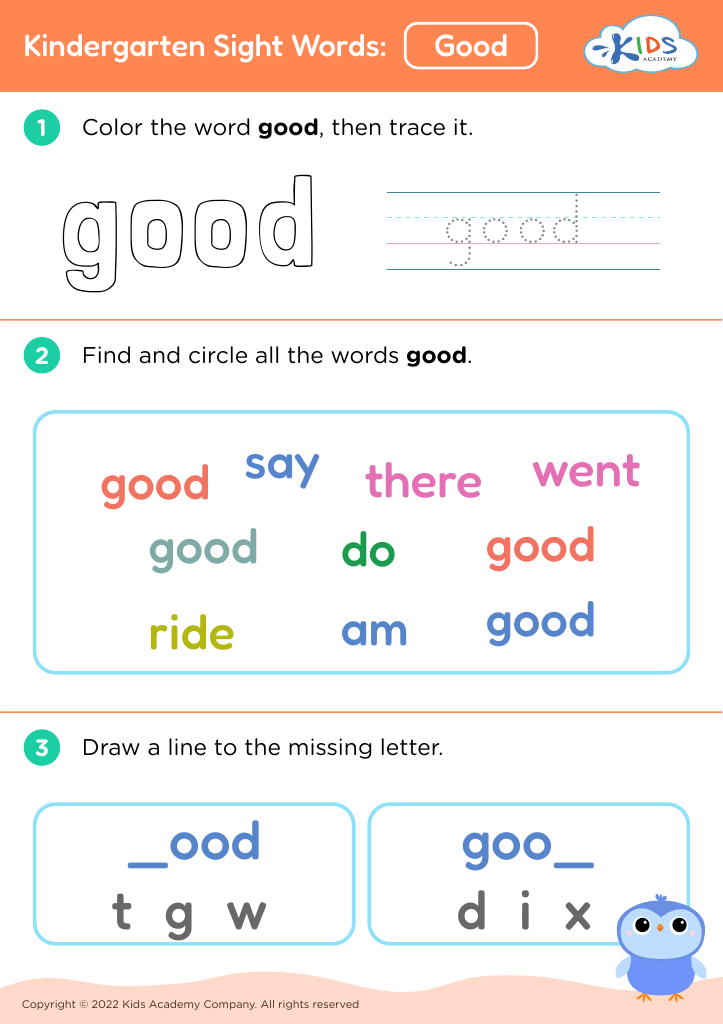
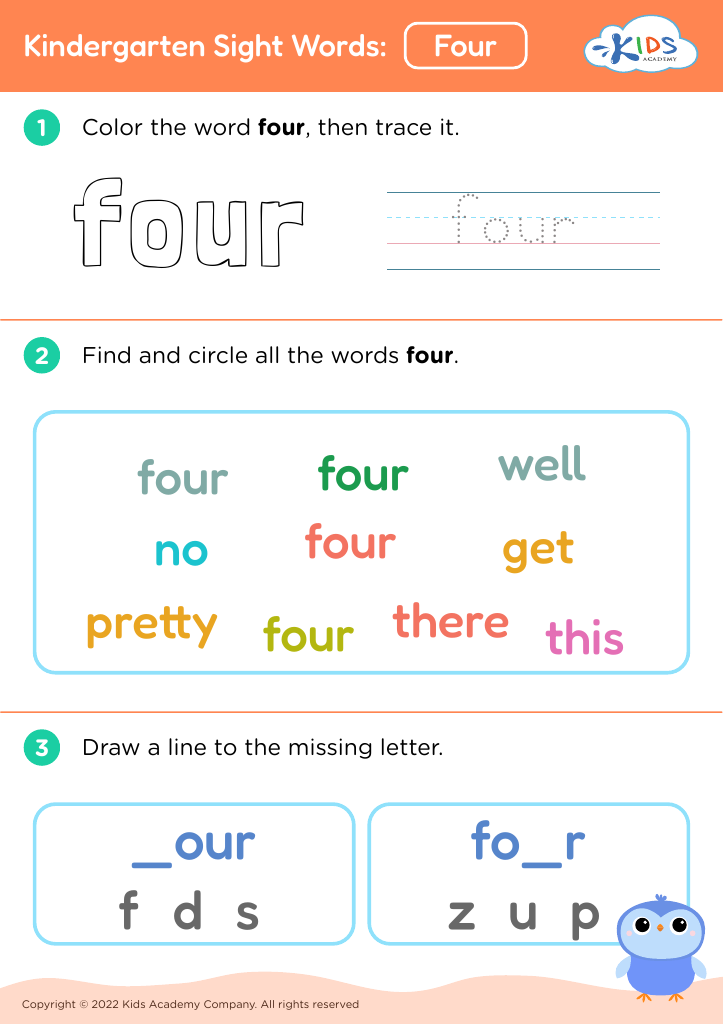
Introducing our "Addition Practice Building Vocabulary Worksheets for Ages 5-8," designed to seamlessly blend math and language skills! Perfect for early learners, these engaging worksheets offer a fun way to practice addition while expanding vocabulary. Each page is filled with vibrant illustrations and interactive problems that make learning enjoyable. Tailored for young minds, these resources promote critical thinking, numerical fluency, and word recognition. Ensure your child excels both in math and language with these expertly crafted worksheets. Boost your child's confidence and academic progress with our comprehensive activities that are perfect for both home and classroom settings.



















In the crucial developmental years of ages 5-8, building a strong foundation in addition and vocabulary is instrumental for both intellectual and linguistic growth. During this phase, children's brains are incredibly adaptable and primed for learning. Practicing addition fosters not only mathematical skills but also critical thinking and problem-solving abilities. These skills are foundational for future math success.
Concurrently, building vocabulary at this age enhances language proficiency, comprehension, and communication skills. Children who have a robust vocabulary are better able to express themselves, understand more complex instructions, and grasp new concepts in all subject areas, thus aiding their overall academic performance. A rich vocabulary also sparks greater love and curiosity for reading, which is pivotal for lifelong learning.
Engaging children in activities that combine addition and vocabulary can make learning more interactive and fun while addressing these core educational components. For example, word problems requiring addition can simultaneously improve math skills and comprehension. Additionally, games and storybooks that incorporate both numbers and words can introduce concepts in a playful context, making learning less daunting.
Therefore, integrating addition practice and vocabulary building should be a priority for parents and teachers as it equips young learners with the essential tools they need to thrive both academically and socially.








